Kenya - Monkey and Forest Conservation
Become part of the local community as you live in a traditional Swahili village, contribute to local conservation work, and help inform new management practices through your research. Contribute to important research in the preservation of Colobus Monkeys, found in the coastal forests of Kenya.
Fast Facts
| Location of Project | Shimoni, Kenya |
|---|---|
| Project Costs | US$1640 for 2 weeks; and US$545 for each extra 2 weeks |
| Project Length | 2, 4, 6, 8, 10 or 12 weeks |
| Arrival Airport | Mombasa International Airport |
| Volunteer Work | Forest and wildlife conservation, community conservation work |
| Number of Participants | Up to 4 international volunteers |
| Age | 18 - 80 |
What's Included
| Accommodation | Basic shared huts |
|---|---|
| Food | 3 meals a day, prepared by the volunteers on a rotational basis |
| Support | Local in-country team and 24 hour emergency support |
| Airport Transfers | Pickup from the airport can be arranged between 6pm and 12am the day before starting date. Drop off at airport by 6pm after program end date. |
| Pre Departure Kit | Full project details will be sent following registration |
| Orientation | Cultural activities, introductions, and training provided upon arrival |
| Extras | Swahili lessons provided and a tour of Shimoni's historical sites such as the Slave Cave Tour |
What's Not Included
Location
Kenya is an incredible country to visit, located on the east coast of Africa and nestled against the Indian Ocean. Kenya is home to some of the most spectacular wildlife populations, the second highest mountain in Africa, white sandy beaches, and a diverse population. This project is located in a small coastal village in southern Kenya, near the border with Tanzania and about 75 km south of Mombasa, a vibrant port town with a unique history.
The project location boasts excellent biodiversity, both terrestrial and aquatic. The coastal forests of this region are known for containing fossilized coral substrate and have a unique marine ecosystem. The area is excellent for snorkeling and scuba diving and Kenya's most spectacular coral reefs are close by. The beaches and local dolphin population demand a visit and won't disappoint. The area is also famous for its historical importance in the slave trade and a visit to the slave caves is an enlightening experience on East African History.
About the Project
On this project volunteers will contribute to important research, aiding in local conservation efforts for a variety of species that have experienced severe habitat loss and whose populations are becoming critical. Volunteers will live in a remote village in southern Kenya on the Indian Ocean and become part of the local community as they work together with local people to promote conservation initiatives and the responsible use of resources, which ultimately aid the local community in economic growth and sustainability.
Participants will conduct research in the rare and international significant costal forests of Kenya. Volunteers will contribute to the knowledge base on rare birds and butterflies, the Zanj elephant shrew and the critical black and white colobus monkey. The data that is collected by volunteers will be used to build understanding of the local biodiversity, will help in raising local awareness of environmental issues, and will contribute to the creation of new resource management strategies.
This project is also significant for the local people as the forests hold special cultural meaning and is a natural resource. However, currently the costal forests lack protection and are being depleted. Working together with the local communities holds the most significant chance of increasing and realizing conservation objectives and will be a significant part of this project.
Volunteer Work and Contribution
The work you will perform on this project will contribute to vital research in the following areas.
- Behavioral research of the colobus monkey
- Population estimates of the colobus monkey and the sykes monkey
- Assessing habitats for food supply by surveying local fruiting and flowering plants
You must also be prepared to wake up very early in the morning to perform surveys of bird species at dawn. You will also survey other small mammals and perform butterfly trapping and net sweeping.
You will work 5 days a week on this project, often rising before the sun, giving you the opportunity to see many rare species of birds. The trumpeter hornbills, the endangered fish eagle, and spotted ground thrush are some of the rare birds you may see on these early morning expeditions. You may also go on night walks in the forest where you may see bushbabies, sun antelope, and other nocturnal animals.
The work you will do on this project is vital in maintaining the populations of wild mammals, birds, and insects. These animals are facing extinction due to the loss of their habitats and the work you do will help preserve them. You will give back to the local community by helping to create community initiatives in conservation and new management policies.
Please note that this project requires a good level of physical fitness due to long treks through the forest.
Living Arrangements
Accommodations: volunteers will stay in basic shared (mixed sex) huts, with shared bathroom facilities (with running water and western style toilets) at the field station. Volunteers share the responsibilities of cleaning and other duties on base. Electricity is available but prone to power cuts.
Food: 3 meals a day are provided while on the project. Food is prepared by volunteers on a rotational basis and is prepared in the local traditional style. Food is very basic (but nutritious) mostly vegetarian with meat and fish occasionally available for dinner.
Internet: there is no Internet available on the base. Volunteers can buy an internet USB modem for about US$20 upon arrival to plug into a laptop.
Laundry: volunteers can wash their clothes by hand or pay a local woman to wash their clothes.
Travel Highlights
Traveling in Kenya offers the adventurer endless possibilities and options for an unforgettable trip. Kenya offers great cities like Nairobi and Mombasa where visitors can get a feel for Kenyan history in the museums, galleries, and markets that abound. Modern Mombasa offers visitors a glimpse into the cultural, ethnic and religious diversity that spreads across the country as Hindu temples, Mosques and Christian Churches line the streets.
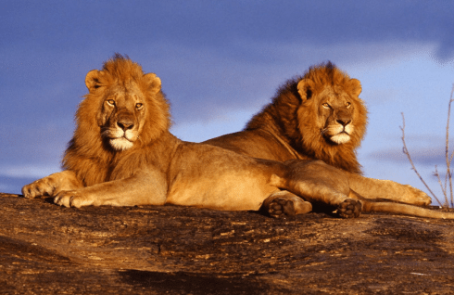
Nairobi, the country's capital and known as the safari capital of the world, has grown and progressed into modernity however, you don't need to travel far to experience the wildlife. Just on the outskirts of the city and only 20 minutes from the city center, is Nairobi National Park, which is home to zebras, cheetahs, rhinos, lions, buffalo and giraffes.
If wildlife safaris are your thing, Masai Mara offers visitors the opportunity to get up close with an abundance of wildlife. The game reserve located in southwest of the country and is the heartland of the Masai people. The reserve is composed of open plains, forest, and woodlands and is home to one of the most impressive arrays of wildlife. The Masai Mara Game Reserve runs next to the Serengeti in Tanzania, which is also a great option for wildlife exploration, should you want to travel south.
Explore some of Africa's tallest mountains, Mount Kenya and Mount Kilimanjaro, which offer incredible breathtaking experiences in mountain climbing. While Mount Kenya is a difficult and technical climb, Mount Kilimanjaro the tallest mountain in Africa offers a variety of climbing options and required skill level. The mountain and has been summated by a large variety of people of varying degrees of health, fitness and age. Even if you aren't going to climb either mountain a visit to the forest at the base of Mount Kenya offers cool breezes, wildlife spotting and crystal clear streams that run off the mountain.
Nothing beats the Kenyan coast south of Mombasa, which is a tropical paradise, offering white sand beaches, warm turquoise waters, and beautiful coral reefs. Of course this tropical paradise boasts its own expansive wildlife; baboons, monkeys and rarer leopards can be spotted here. Spend some time on the beach relaxing, taking in the ocean breeze, or spend your days exploring the underwater world; either way a few days at the beach are always a worthwhile addition to any trip.
Minimum Requirements
- 18 years of age
- Willing to work hard and get your hands dirty
- Good physical fitness
- Ability to work in hot and humid environments
- Ability to work in a team
- Interest in research and community work
- Travel and health insurance
- Immunizations (please consult your doctor)