(Visit our South Africa page for the best wildlife volunteering programs Africa has to offer.) Africa is a continent undergoing huge change. Countries across Africa are making strides in development. It’s an exciting time to volunteer in humanitarian and environmental causes, in some of the most exciting travel destinations in the world. As a volunteer, you could participate in programs that bring about lasting change, plus learn more about life in Africa and act as a cultural ambassador when you return home.
Although Africa is often thought of as one massive country, each individual country is perfectly distinct. Culture, landscapes, traditions, languages – with each border you cross, you’ll find your surroundings totally different. There is more to Africa than most people know. There might be challenges, but there is a lot of light as well. You’re likely to come across some of the most inspiring people you’ll ever meet in Africa. When you return home, you’ll remember the smiles rather than the hardships people face. Getting to know Africans through a volunteer program will give you a better understanding of international development and help you see beyond familiar stereotypes.
Volunteers can play an important role in contributing to. Volunteer in Africa to discover a continent of diverse cultures, spectacular wildlife, and unforgettable people.
Programs
Based on years of practice and in-depth field reports from hundreds of volunteers in Africa, GoEco has put together a carefully vetted selection of excellent humanitarian, development, education and wildlife volunteer projects.
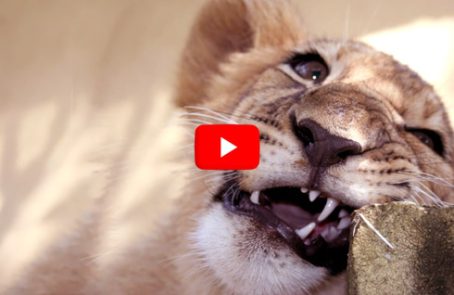
Rehabilitate lions in Zimbabwe or teach in South Africa – no matter the project you choose, this is your chance to make a difference. Here are some of the causes you can get involved with.
Wildlife and Animal Conservation
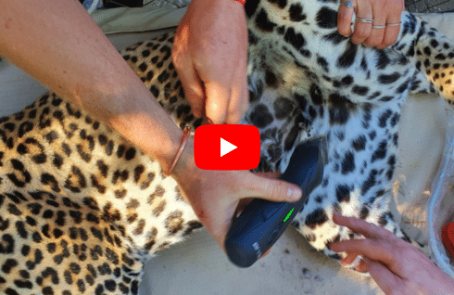
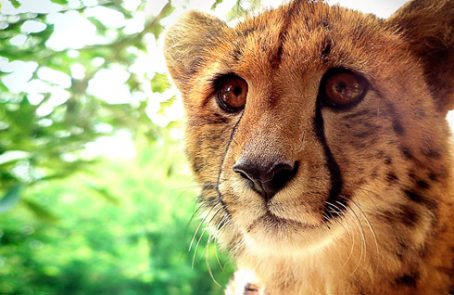
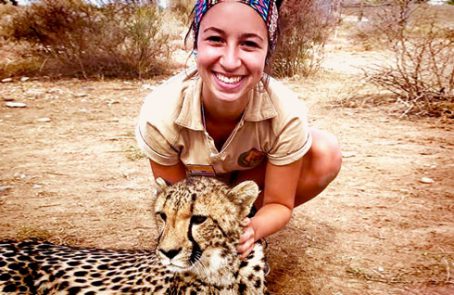
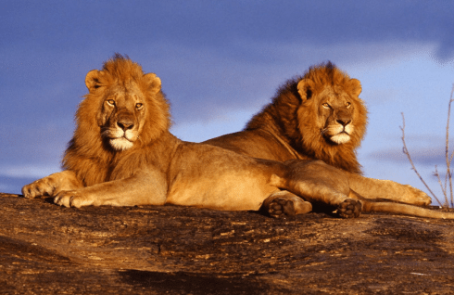
Why go on a safari when you can work directly with Africa’s animals? Volunteering in wildlife conservation in Africa will give you the chance to learn more about some of the most magnificent beasts on the planet. You’ll gain a deeper understanding of the issues facing them as you see the challenges presented in a real-world context.
Marine and Coral Reef Conservation
Oceans are extremely vulnerable to the changing climate, pollution, and human activities. Volunteering in marine conservation projects in Africa is a chance to make a real and much needed impact. At the same time, you’ll learn skills such as diving or data collection. As well as presenting exciting marine volunteer opportunities, Africa’s Indian Ocean coastline is home to some of the most beautiful beaches in the world.
Medical and Healthcare
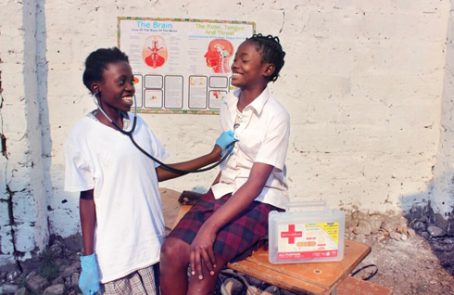
Aspiring healthcare professionals will benefit from volunteering in medical centers and clinics in Africa. There are ample opportunities for hands-on experience. In many parts of Africa, access to healthcare services is limited. If you have skills in this field, this is a chance to make a tangible difference in places where vital resources are scarce.
Community Aid and Development
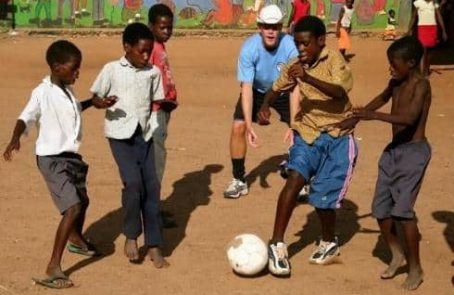
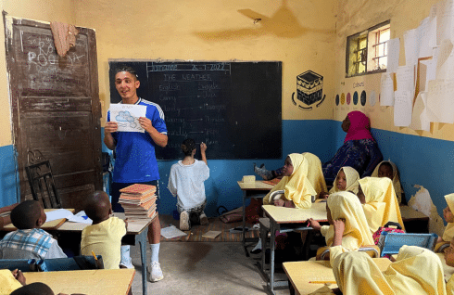
Volunteering in community development in Africa is a rewarding option. Teaching children or facilitating sports programs is a unique opportunity to become immersed in local life. Working with either children is excellent for developing soft skills and learning responsibility. Plus, getting involved in community-based projects is one of the best ways to see international development at a human level.
Locations
One of the best things about volunteer programs in Africa is the many locations you can choose from. You could be based by a beach, in the jungle, high on a mountain or on an open plain. Although African countries are often lumped together, each one has a distinct personality.
South Africa
Volunteer projects in South Africa often include working with animals you won’t find in other African countries, such as great white sharks or penguins. The vibrant Cape Town coastline is also a great place to combine volunteering with learning to surf.
Zimbabwe
Work on lion conservation near Victoria Falls, or help with medical care and education in Antelope Park – Zimbabwe has a diverse range of volunteering options available.
Tanzania
Home to Kilimanjaro, the Serengeti, and Zanzibar, Tanzania is a study in sweeping vast landscapes. Some of the best safari parks in Africa are found here. You’ll also find exciting volunteer programs, such as empowering girls in Moshi or conserving dolphins in Zanzibar.
Zambia
Some of the most rewarding volunteer projects in Zambia include community teaching, medical care and sports programs. These opportunities let you get to the heart of the community, gaining a deeper understanding of local culture as well as lifelong friends.
Kenya
With a diverse tapestry of tribal cultures and landscapes ranging from pristine beaches to the lush jungles in Hell’s Gate, Kenya is one of the most colorful countries in Africa. Helping to protect lions in the Masai Mara is an unforgettable experience.
Mozambique
The Indian Ocean coastline is the biggest drawcard in Mozambique. Study majestic whale sharks as you learn to dive off the palm-fringed beaches.
Malawi
The ‘warm heart of Africa’ might be one of the poorest countries in Africa but it is abundant in charm and warmth. Volunteer projects in Malawi are spectacular for both the natural setting and the kindness of the people you work with.
Madagascar
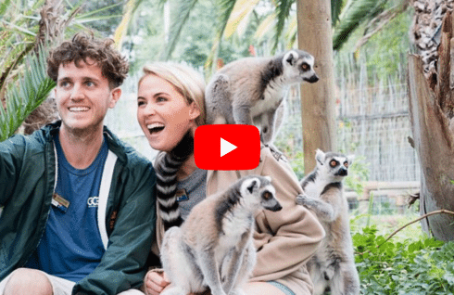
An Indian Ocean island miles off the coast of Africa, Madagascar is its own entity. The culture here is unlike anywhere else. Make your childhood dreams come true as you get to know and protect cheerful lemurs.
Seychelles
These islands might be a honeymoon destination, but they’re not all perfection. The marine ecosystems surrounding Seychelles are vulnerable and there is a demand for research and conservation assistance.
Whether as part of a gap year, a spring break, or as part of your studies, taking part in one of these programs is a meaningful experience that will help to shape individuals both personally and professionally. Take a look at the African volunteer programs we offer or get in touch with us to find out more.