
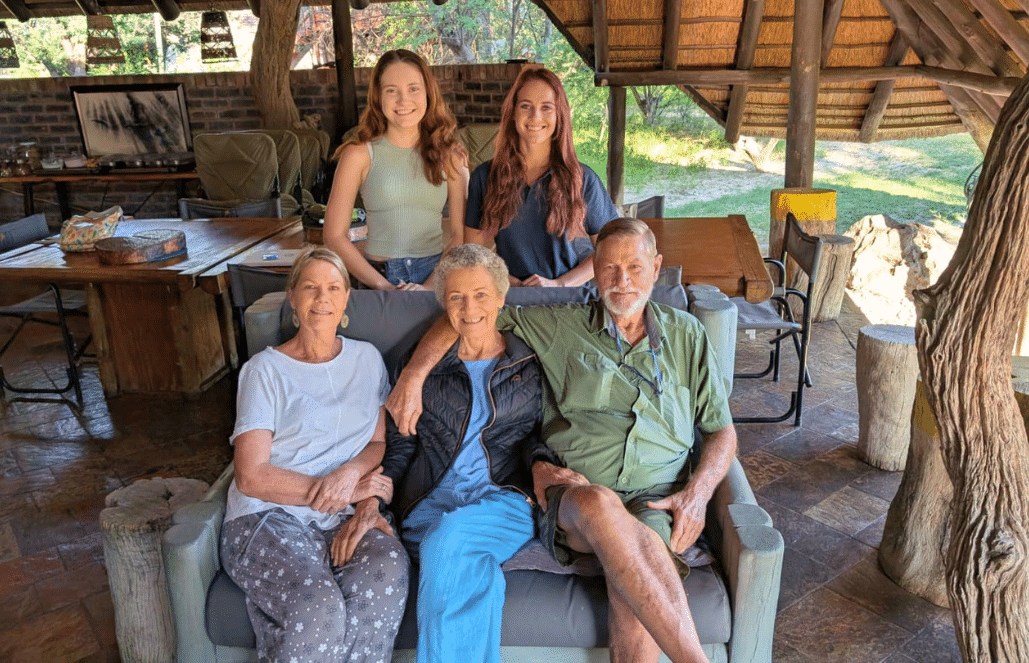
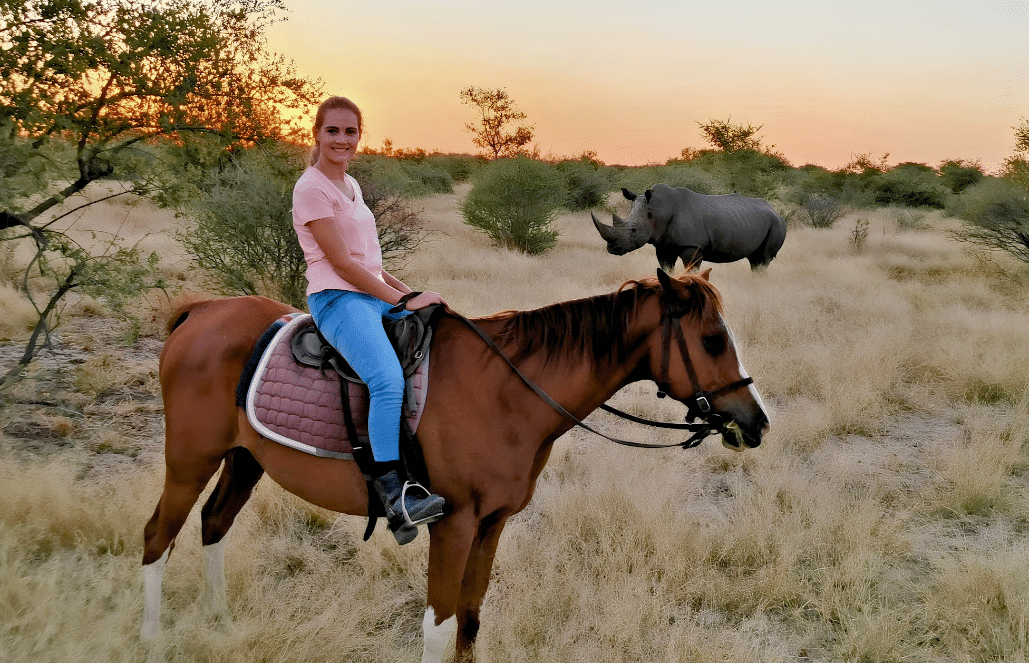
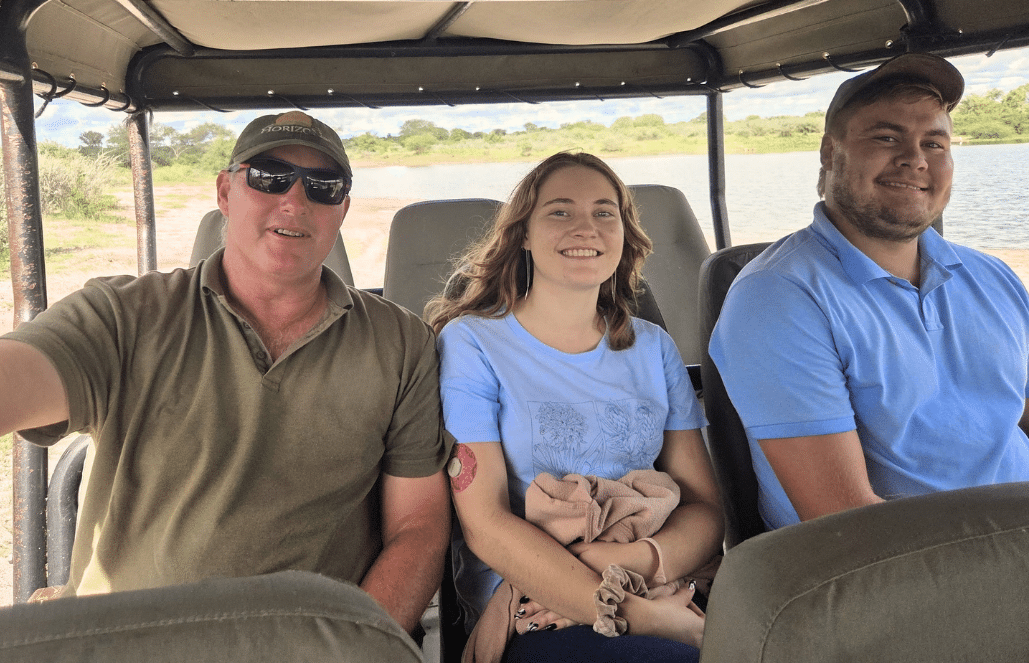
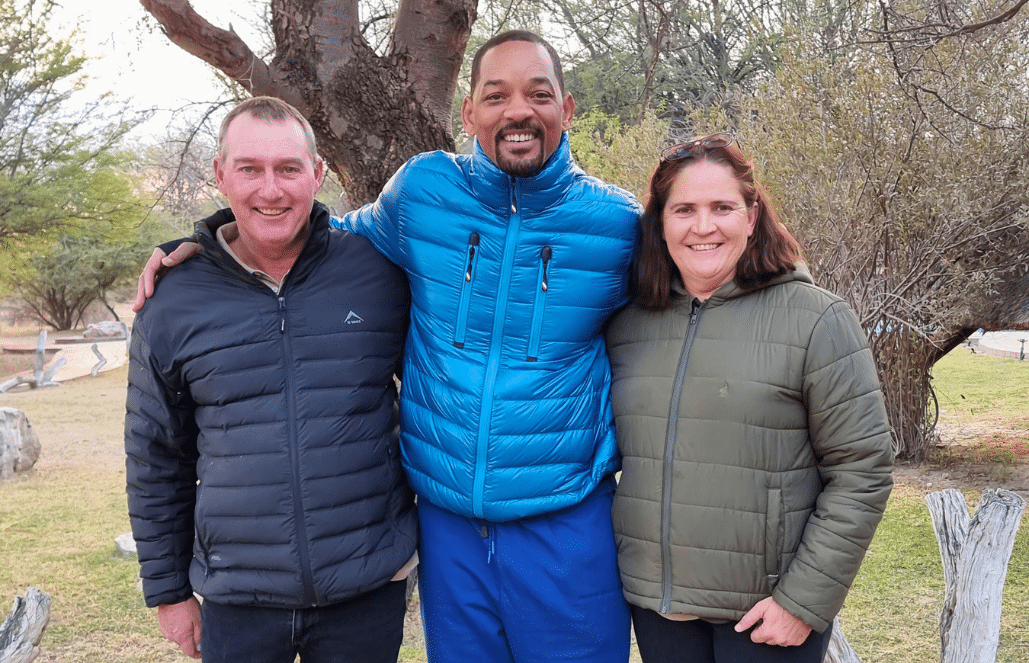
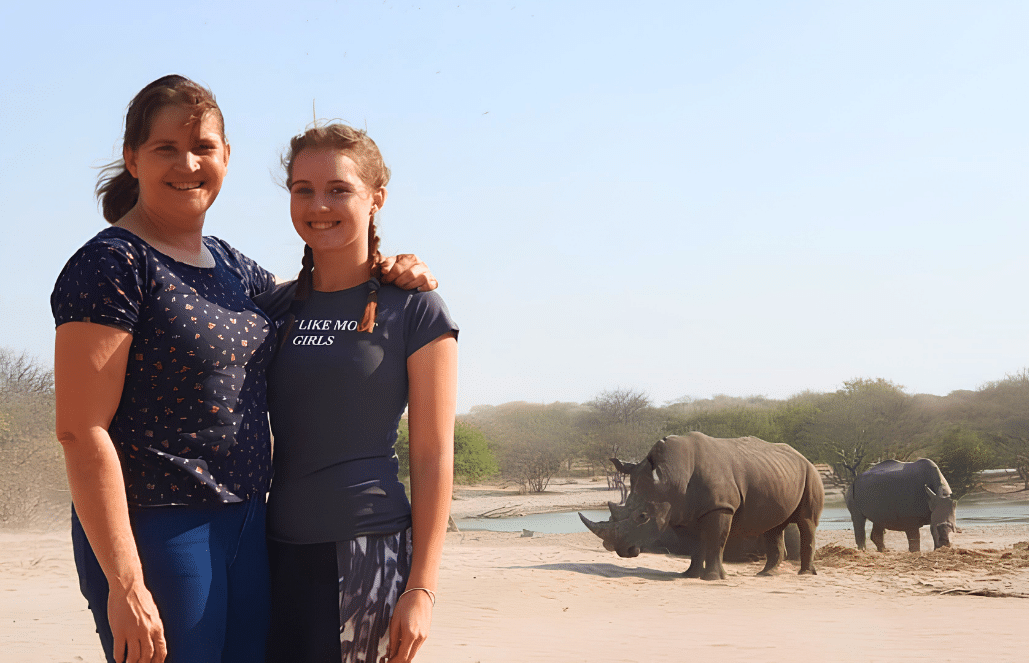
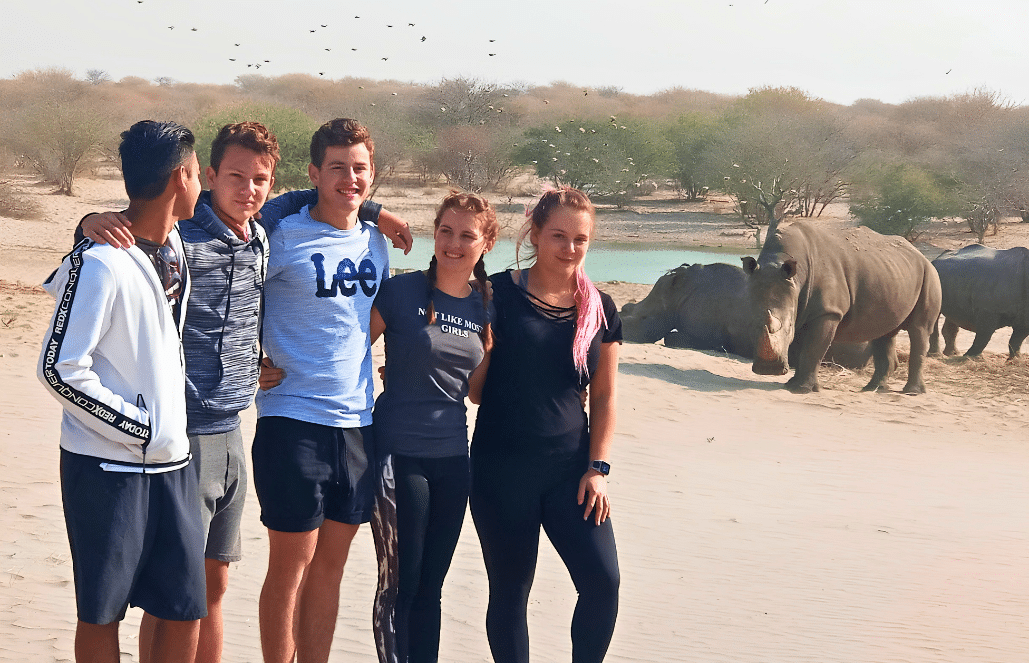
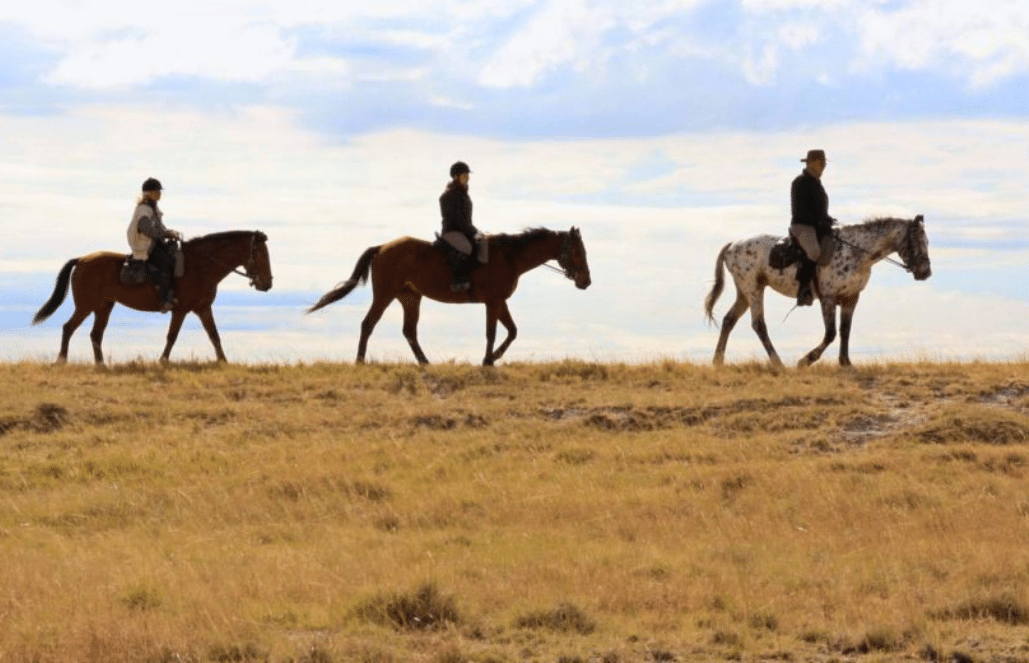
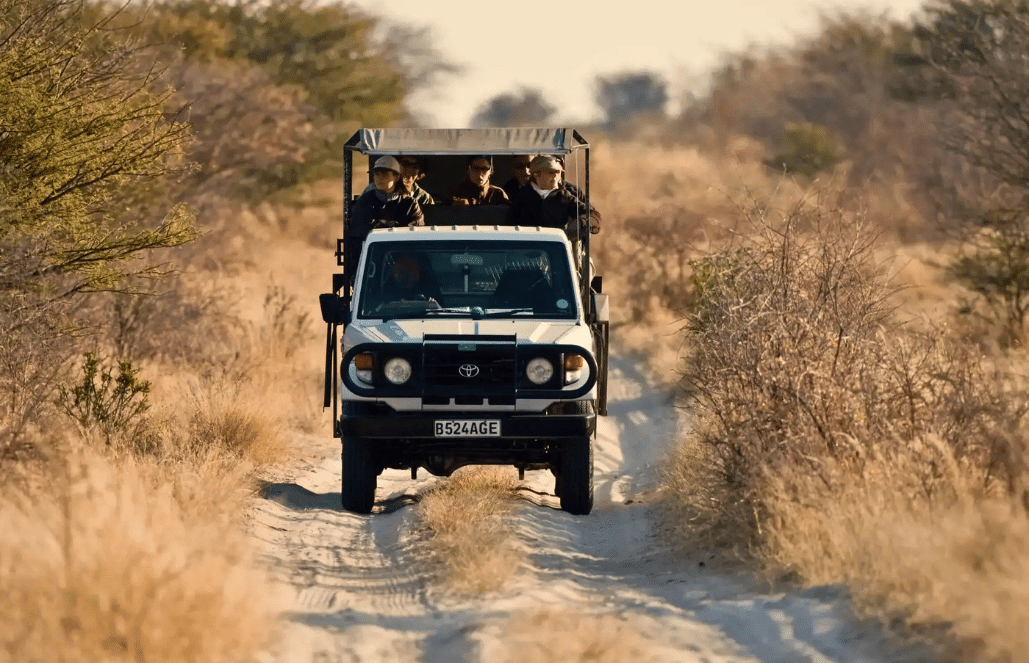
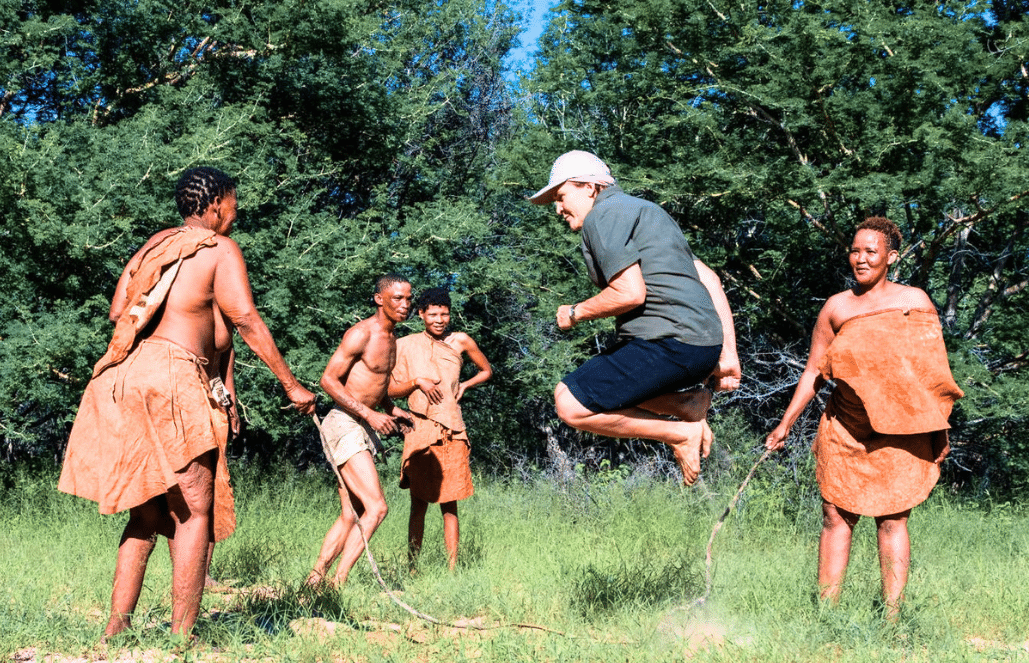
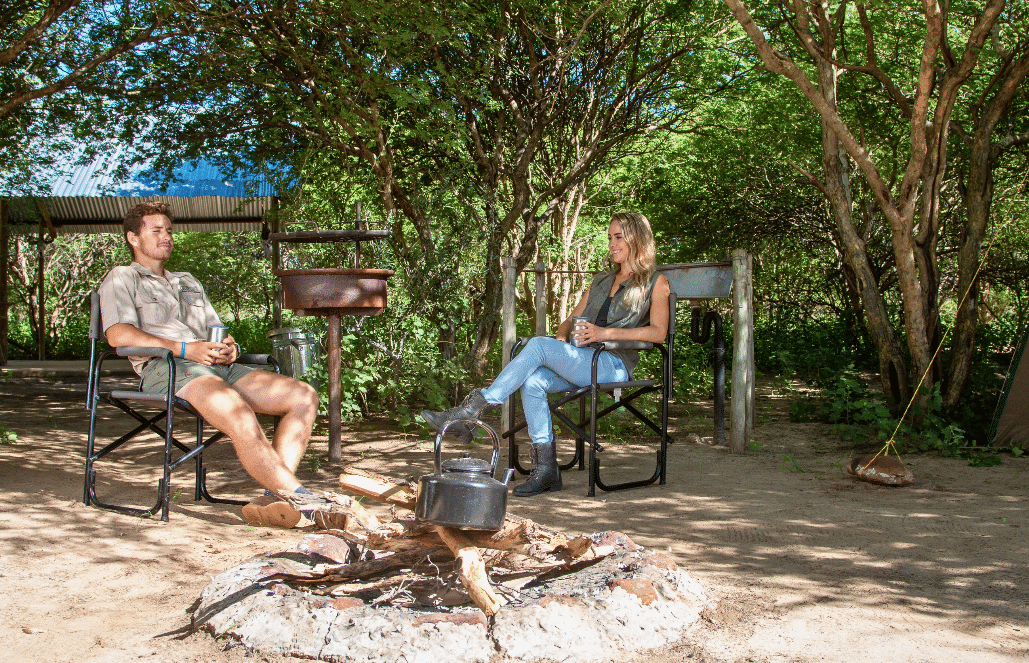
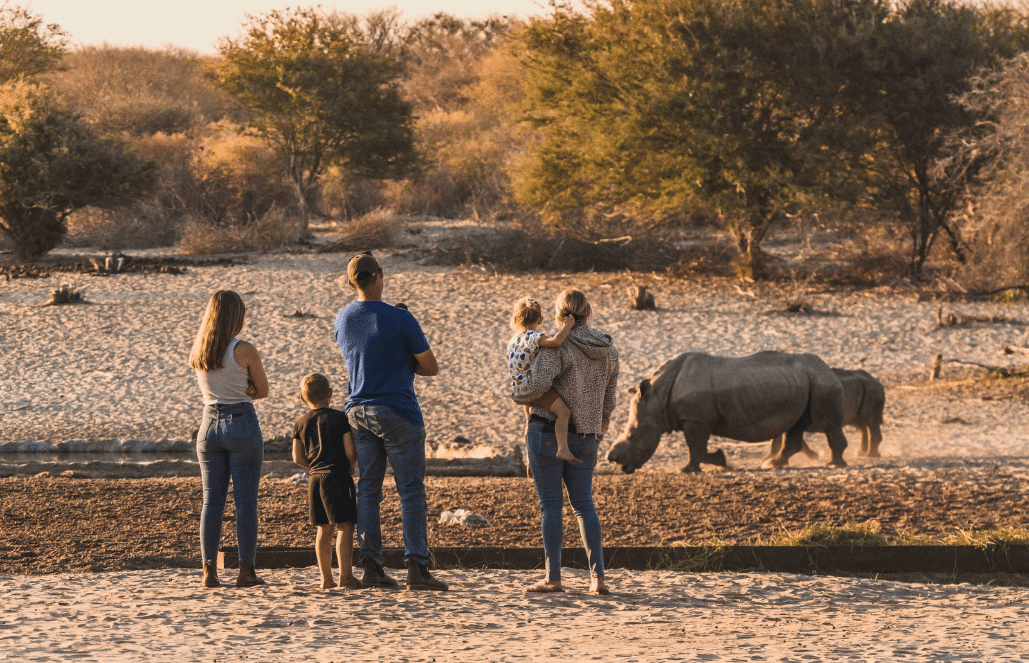
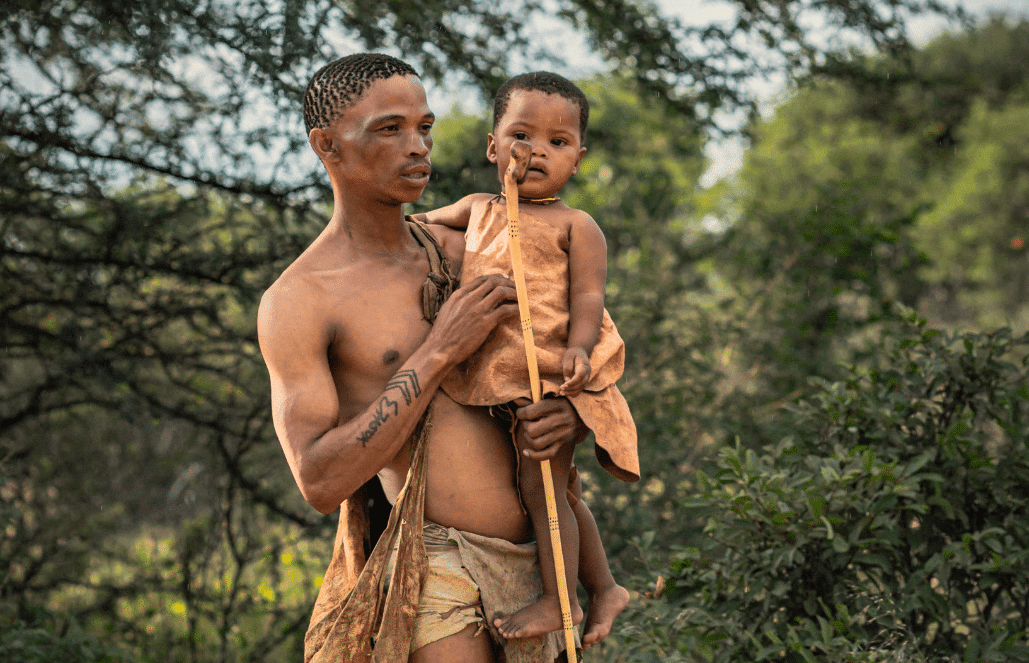
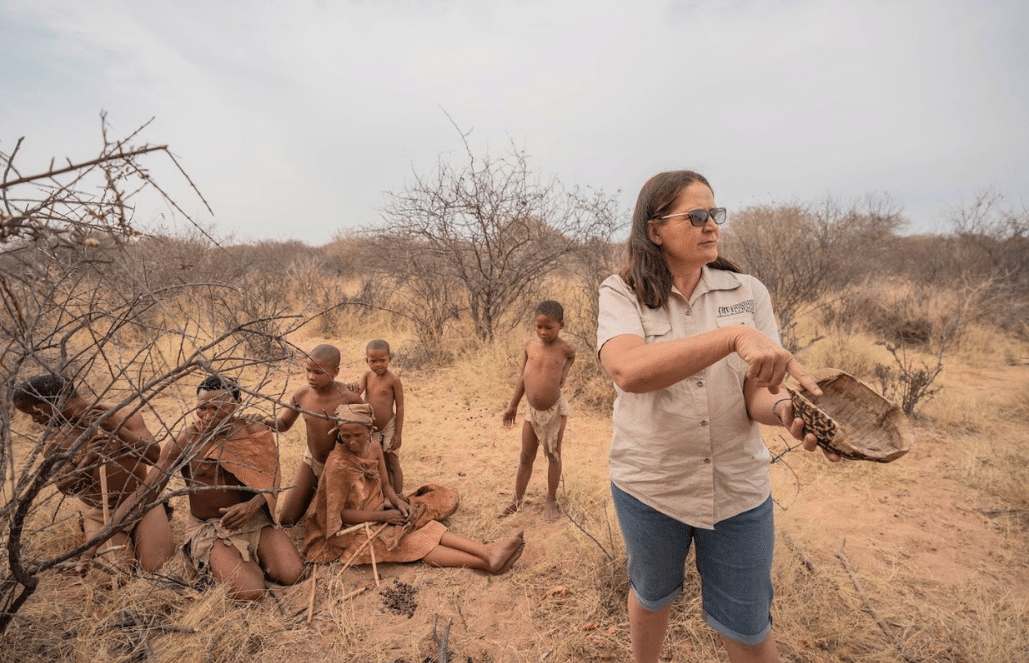
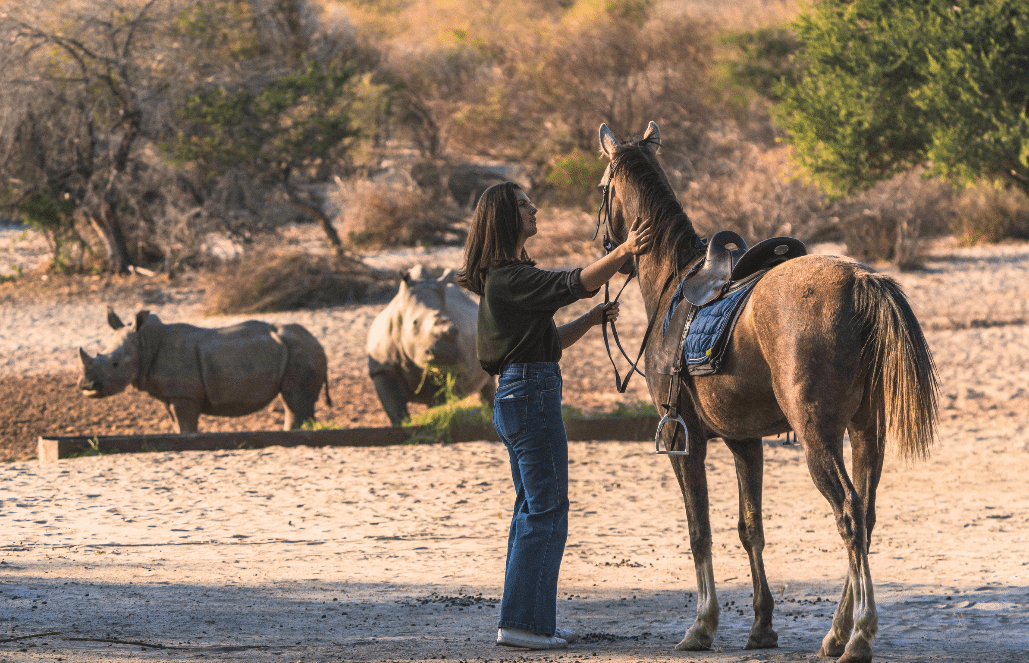
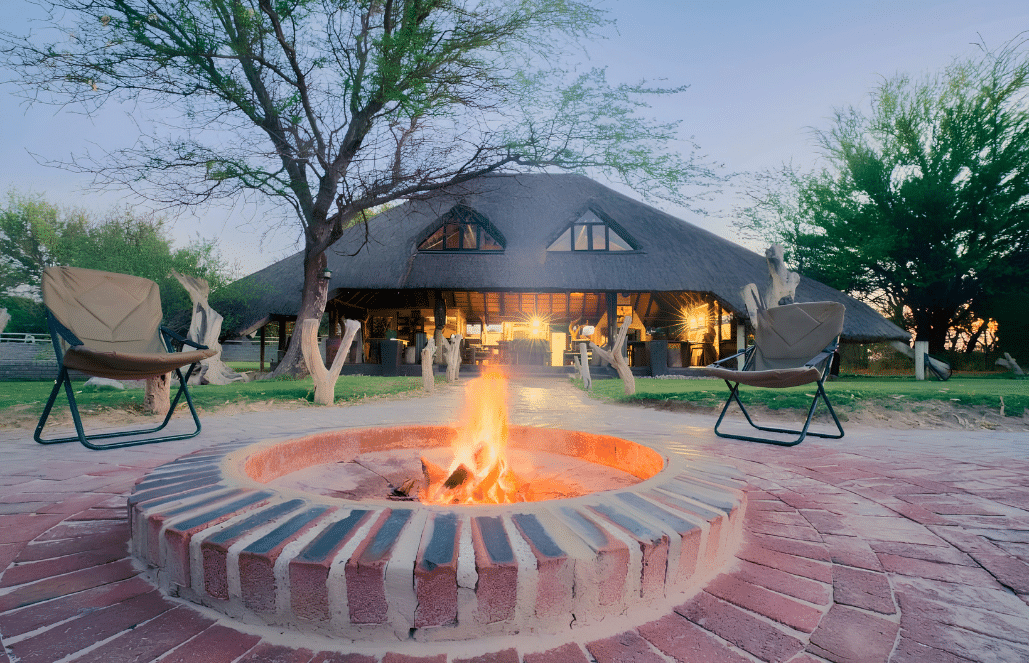
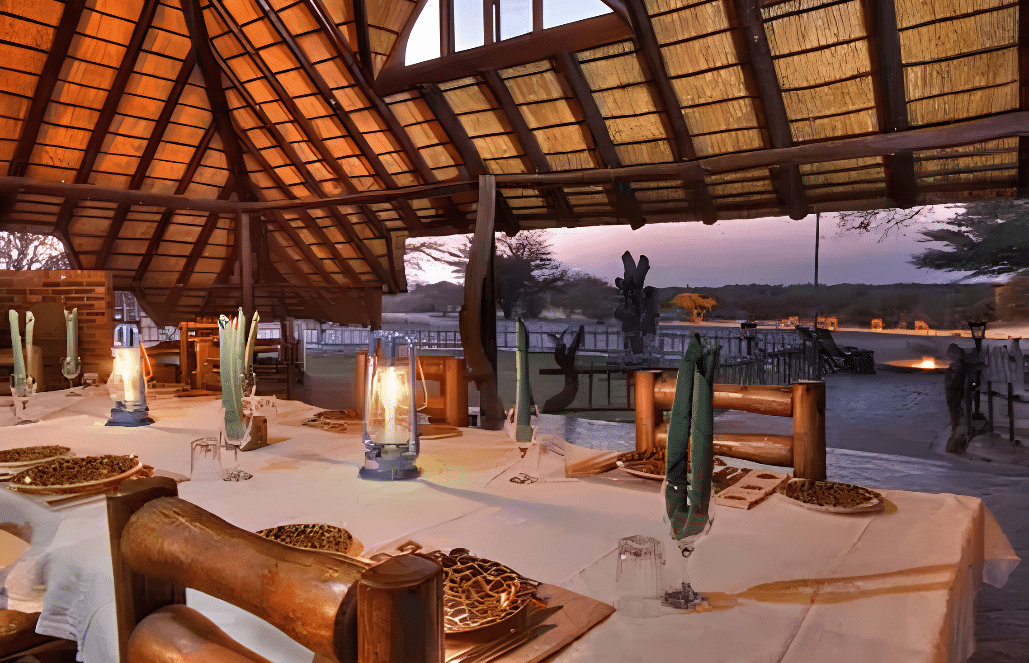
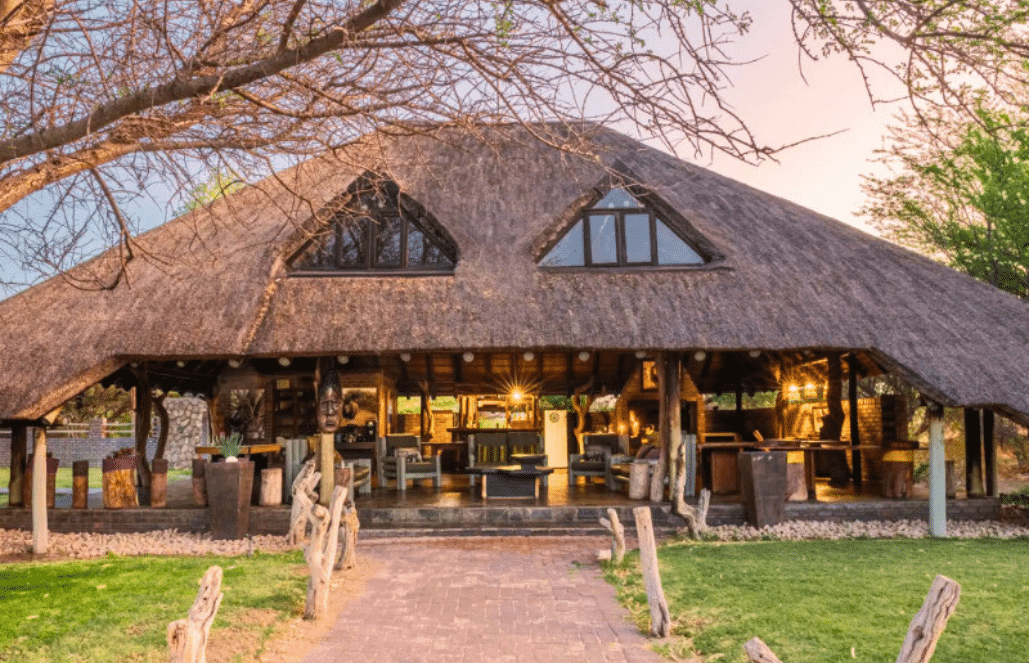
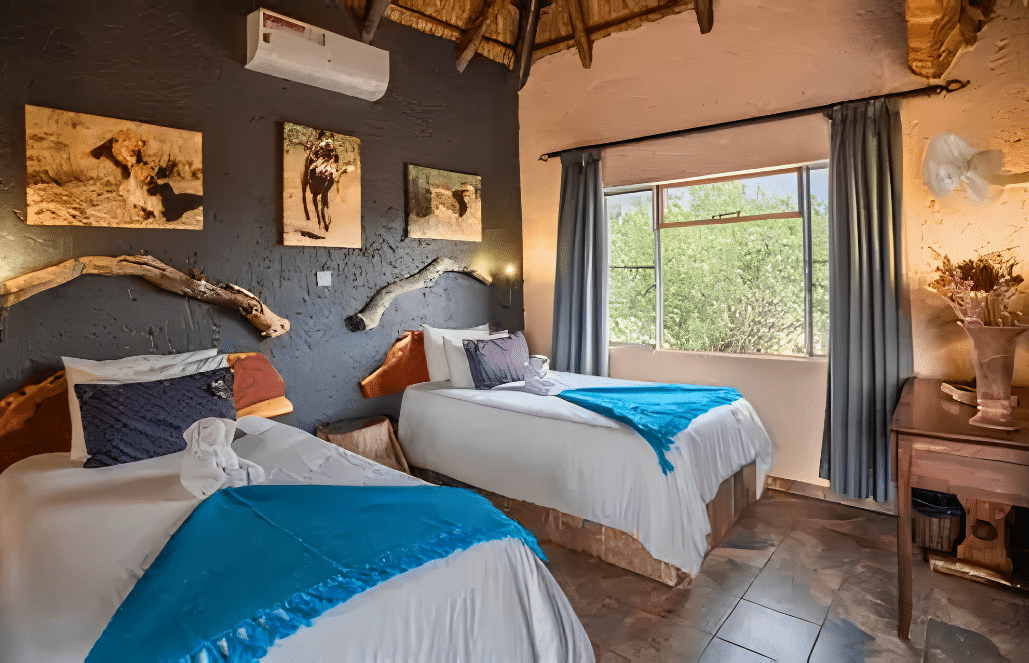
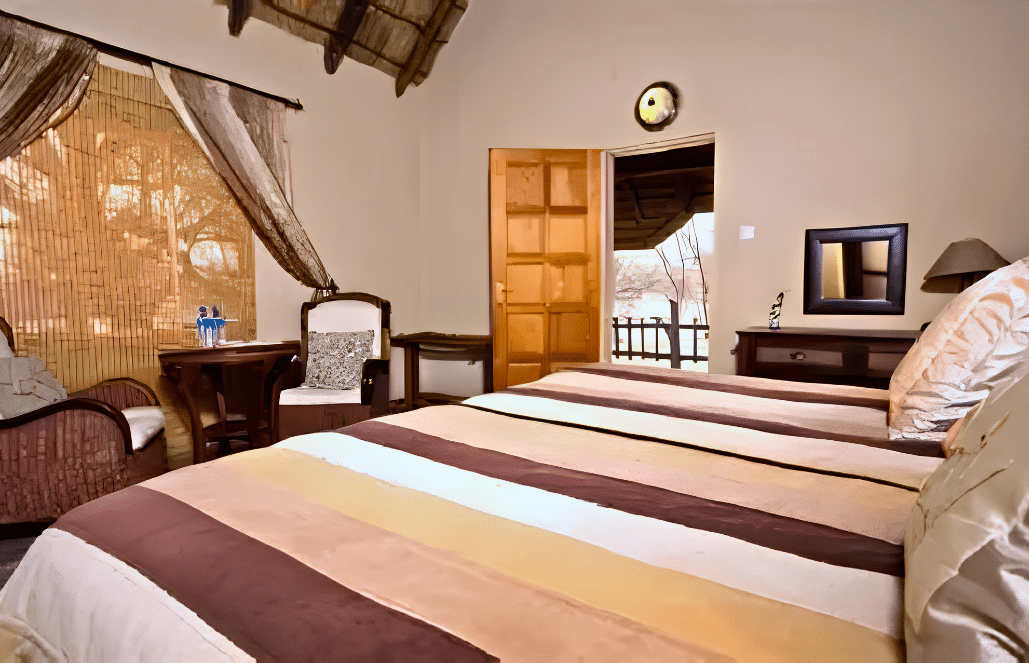

Experience Botswana’s Kalahari together on a hands-on family conservation program where children of all ages are welcome. Help monitor rhinos and other wildlife, set camera traps, care for horses, and learn traditional tracking skills with members of the San community. Stay in comfortable safari lodge accommodation while contributing to an established conservation project on private land bordering the Central Kalahari Game Reserve.
Program Highlights:
Your Schedule at a Glance (Minimum one-week commitment):
Optional Okavango Safari Extension:
After completing your volunteer program, extend your time in Botswana with a two-night safari in the Greater Okavango. Enjoy game drives, wildlife viewing, and seasonal mokoro or boat excursions while staying in a comfortable en-suite tented camp. See Add-Ons below for additional fees.


What’s Included


What’s not Included

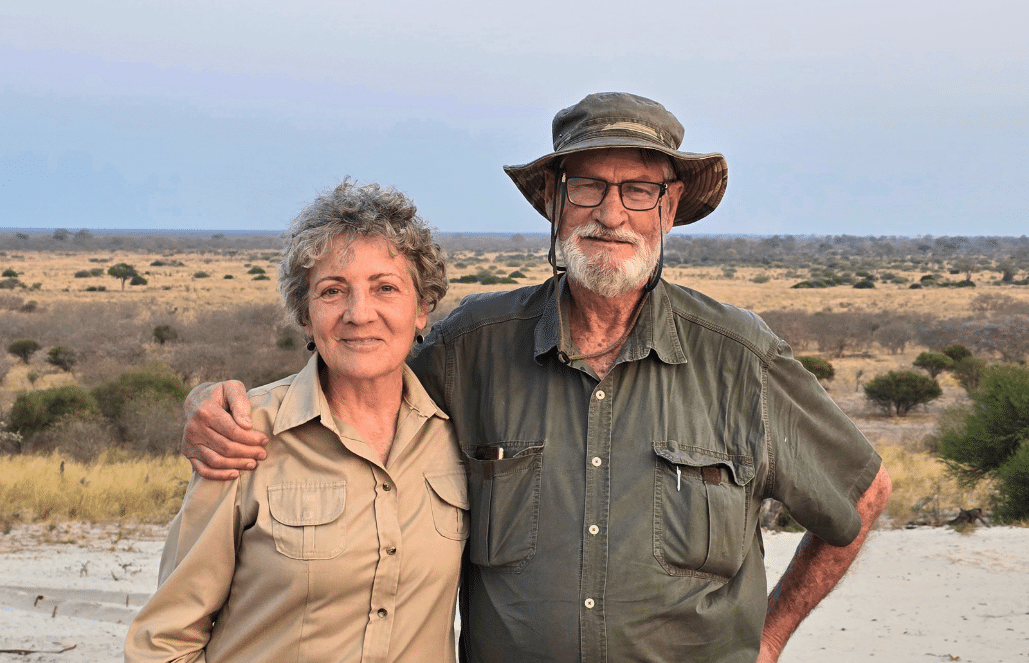
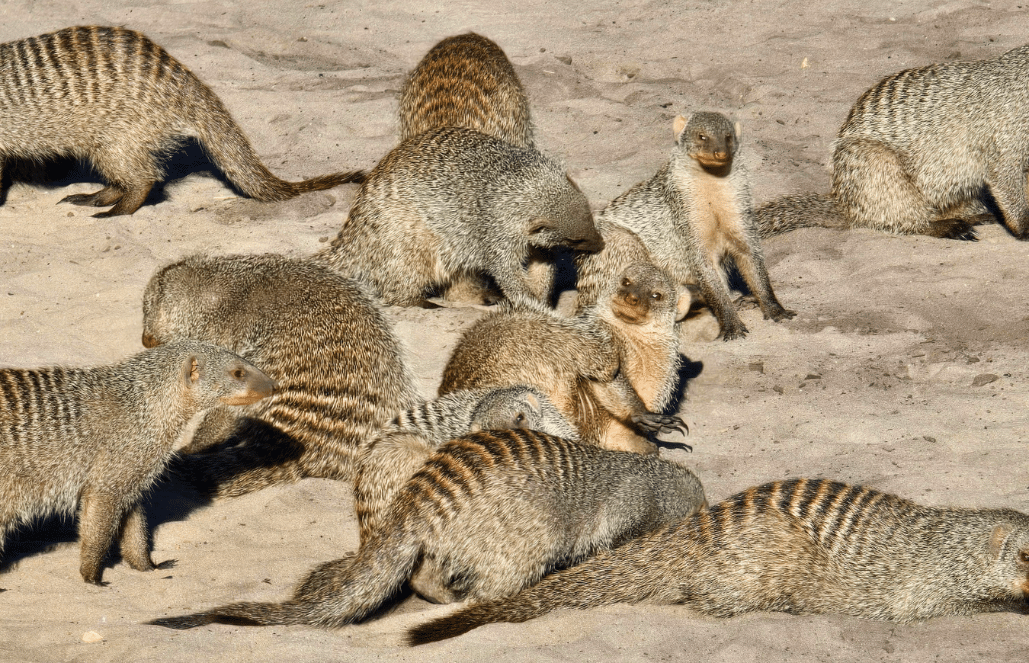
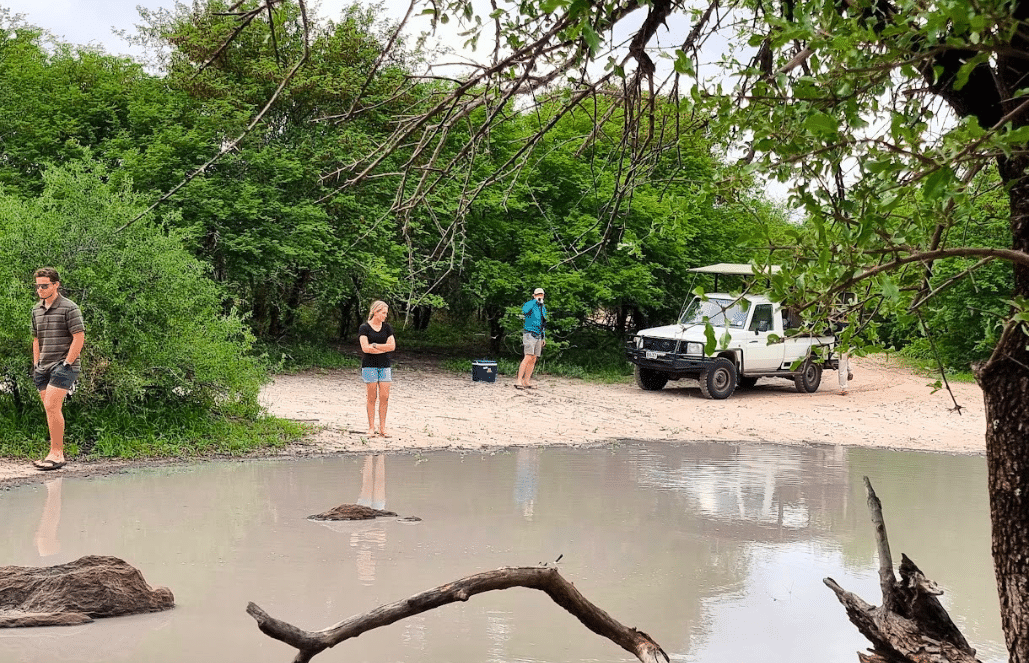
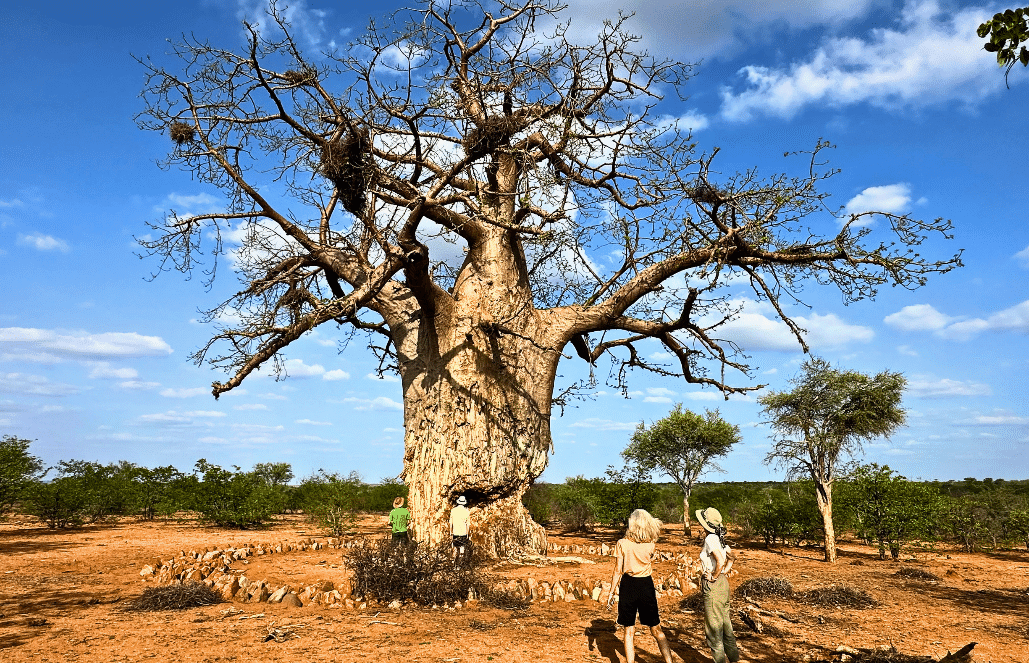
The program takes place on private conservation land in Botswana’s Kalahari, bordering the Central Kalahari Game Reserve. This remote setting brings together wildlife conservation, safari experiences, and opportunities to learn about San culture and traditions. The reserve supports a range of Kalahari wildlife, with conservation activities focused particularly on rhinos, predators, waterholes, wildlife monitoring, and habitat management. Families can experience the landscape both through their conservation work and through wildlife viewing around the reserve and lodge.
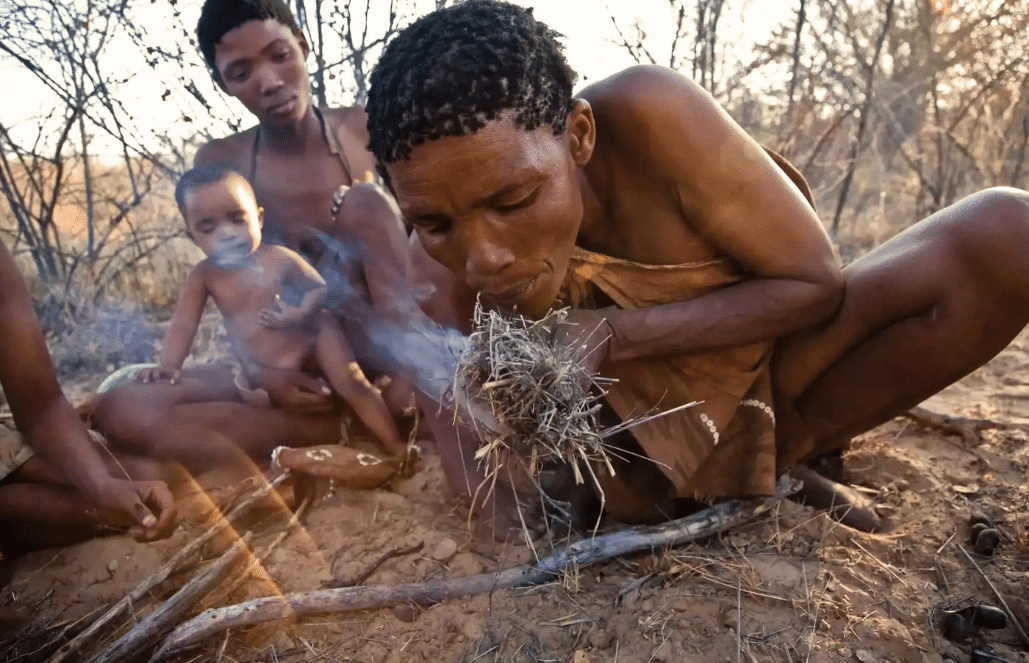
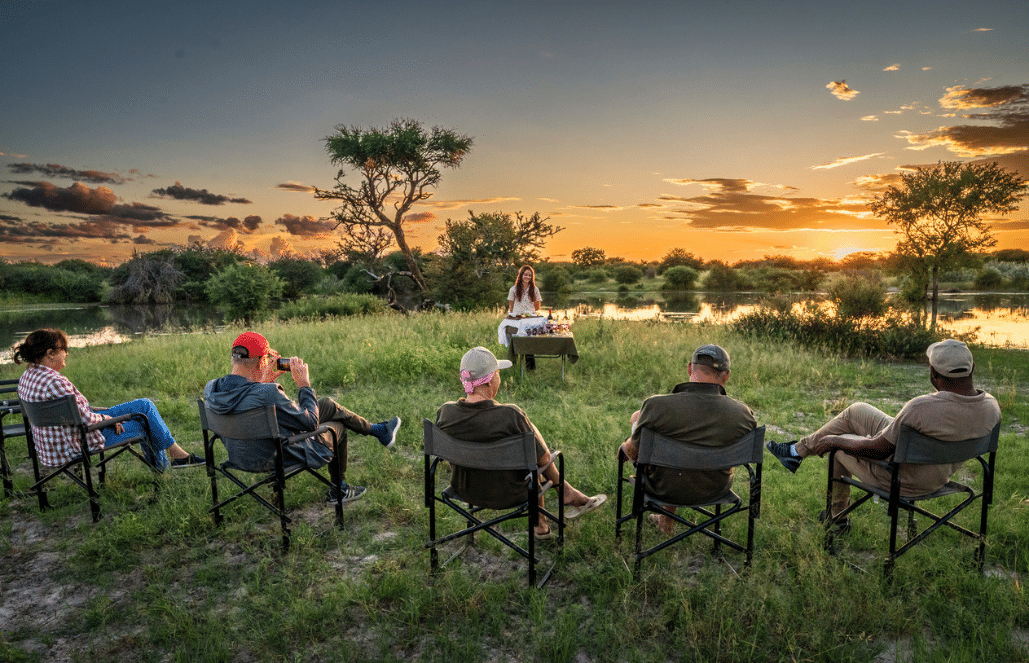
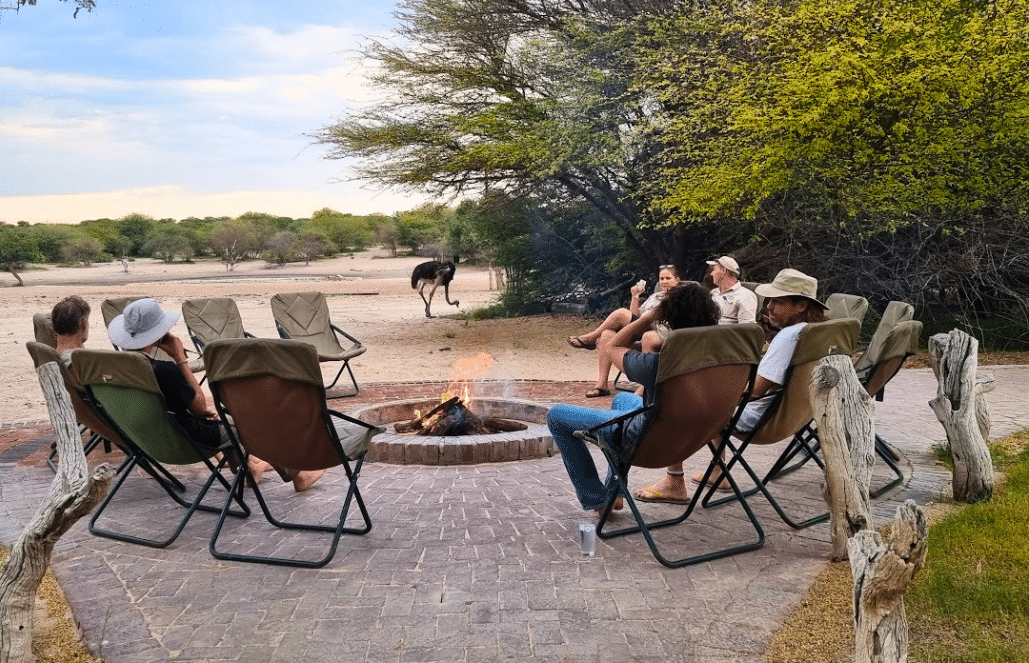
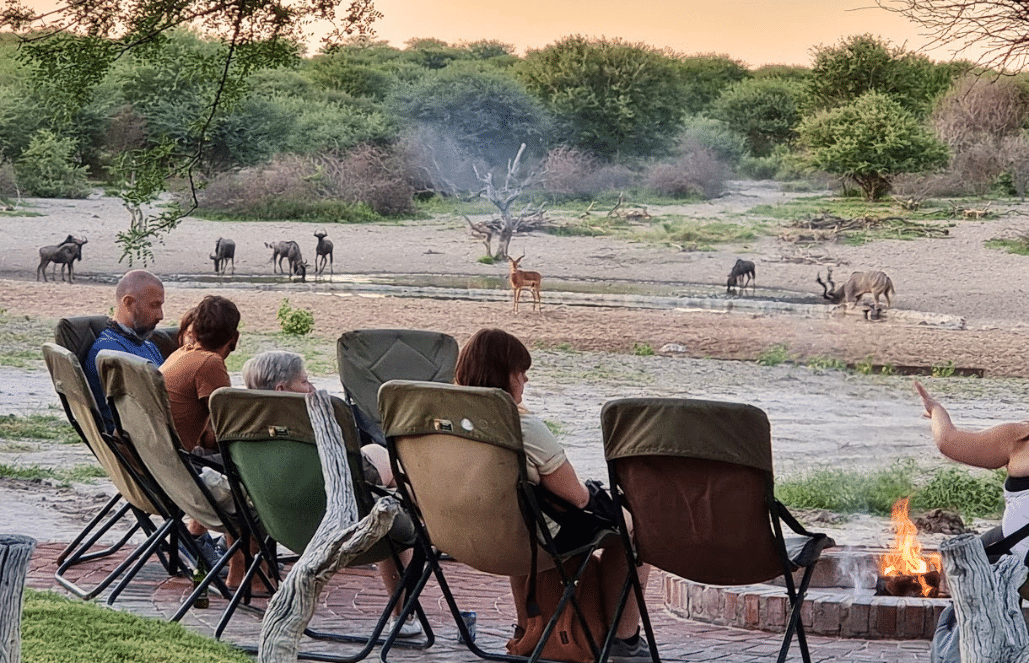
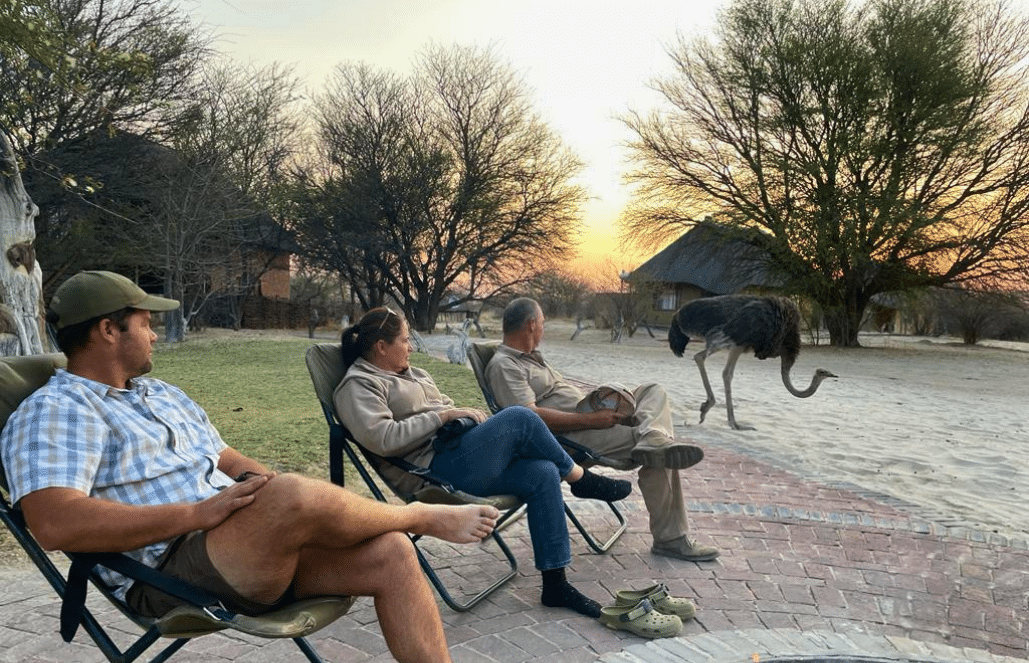
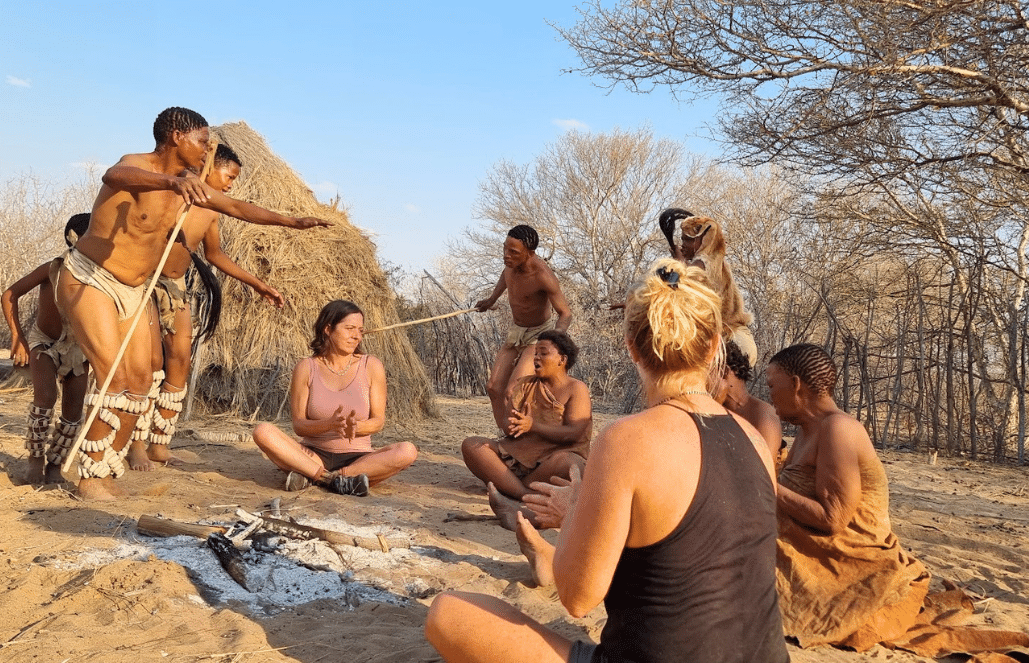
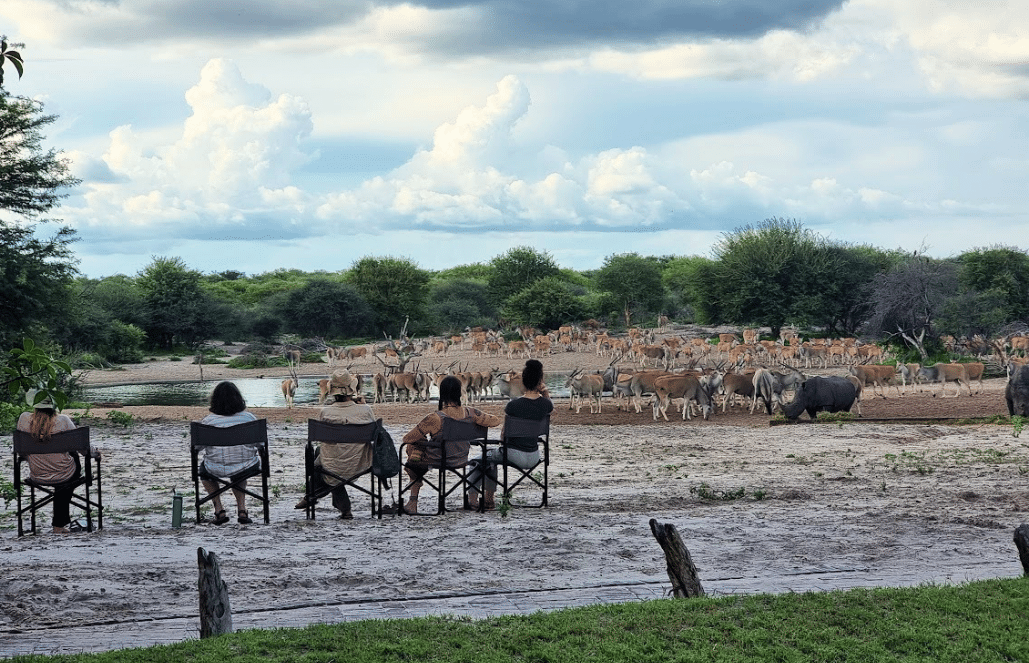
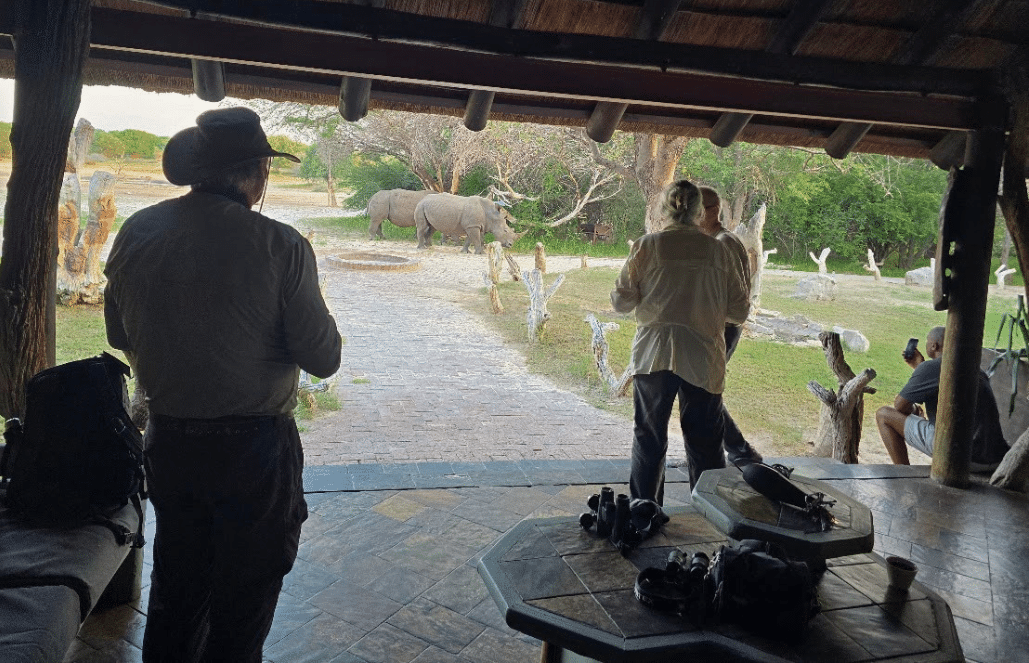
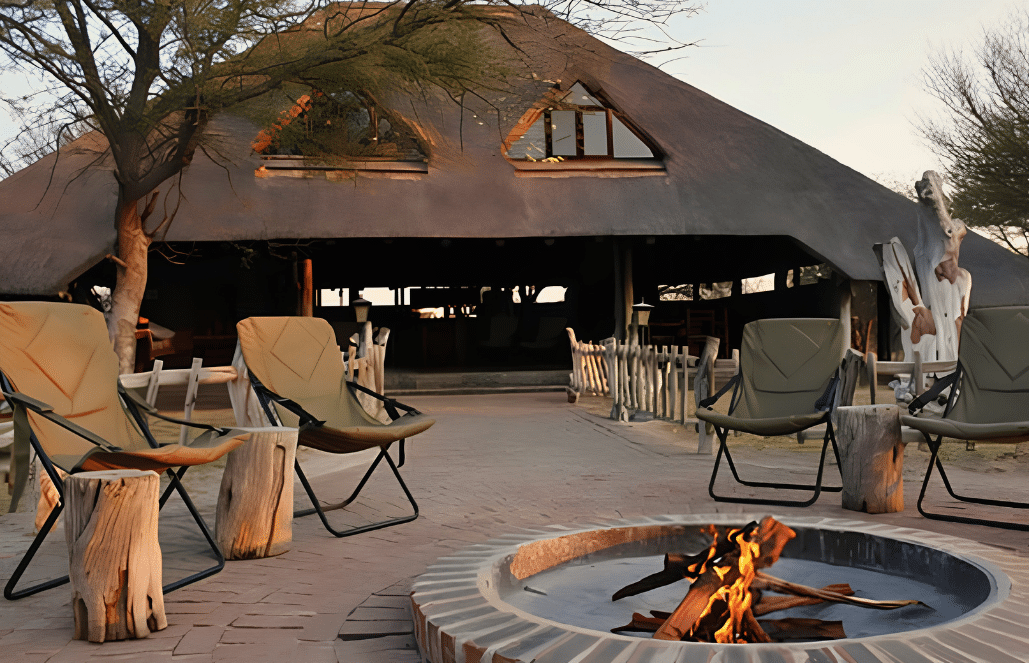
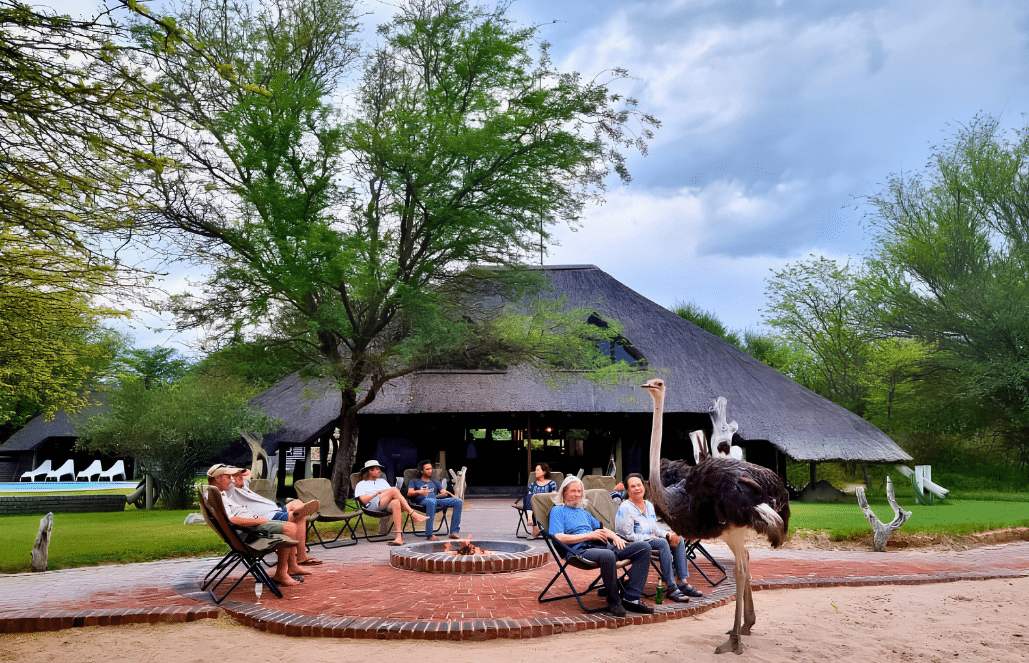
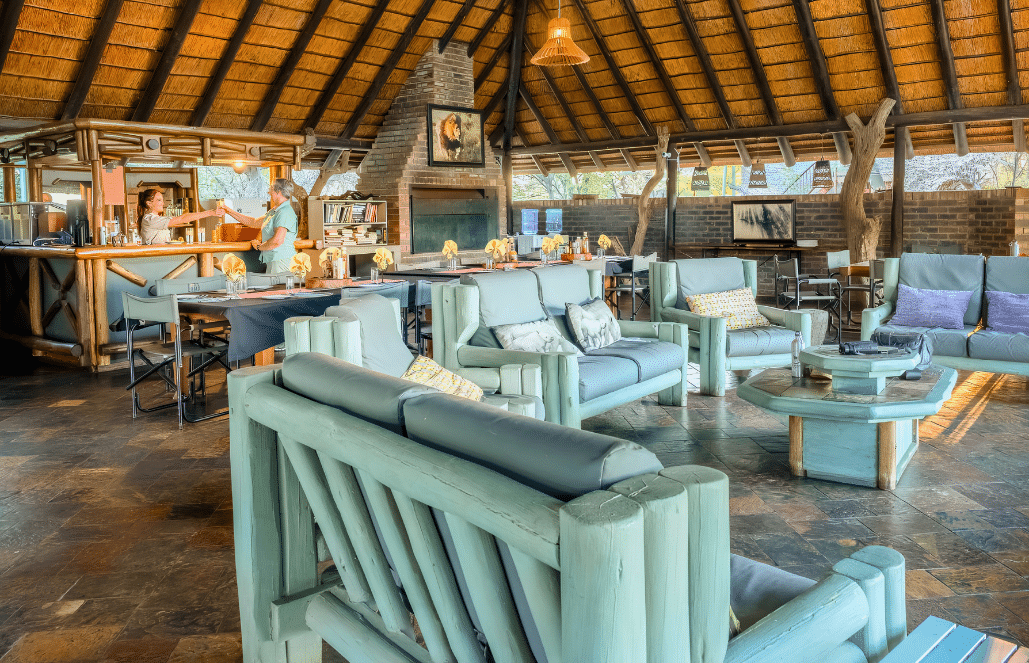
The lodge’s waterhole provides another opportunity to watch animals in their natural surroundings. Time with members of the San community introduces families to traditional tracking, fire-making, and knowledge of the Kalahari environment. The semi-arid landscape can experience significant temperature changes, with hot days and much cooler mornings and evenings.
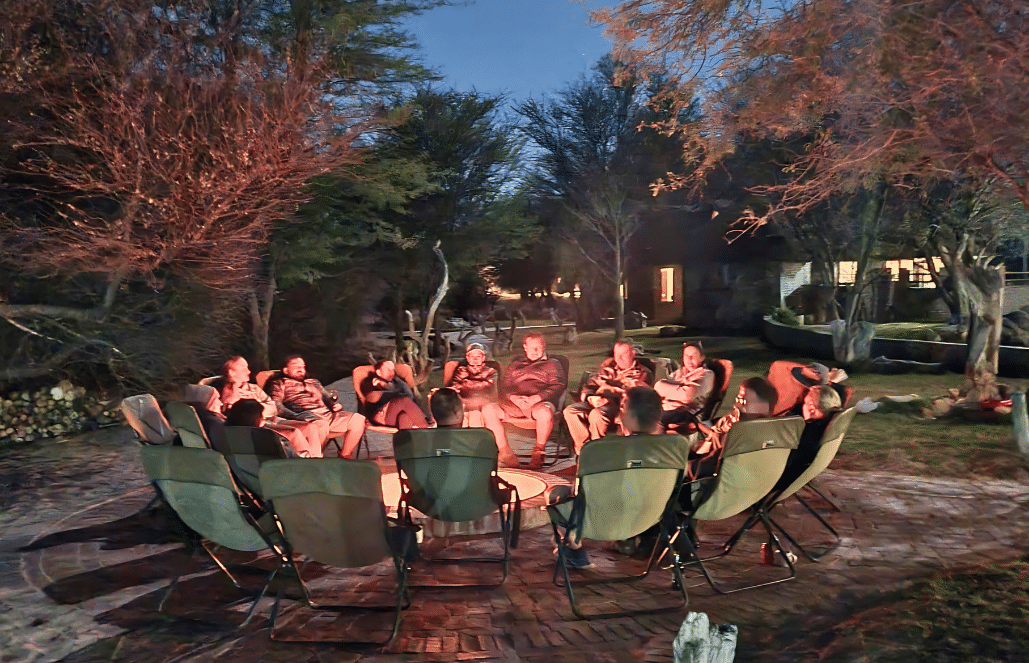
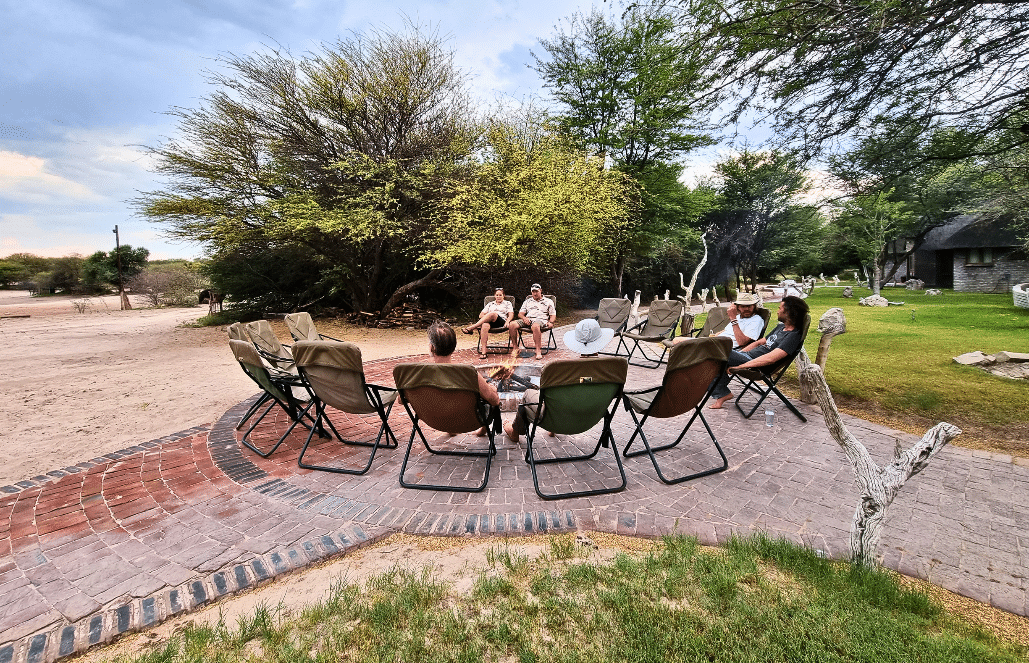
Maun International Airport is approximately five hours away by road, with a private charter-flight option also available. Families stay in comfortable lodge accommodation rather than camping, making it possible to enjoy active days outdoors while returning to private en-suite accommodation. For families traveling a long distance to Botswana, the conservation program can also be combined with an optional safari extension to explore more of the country.

About the Program
The project is based on a family-run property that has been connected to this part of the Kalahari for eight generations. Its work combines wildlife conservation, reserve management, cultural preservation, and responsible tourism, giving families an opportunity to understand how conservation forms part of the day-to-day management of a wildlife area.
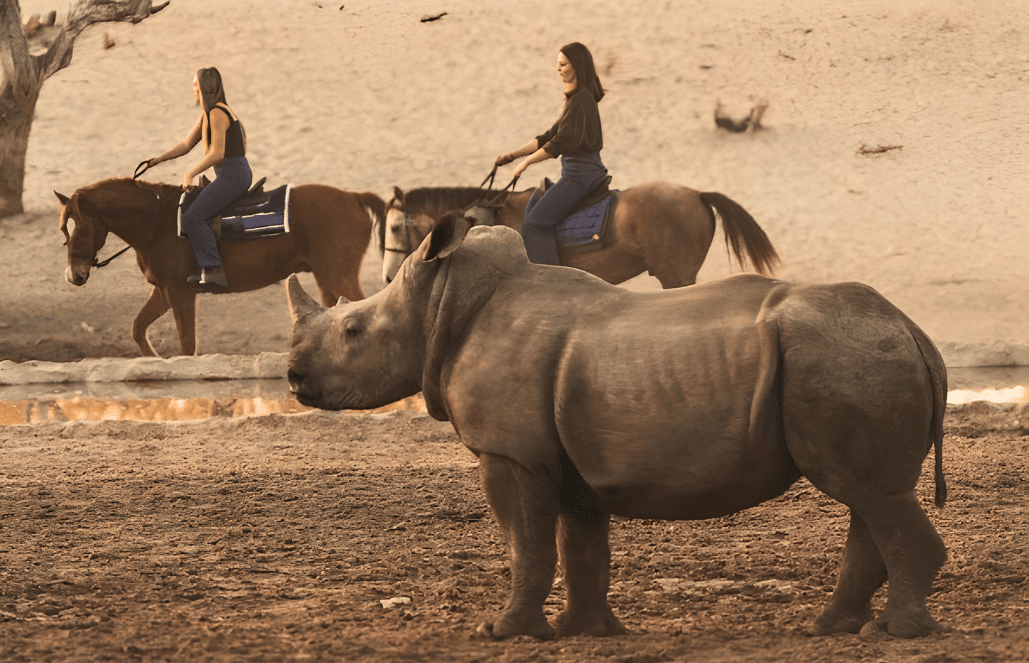
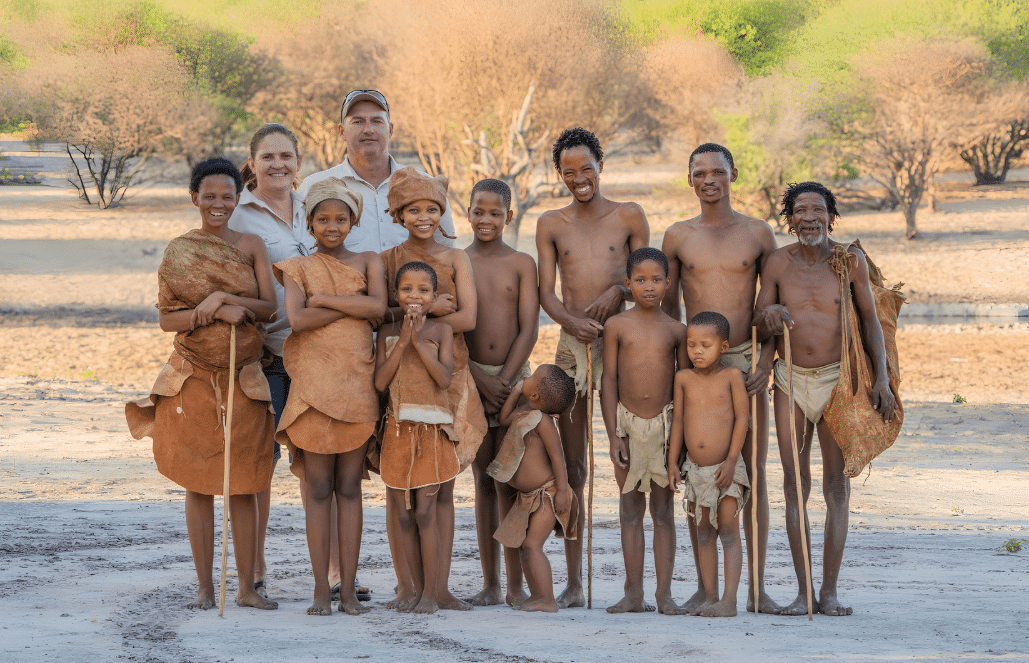
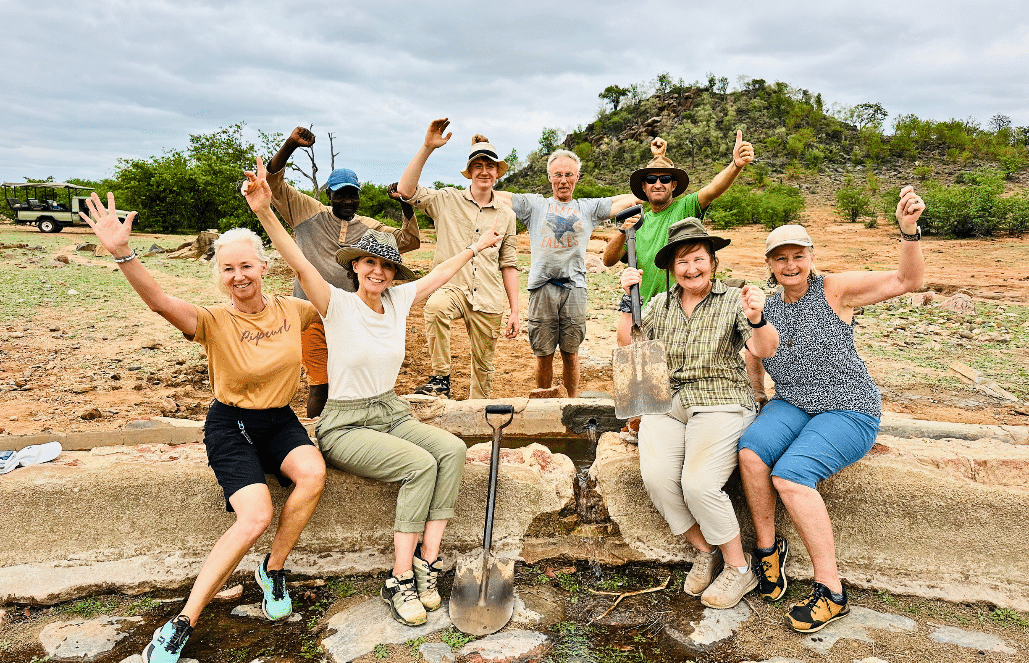
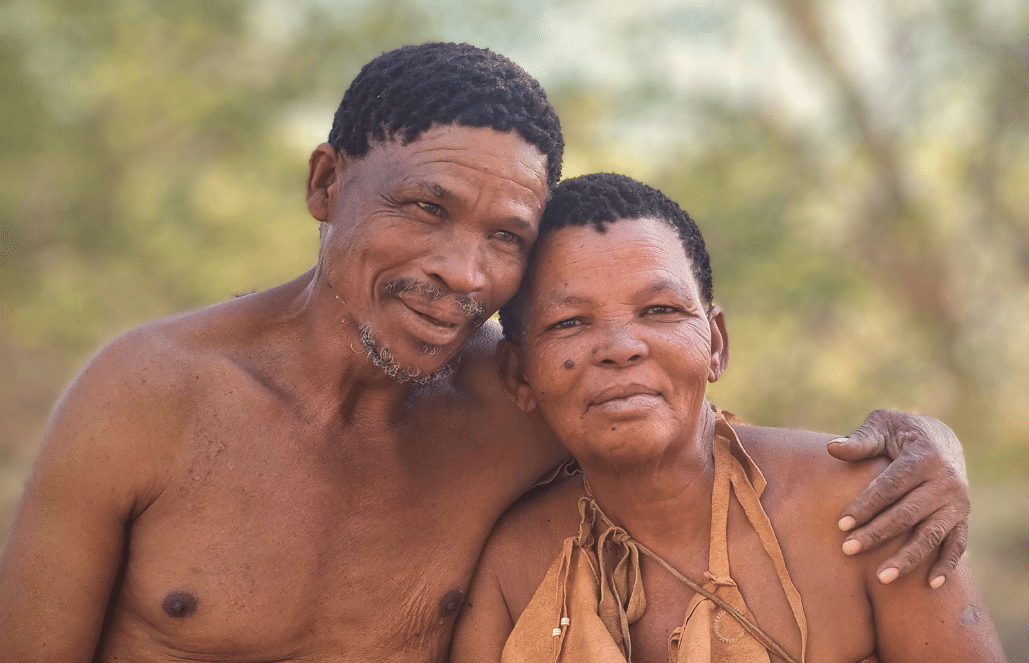
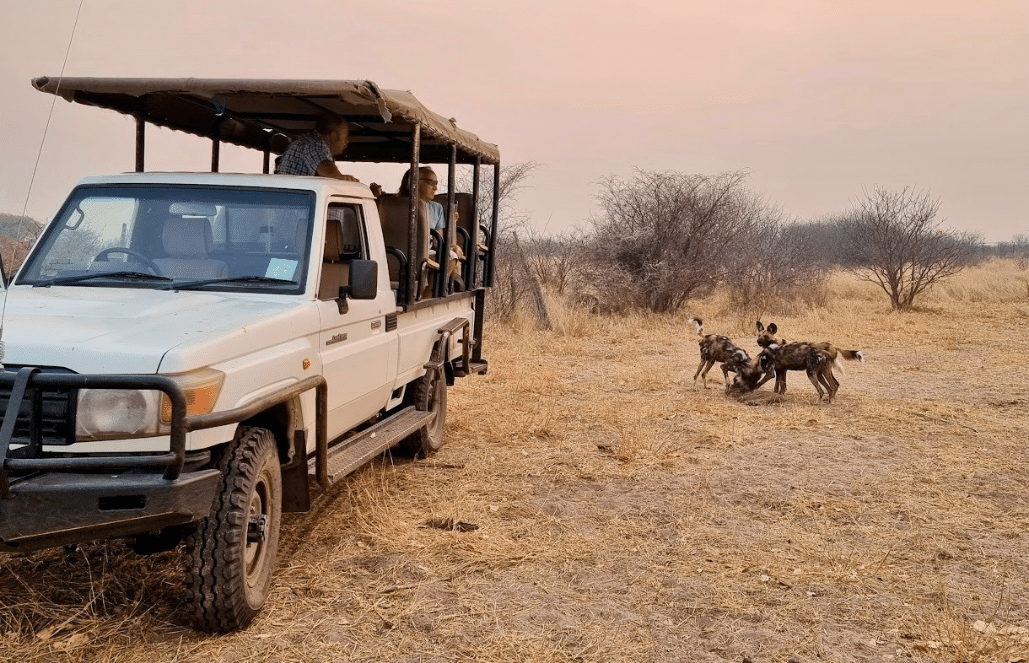
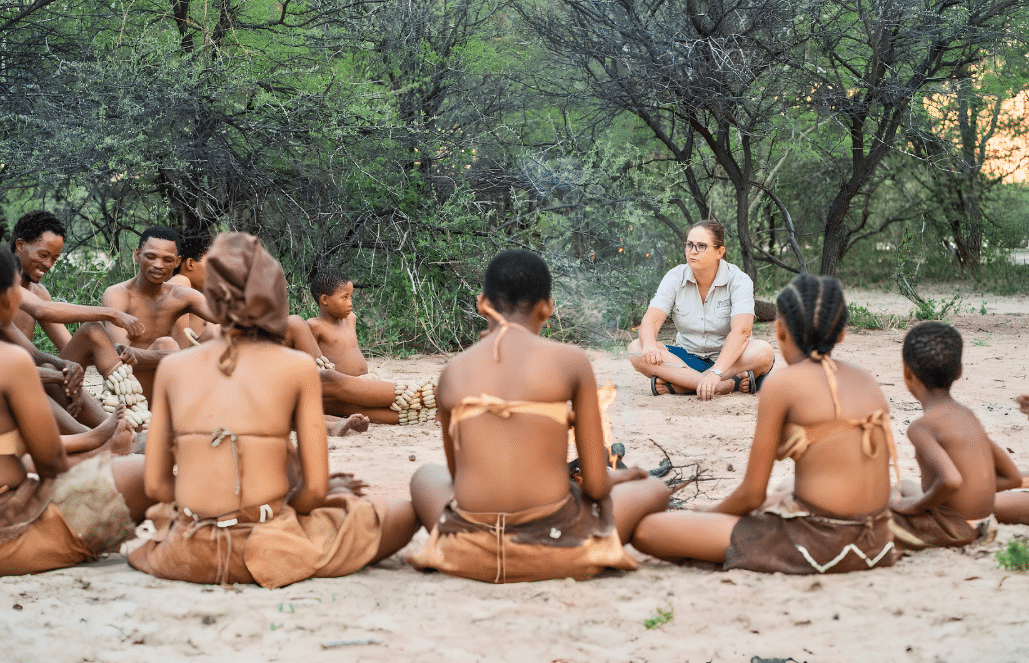
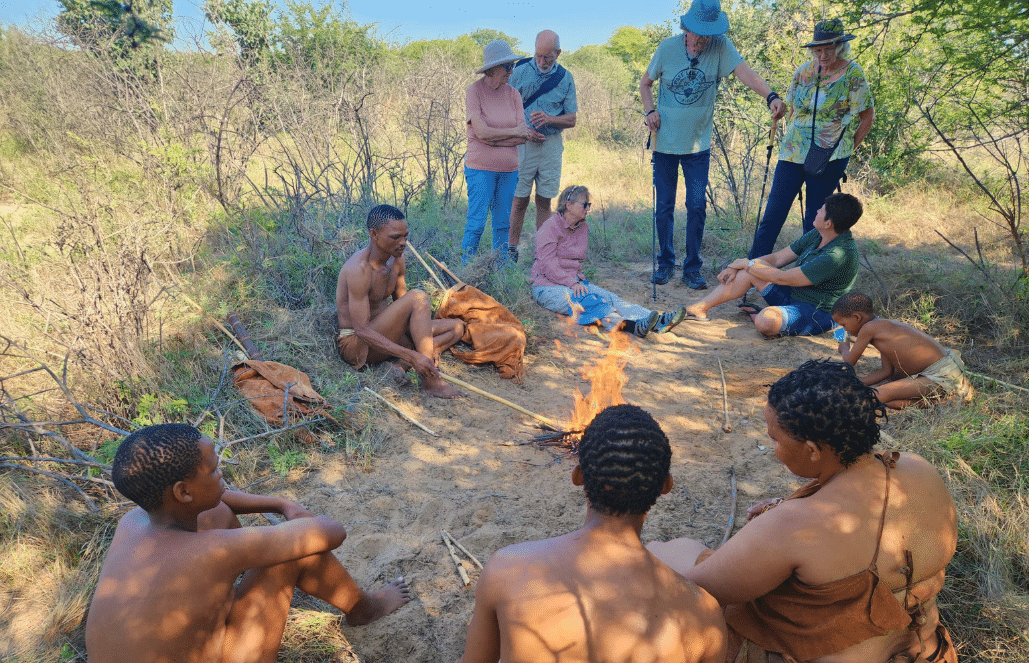
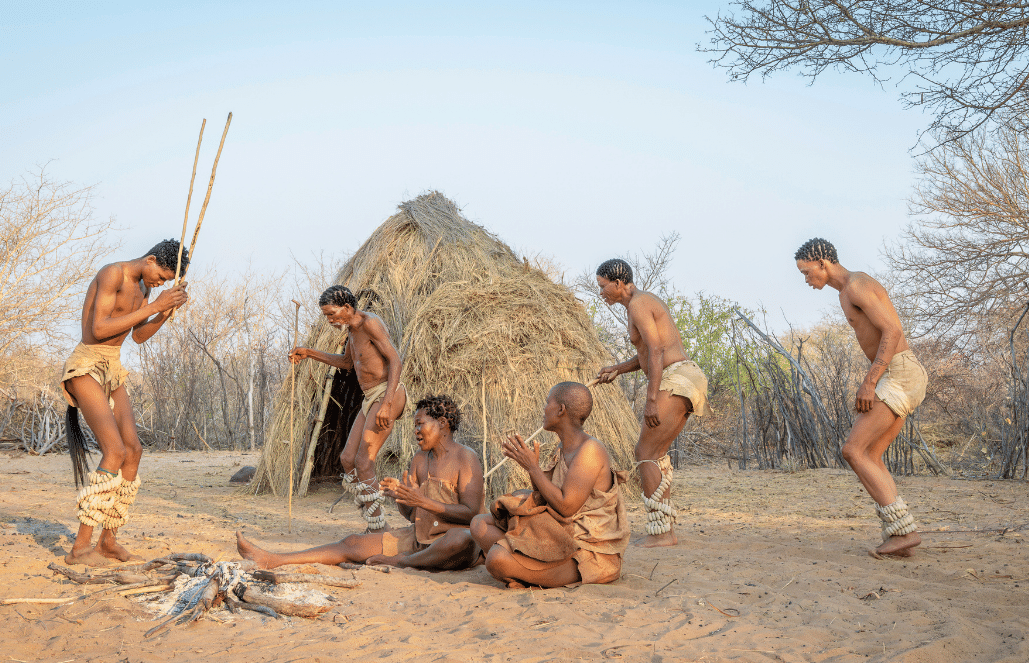
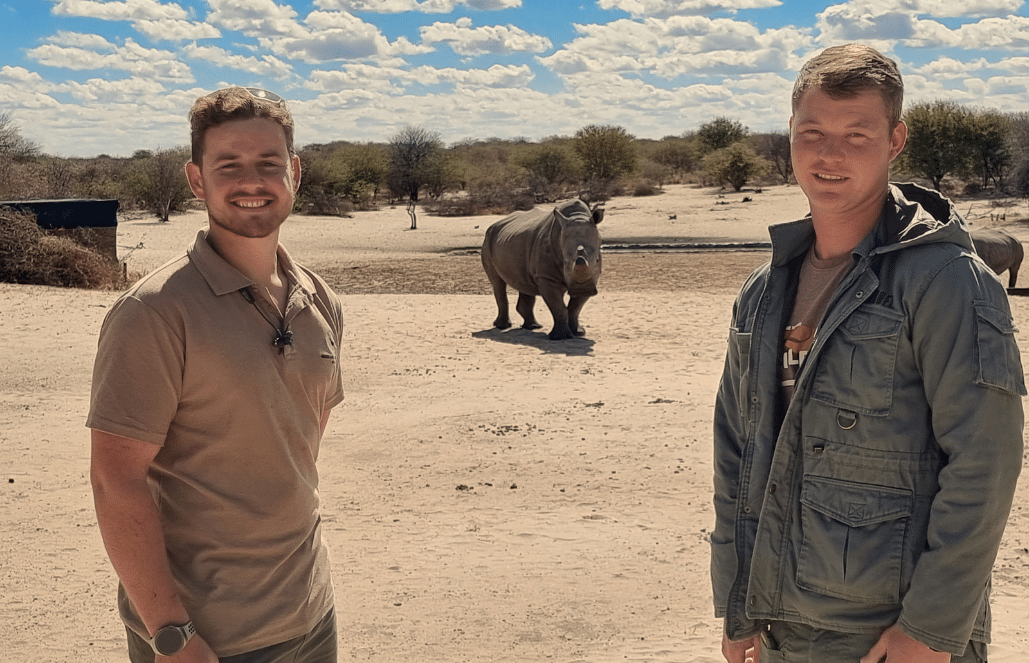
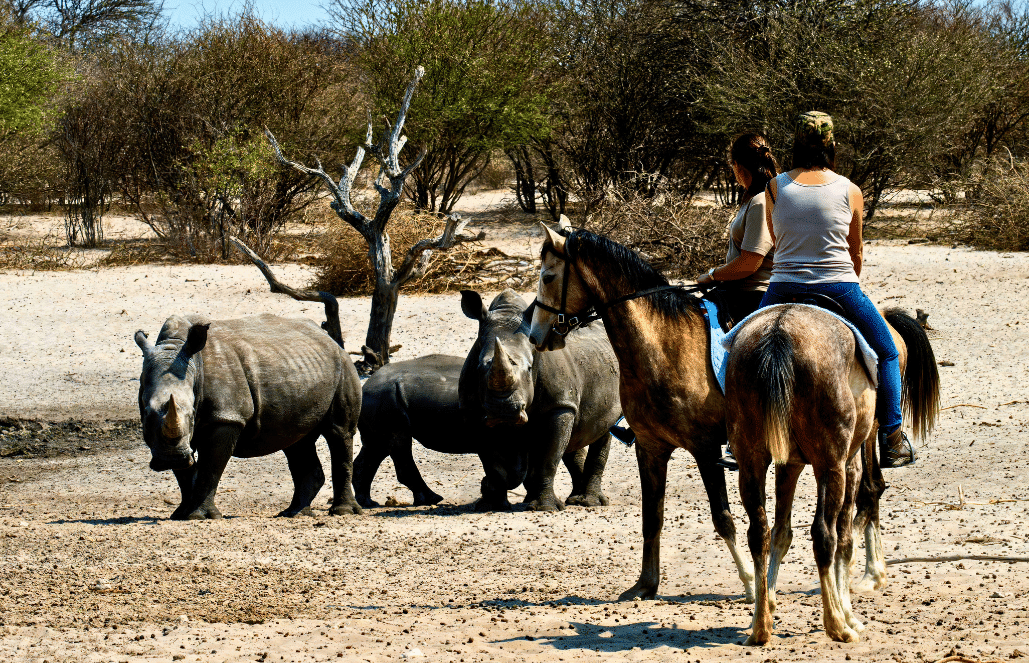
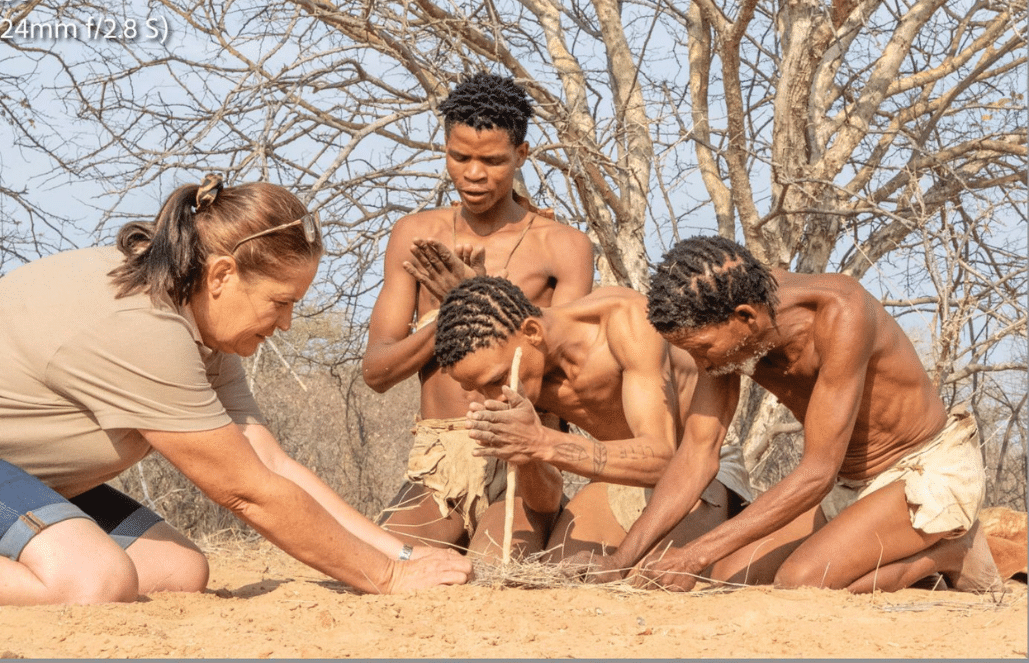
A major focus is the protection and monitoring of wildlife, particularly white rhinos and predators. Ongoing work includes rhino tracking and monitoring, camera trapping, waterhole monitoring, fence patrols, predator conservation, and maintaining areas of the reserve that wildlife depends on. The program also works with members of the San community, providing travelers the opportunity to learn about traditional tracking, survival skills, and knowledge of the Kalahari landscape. Cultural preservation is one of the project’s stated objectives, alongside wildlife conservation and responsible management of the reserve.
Family Volunteer Activities
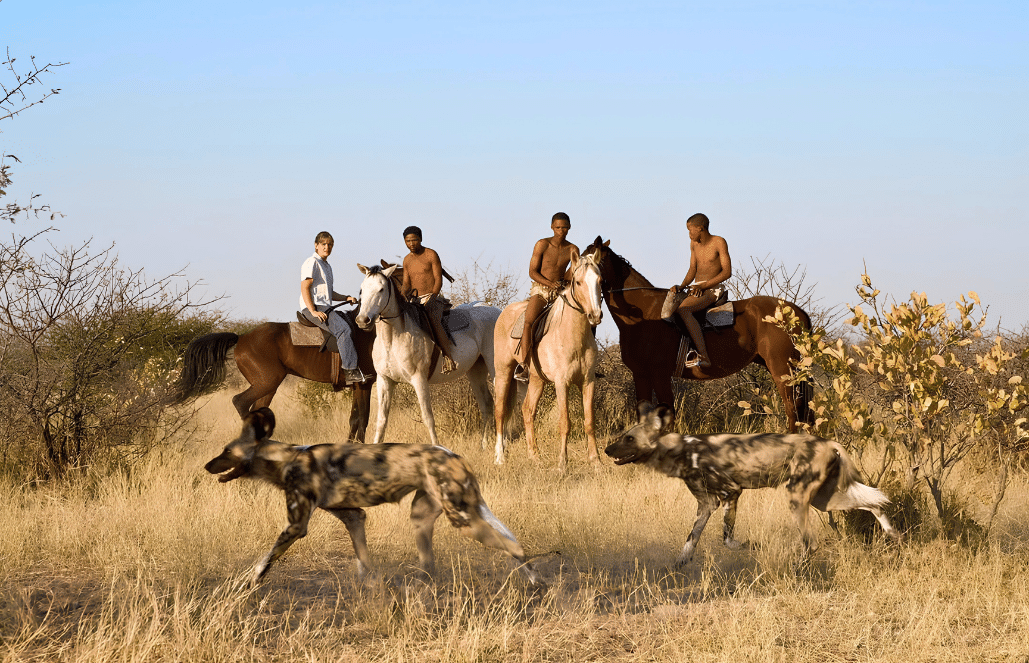
Parents and children participate together in a varied schedule of wildlife conservation and practical reserve activities. Depending on current priorities, families may monitor wildlife at waterholes, work with camera traps, join rhino patrols, inspect fences, assist with horse care, and support work around predator areas.
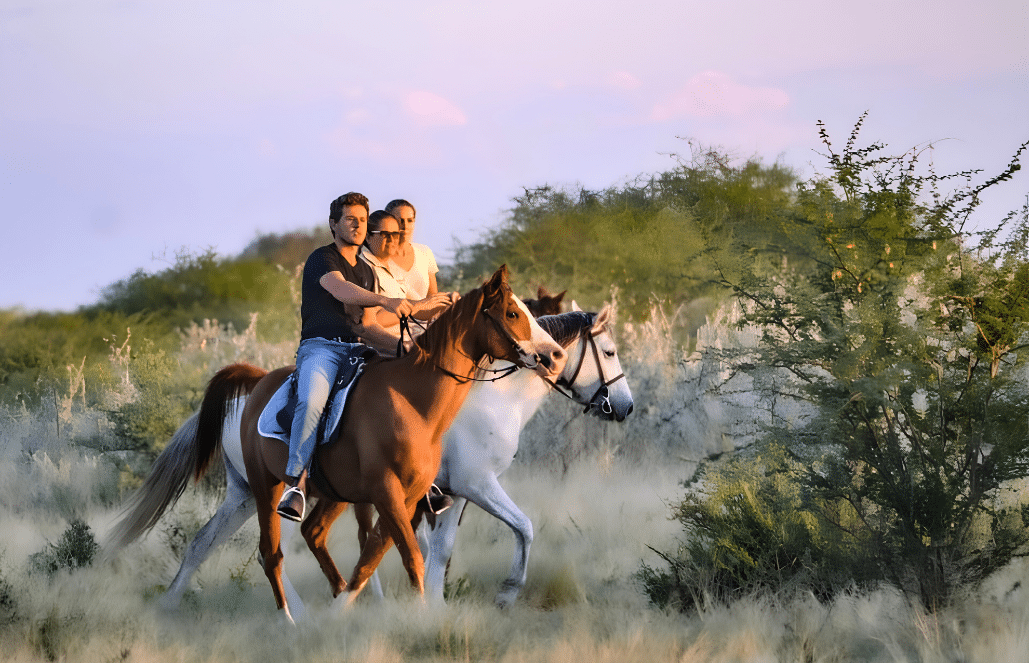
Children of all ages are welcome when traveling with their parents and can participate in almost all activities. The exception is cleaning and collecting bones inside the predator camps, when children remain in the vehicle. Horse riding is available to experienced riders aged 12 and over, while younger children and non-riders can groom the horses and participate in ground activities. Children under 12 may also be led on a horse.
Camera monitoring offers another hands-on way for the whole family to participate. Families can help set up cameras and later review the footage to identify wildlife that has moved through the reserve.
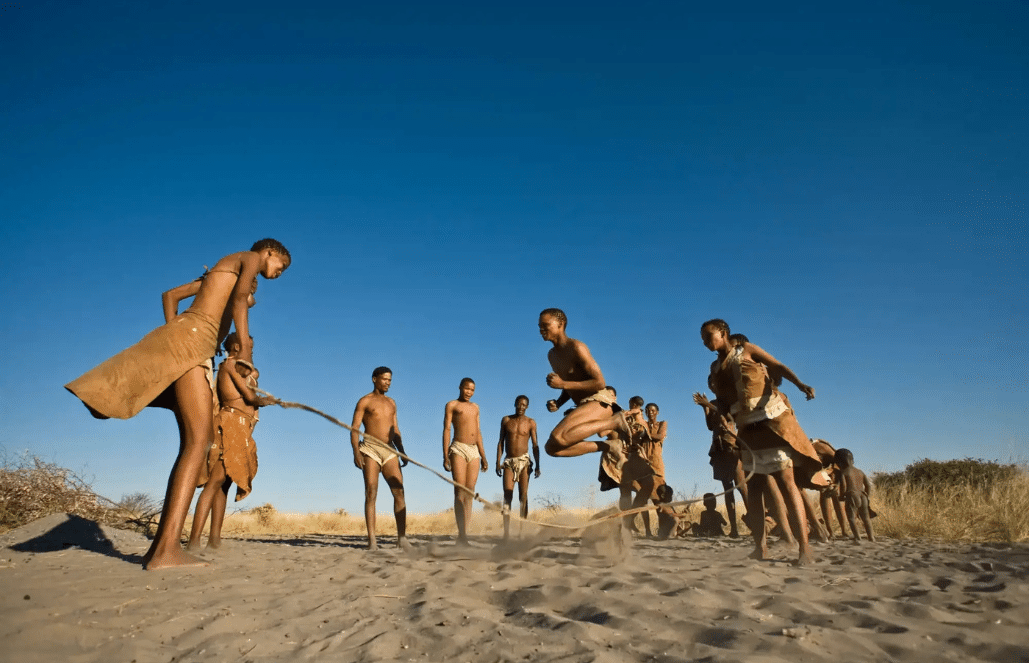
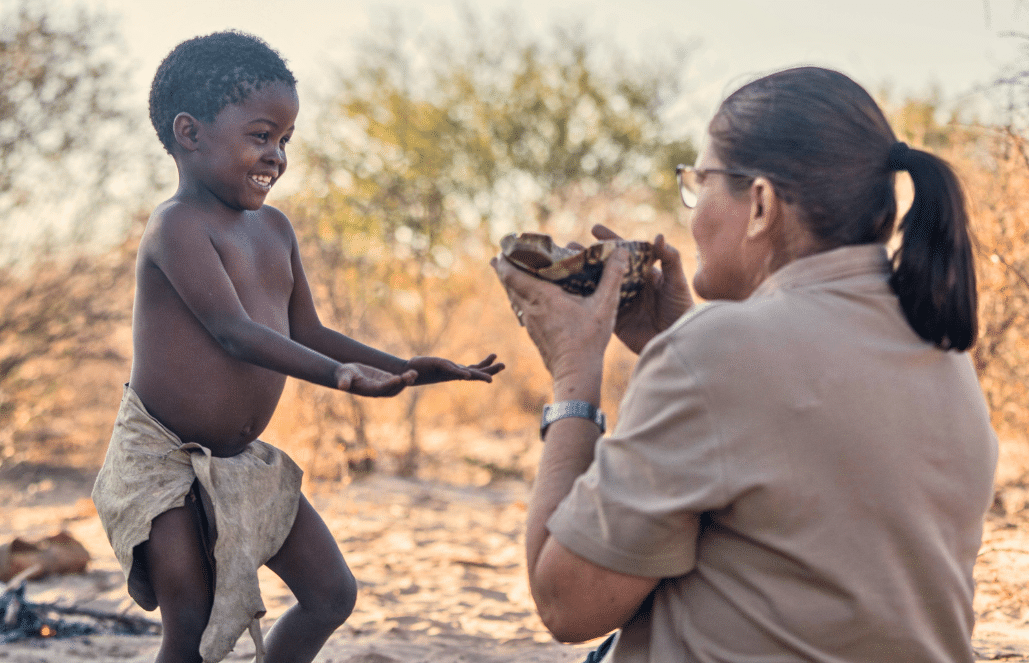
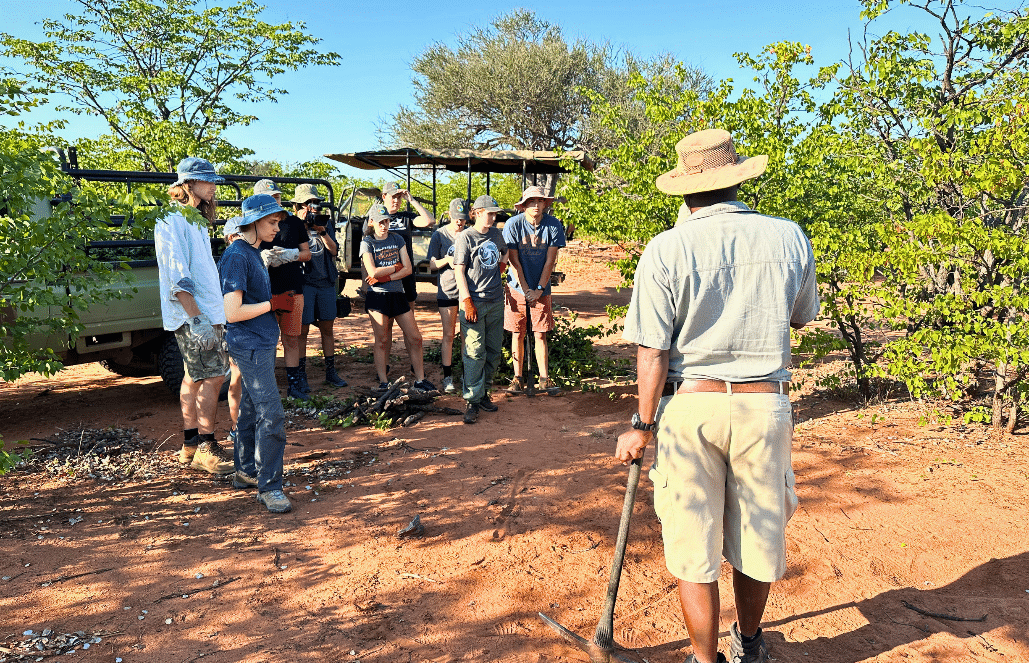
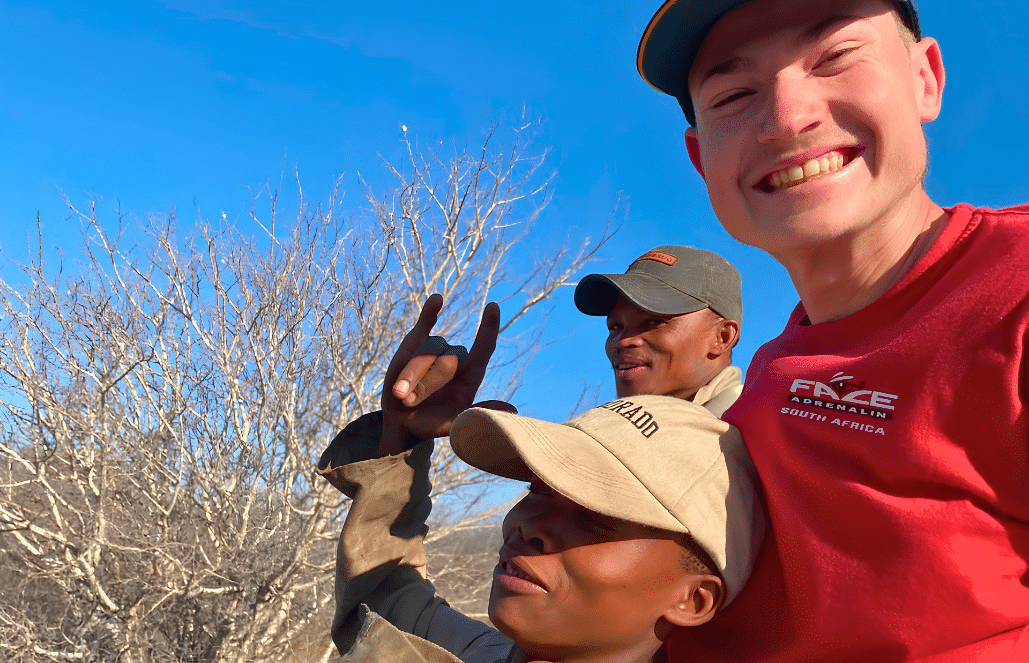
Time with members of the San community adds an important cultural element to the experience. Families can learn traditional animal tracking, fire-making, and bush skills while gaining an introduction to generations of knowledge about the Kalahari environment.
Examples of Volunteer Tasks
Families may help with:
A Typical Day for Volunteers
Days vary depending on wildlife movements and conservation priorities. A morning may begin with horse care or supplementary rhino feeding before heading into the reserve for rhino tracking, waterhole monitoring, fence inspections, or camera-trap work. Other days may include cultural activities with the San community or work around the predator areas. Families return to the lodge between activities and have time to relax together after the day’s conservation work.
Important Note: This itinerary is intended as a general example. Activities may vary based on wildlife movements, weather conditions, conservation priorities, seasonal requirements, and lodge operations. Volunteers staying longer than one week will continue participating in a rotating schedule of conservation, wildlife monitoring, cultural, and safari support activities.


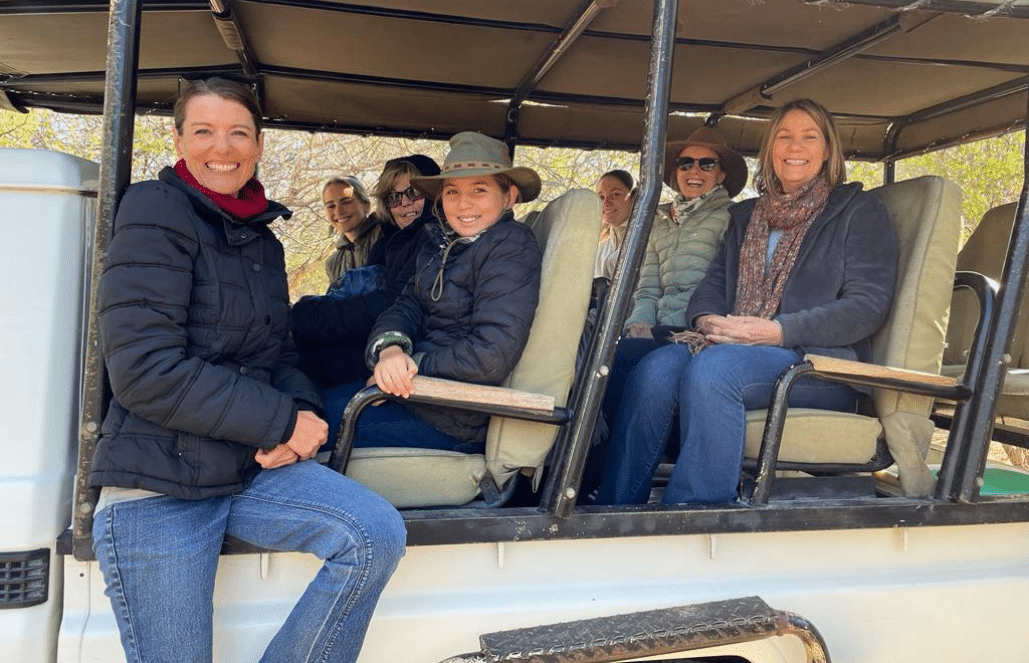
Botswana is one of Africa’s best-known wildlife destinations, making this conservation program easy to combine with a wider family safari. During the program, families can enjoy wildlife viewing around the reserve and at the lodge’s waterhole, in addition to the animals encountered through conservation activities. A free day provides time for included activities such as a game drive, horse-related activities, wildlife watching, or simply relaxing together at the lodge.
After returning to Maun, families can extend their stay with a range of safari options available for an additional fee. Explore the waterways and wildlife of the Okavango Delta, combine the Delta with the Khwai region, or visit the distinctive landscapes of the Makgadikgadi Pans. Families can also add Chobe for river-based wildlife viewing or continue to Victoria Falls.
Available extensions include the San Pans & Serene Delta Adventure, Essential Okavango Safari Experience, Greater Okavango Safari Adventure, Okavango & Khwai Safari Expedition, Essential Makgadikgadi Pans Safari, Chobe River & Wildlife Extension, Victoria Falls Discovery Extension, and the Classic Safari Escape from Maun to Victoria Falls. These extensions make it possible to combine hands-on conservation with a more traditional Botswana safari without requiring families to spend longer at the volunteer project itself.
Okavango Safari Extension: Complete your Botswana experience with an optional two-night safari in the Greater Okavango, one of the country’s most celebrated wildlife regions. Stay in a comfortable en-suite tented camp and enjoy game drives, abundant wildlife viewing, and seasonal mokoro or boat excursions through the Delta’s waterways. Meals and return transfers from Maun are included. See Add-Ons below for additional fees.

