


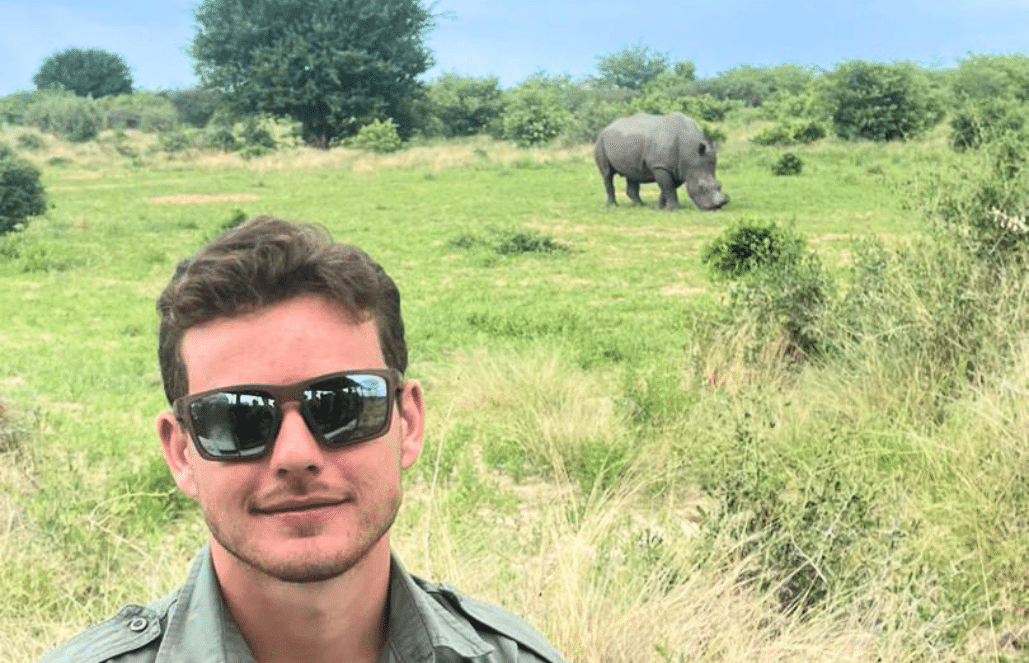
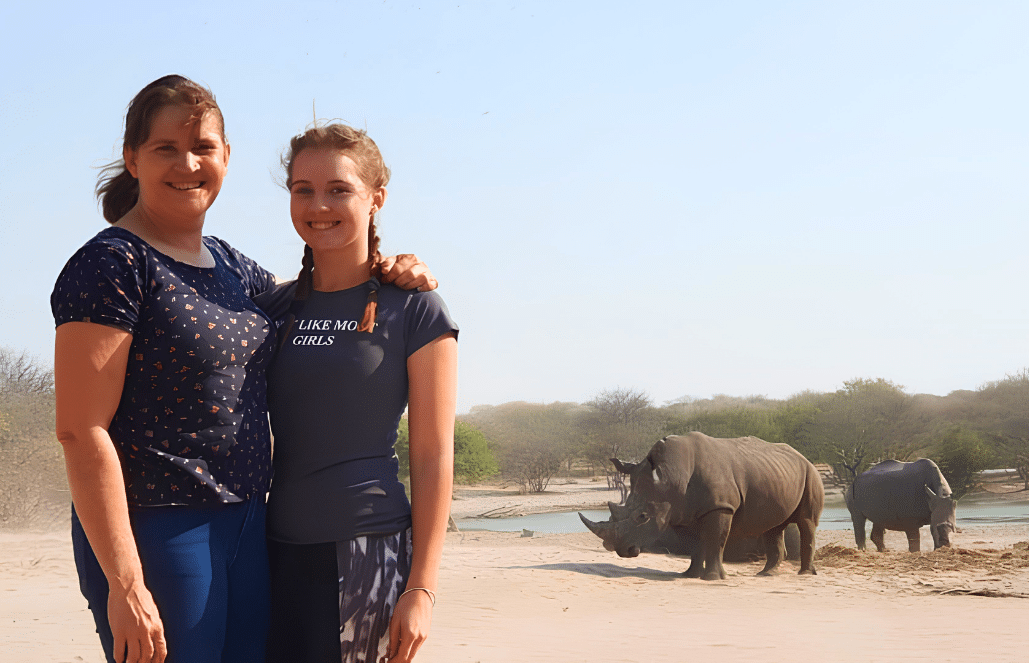
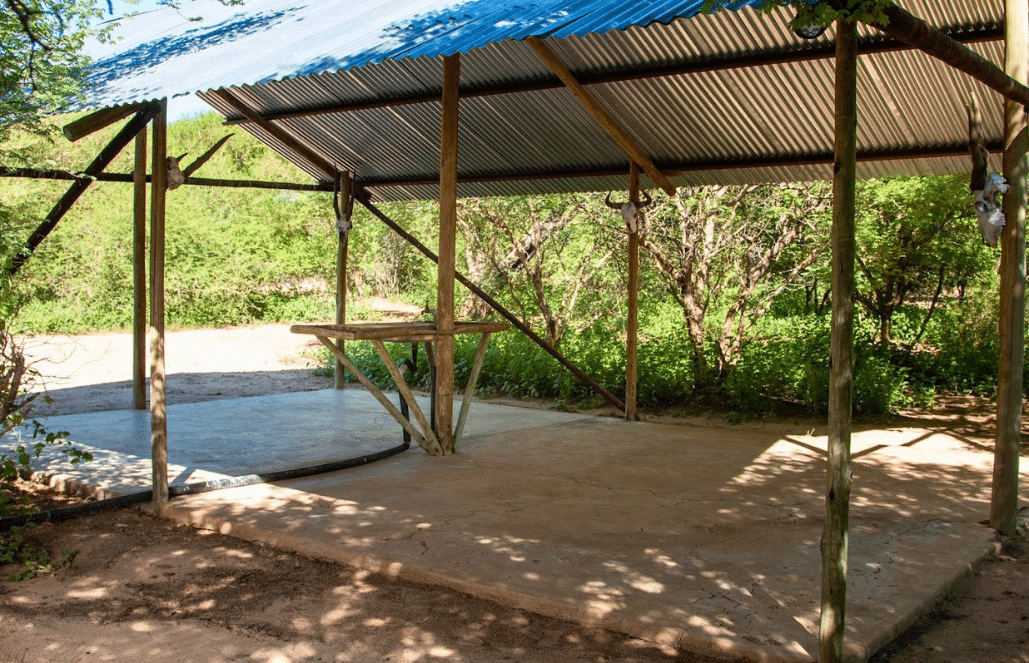
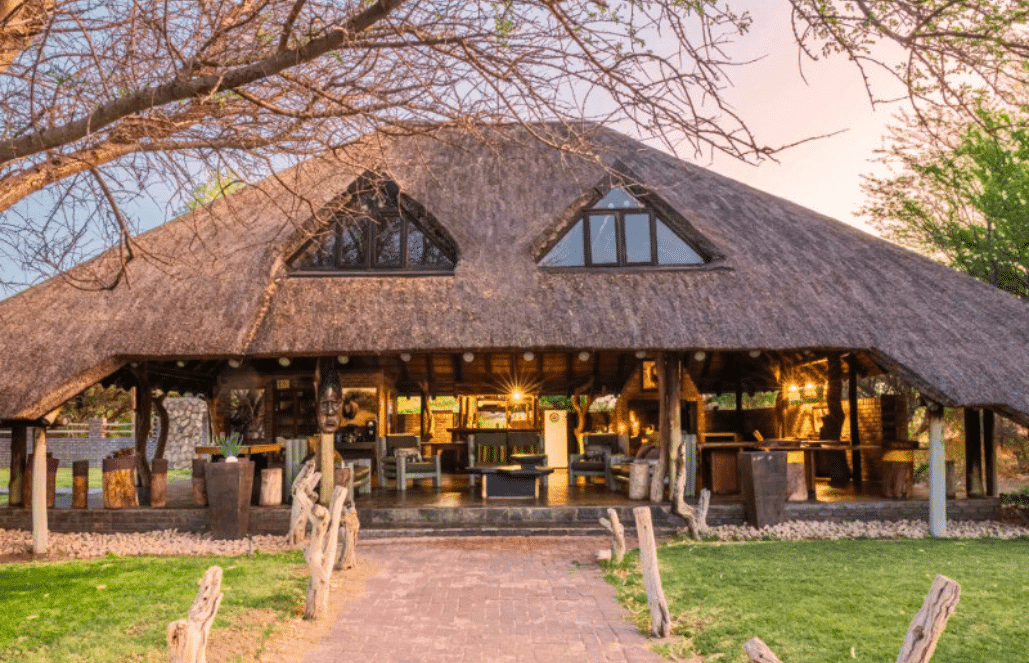
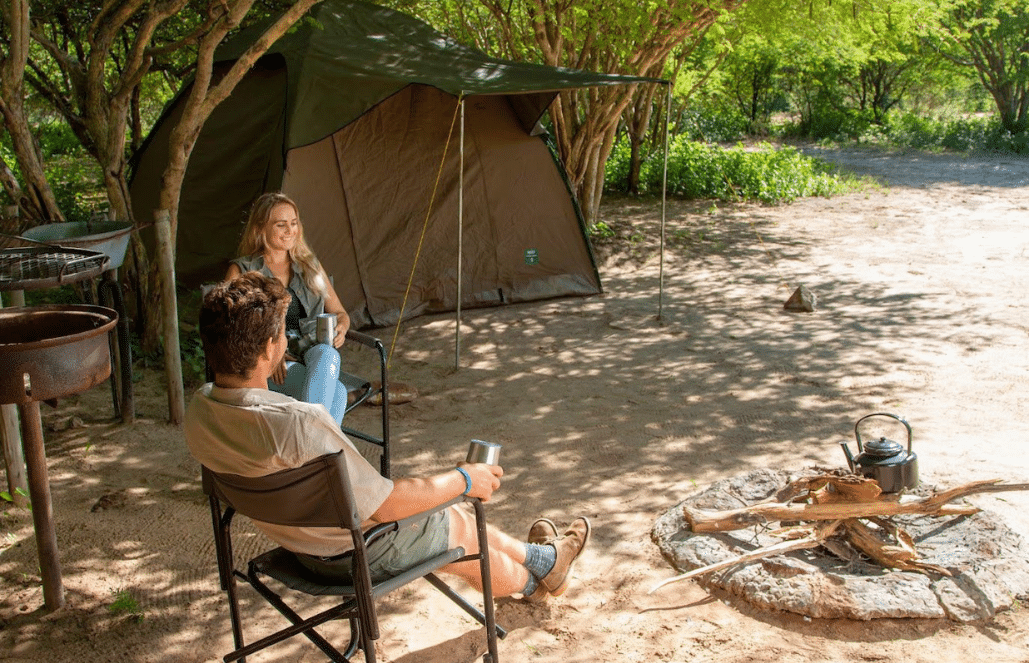
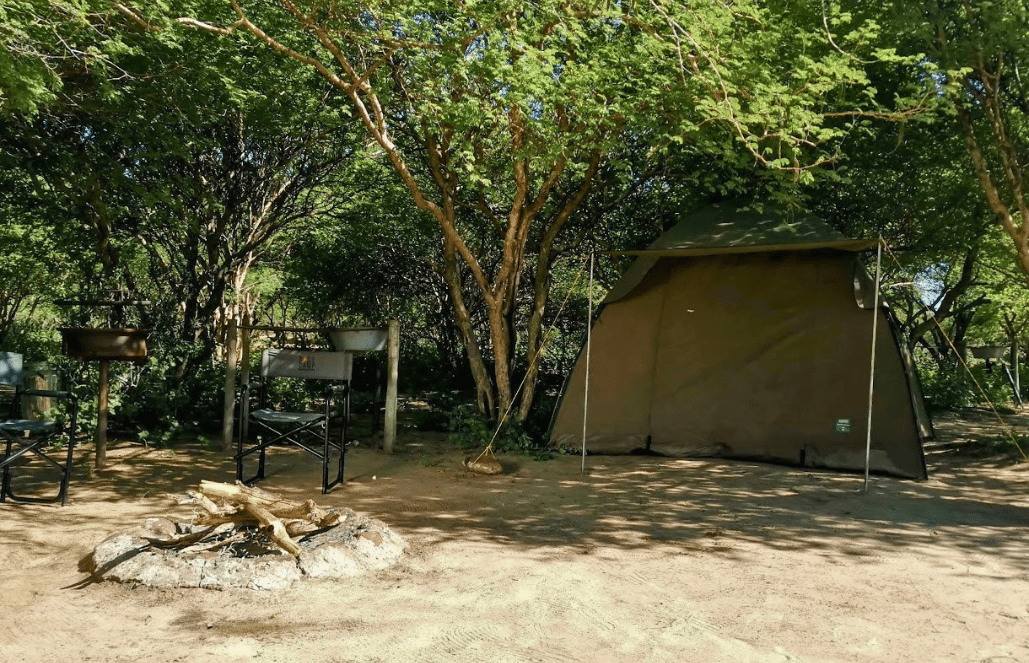

Join a wildlife conservation expedition in Botswana’s Central Kalahari, one of Africa’s largest wilderness regions. Run by a local family with generations of experience living and working in the Kalahari, the project combines wildlife conservation with a strong commitment to preserving the cultural heritage of the local San Bushmen community. Volunteers assist with wildlife monitoring, rhino tracking, predator conservation, and safari operations while learning from local conservationists and San Bushmen guides whose culture has been shaped by the Kalahari for thousands of years.
Program Highlights:
Your Schedule at a Glance (Minimum one-week commitment):
Monday, day 1: Arrival Day – Welcome to the Kalahari
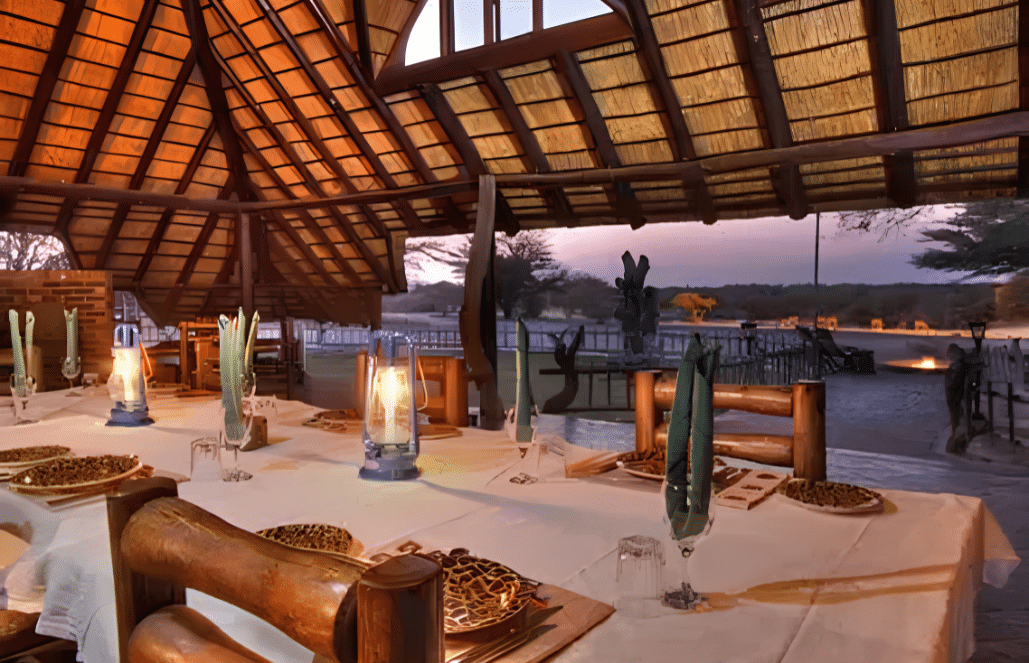
Arrive at Maun International Airport and travel approximately five hours by road to the conservation area. Meet the team, settle into camp, and attend safety and cultural orientation sessions before a welcome dinner.
Tuesday, day 2: Orientation & Training
Learn about wildlife safety, conservation procedures, predator management, and respectful cultural interaction with the local San community. Volunteers are introduced to horse care, camera traps, rhino monitoring, and wildlife observation techniques.
Wednesday to Saturday: Conservation Work & Cultural Activities
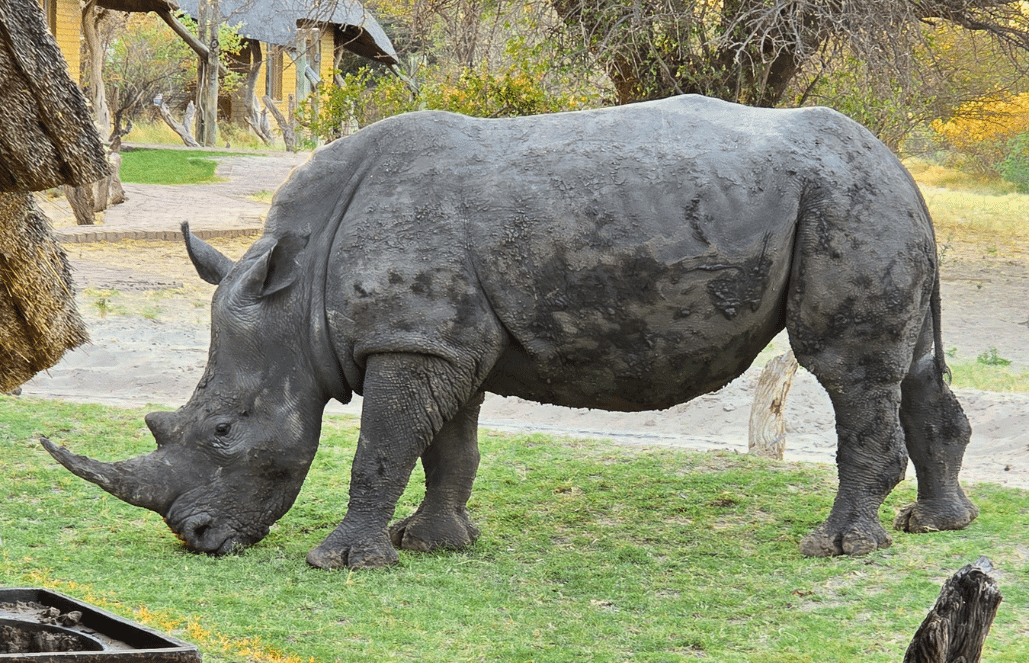
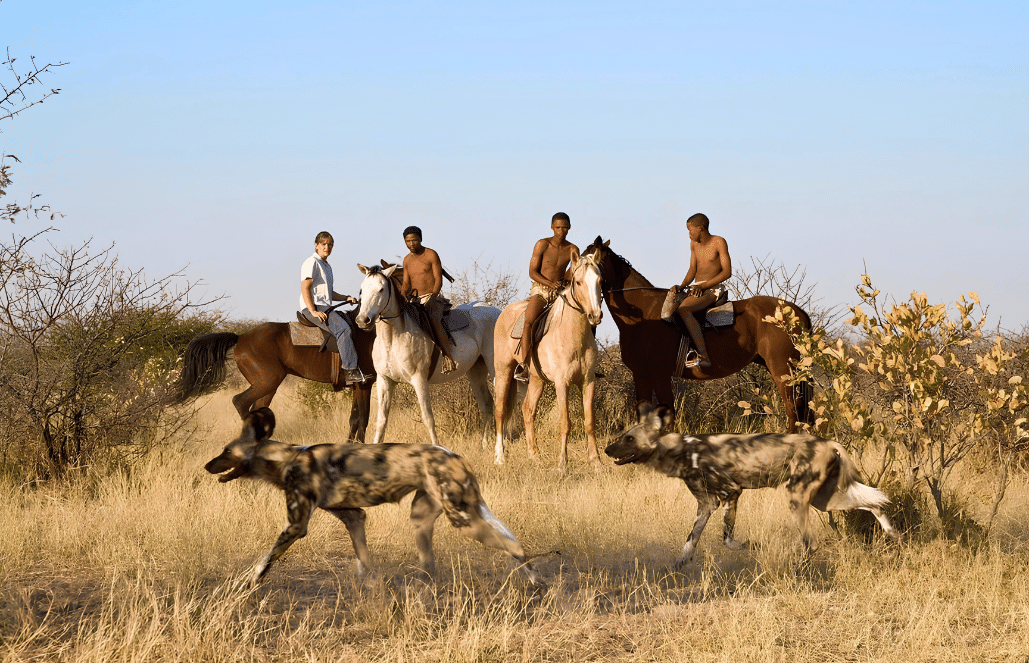
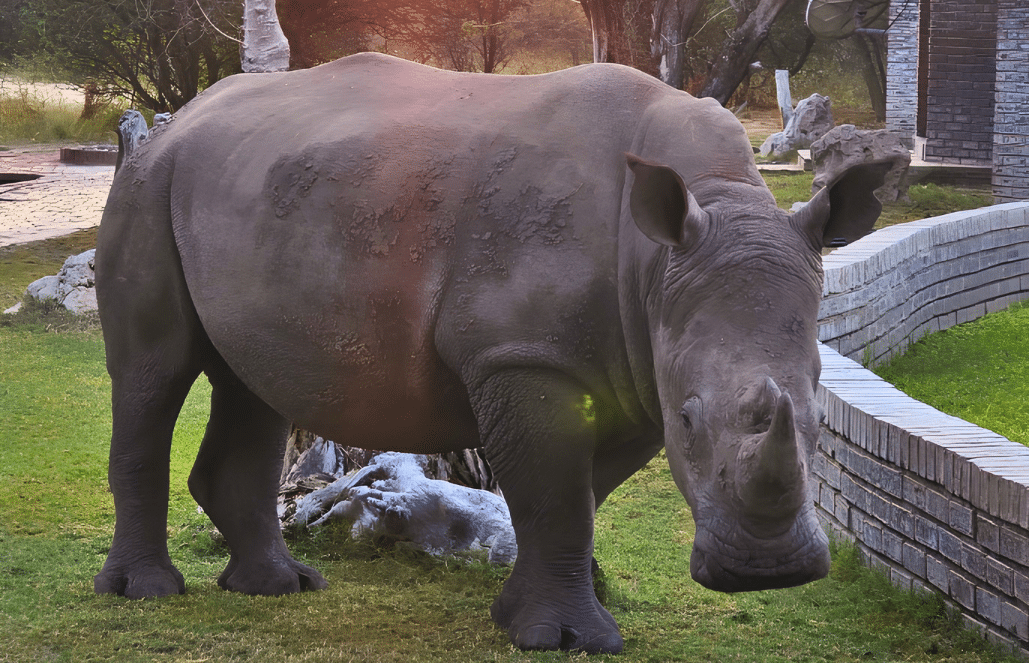
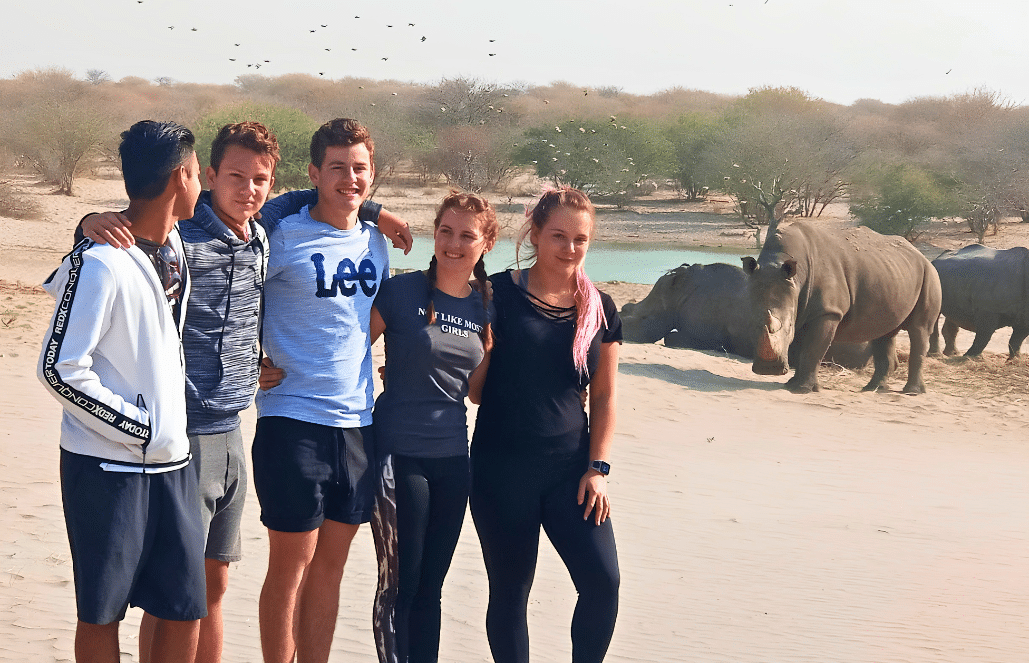
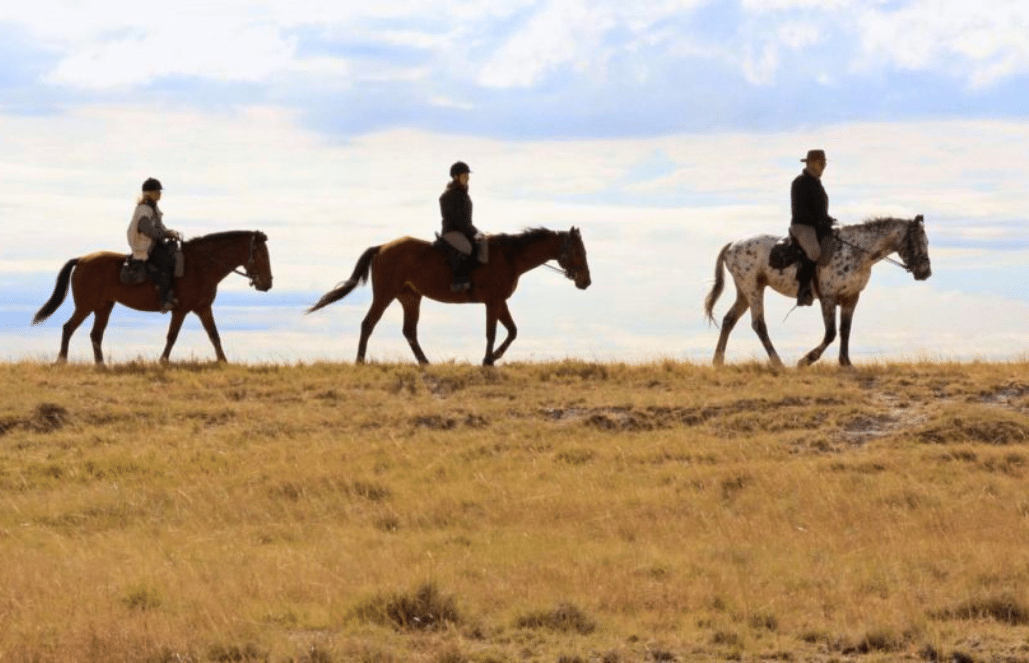
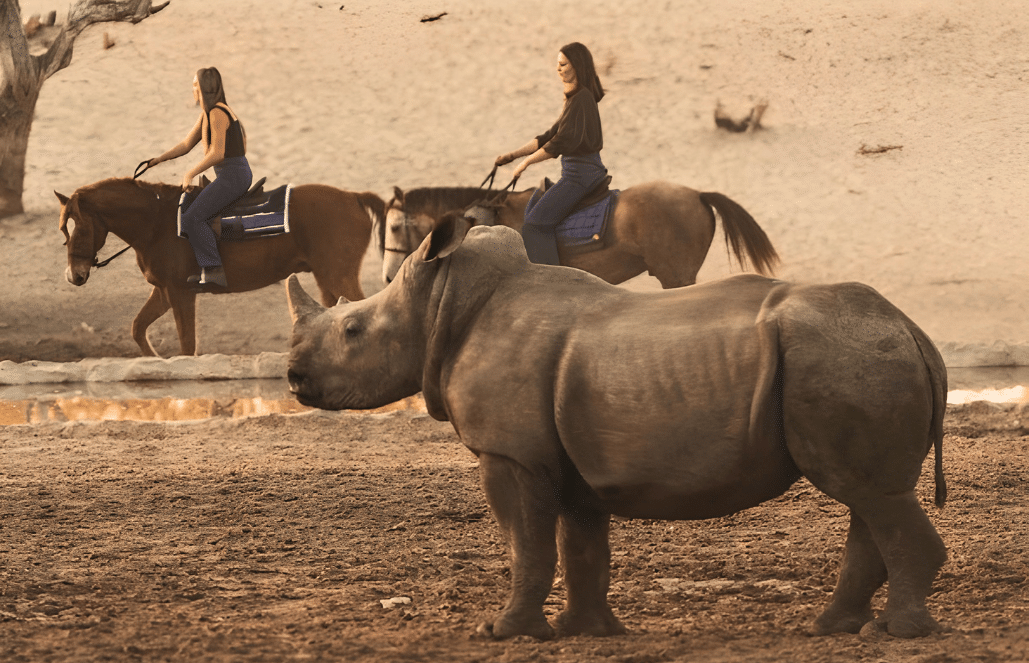
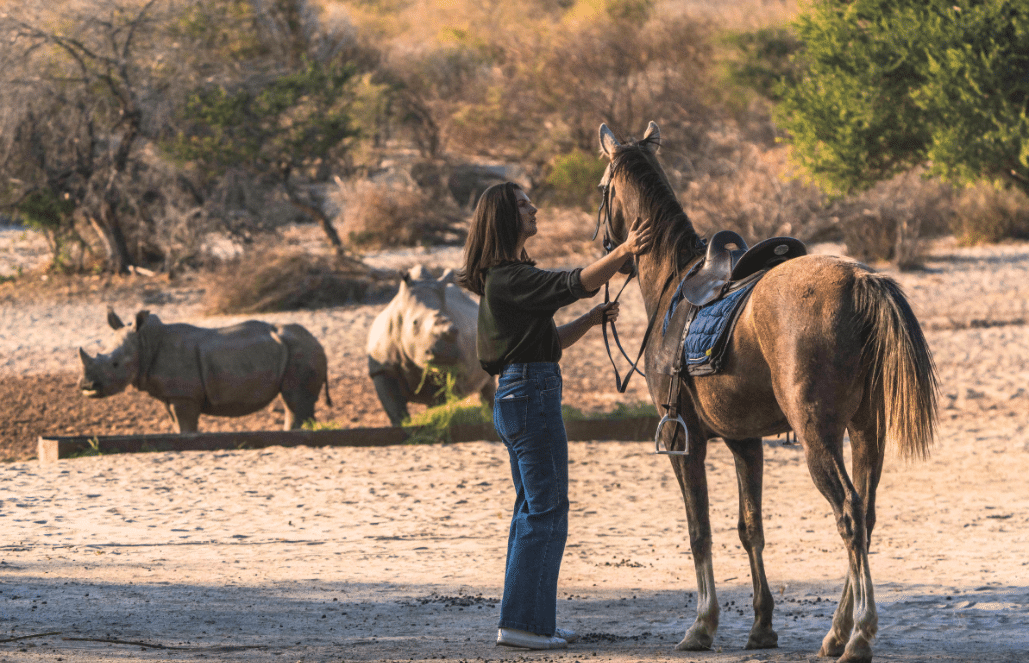
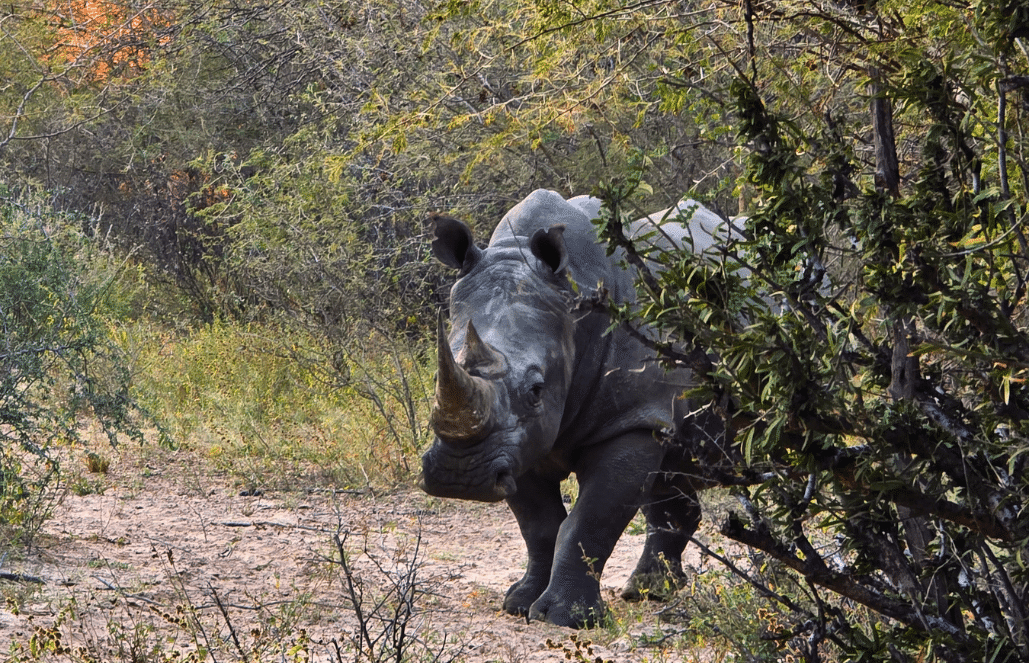
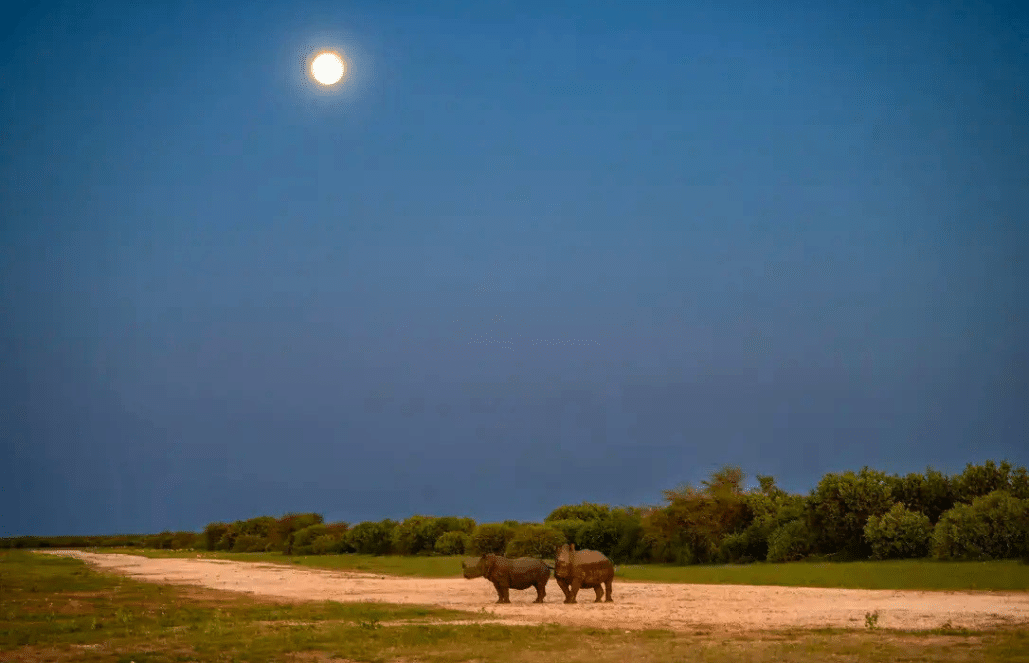
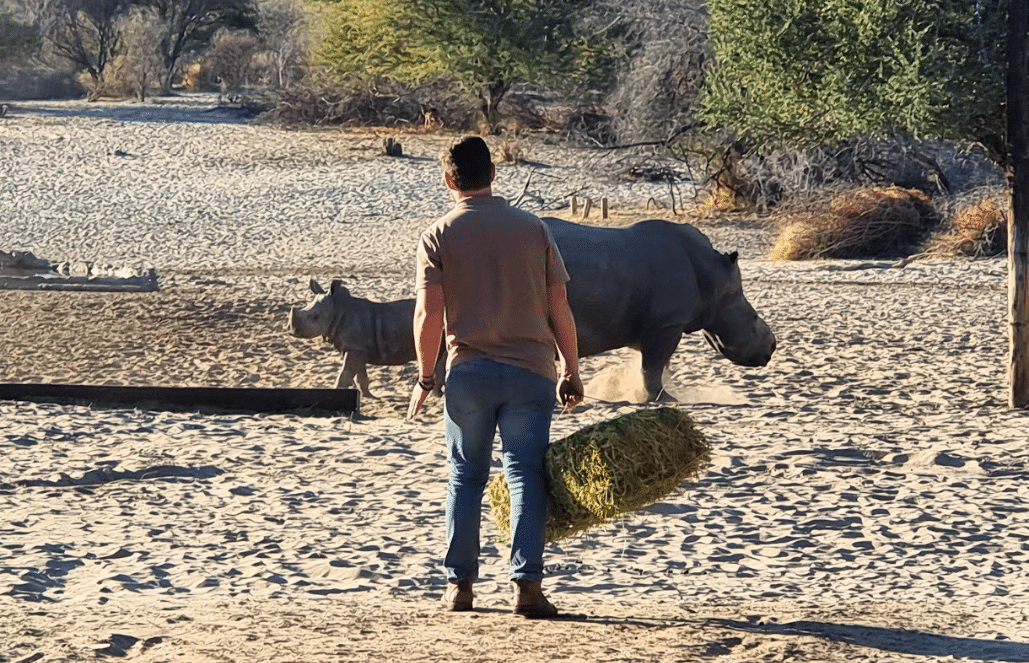
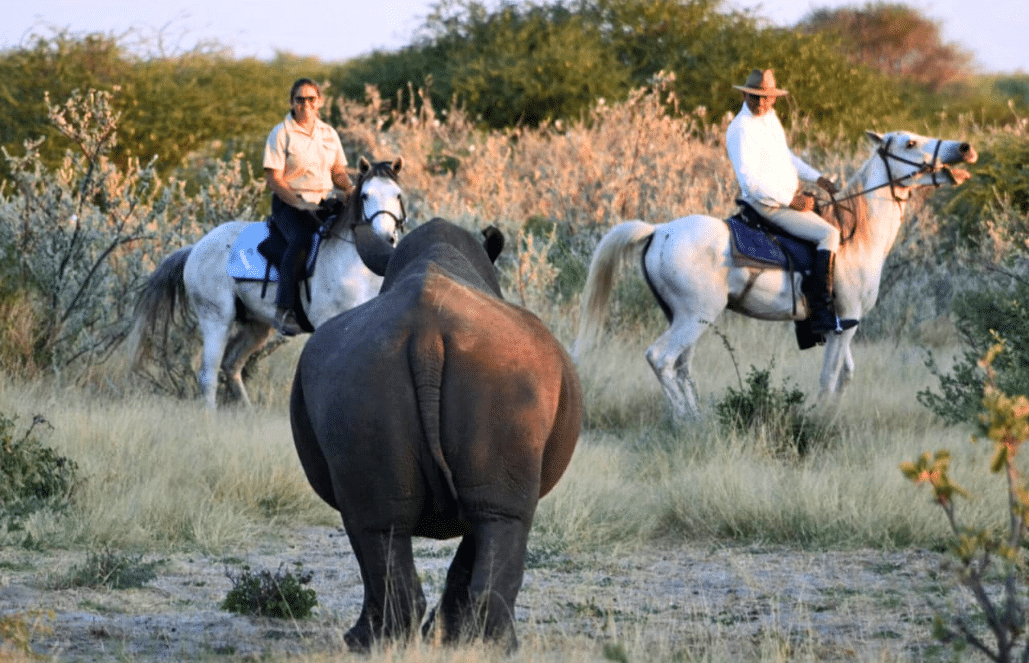
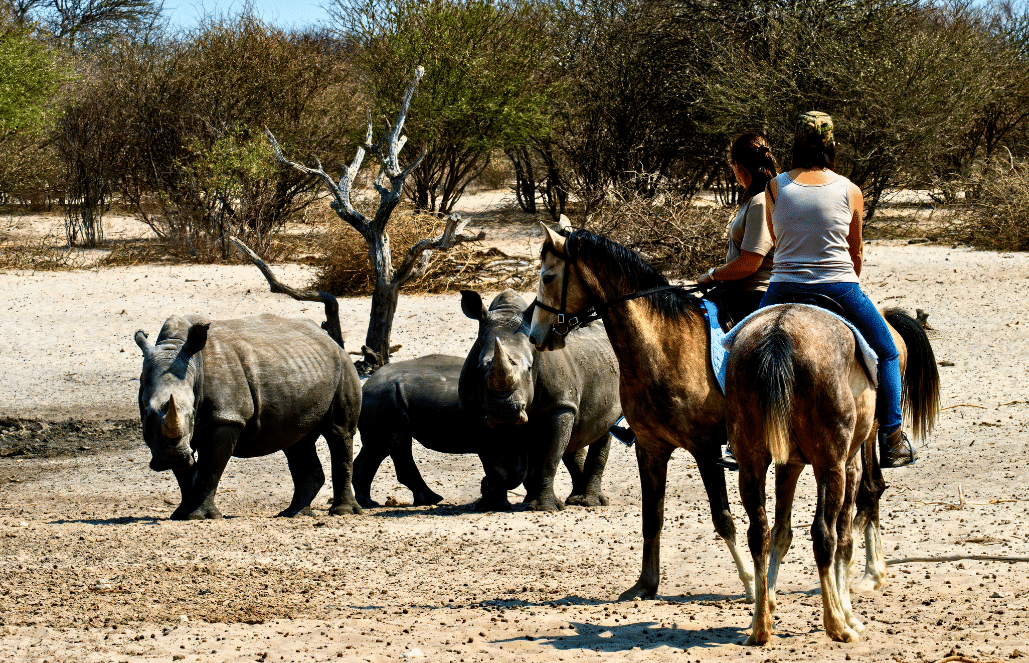
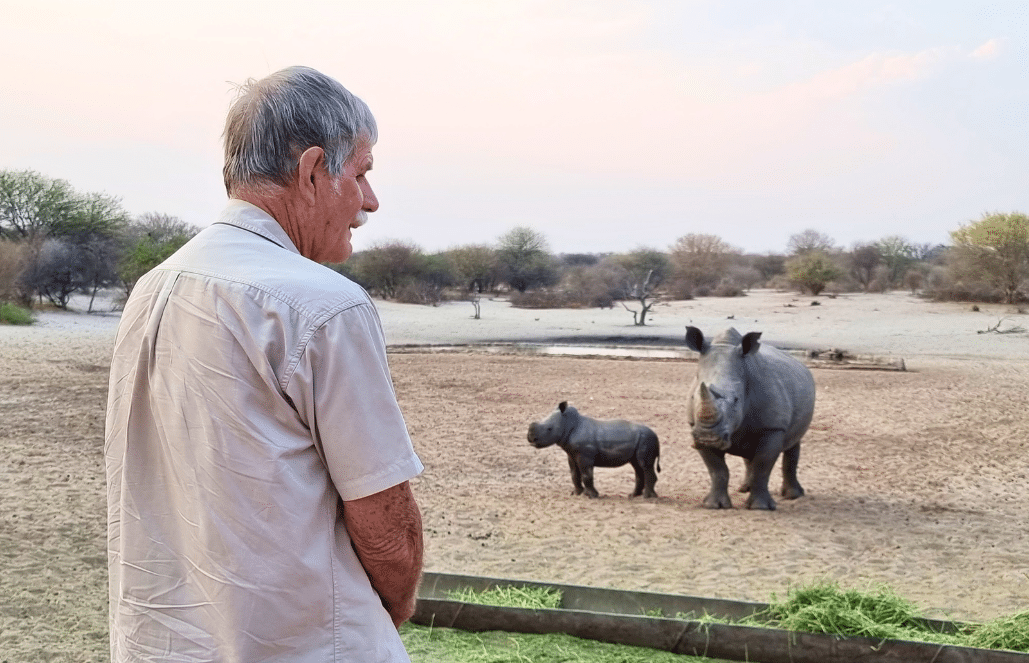
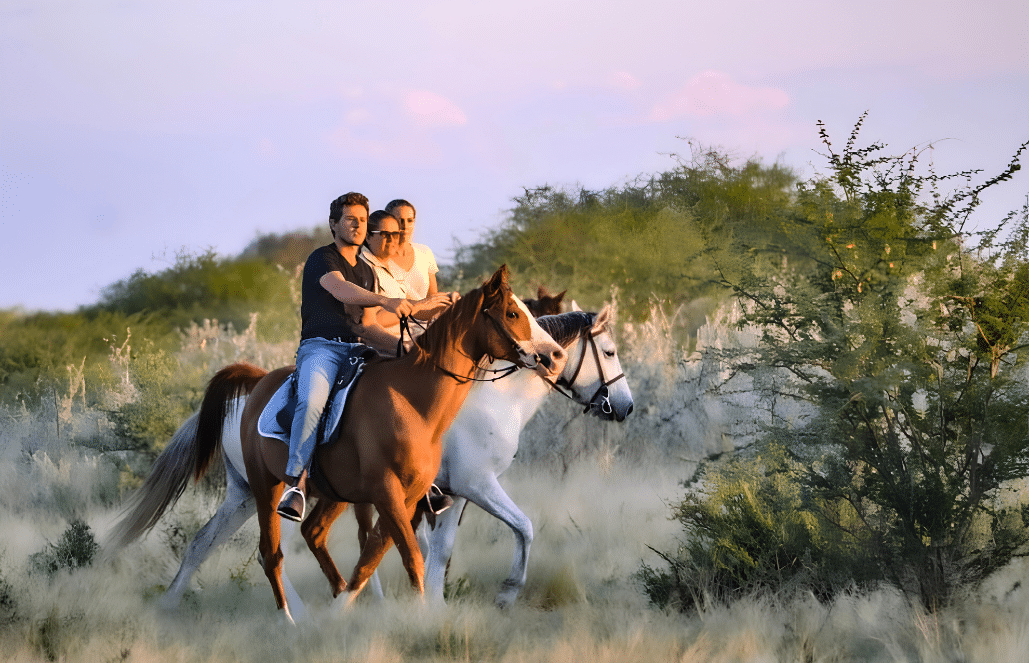
Most days include a mix of wildlife monitoring, fence patrols, rhino tracking, predator care, horse care, and conservation data collection. Volunteers may also assist with guest hospitality, firewood collection, mounted patrols, and reviewing camera trap footage.
Sunday, day 6: Free Day / Optional Activities
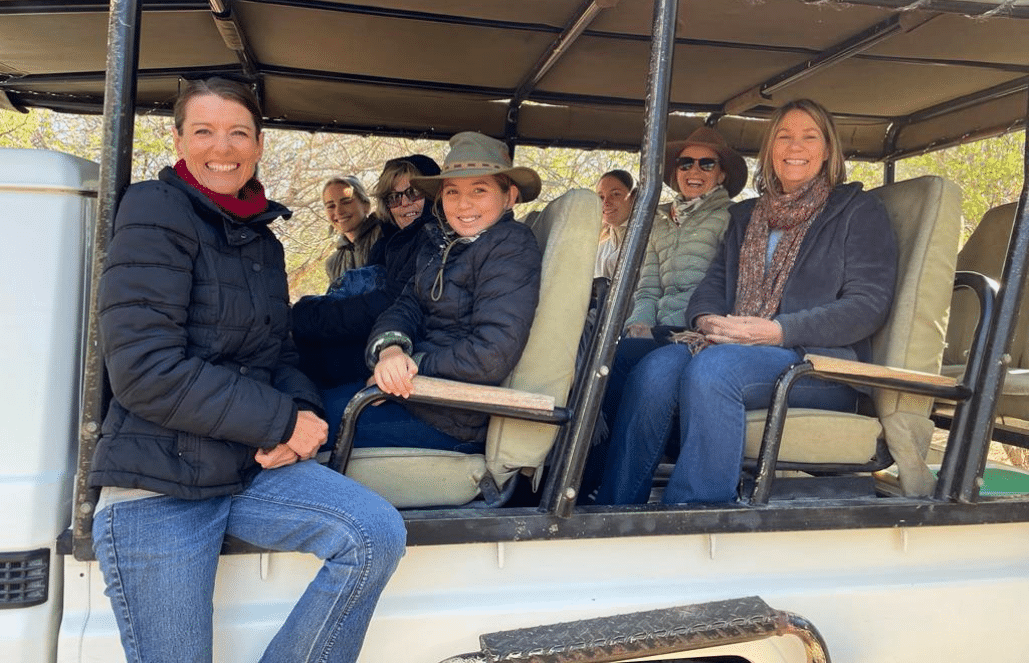
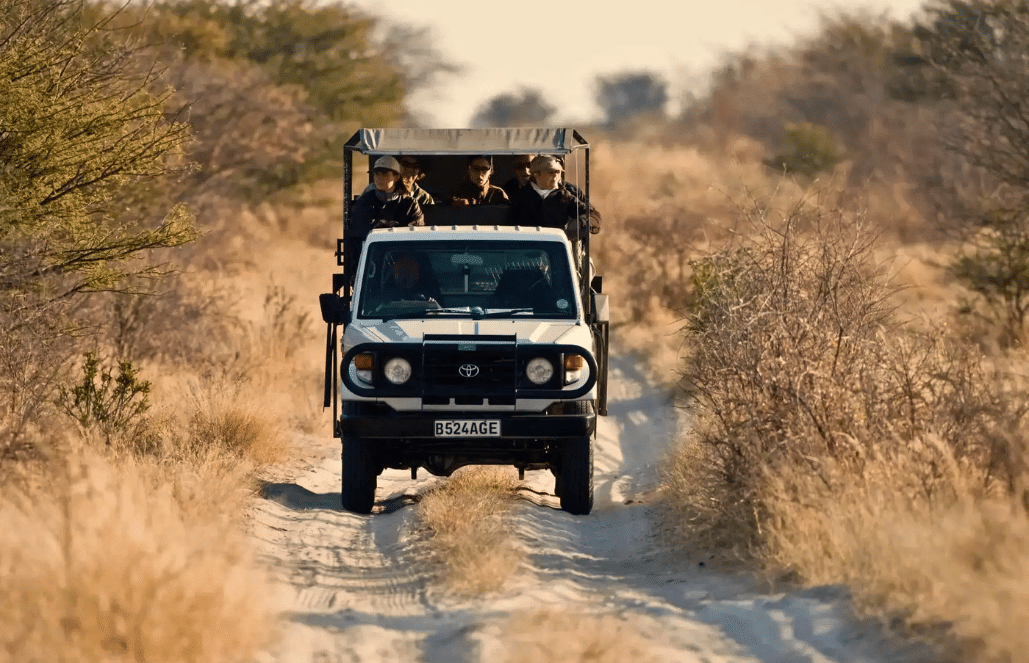
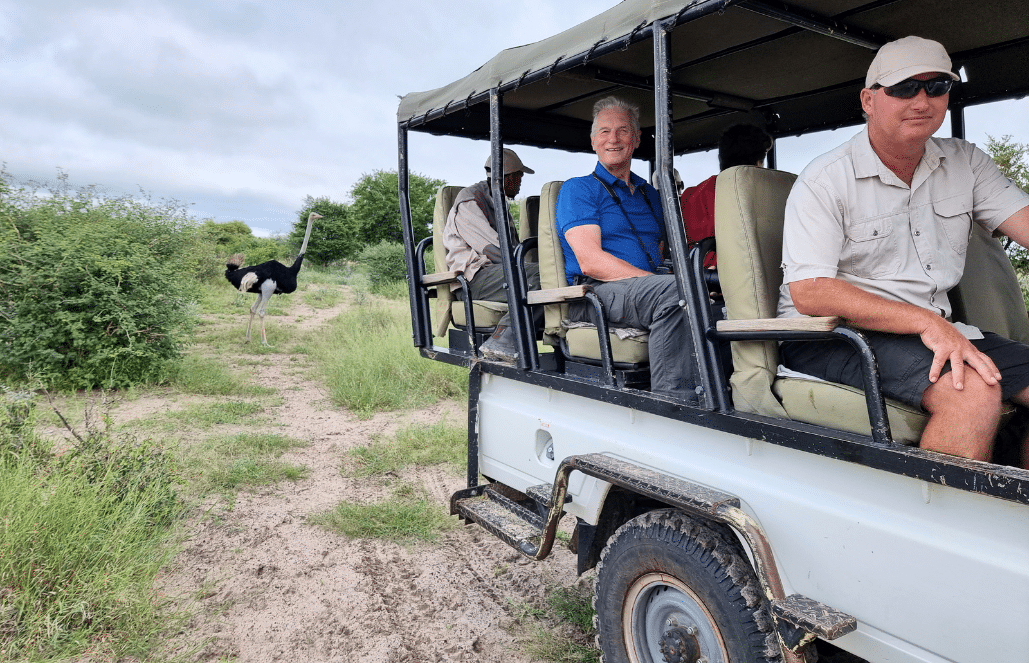
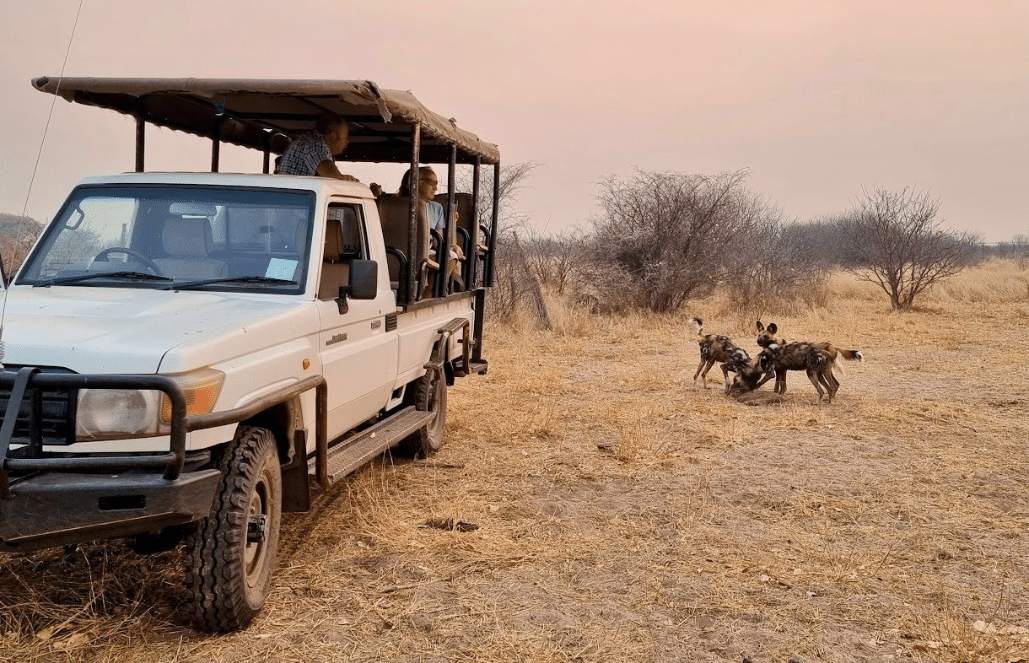
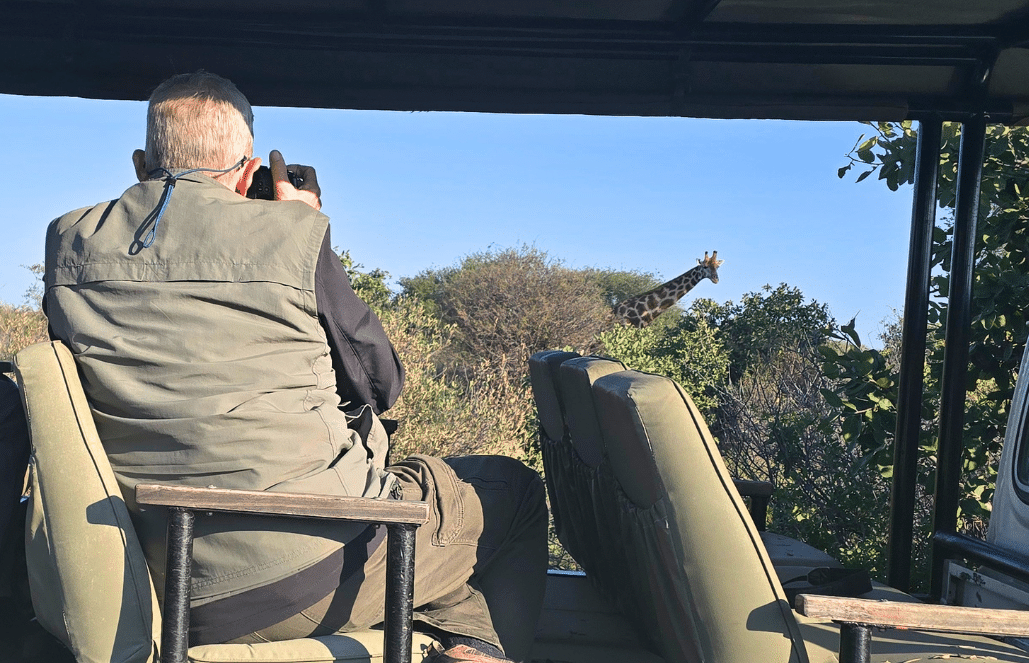
Enjoy optional game drives, horse riding, wildlife viewing, or relaxation at the lodge while still supporting basic monitoring and predator care activities if needed.
Departure Day: Monday
Travel back to Maun by road or optional charter flight and conclude the program with a final review of your conservation experience. Volunteers staying for more than one week will follow a similar schedule of volunteer activities from Monday to Saturday, enjoy a free day on Sunday, and depart on Monday.


What’s Included


What’s not Included

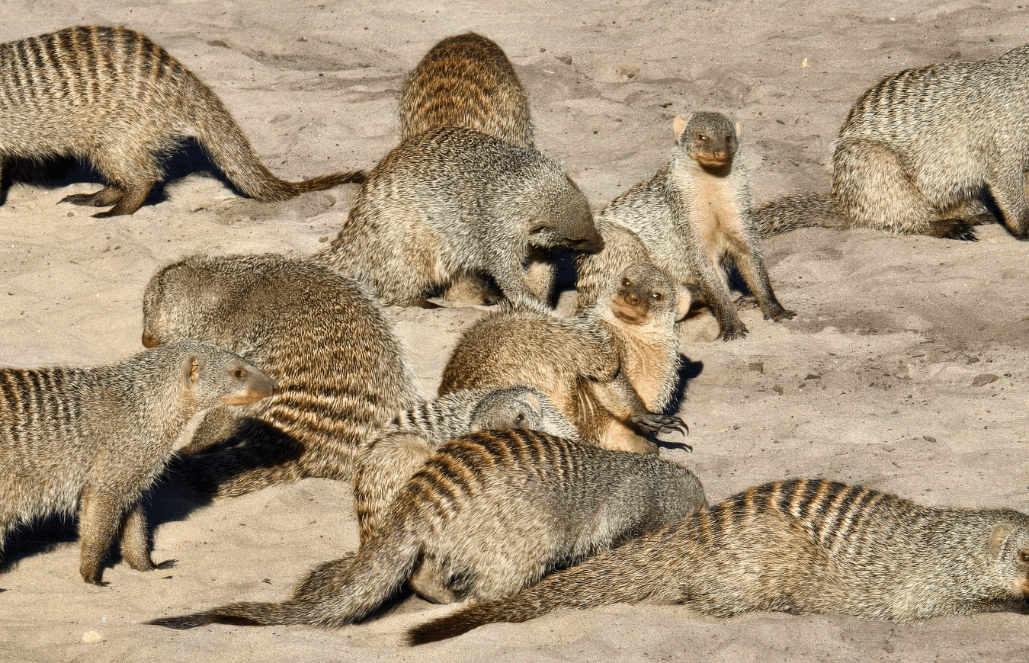
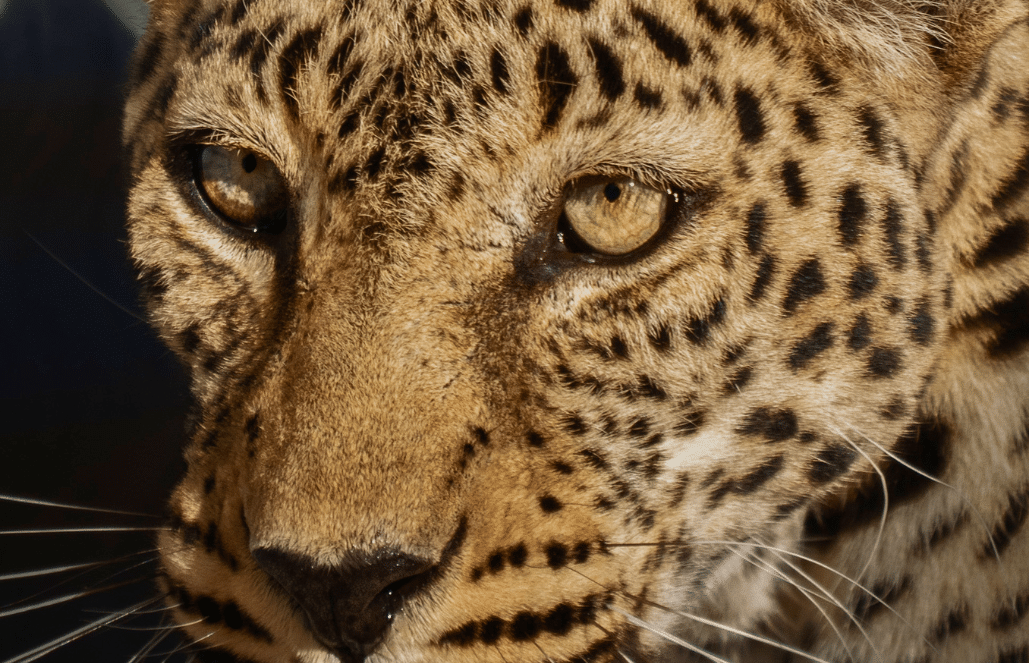
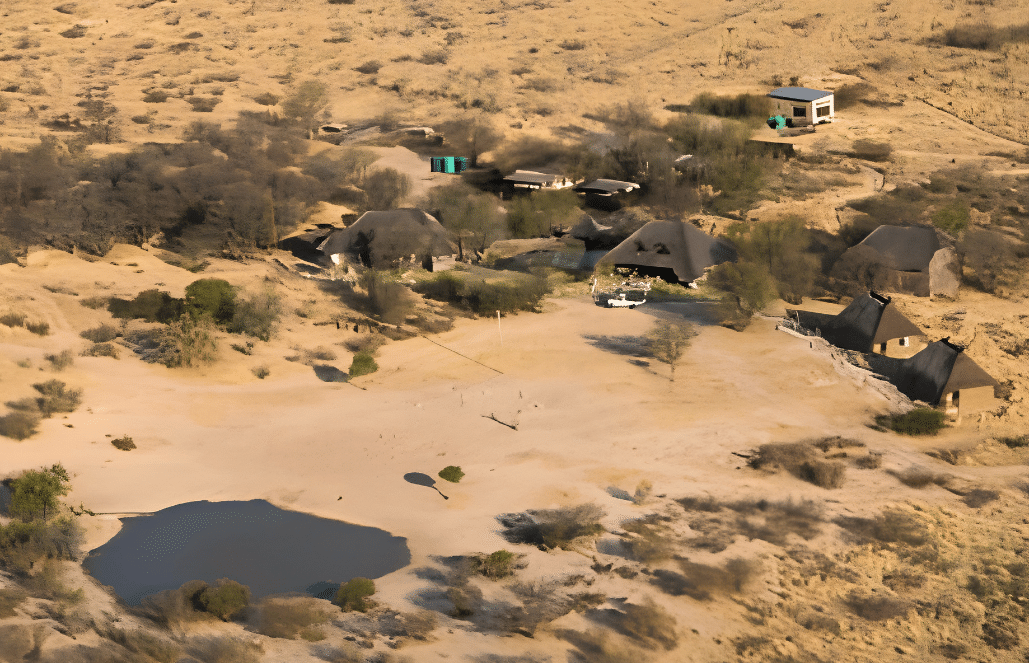
Located on a privately owned wildlife property in Botswana’s Central Kalahari, this project takes place in one of Africa’s most remote and ecologically significant wilderness regions. The conservation area borders the vast Central Kalahari Game Reserve, allowing wildlife to move freely across the landscape and creating excellent opportunities for monitoring and conservation work. The region is home to an impressive variety of species, including giraffes, springbok, eland, cheetahs, leopards, brown hyenas, and the legendary Kalahari lions. With its open grasslands, red sand plains, and expansive desert skies, the Central Kalahari offers an authentic wildlife conservation experience far from the crowds of traditional safari destinations.

About the Expedition
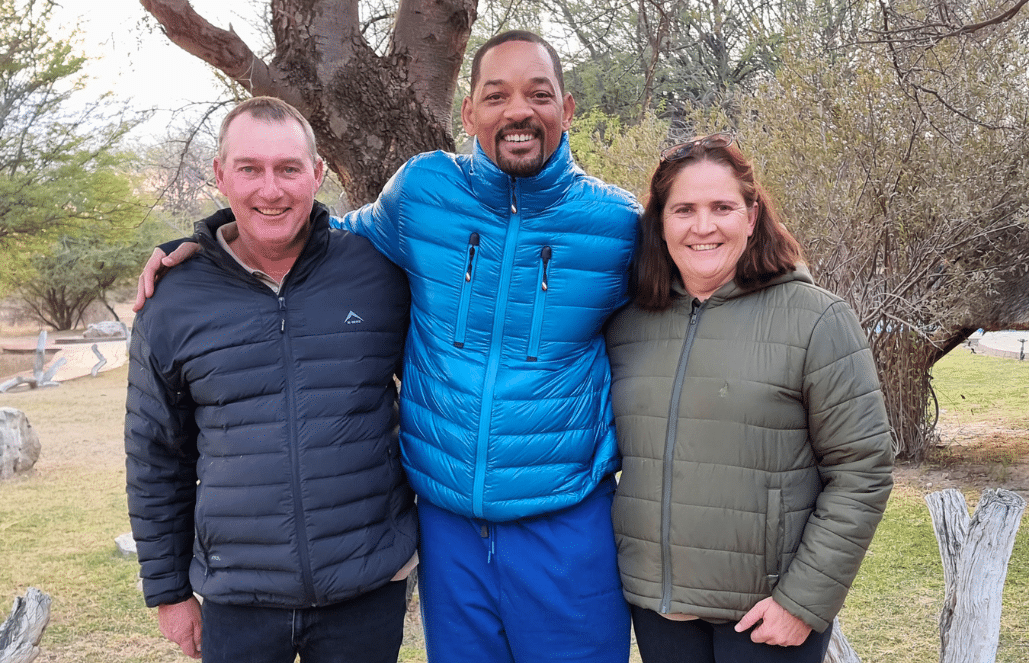
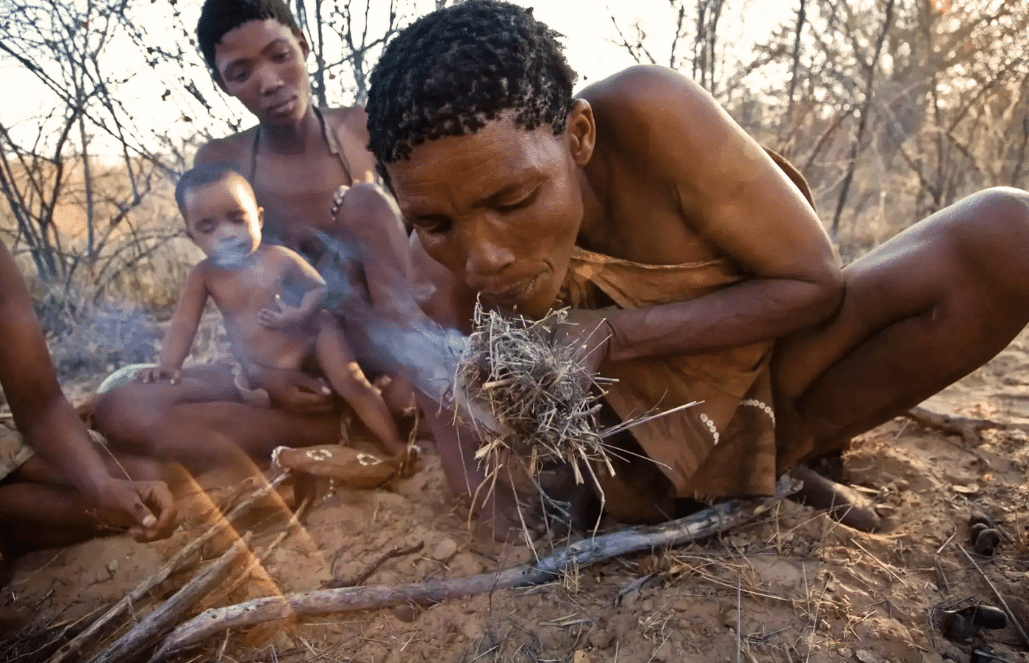
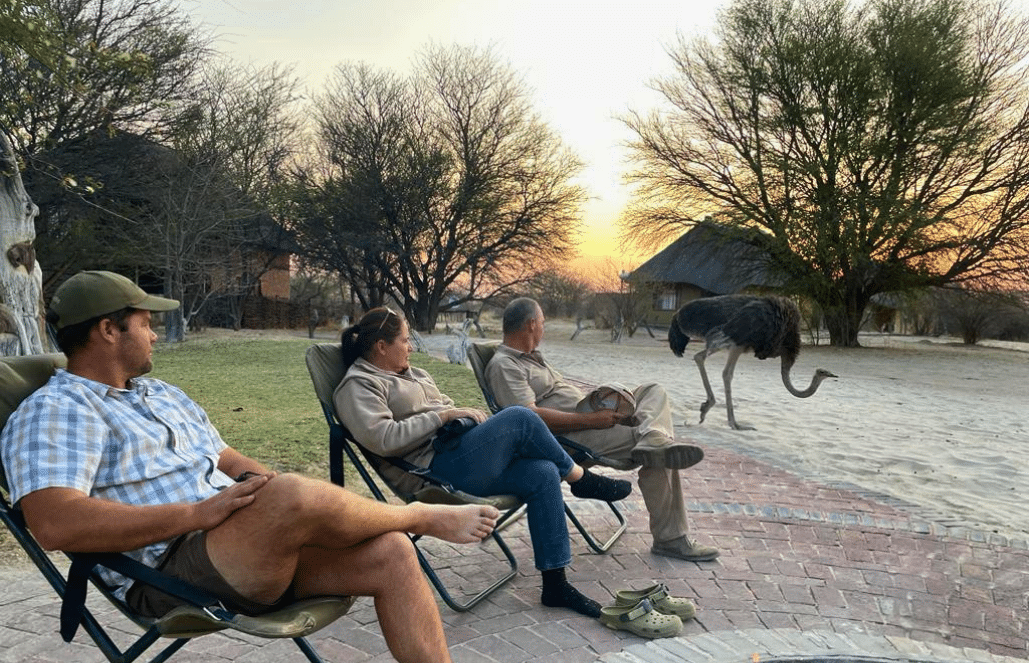
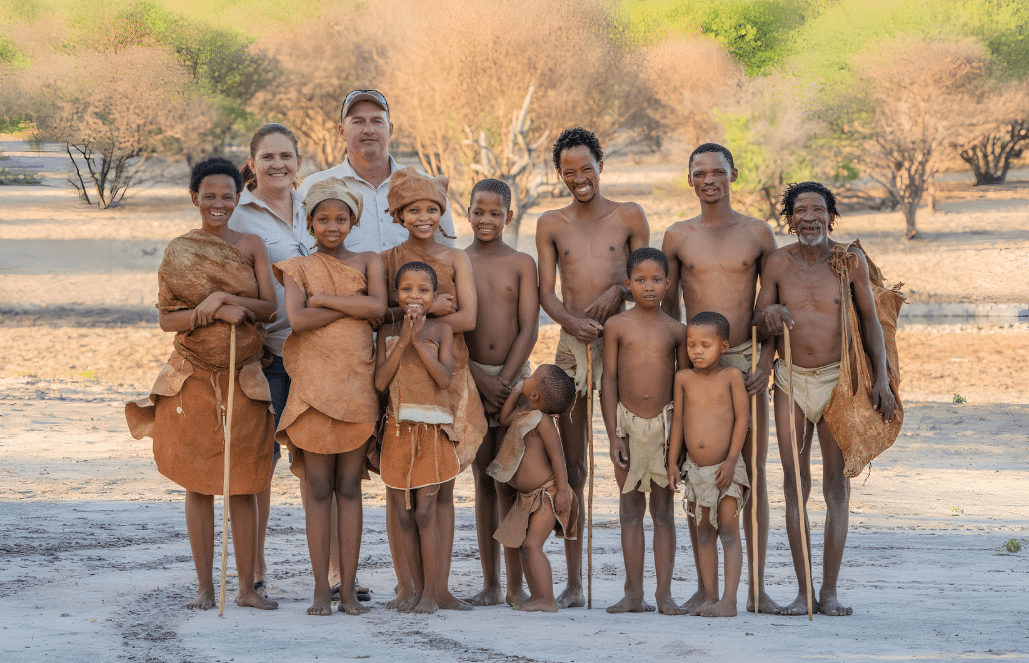
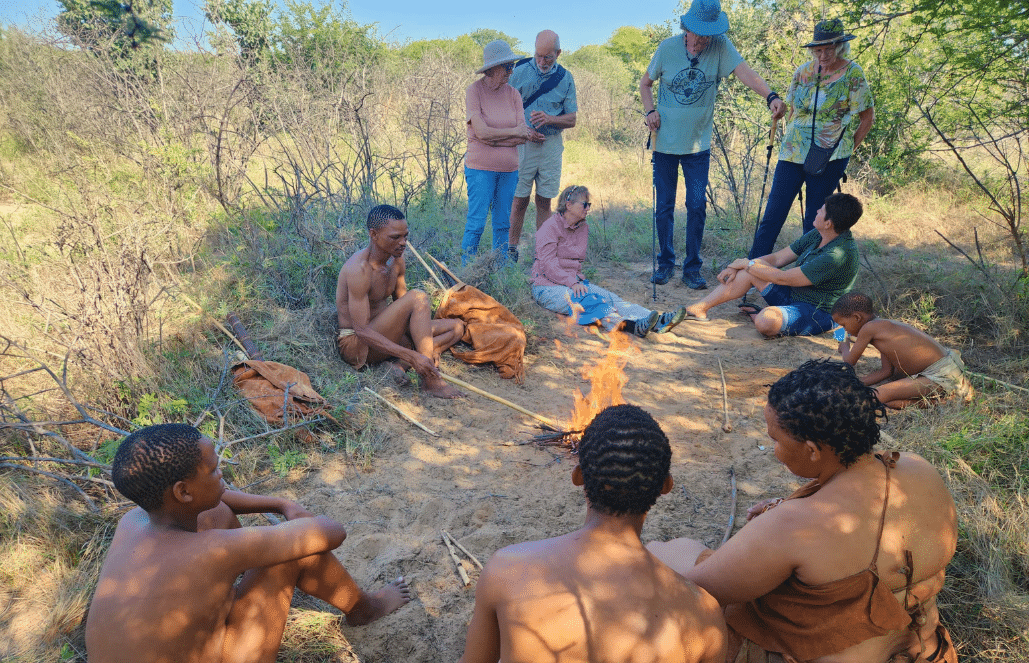
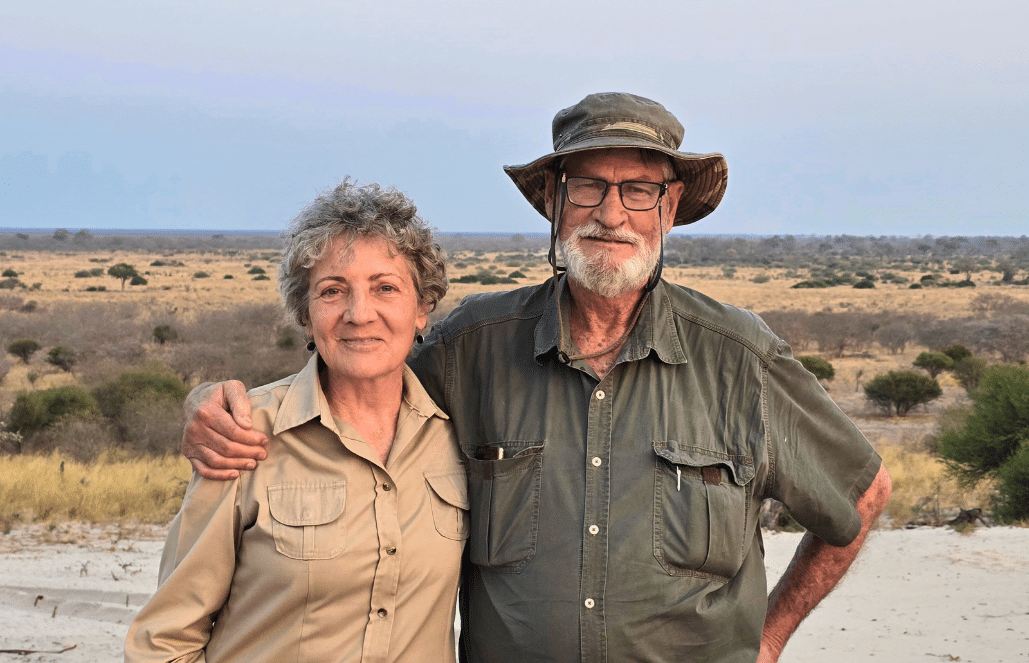
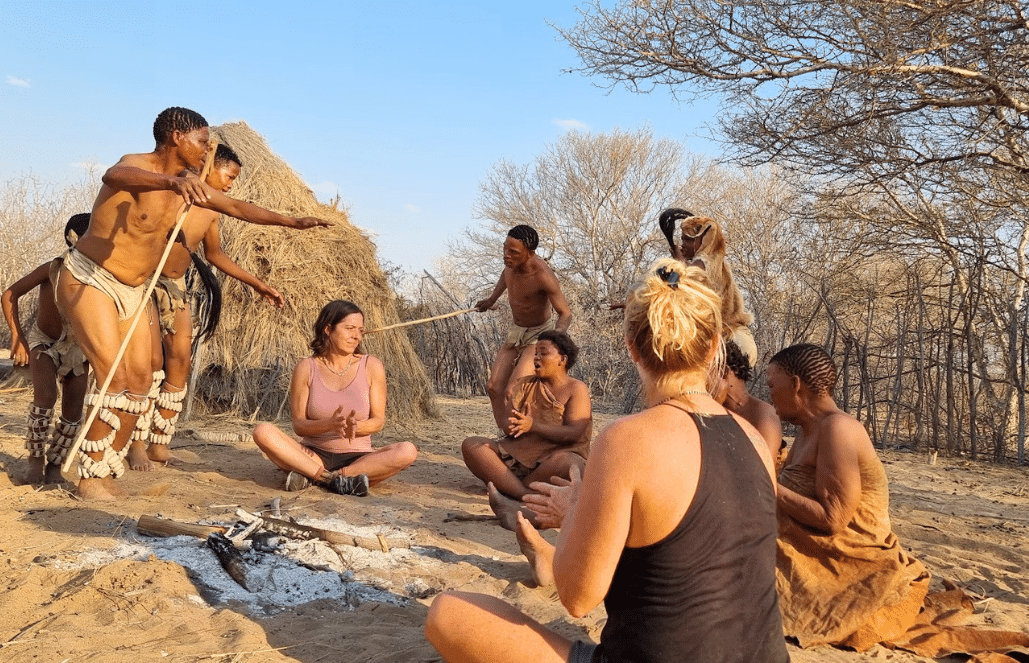
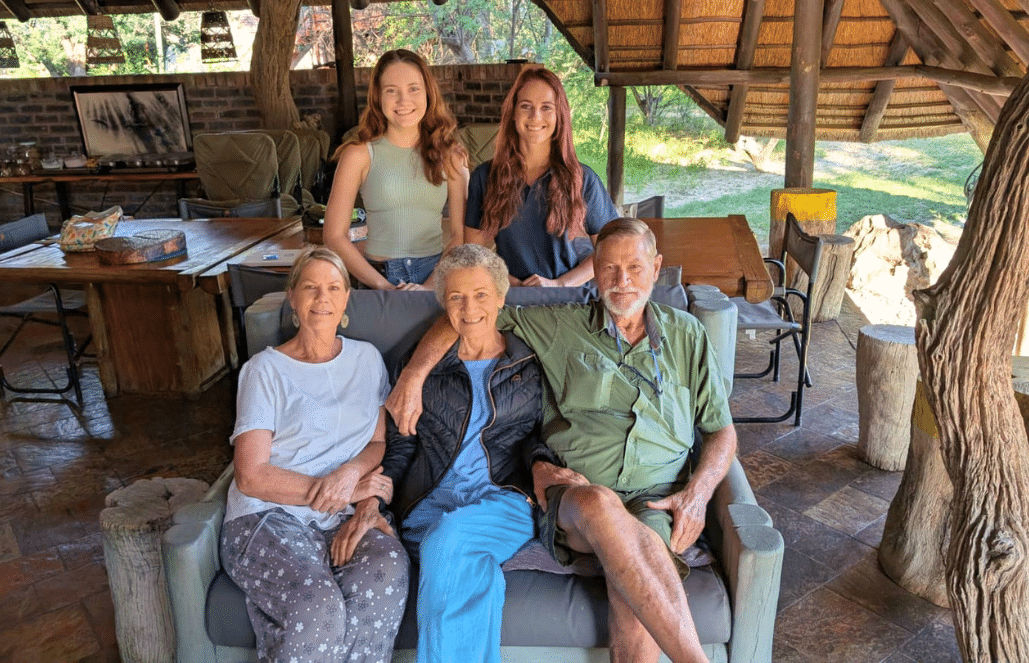
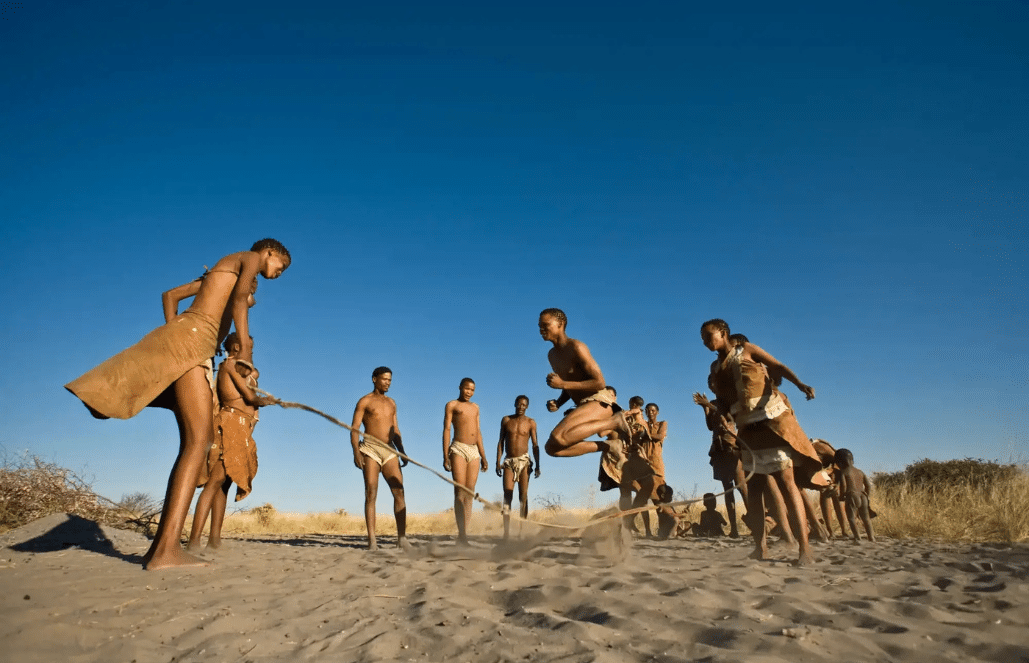
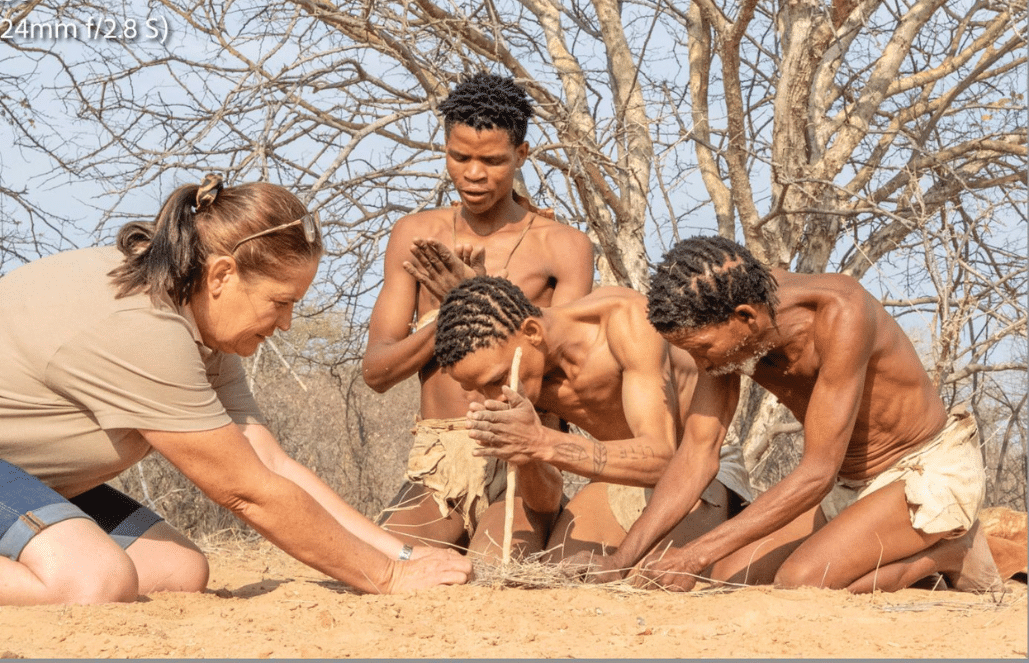
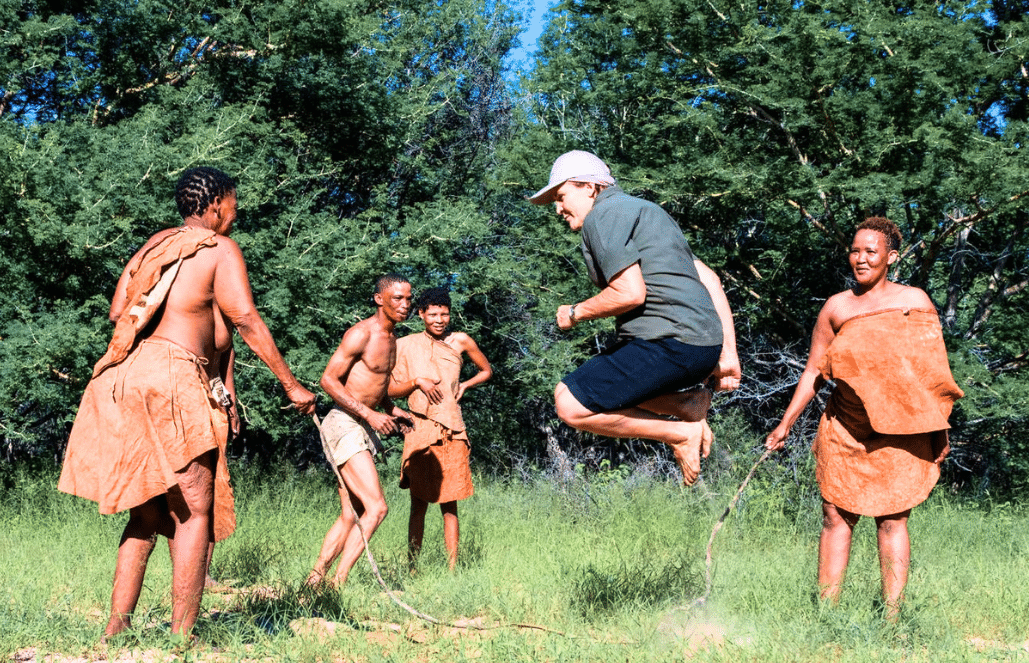
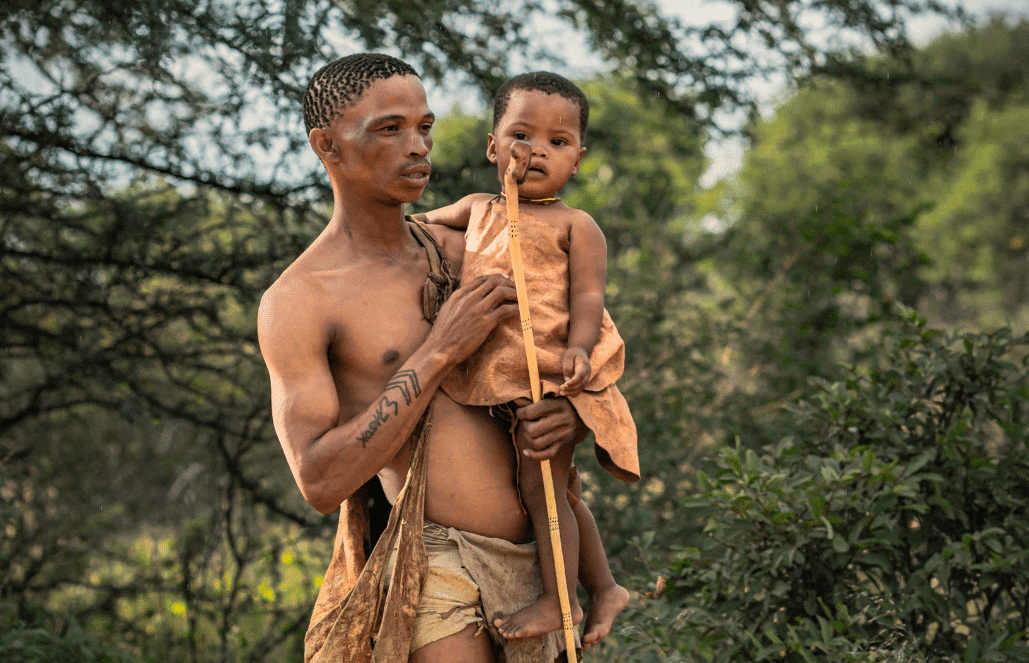
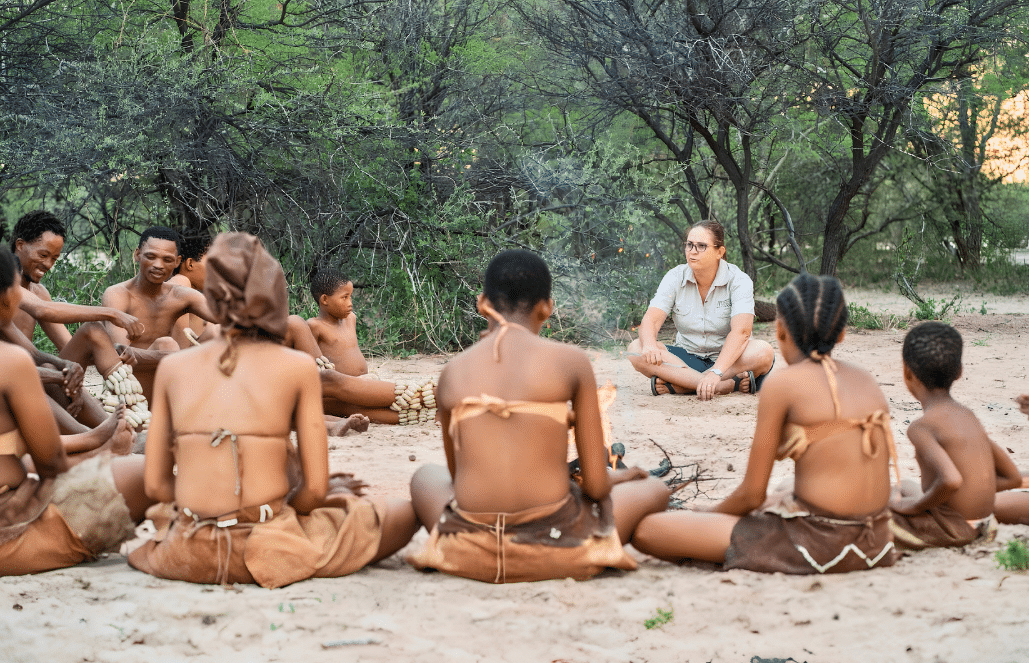
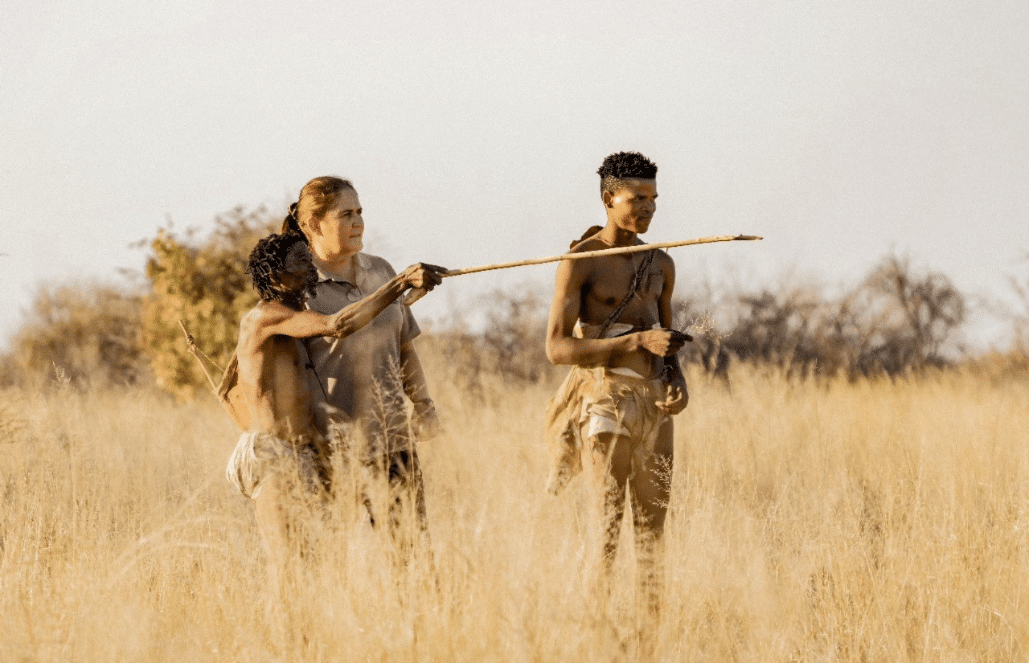
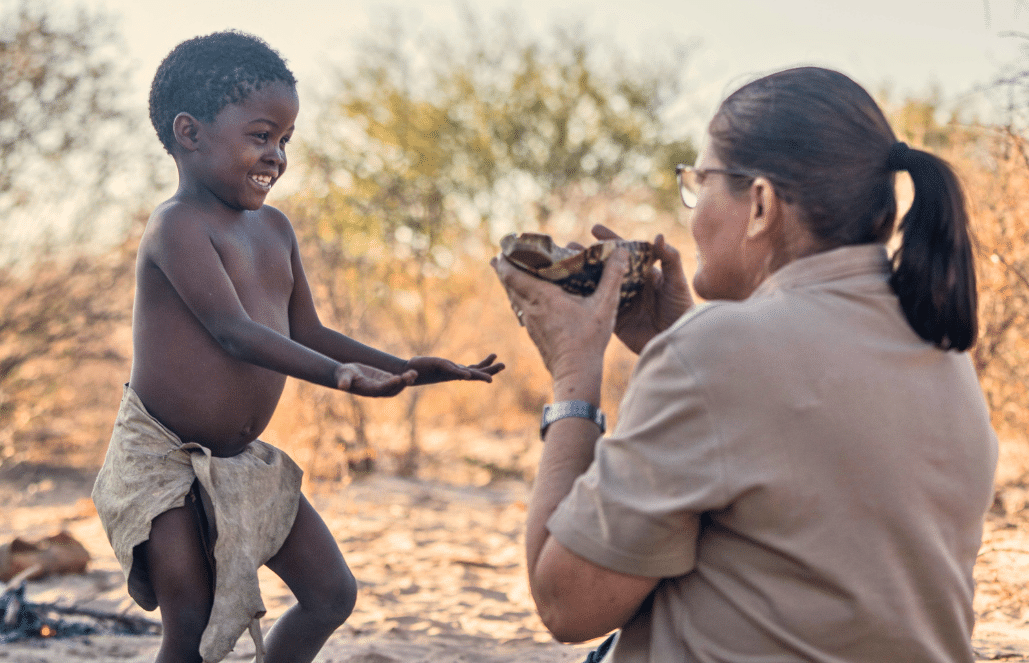
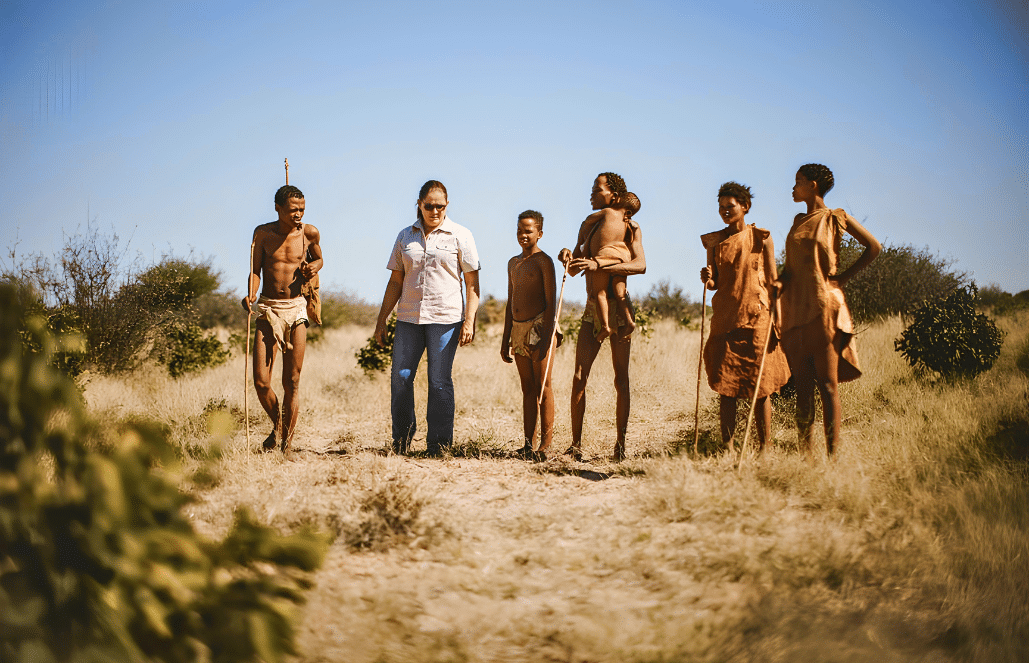
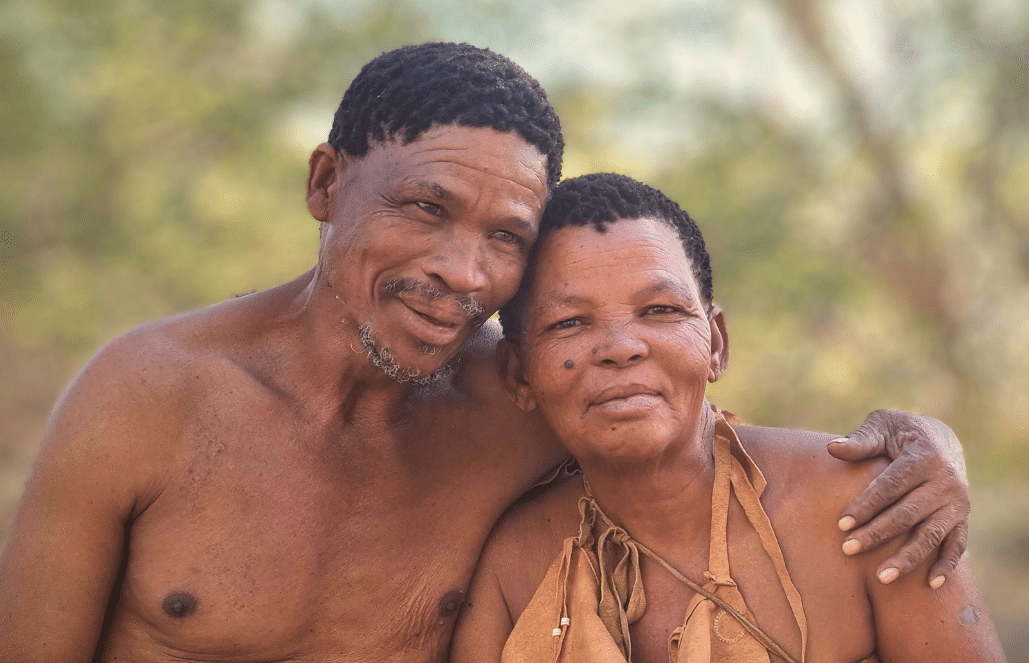
This expedition takes place on a family-owned safari lodge operated by a family that has lived in the region for five generations. The property is in Botswana’s Central Kalahari, bordering the vast Central Kalahari Game Reserve. The family’s deep roots in the Kalahari have created a long-standing connection with the local San Bushmen community and a strong commitment to protecting the region’s wildlife and cultural heritage. Their close relationship with the San people provides volunteers with a rare opportunity to learn directly about traditional tracking, survival skills, and the history of the Kalahari from those who know it best. Alongside conservation activities such as rhino monitoring, predator management, and wildlife research, the program aims to support the preservation of both the natural environment and the traditions that have shaped this landscape for thousands of years.
Volunteer Activities
Volunteers assist with a variety of conservation and operational tasks throughout the week. Some days also involve helping with lodge preparation and guest hospitality, while cultural activities introduce volunteers to traditional tracking and survival skills used in the Kalahari for generations. Tasks vary depending on wildlife movements, weather conditions, and current conservation priorities.
Examples of Volunteer Tasks
A Typical Day for Volunteers
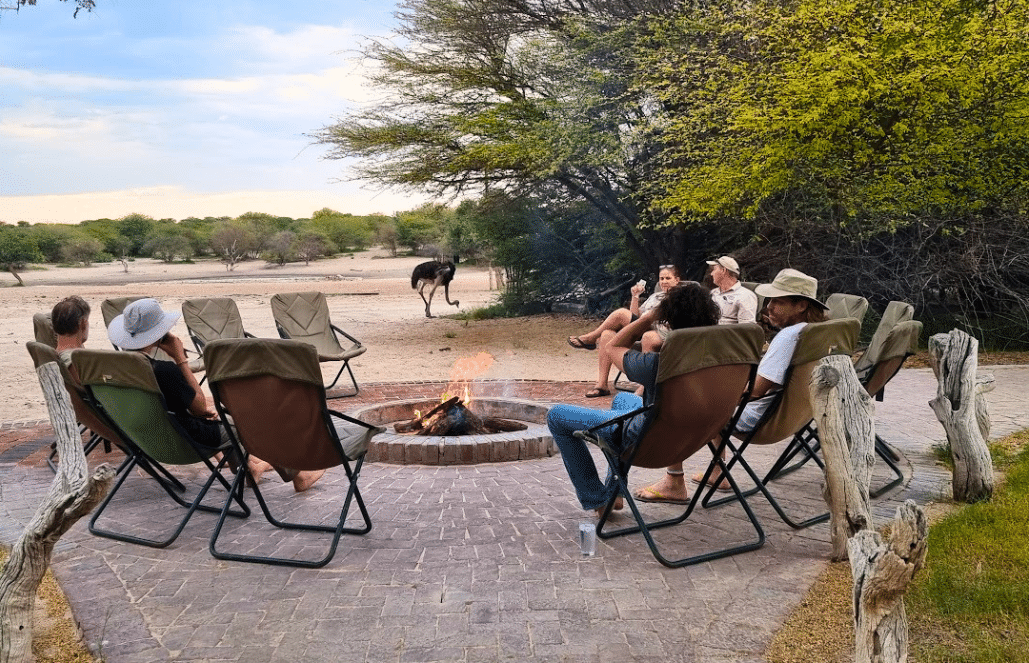
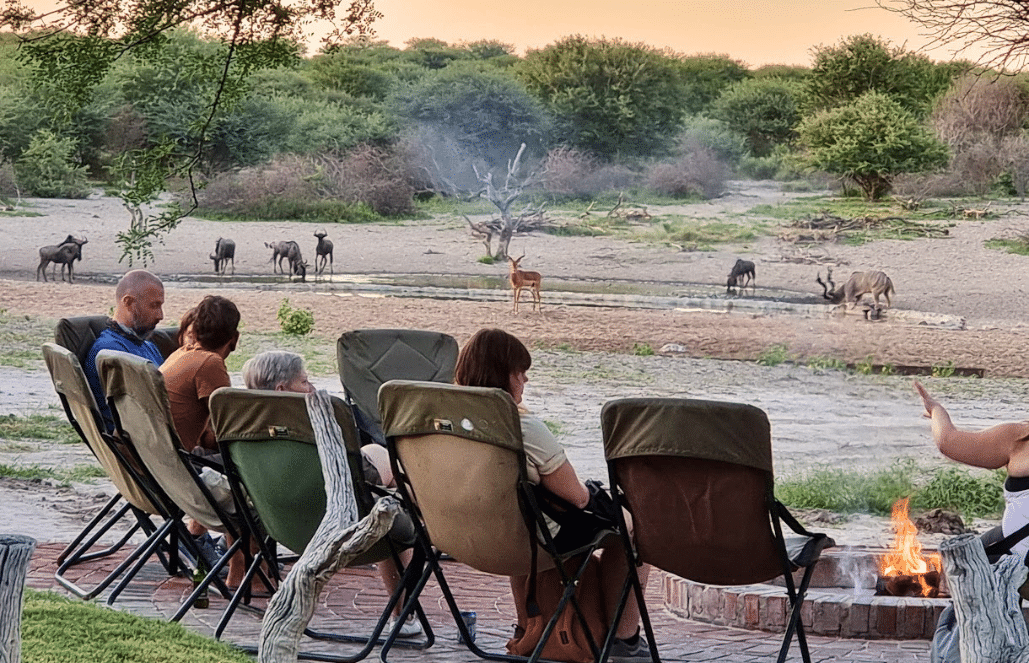
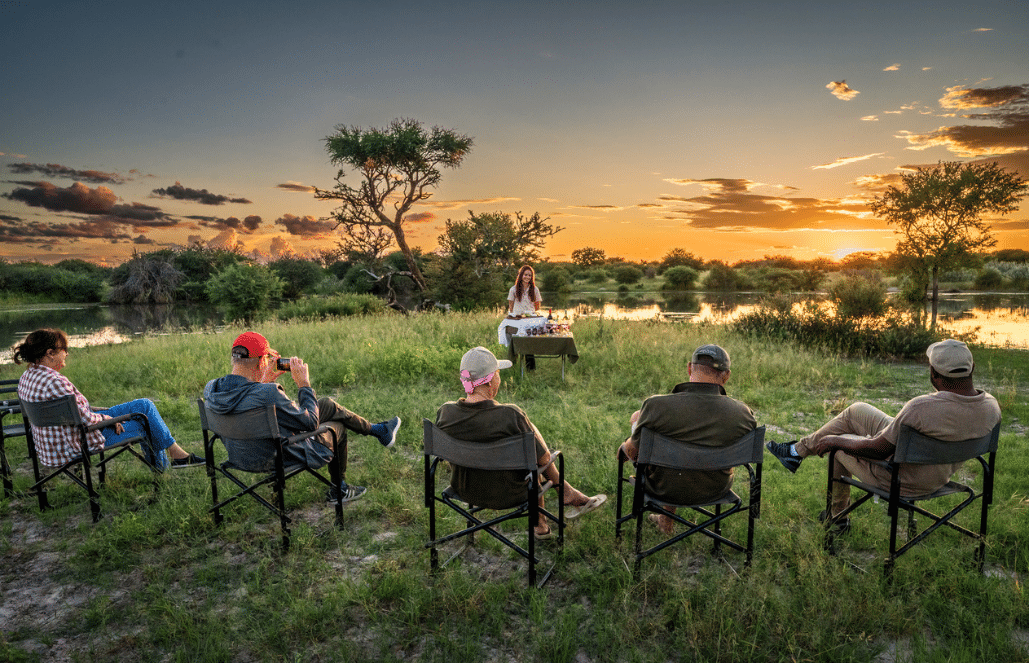
Volunteer days usually begin early with horse care, wildlife monitoring, or conservation patrols. Morning activities may include rhino tracking, waterhole observations, predator conservation work, or fence inspections. Afternoons often focus on mounted patrols, camera trap reviews, horse riding activities, or lodge support tasks. Evenings may include assisting with dinner service, reviewing conservation data, or relaxing around the campfire after a full day outdoors.
Sample Itinerary:
| Day | Activities |
|---|---|
| Day 1 (Arrival) | Arrive at Maun International Airport and transfer to the project site in Botswana’s Central Kalahari (approximately 5 hours). Settle into camp, meet the team, receive safety and cultural briefings, and enjoy a welcome dinner. |
| Day 2 (Orientation) | Learn about wildlife safety, conservation activities, predator management, horse care, camera traps, and rhino monitoring. Tour the property, including waterholes, fence lines, predator areas, and horse camps. |
| Day 3 | Assist with horse and rhino care, learn traditional tracking and survival skills from the San Bushmen, support predator conservation activities, conduct wildlife monitoring, and participate in fence patrols. |
| Day 4 | Help with horse care and essential camp operations such as firewood collection. Join horse outrides, wildlife monitoring sessions, and conservation patrols. |
| Day 5 | Participate in rhino tracking, fence inspections, wildlife monitoring, and waterhole observations. Depending on conditions, volunteers may also join mounted patrols and assist with camera trap activities. |
| Day 6 | Retrieve and review camera trap footage, record wildlife sightings, assist with predator camp maintenance, conduct fence patrols, and monitor wildlife activity at key observation points. |
| Day 7 (Free Day) | Enjoy optional activities such as game drives, horse riding, wildlife viewing, or relaxation at the lodge. Volunteers may also assist with wildlife monitoring and weekly conservation data review. |
| Day 8 (Departure) | Transfer back to Maun by road or optional charter flight and conclude the program. |
Important Note: This itinerary is intended as a general example. Activities may vary based on wildlife movements, weather conditions, conservation priorities, seasonal requirements, and lodge operations. Volunteers staying longer than one week will continue participating in a rotating schedule of conservation, wildlife monitoring, cultural, and safari support activities.


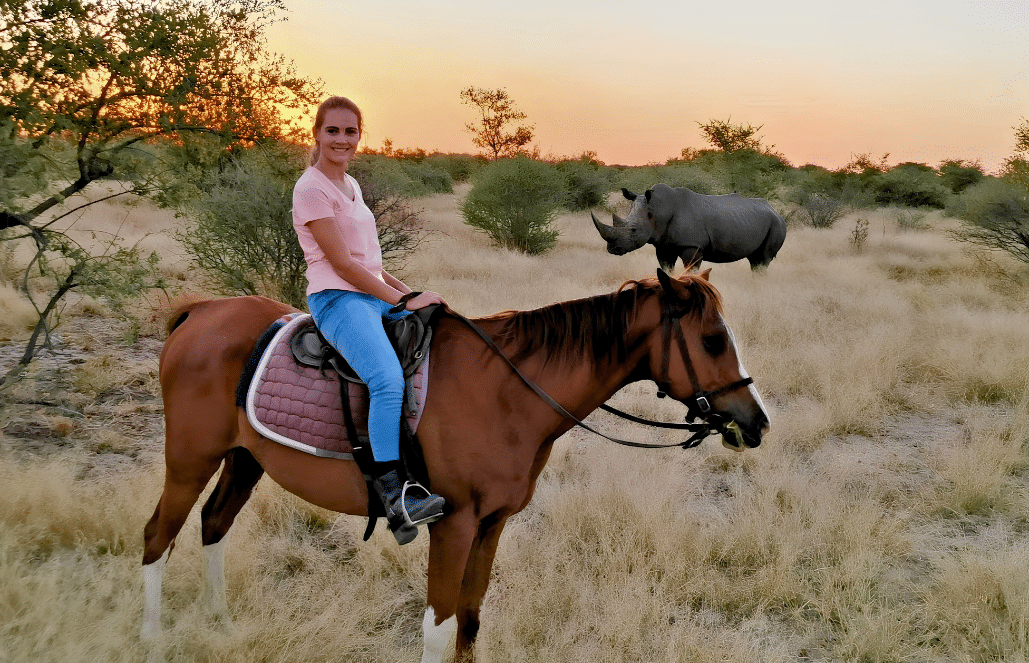
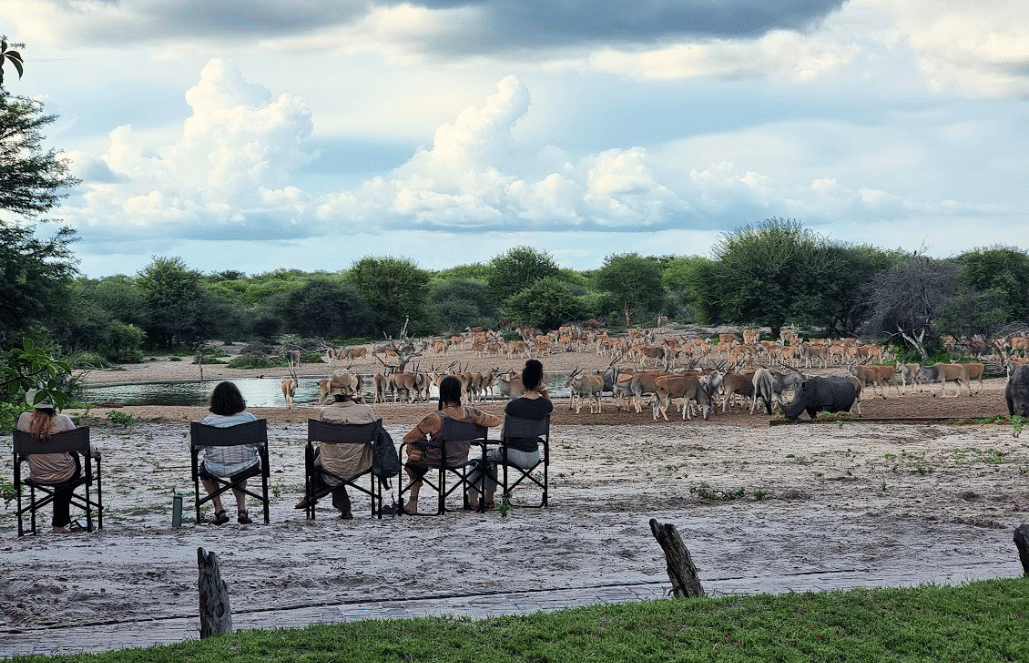
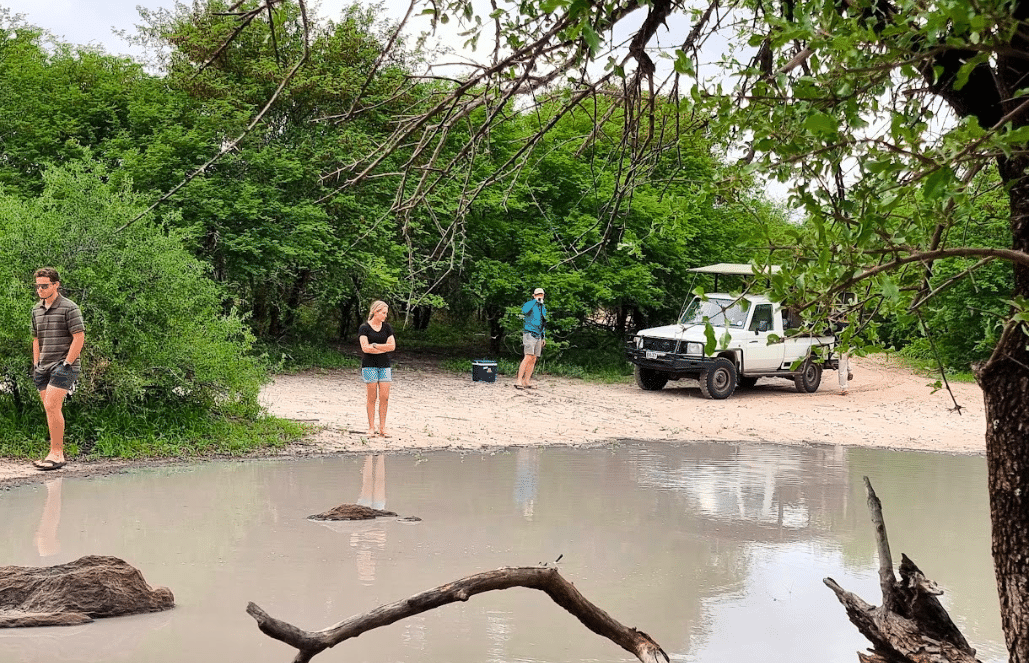
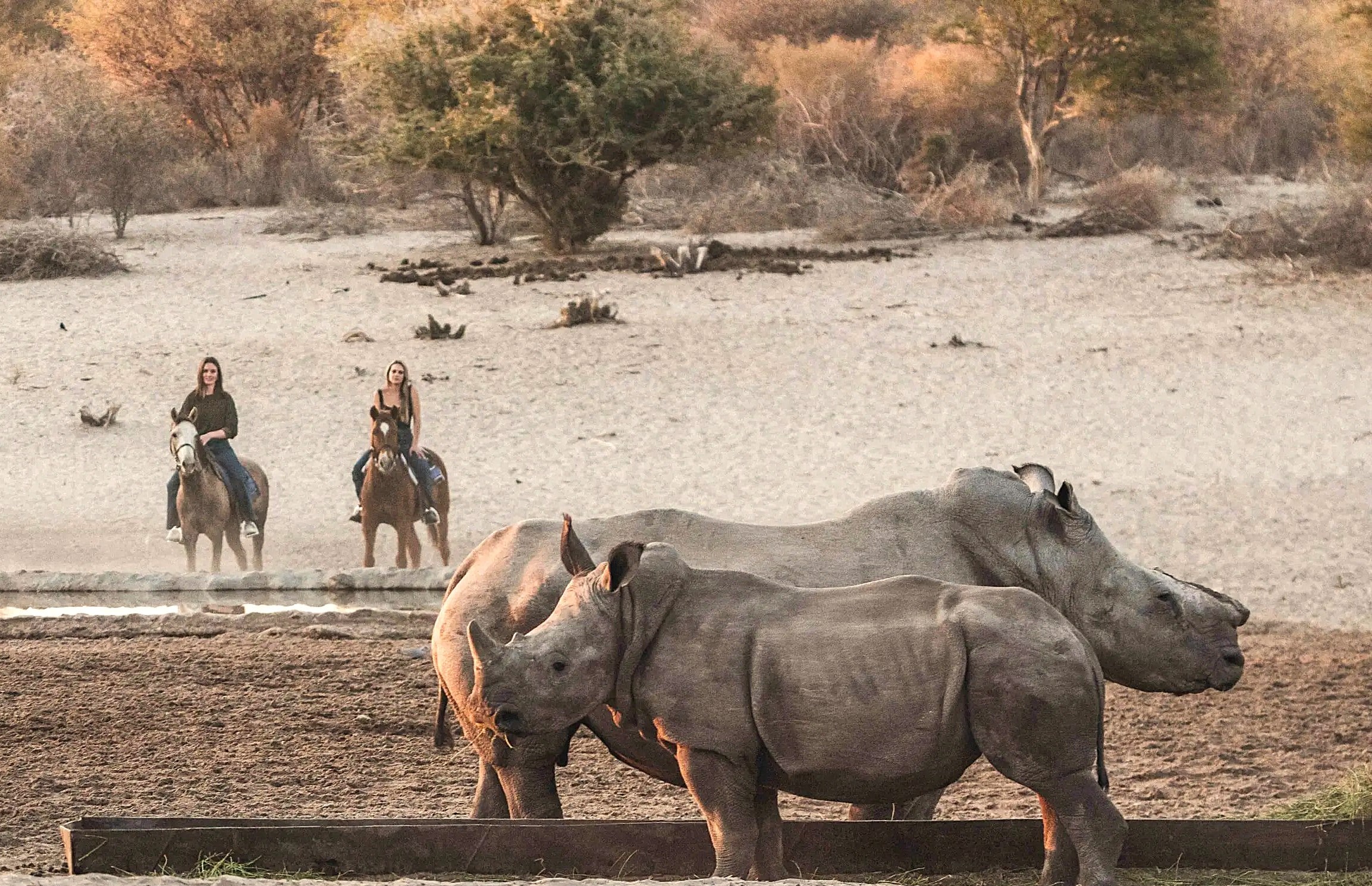
The Central Kalahari offers one of the most remote and authentic safari environments in Southern Africa. Volunteers have the chance to observe wildlife in vast open landscapes connected to one of Africa’s largest game reserves. Daily activities may include horse riding through the bush, sitting quietly at waterholes while animals gather nearby, and helping review camera trap footage collected overnight. The area is home to iconic Kalahari wildlife, including giraffes, hyenas, springbok, and predators such as cheetahs and lions.
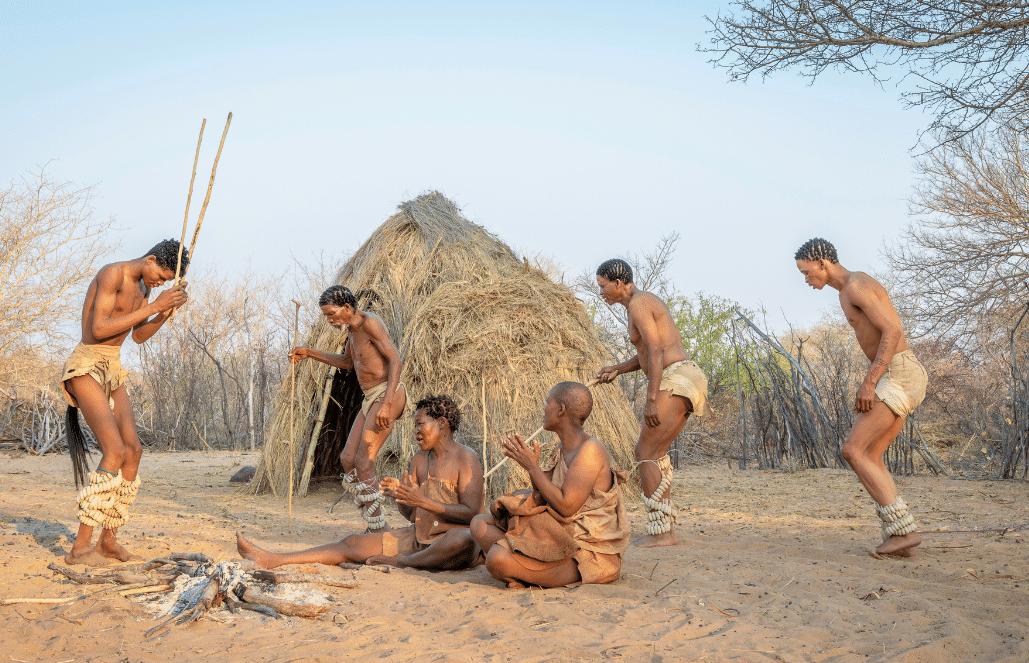
Cultural activities with the San Bushmen add another dimension to the experience, offering insight into traditional bush survival and tracking methods. Evenings are often spent around the campfire beneath clear desert skies, while free days provide opportunities for optional game drives and wildlife viewing. The remote location also allows volunteers to disconnect from busy city life and experience the rhythm of the Kalahari environment. From sunrise patrols to quiet evenings in camp, the program offers a combination of conservation work, safari life, and cultural learning in one of Botswana’s most remarkable wilderness areas.

