






Explore South Africa’s coastal environment through a five-day family program combining marine conservation, wildlife experiences, and outdoor activities. Families work alongside marine biologists while learning about estuaries, African penguins, shark egg cases, marine pollution, and the wider Dyer Island ecosystem. The itinerary also includes a Marine Big Five ocean safari, shark cage diving, kelp forest snorkeling, cave exploration, and horse riding on the beach. Designed for families with children aged seven and older, the program offers an active and educational way to discover the ocean together.
Program Highlights:
Your Schedule at a Glance (Minimum two-week commitment):
Arrival Day, Sunday: Arrive at Cape Town International Airport (CPT) and spend the night with your family at a hotel near the airport. On Monday morning, the local team will pick you up and transfer you to the project site.
Day 1 – Beach and Estuary Conservation
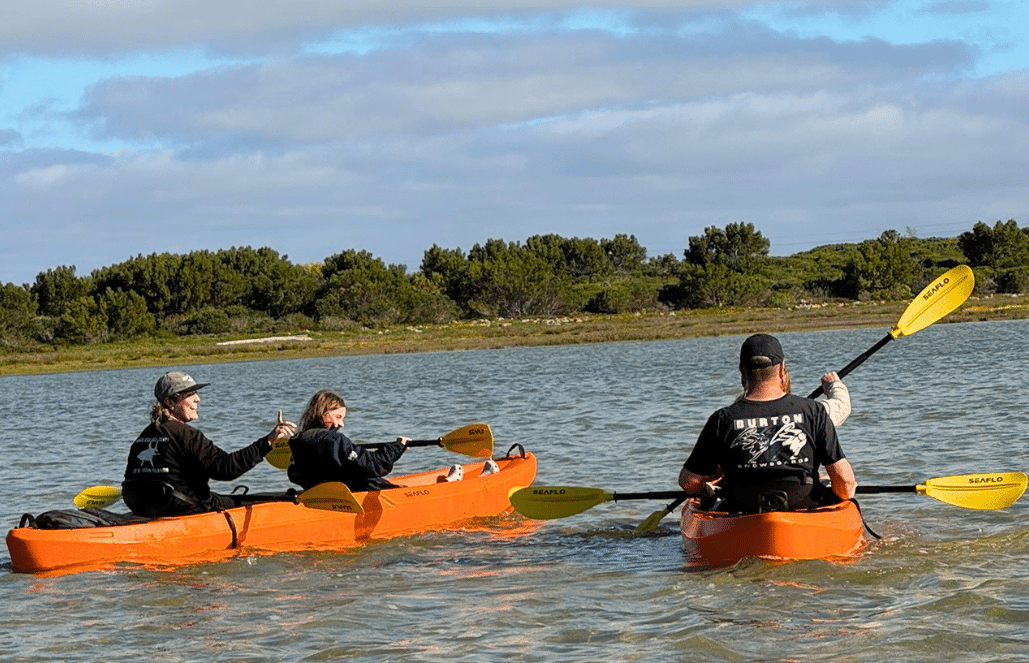
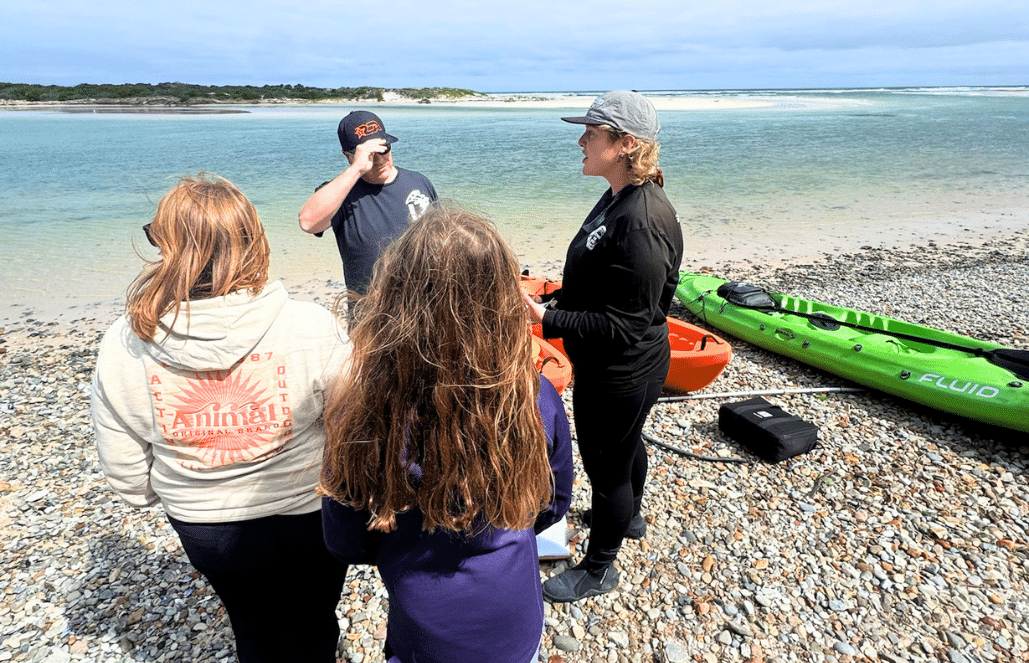
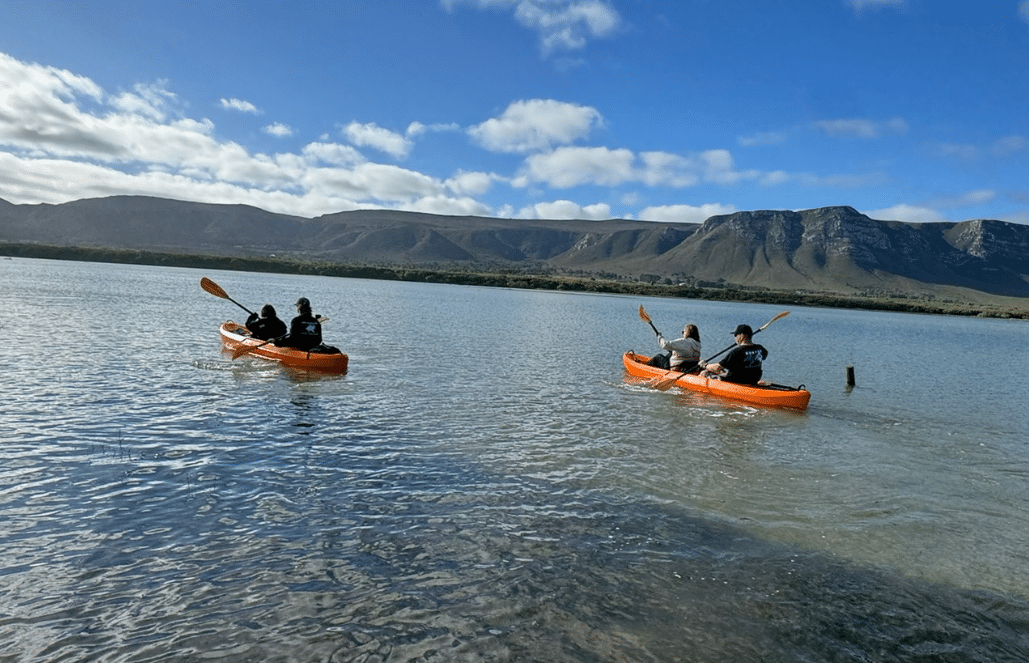
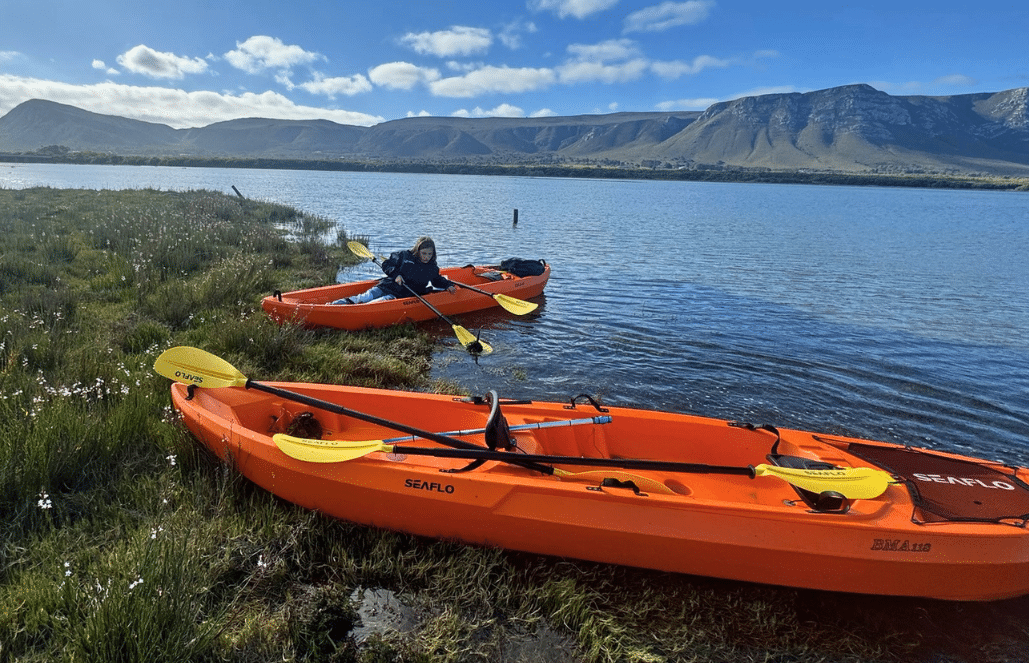
Begin with a program introduction before joining a marine biologist for estuary monitoring. Families also assist with a fishing-line bin cleanup and learn how discarded fishing gear affects coastal wildlife.
Day 2 – African Penguin Conservation and Ocean Safari
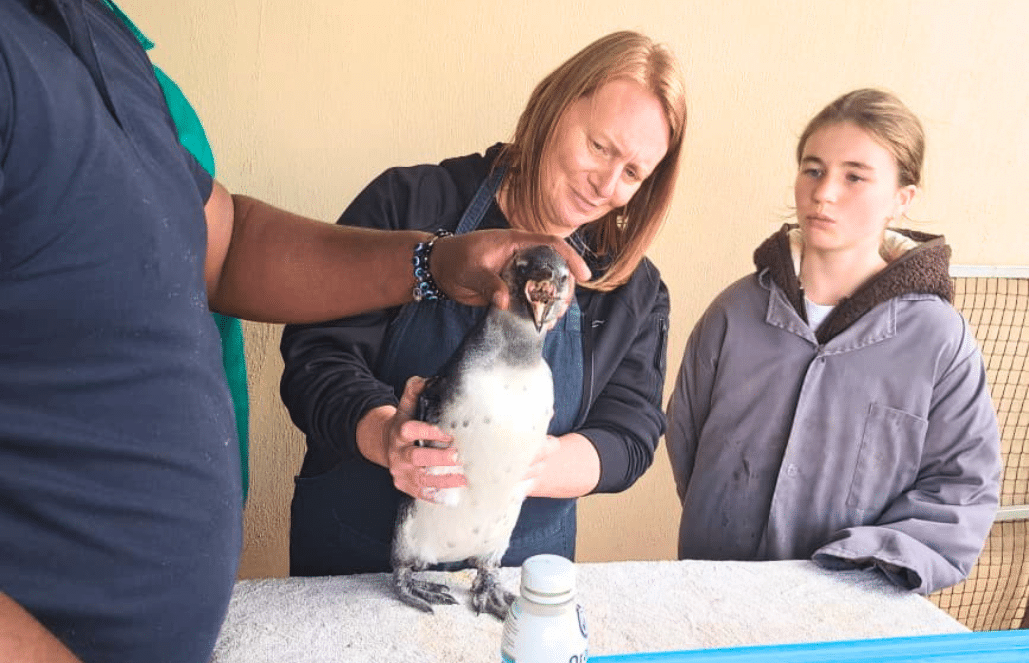
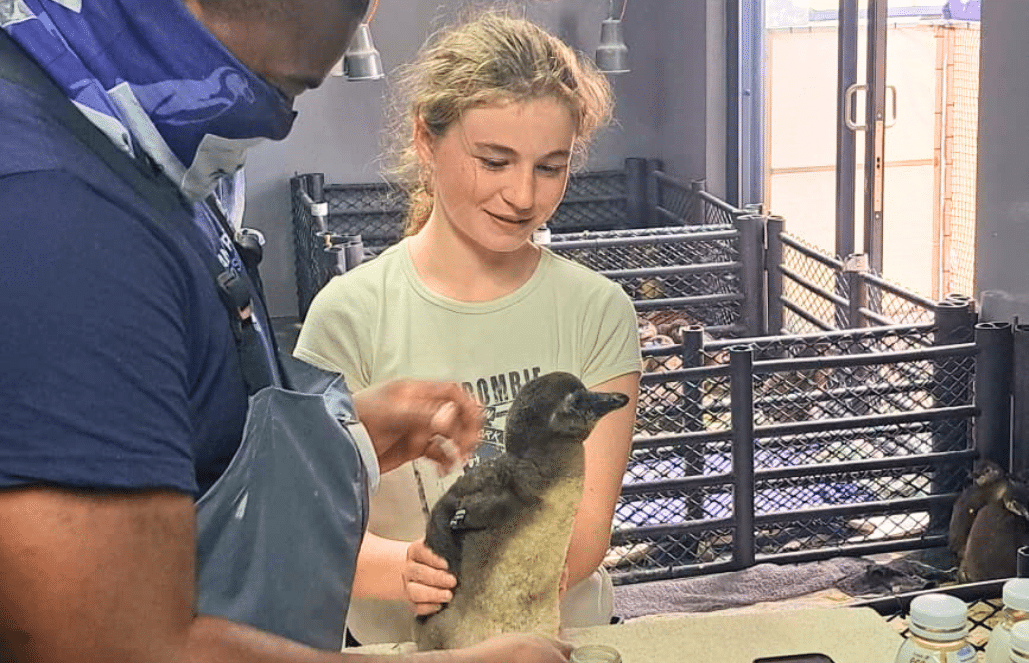
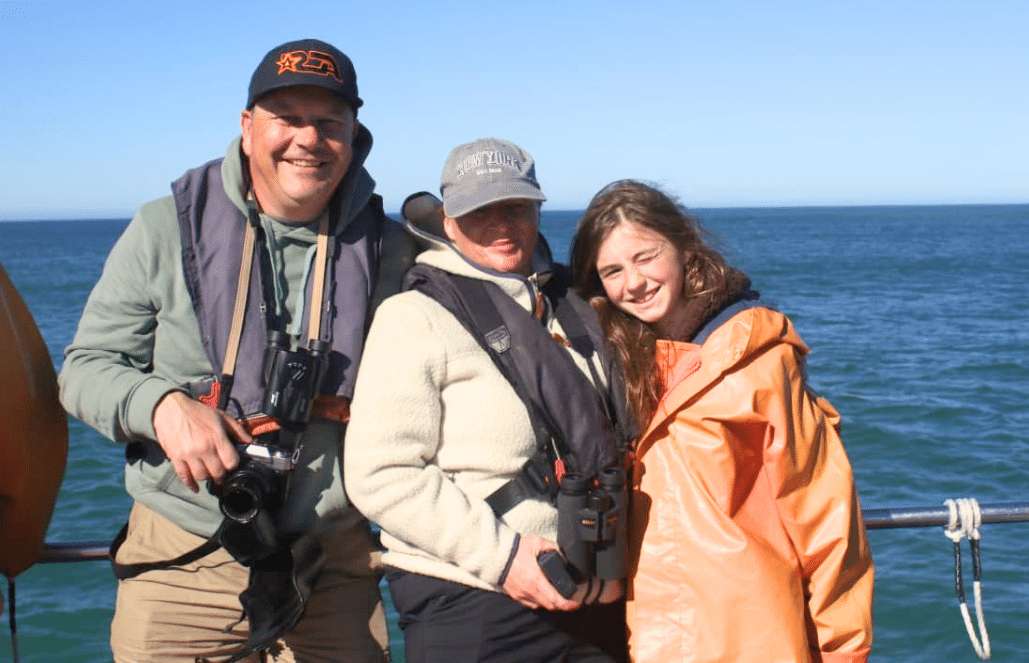
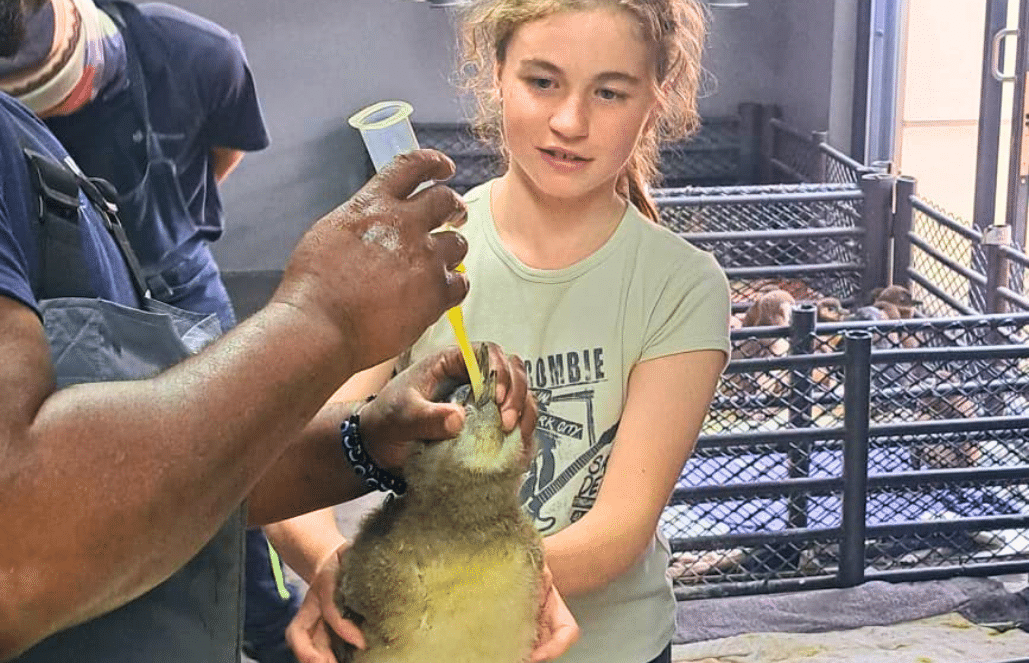
Meet rescued African penguins and learn about the work of the local seabird rehabilitation center. Families support the penguin nest-box project before joining a Marine Big Five ocean safari.
Day 3 – Shark Egg Cases, Caves and Beach Time
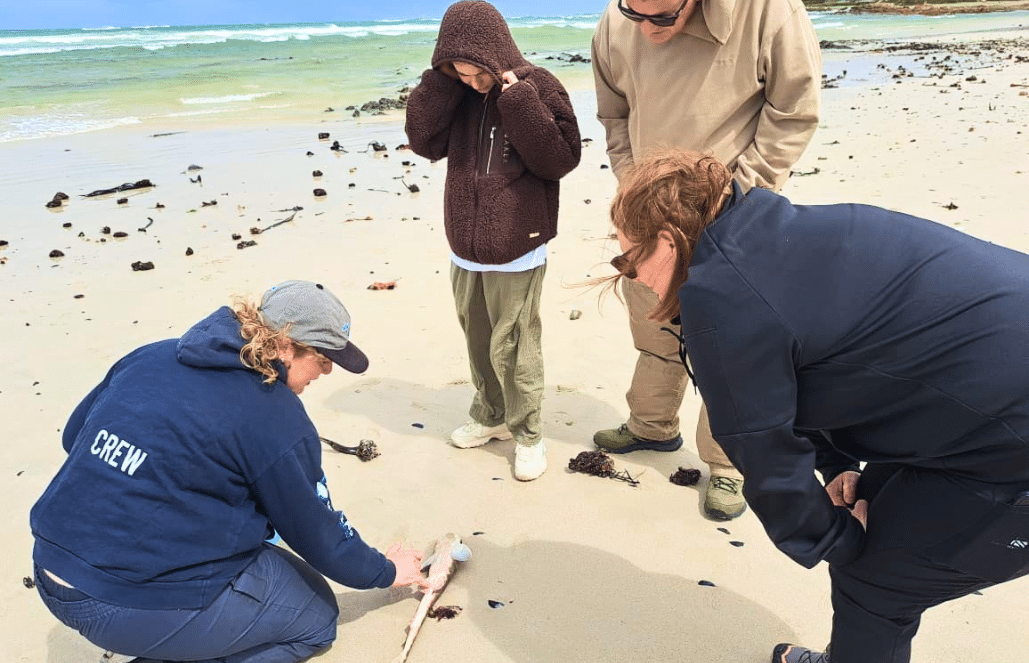
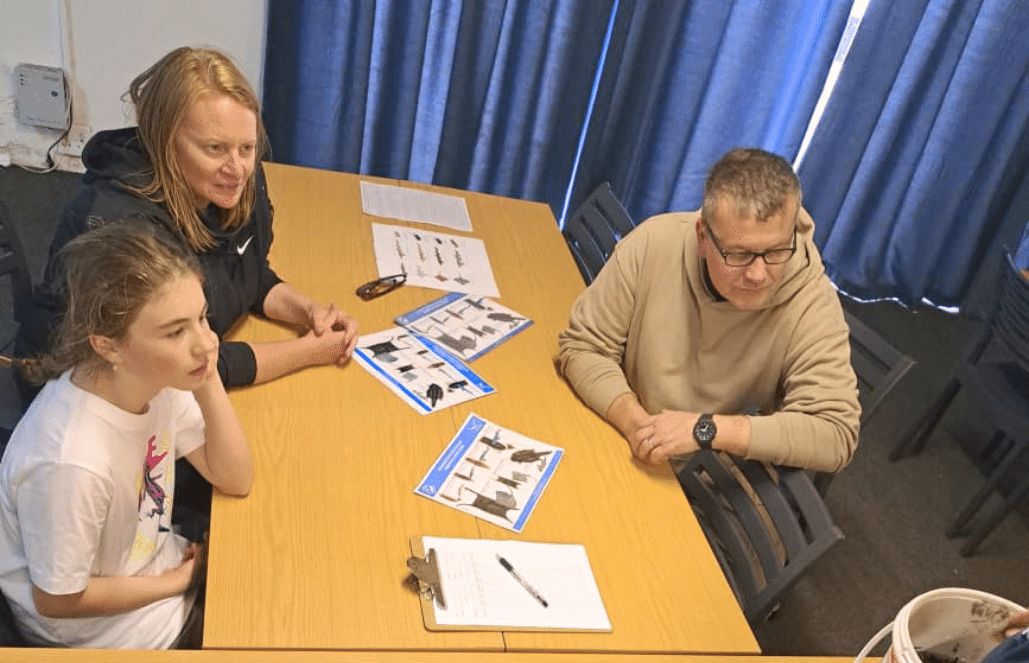
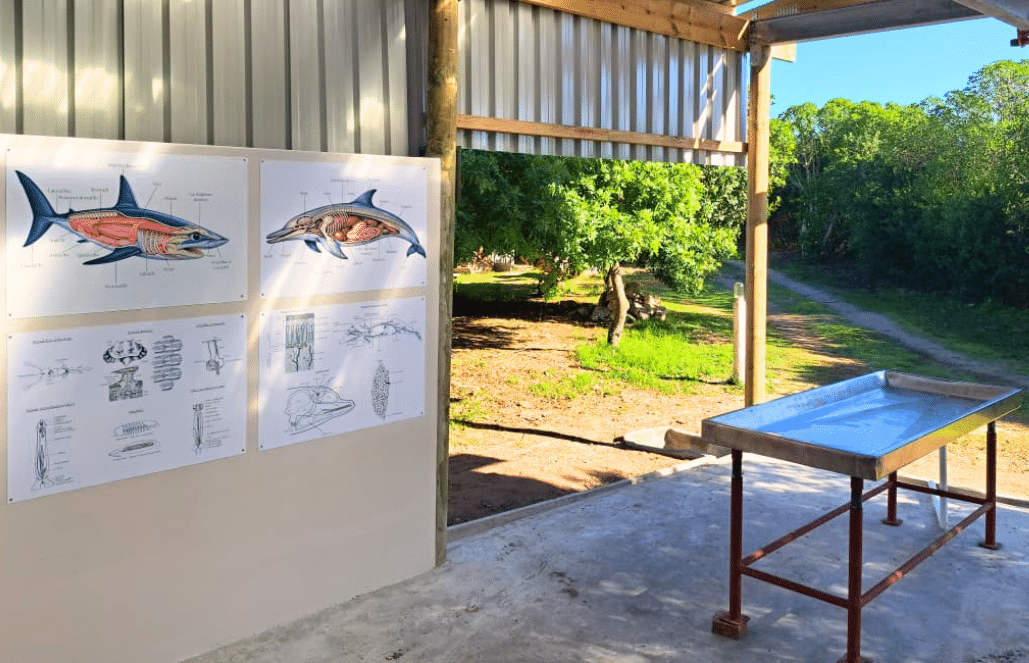
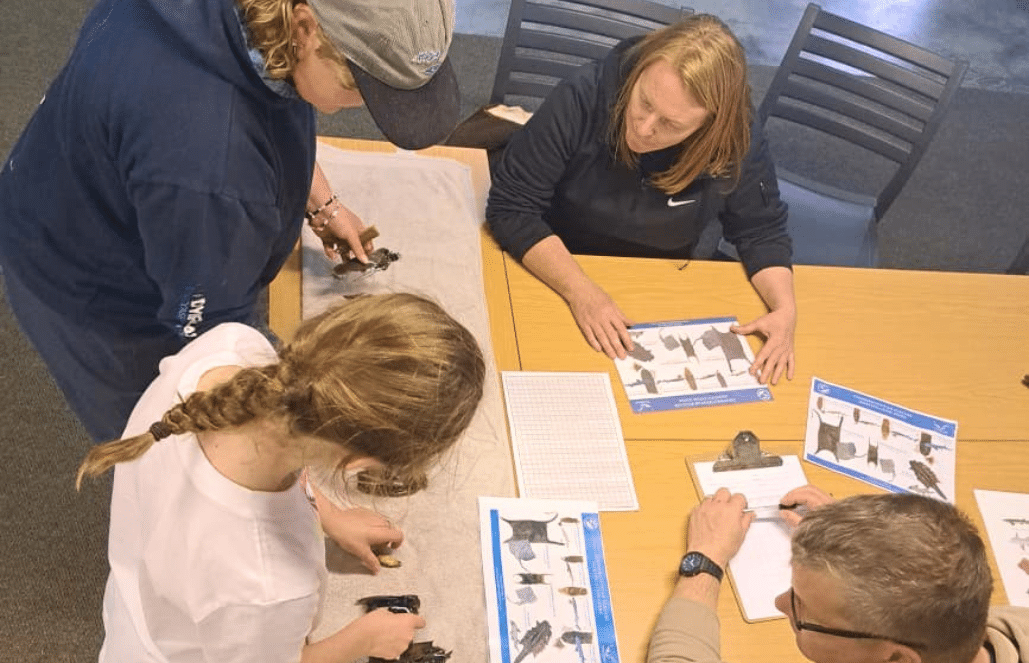
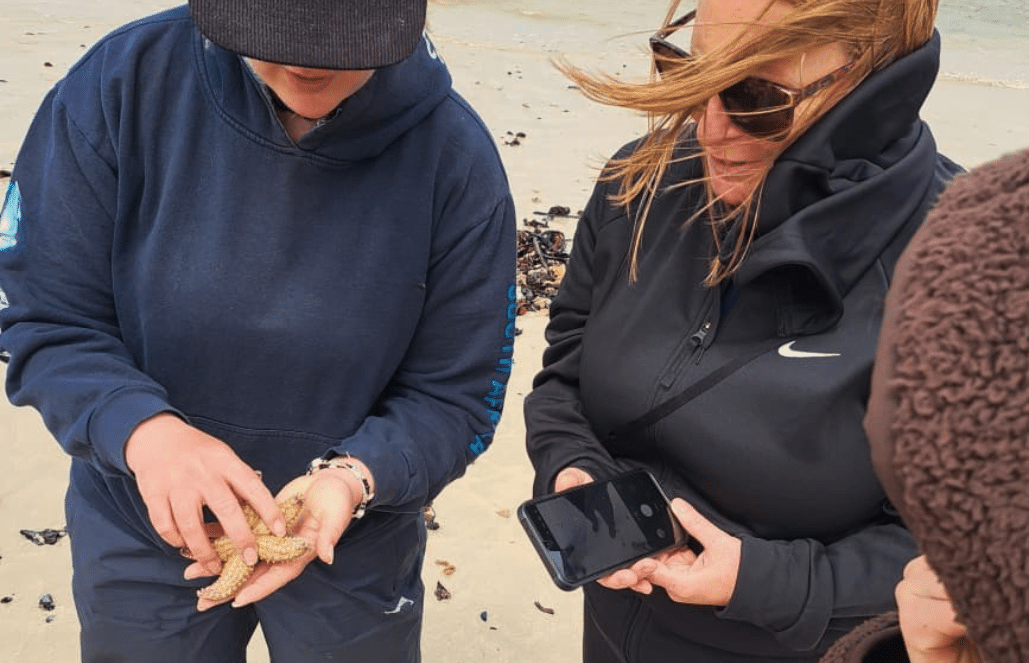
Explore the coastal landscape during a hike to Klipgat Caves and enjoy time at Die Plaat Beach. Families collect shark egg cases and examine their findings with a marine biologist to learn about local shark species and breeding patterns.
Day 4 – Penguin Sanctuary and Horse Riding
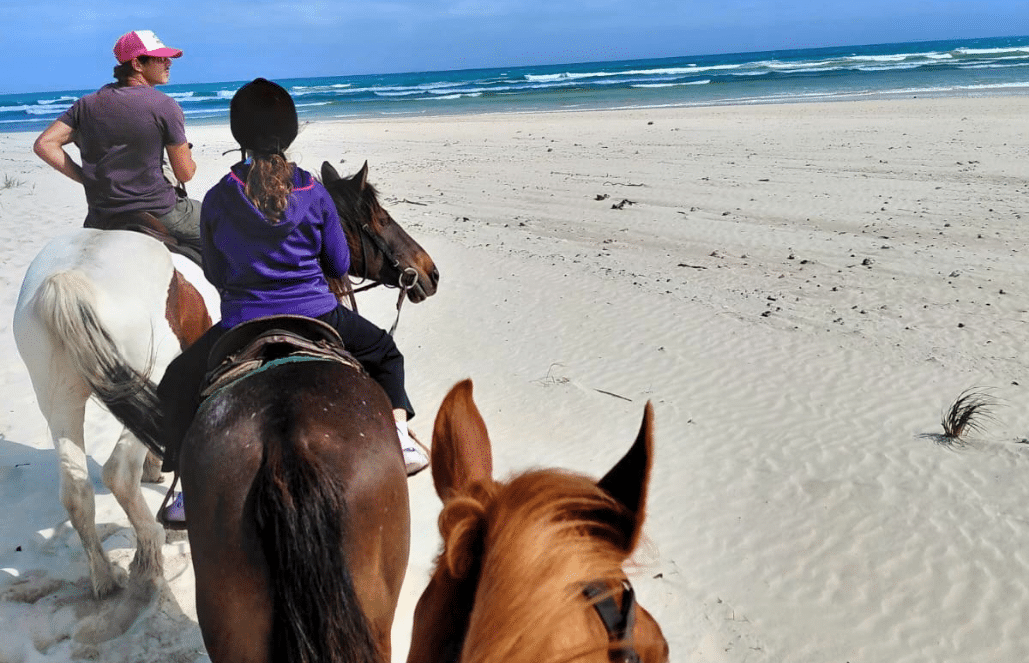
Assist with activities at the African penguin and seabird sanctuary. Later, enjoy a guided horseback ride along the beach.
Day 5 – Shark Dive and Kelp Forest
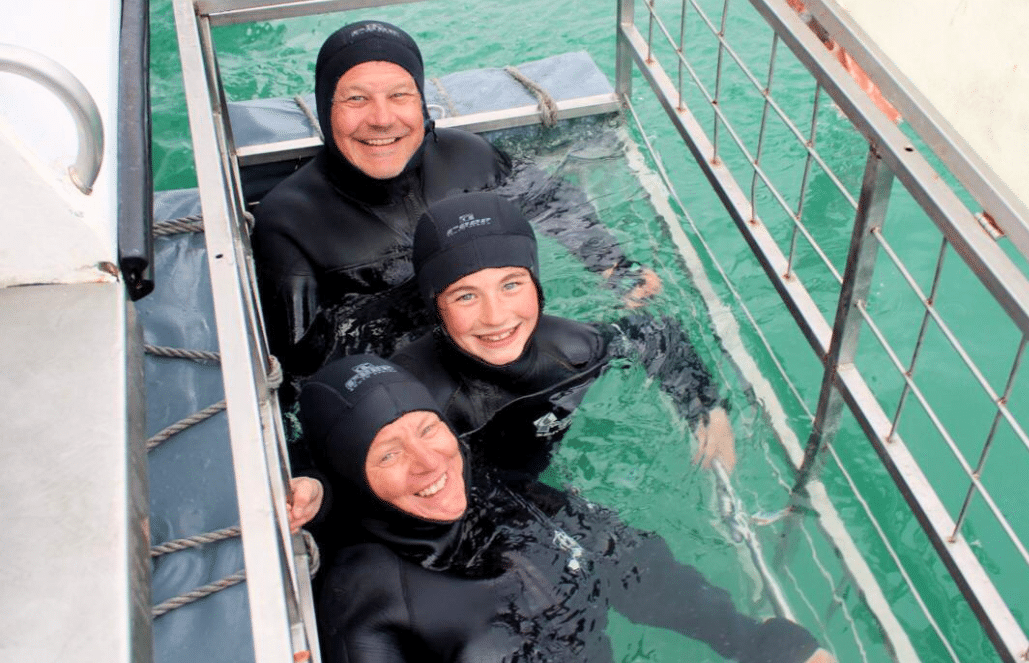
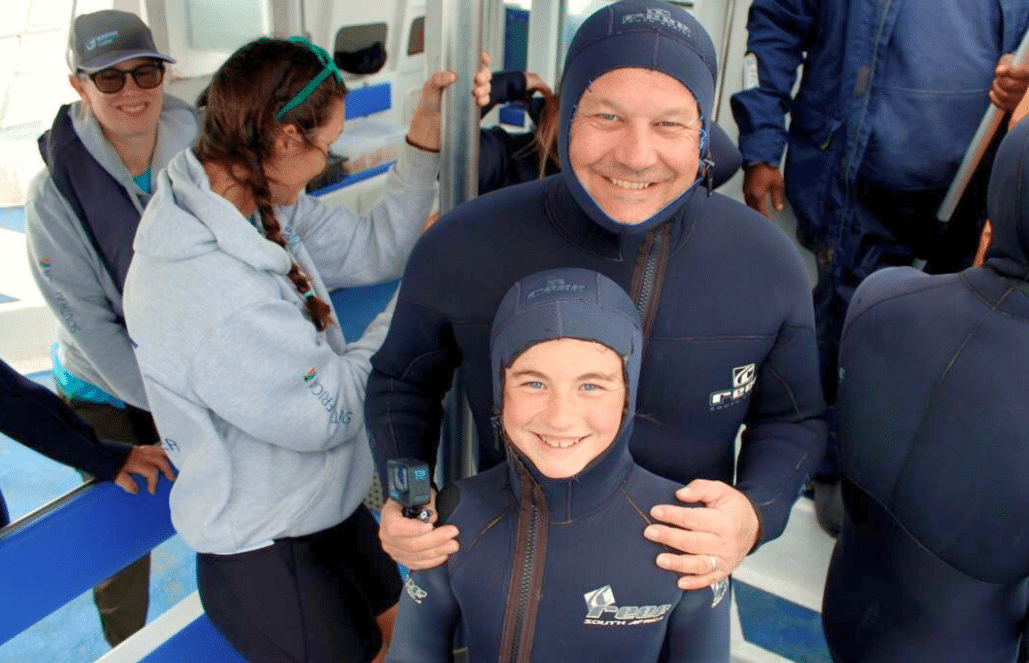
Join a shark cage diving experience and observe sharks in their natural environment. The program concludes with a snorkeling experience among the kelp forests.
Activities may change slightly because of weather, sea conditions, and seasonal factors.


What’s Included


What’s not Included

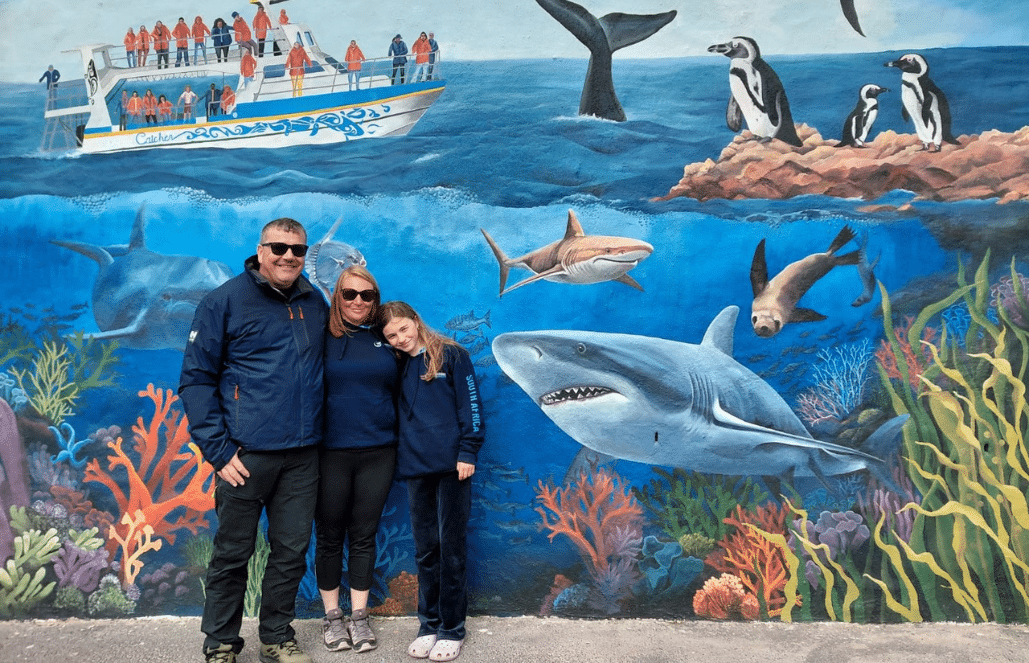
The program takes place in Gansbaai, a coastal town in South Africa’s Western Cape. It is situated close to Dyer Island and the surrounding marine ecosystem near the southern tip of Africa. This area is associated with the Marine Big Five: sharks, whales, dolphins, Cape fur seals, and African penguins. Dyer Island is home to breeding colonies of endangered African penguins and 15 other seabird species. Nearby Geyser Rock supports a resident population of approximately 40,000 Cape fur seals. Great white sharks may visit the region, while bronze whaler sharks are also found in the surrounding waters. Southern right whales migrate to the area between June and December, and humpback and Bryde’s whales may also be observed. Several dolphin species occur along this coastline, including common, Indo-Pacific bottlenose, and endangered Indian Ocean humpback dolphins. Families also explore beaches, caves, kelp forests, and the Uilenkraalsmond Estuary during the program. The combination of wildlife, accessible coastal habitats, and active conservation projects makes Gansbaai a suitable setting for families interested in nature and marine science.

The five-day program introduces families to local marine conservation through activities that are practical, educational, and suitable for children aged seven and older. Families work with marine biologists while monitoring an estuary, cleaning fishing-line collection bins, examining shark egg cases, and learning about the rehabilitation of African penguins and other seabirds. They also contribute financially to penguin conservation through the included conservation contribution and support a project that provides artificial nesting spaces for African penguins.
The conservation activities are combined with guided wildlife and outdoor experiences, including a Marine Big Five ocean safari, shark cage diving, kelp forest snorkeling, cave exploration, and horse riding. The exact order and availability of activities may change according to weather, sea conditions, and seasonal factors.
Volunteer Tasks May Include
A Typical Day
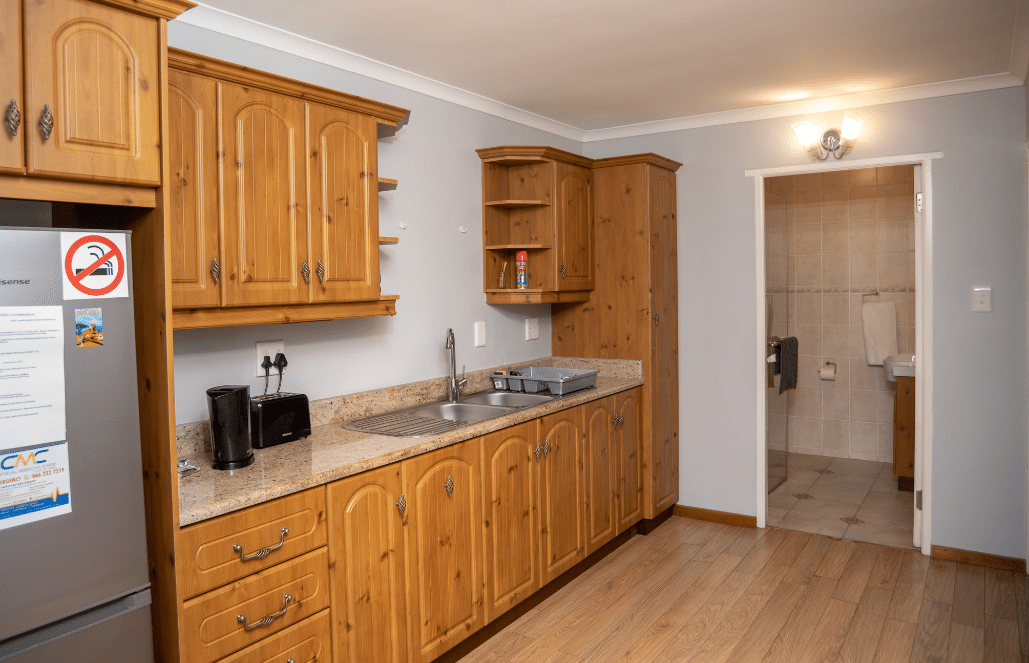
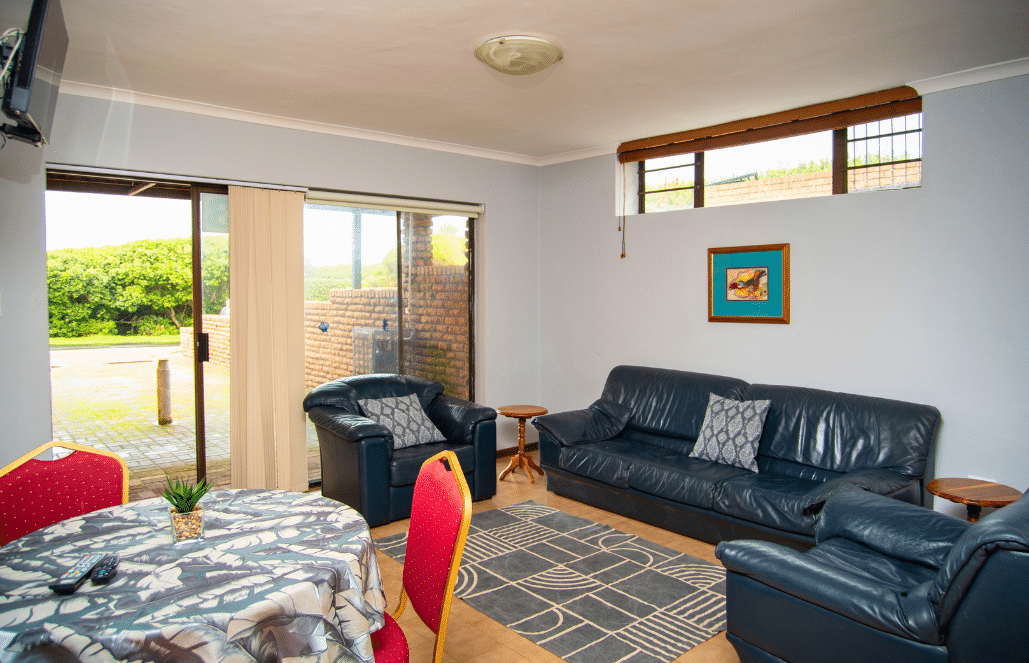
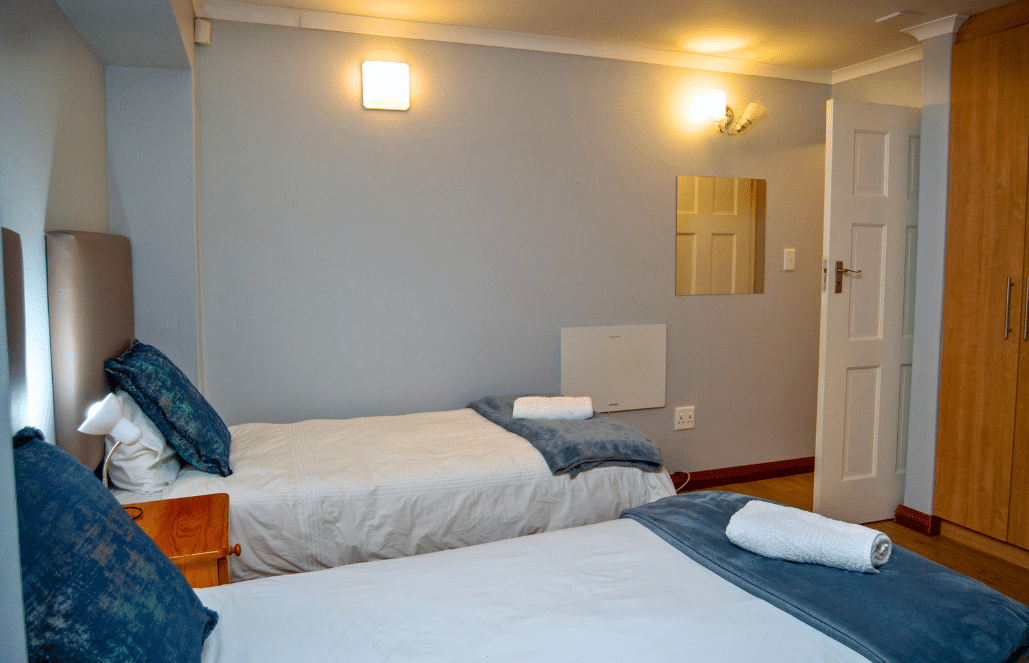
A typical day begins with breakfast at the family accommodation before meeting the program team for the day’s activity. Depending on the itinerary, the family may join a marine biologist for field monitoring, visit the seabird sanctuary, search for shark egg cases, or take part in an ocean-based experience. Activities may continue through the morning and afternoon, with time allowed for lunch at the family’s own expense. Families return to their self-catering accommodation after the day’s program and arrange dinner independently.
Daily plans remain flexible because boat trips, snorkeling, shark cage diving, and outdoor fieldwork depend on safe weather and sea conditions. Wildlife sightings cannot be guaranteed.


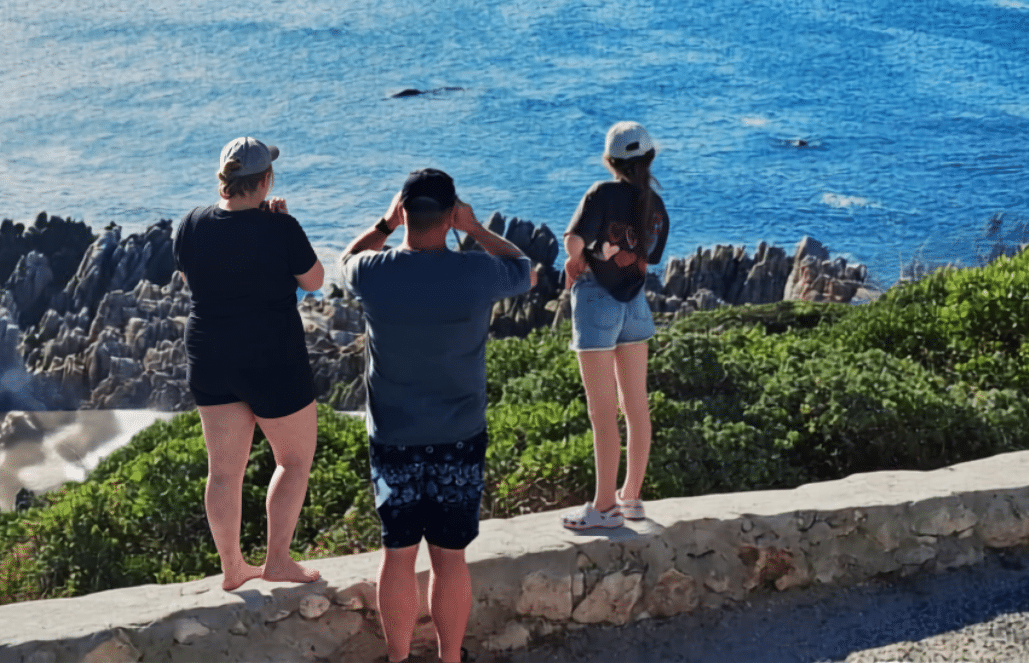
This family program includes several of the region’s main coastal and wildlife experiences. Families join a Marine Big Five ocean safari in the waters around Dyer Island, where sharks, whales, dolphins, seals, and African penguins may be encountered. Wildlife sightings vary by season and are never guaranteed. The shark cage diving experience offers a chance to observe sharks from the water under the supervision of the boat team. Families also snorkel through a kelp forest, one of the Western Cape’s most distinctive underwater habitats. On land, the itinerary includes a hike to Klipgat Caves along the coast. Families can also swim and relax at Die Plaat Beach. A guided horseback ride provides another way to experience the local shoreline. The penguin sanctuary visit introduces children and adults to the rescue and rehabilitation of injured, oiled, or ill seabirds. Estuary monitoring and shark egg-case collection turn visits to the beach into practical marine science activities. Together, these experiences combine family travel with a clear focus on wildlife, learning, and conservation.

