

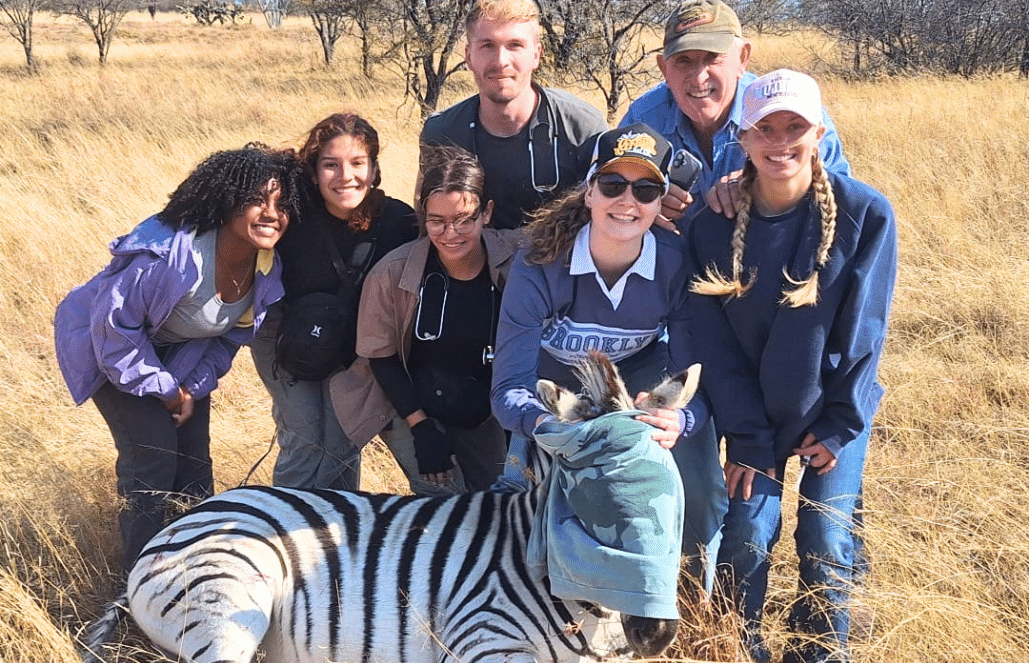
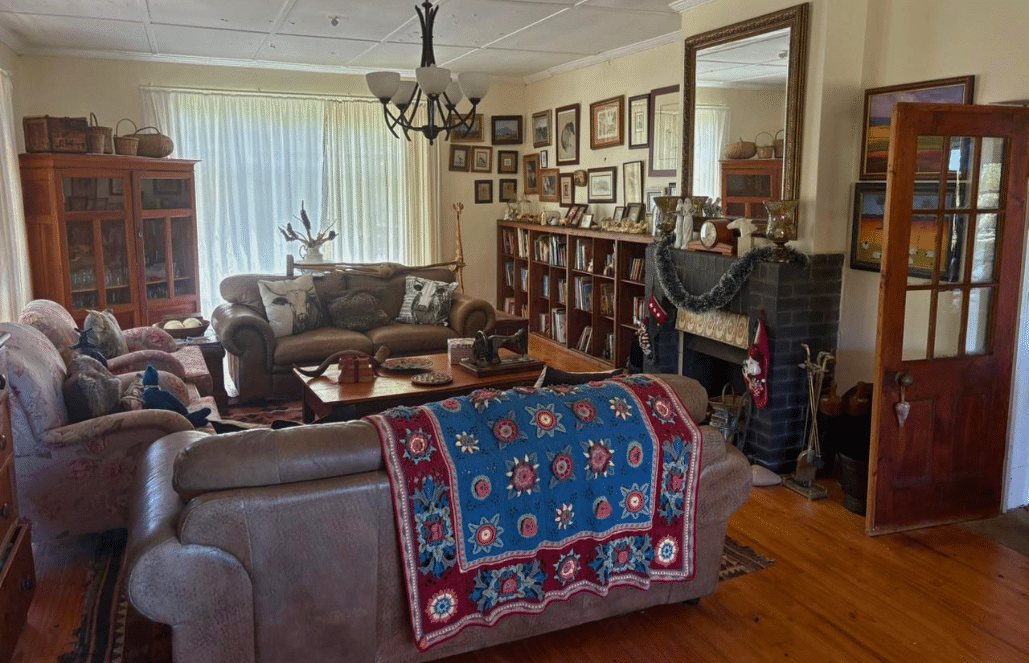
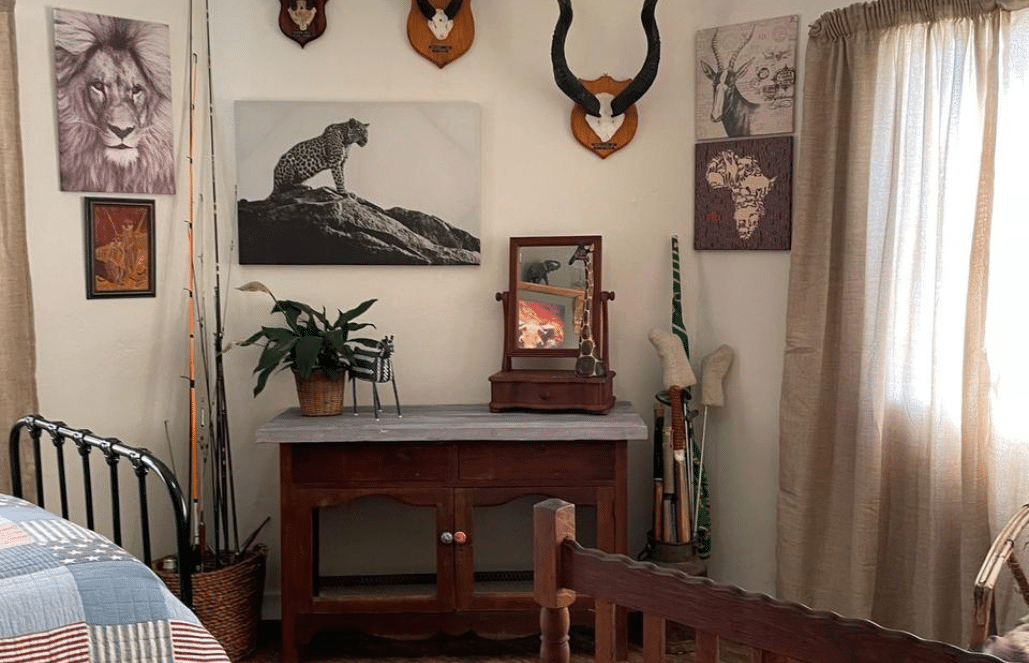

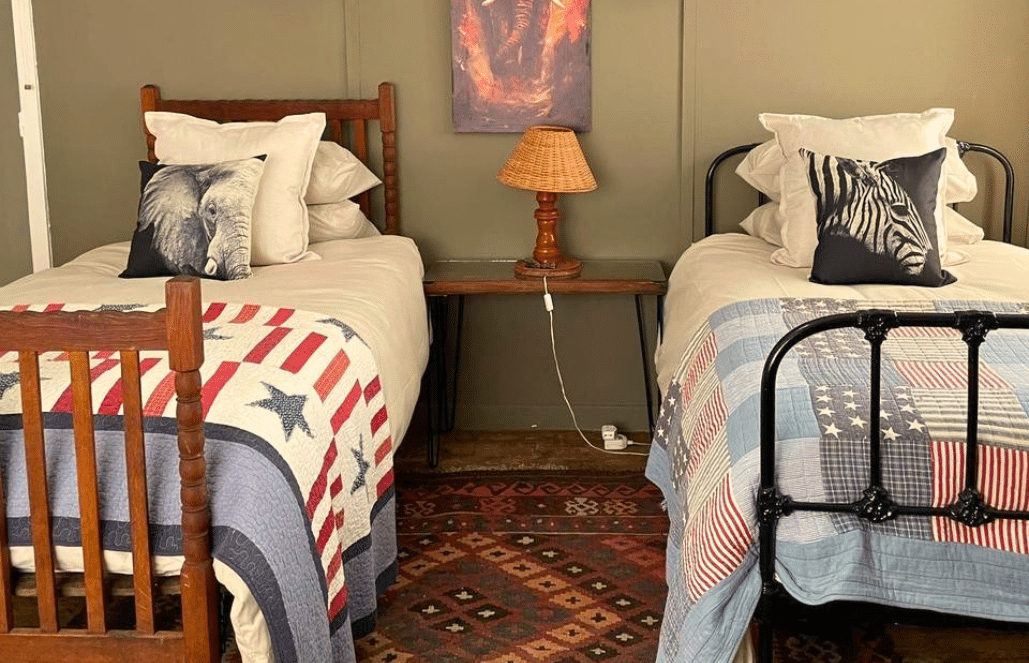
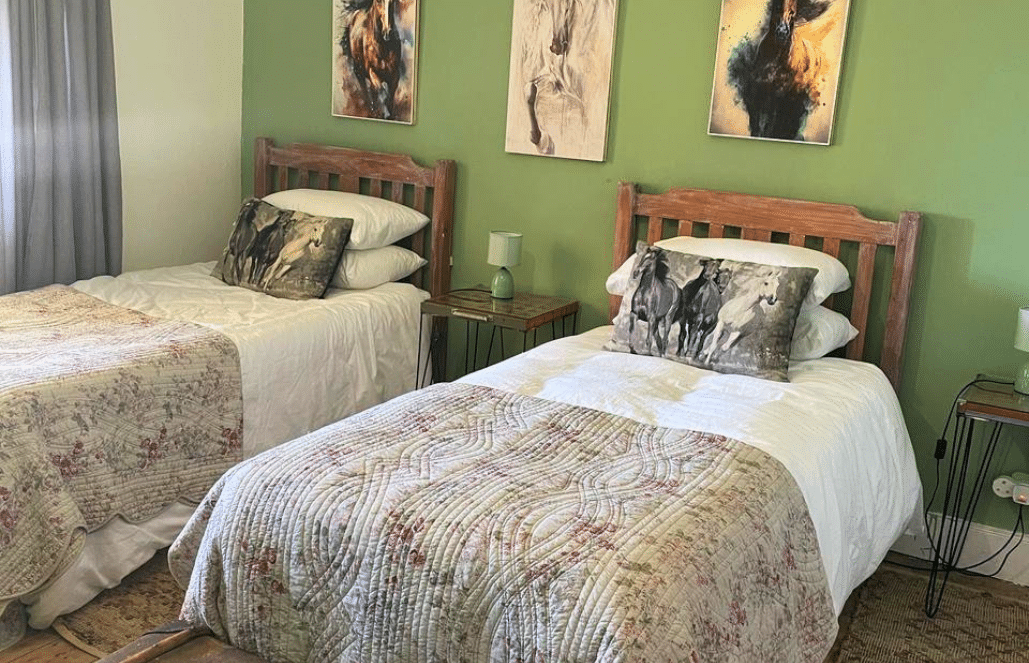

Join a pre-veterinary internship in South Africa that offers hands-on experience with farm animals, wildlife, and veterinary practices. Based on a working farm, participants take part in daily animal care, fieldwork, and guided learning sessions. The program combines practical experience with lectures, visits to nearby reserves and farms, and a two-day safari. Each day is varied, providing exposure to animal health, farm management, conservation, and wildlife-related practices.
Program Highlights:
Your Schedule at a Glance (Minimum Two-Week Commitment):
Arrival day (Monday):
Arrive at the East London airport in South Africa and transfer to the farm. The day includes a brief introduction and a nearby game-viewing activity or animal encounter.
Typical weekdays (Tuesday-Friday):
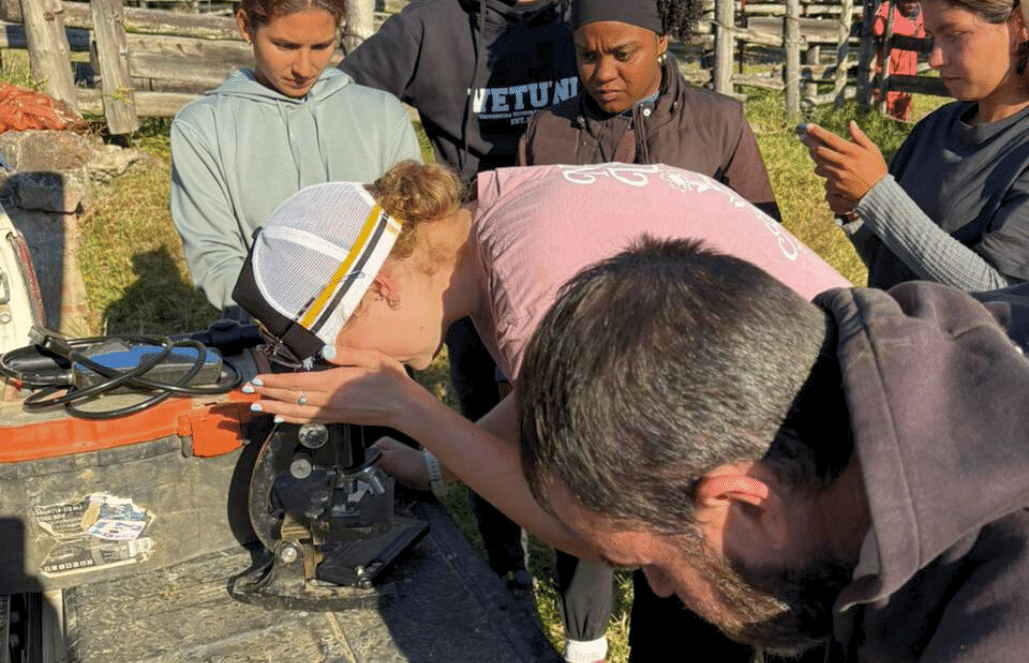
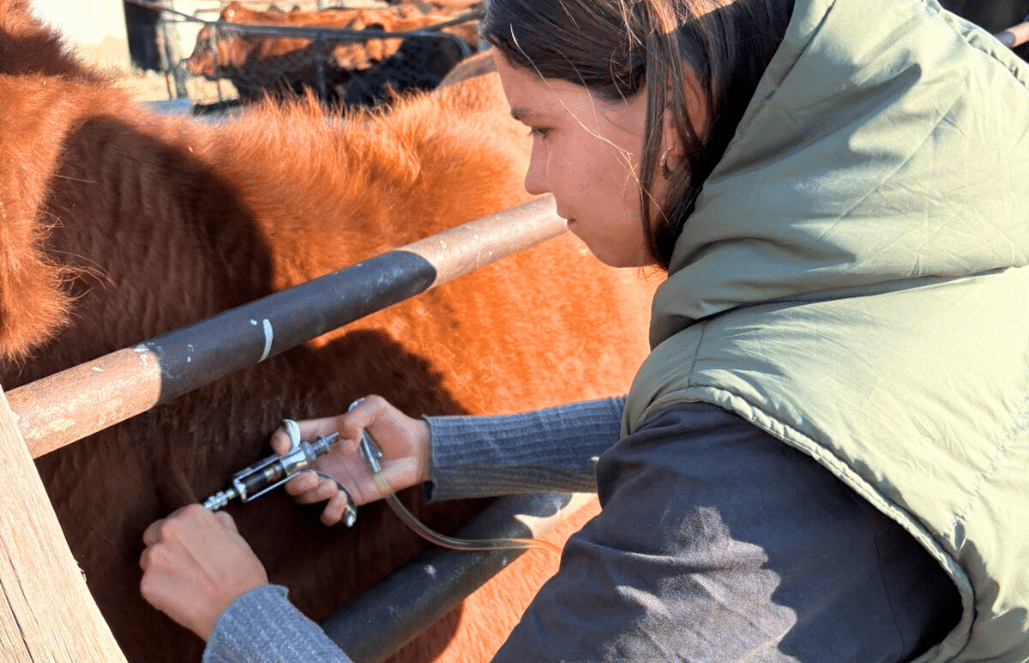
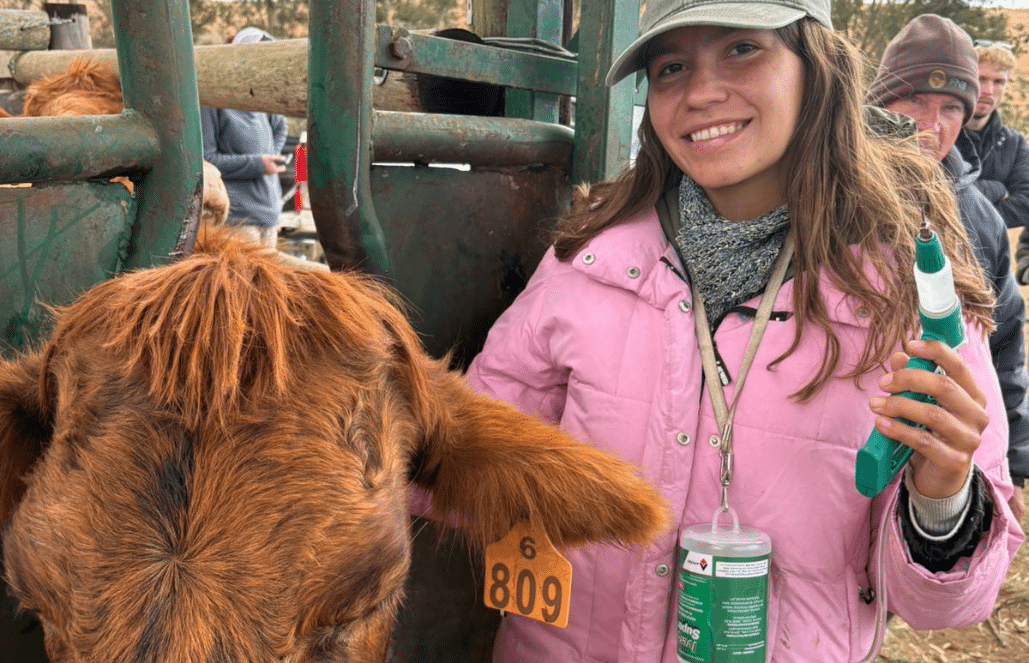
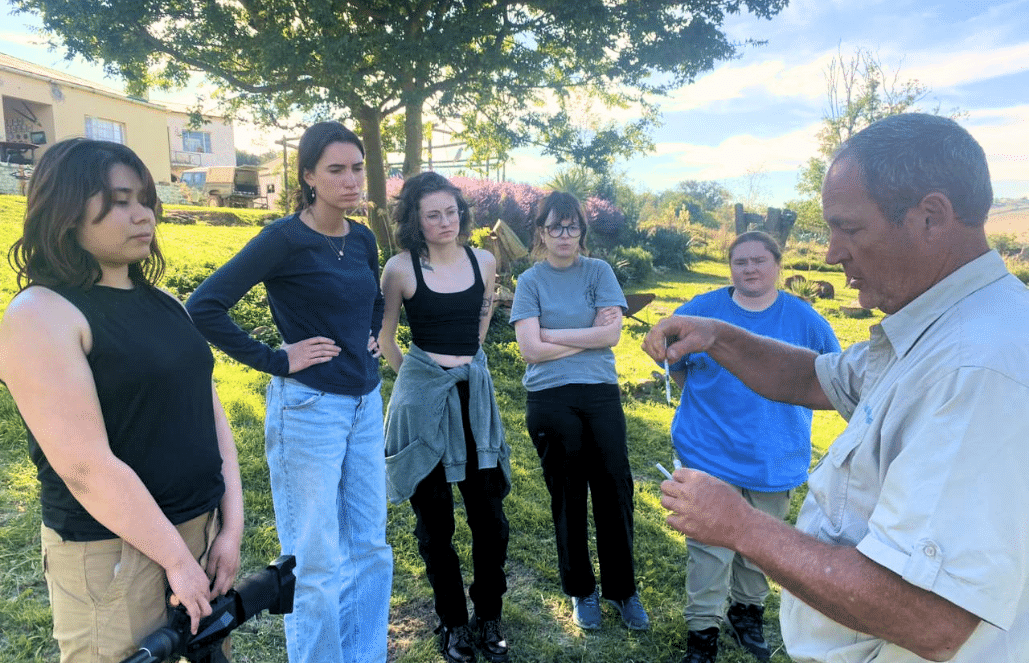
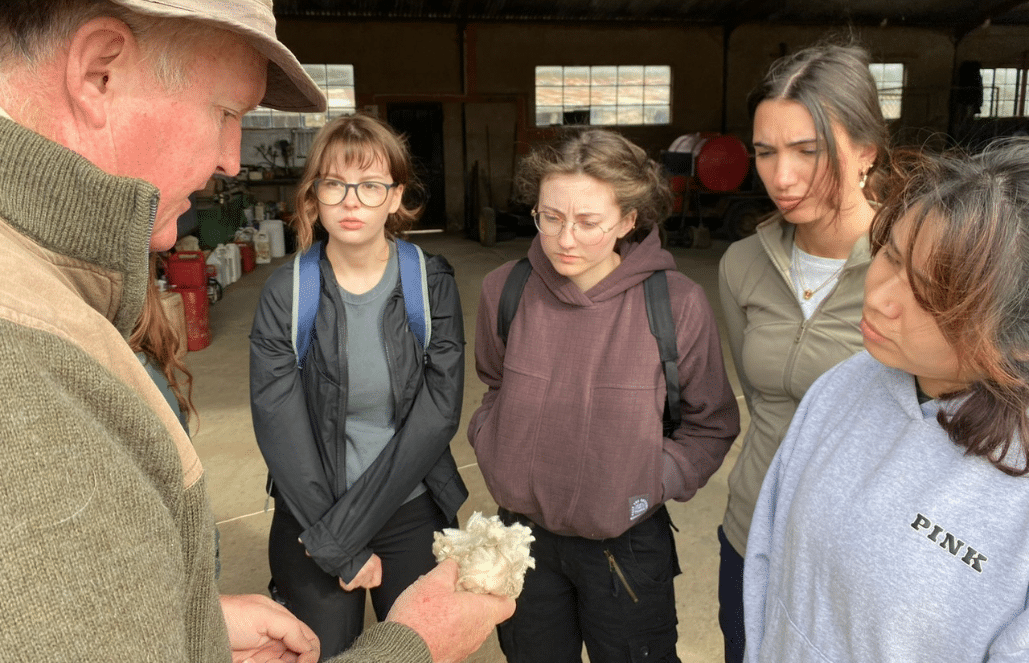
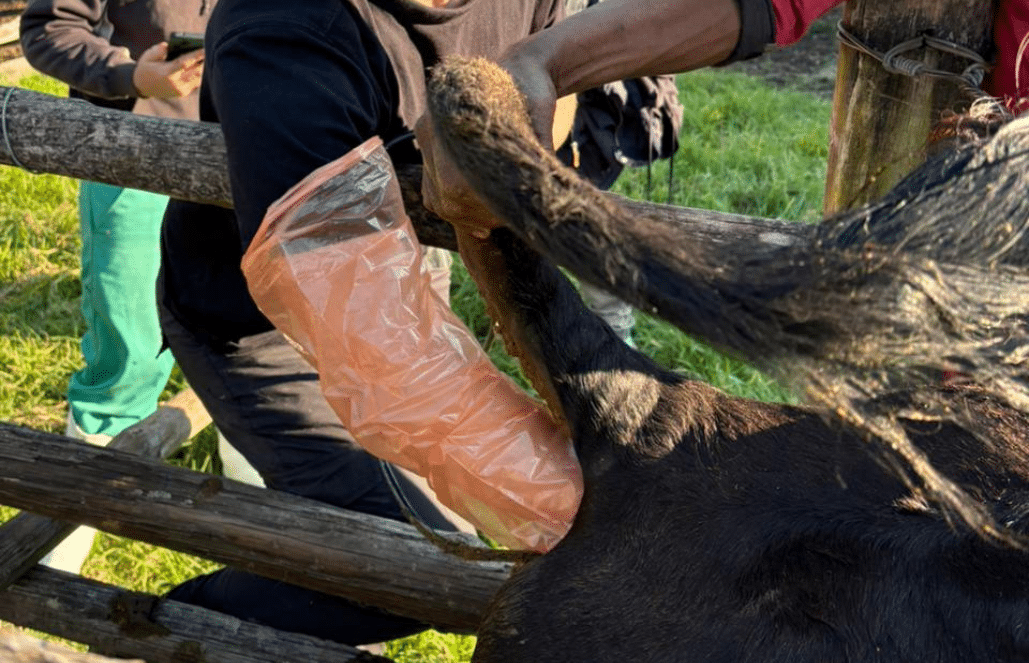
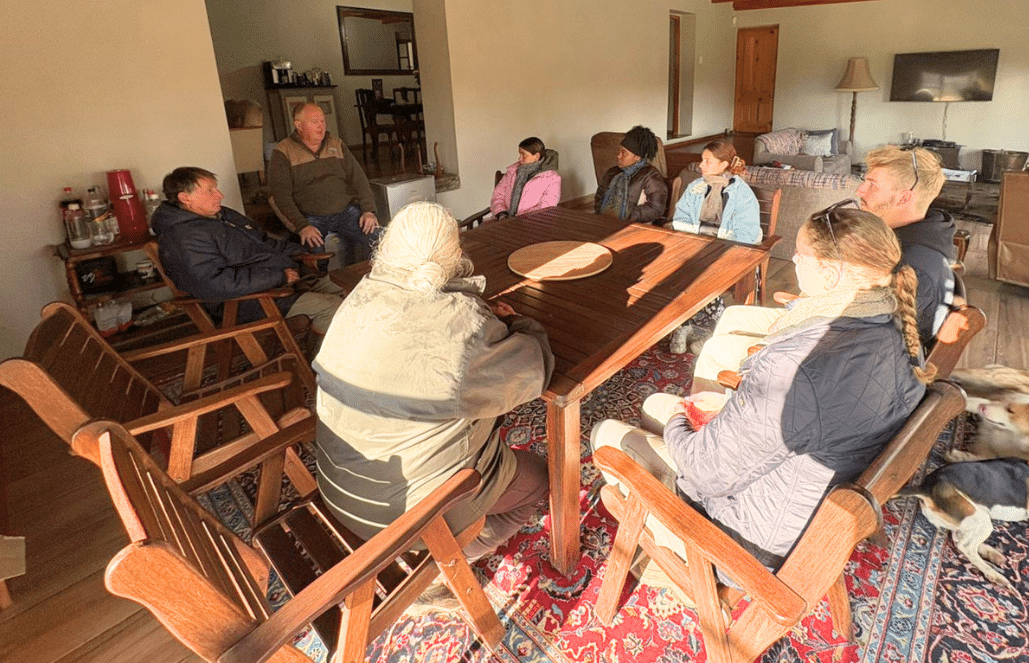
Days combine practical fieldwork with learning sessions. You will assist with animal care, observe veterinary procedures, take part in farm animal management, or attend lectures on animal health, nutrition, and diseases.
Weekend Activities (Saturday-Sunday):
Weekends include excursions to nearby villages, conservation areas, seaside resort and nature sites. An overnight safari experience at a renowned private game reserve is also included.
Remaining Weeks (Week 2+):
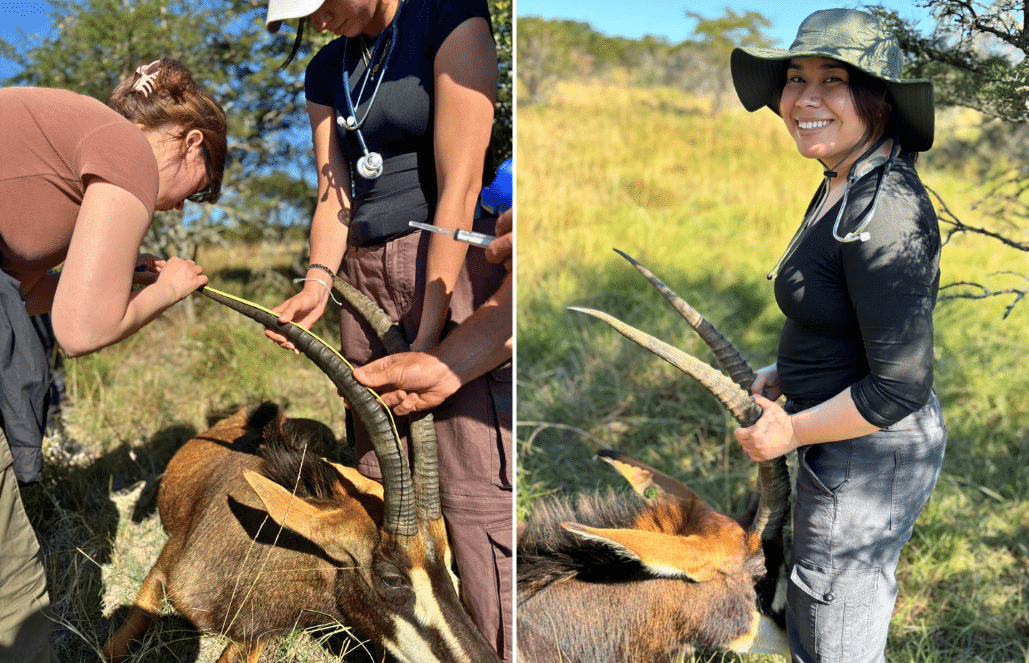
Participants take part in additional practical work and more advanced topics, such as wildlife handling techniques and conservation activities, during the week. Weekends included scheduled tours and activities. Departure is on Monday.
Please note that the schedule is flexible and may change depending on on-site needs, opportunities and weather.


What’s Included


What’s not Included

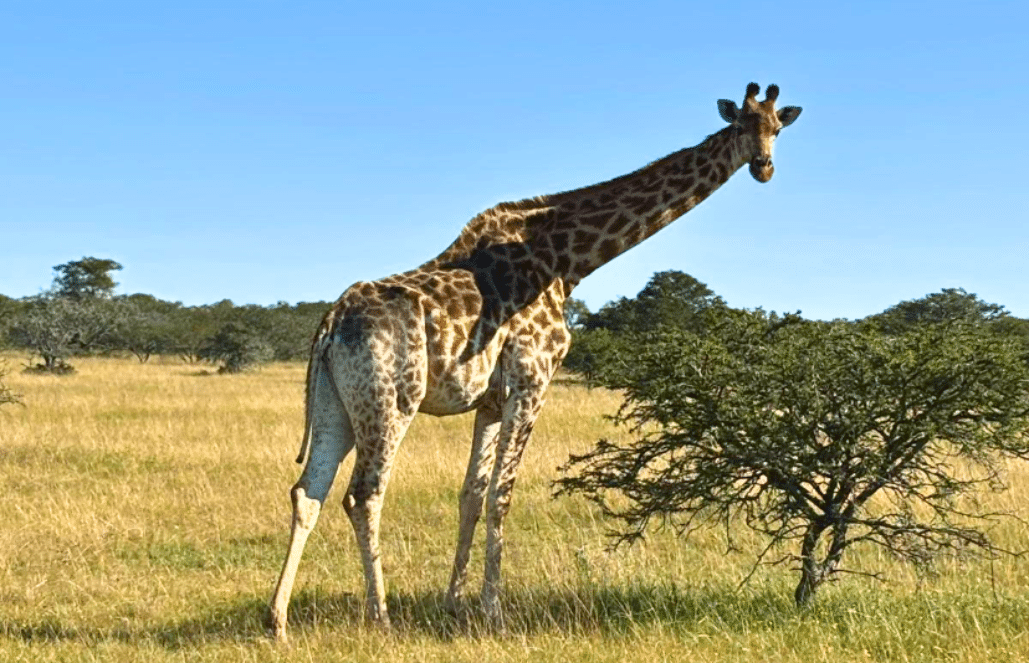
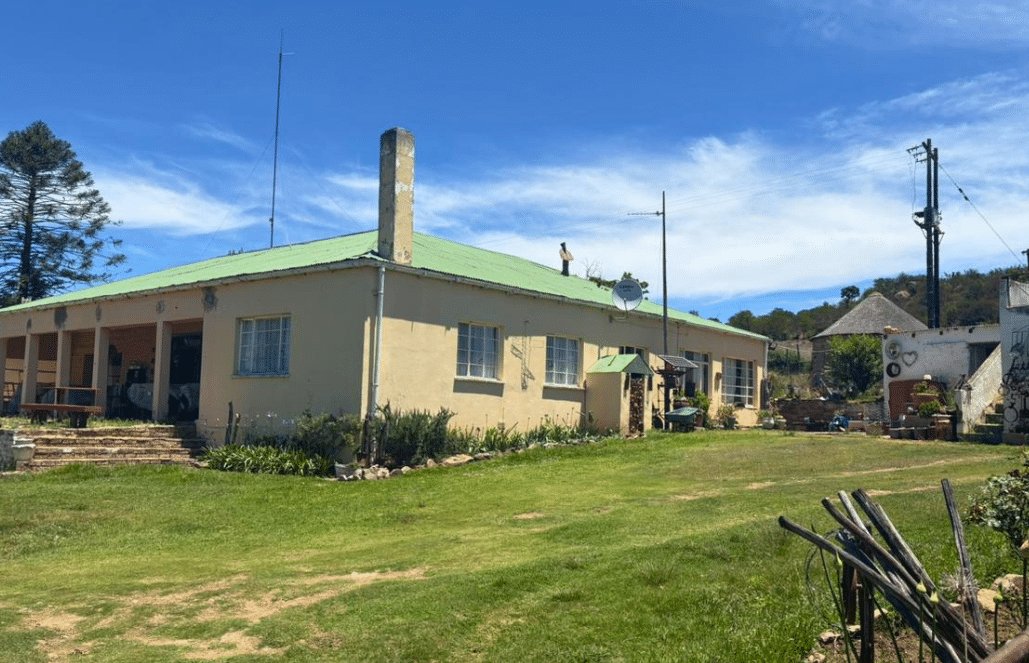
The program takes place in the Cathcart area in South Africa’s Eastern Cape. This region is known for its open landscapes, farmland, and proximity to wildlife areas. The project is based on a working livestock farm, providing a practical environment for learning about animal care and farm management.
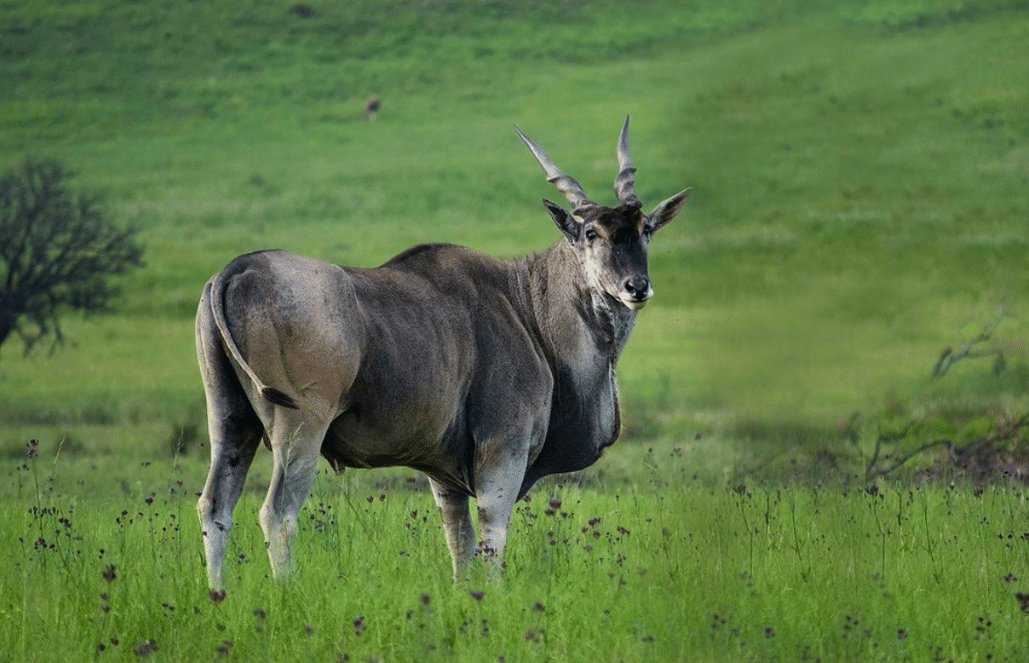
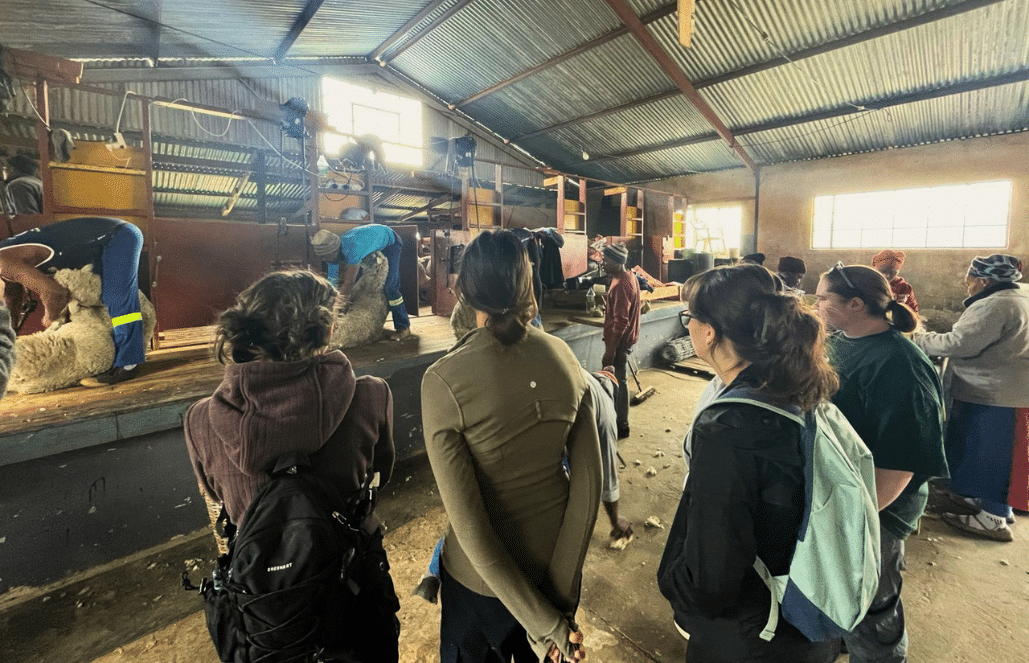
Participants are surrounded by natural scenery, including grazing land, rolling hills, and nearby wildlife habitats. The location offers access to game reserves where animals can be observed in their natural environment. Besides farm-based activities, participants may visit nearby villages and conservation areas.
The Eastern Cape offers a mix of rural life and wildlife experiences. It is less commercial than other regions, allowing for a more local and authentic experience. The climate varies depending on the season, with warmer months in summer and cooler temperatures in winter, especially in the evenings.
This setting allows participants to combine structured learning with outdoor exploration while experiencing different aspects of South Africa’s landscapes and wildlife.

About the Program
This pre-veterinary internship provides hands-on experience in veterinary science, animal care, and conservation. Based on a working farm in South Africa, the program combines daily farm activities with lectures, field visits, and wildlife-related training.
The program is structured around five key components:
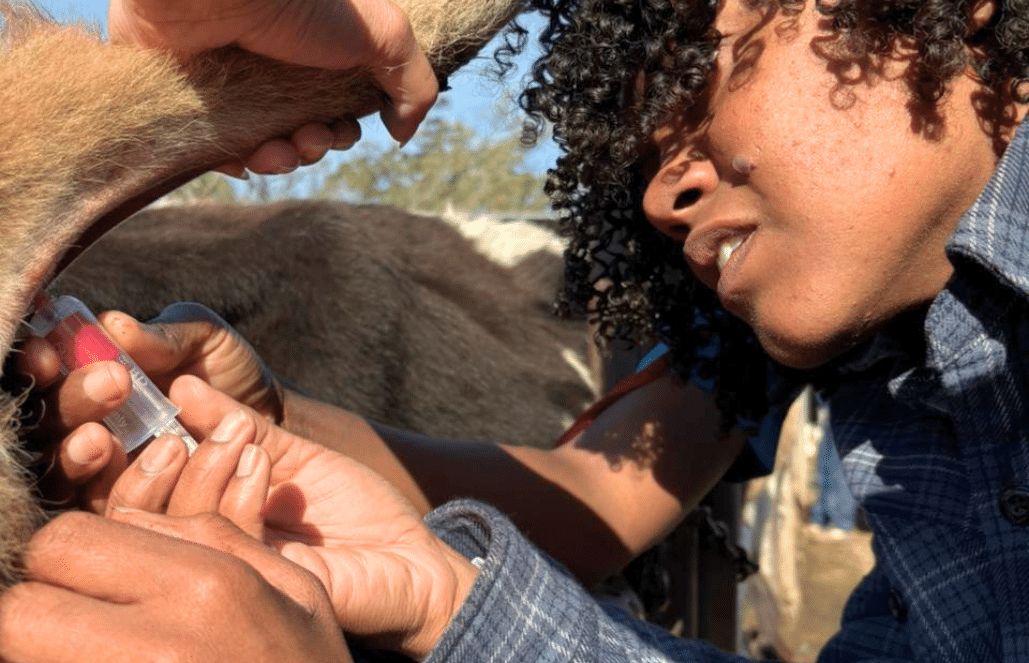
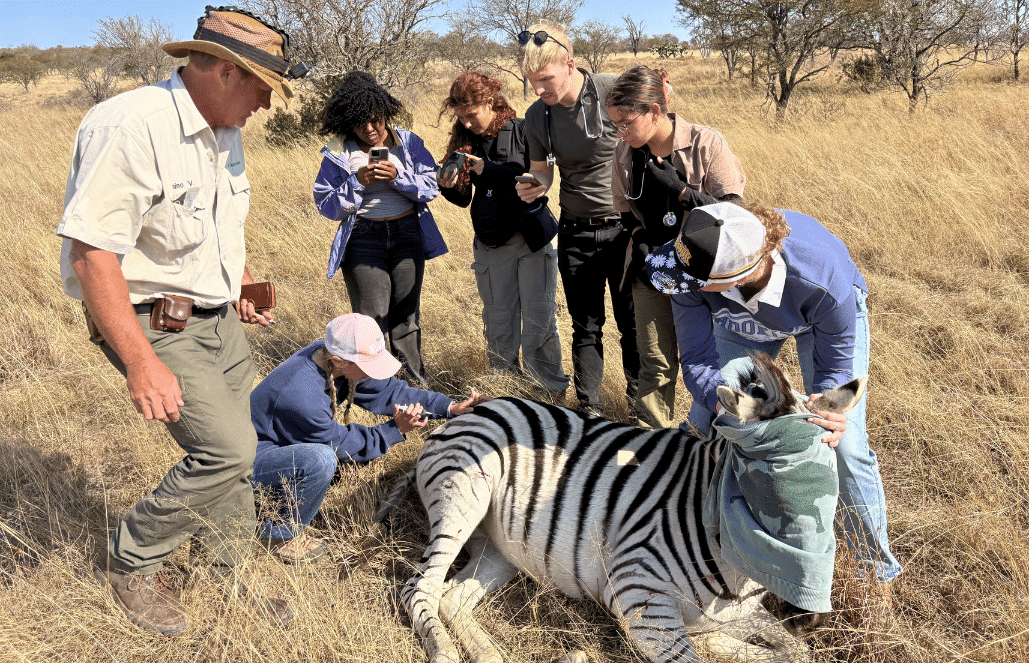
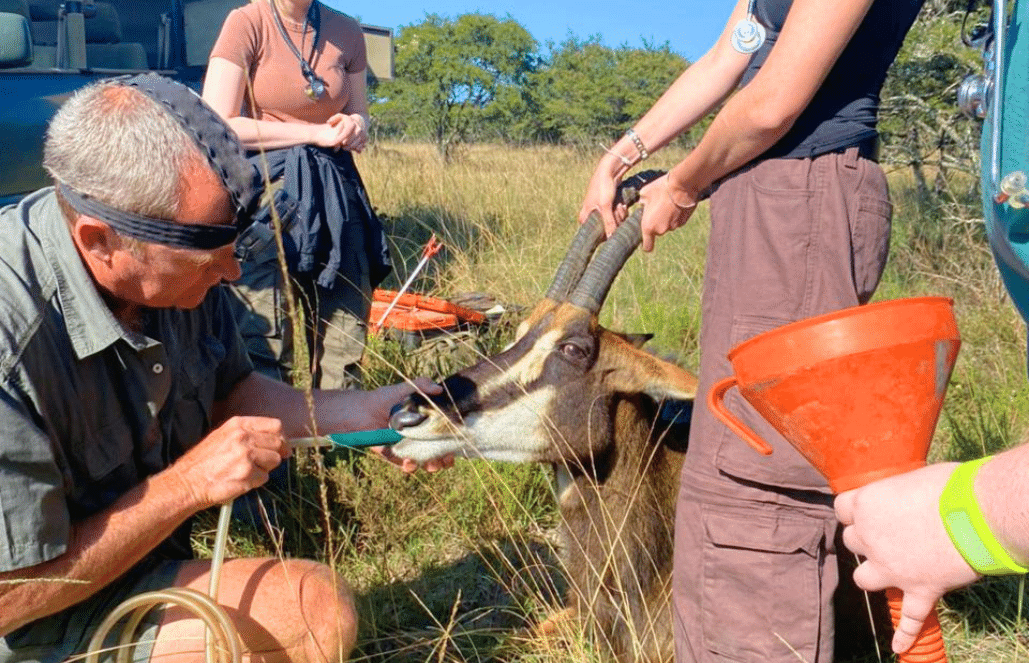
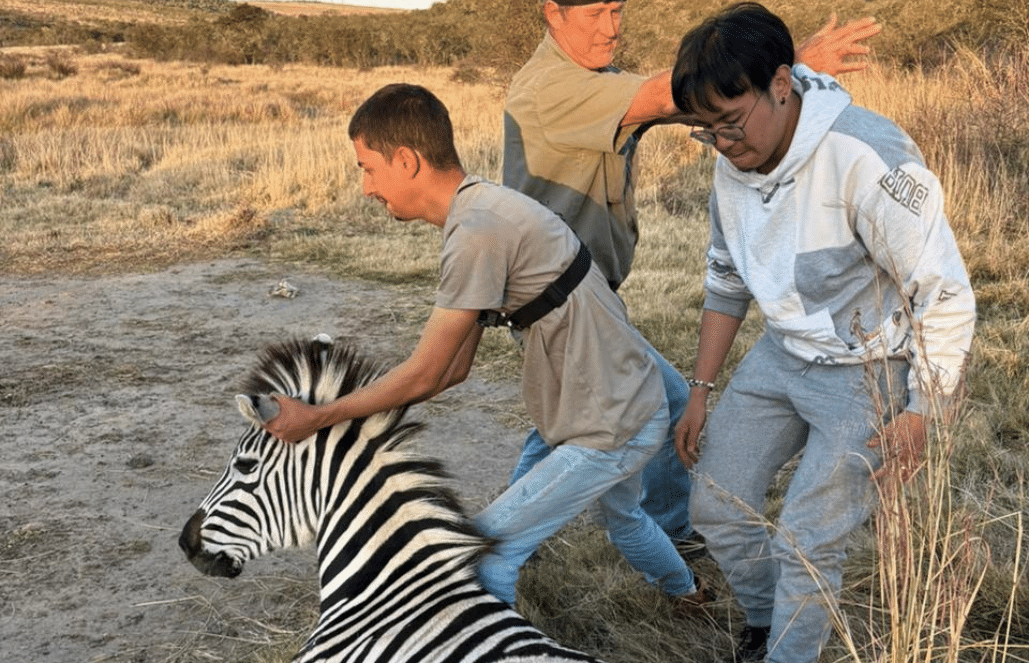
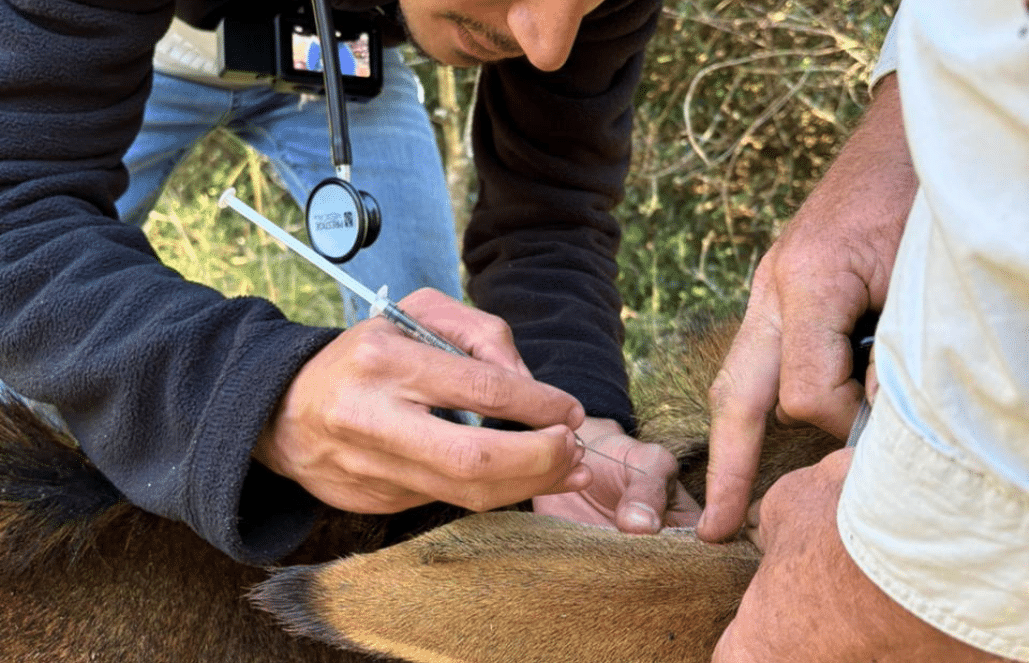
As an intern, you will gain experience across these areas through a combination of practical work, lectures, and field-based sessions. This includes wildlife immobilisation training led by an experienced wildlife veterinarian, with both theory and practical sessions taking place in nearby game farms and reserves.
About the Volunteer Work
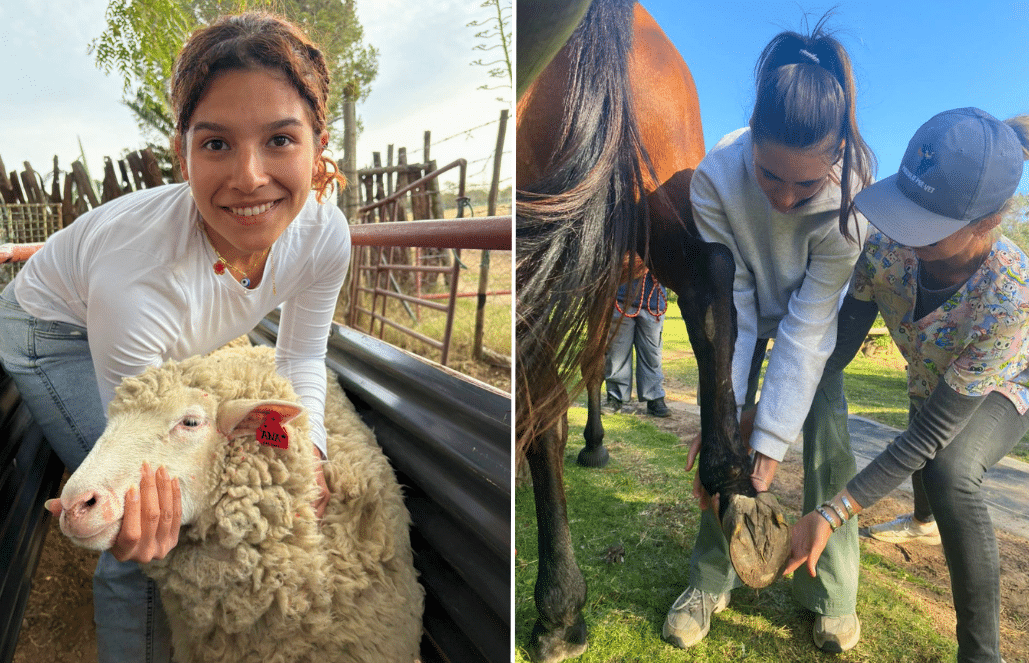
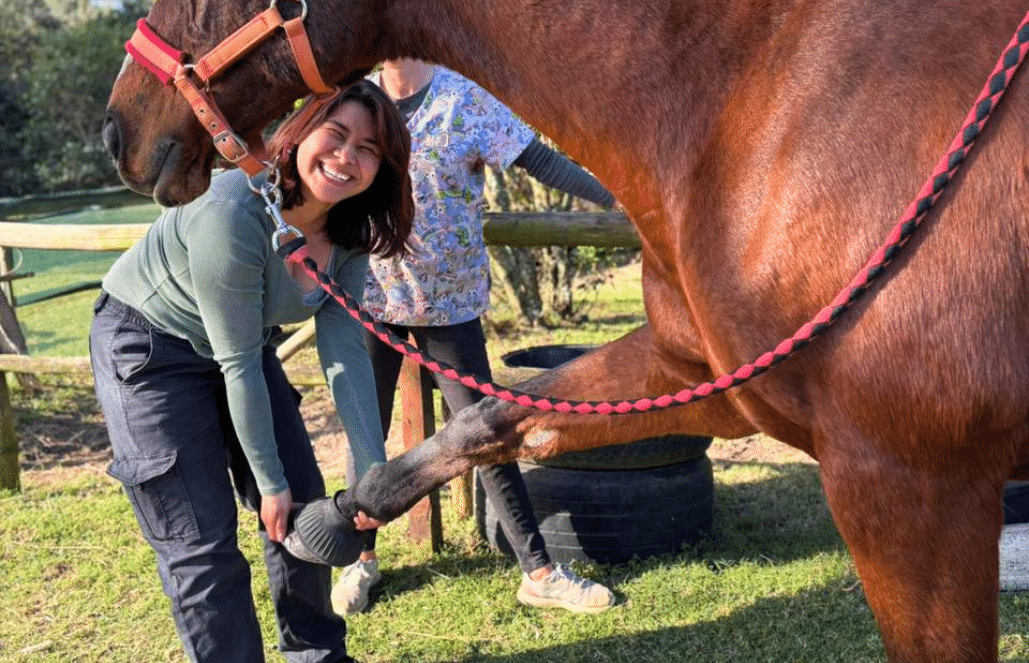
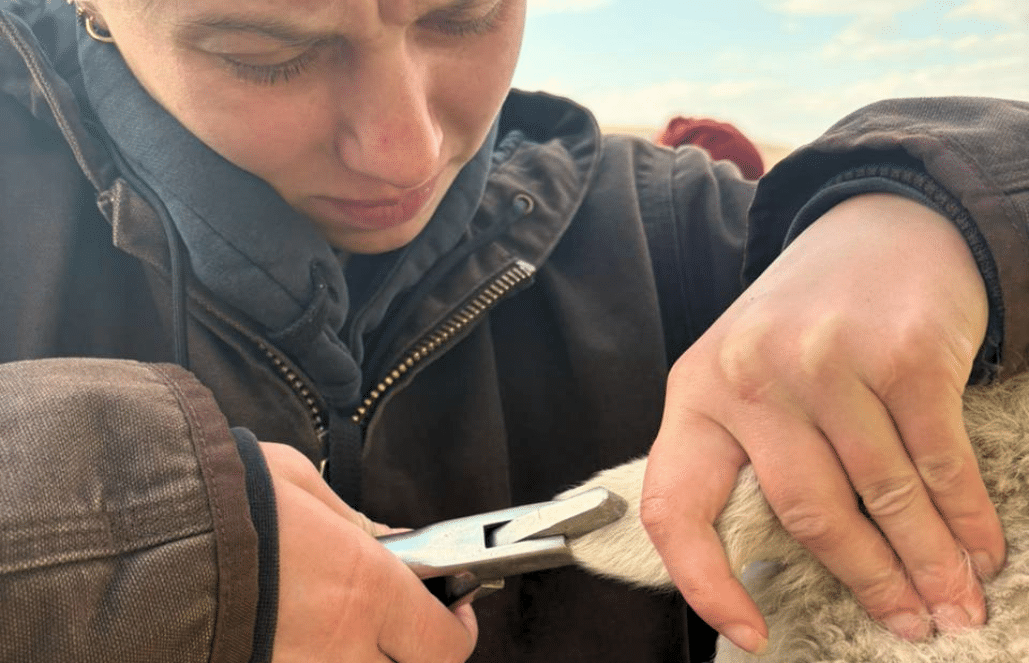
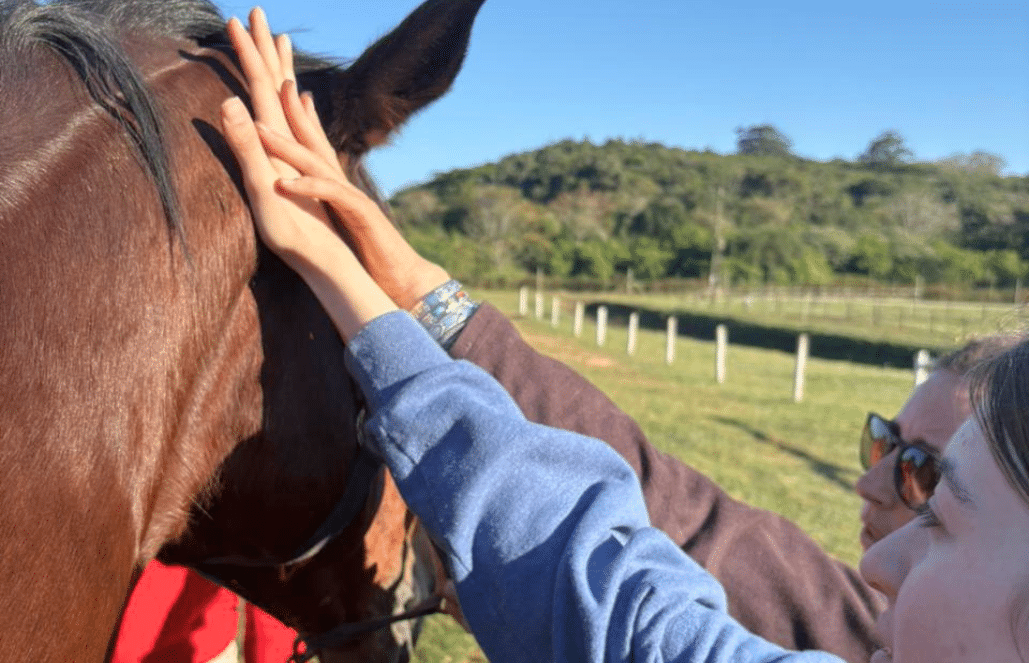
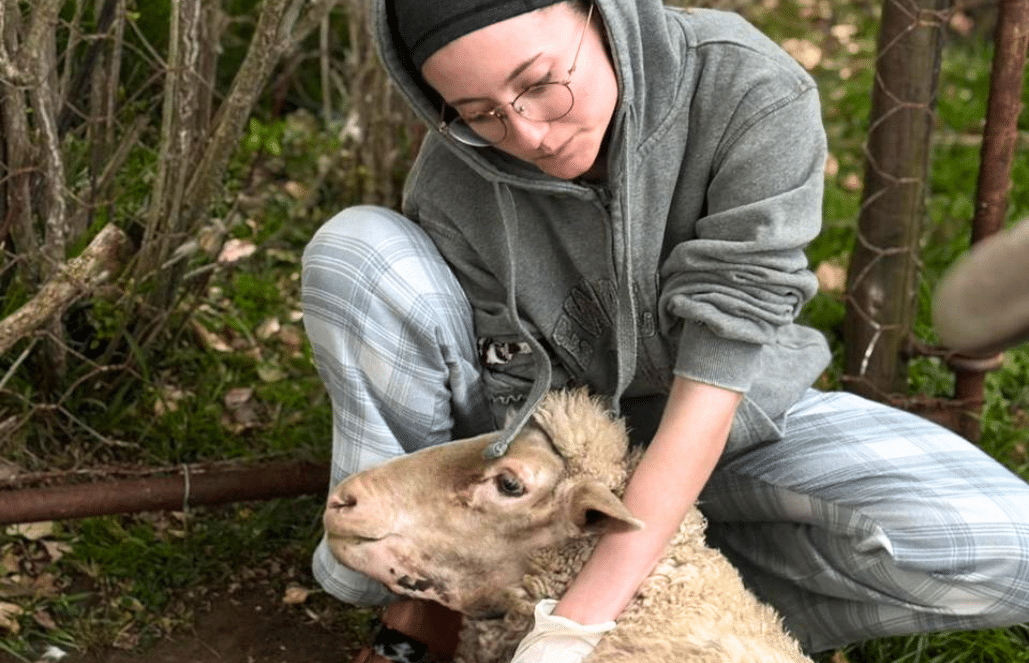
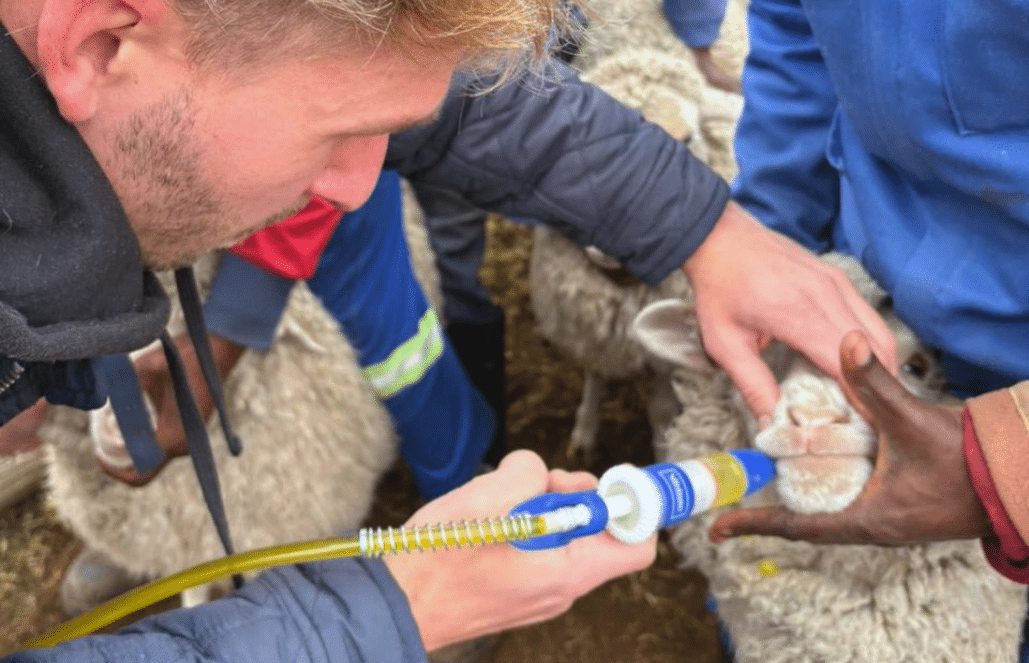
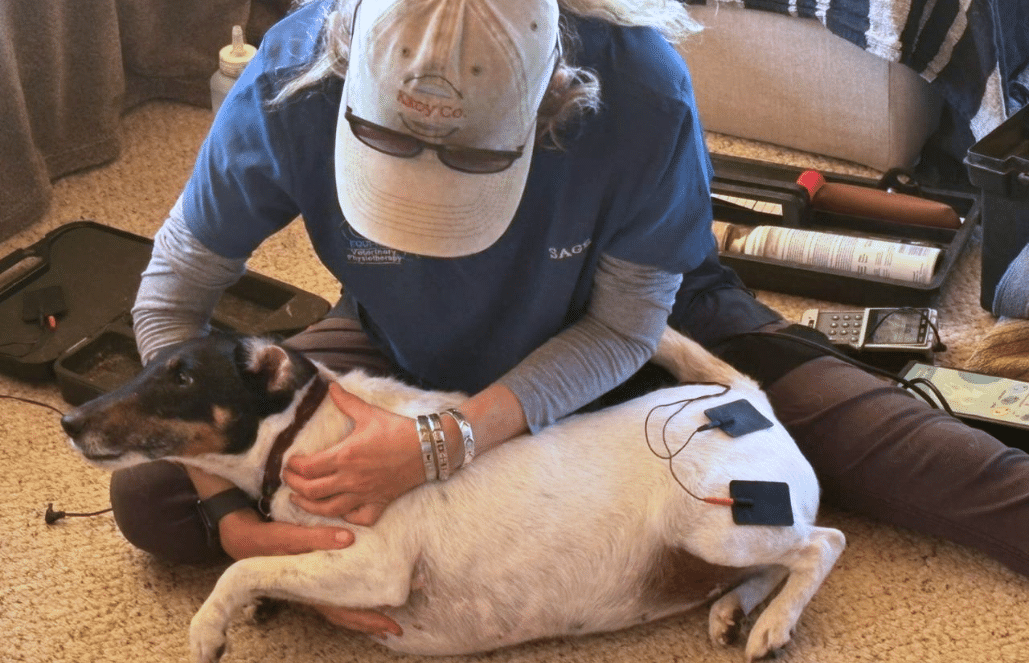
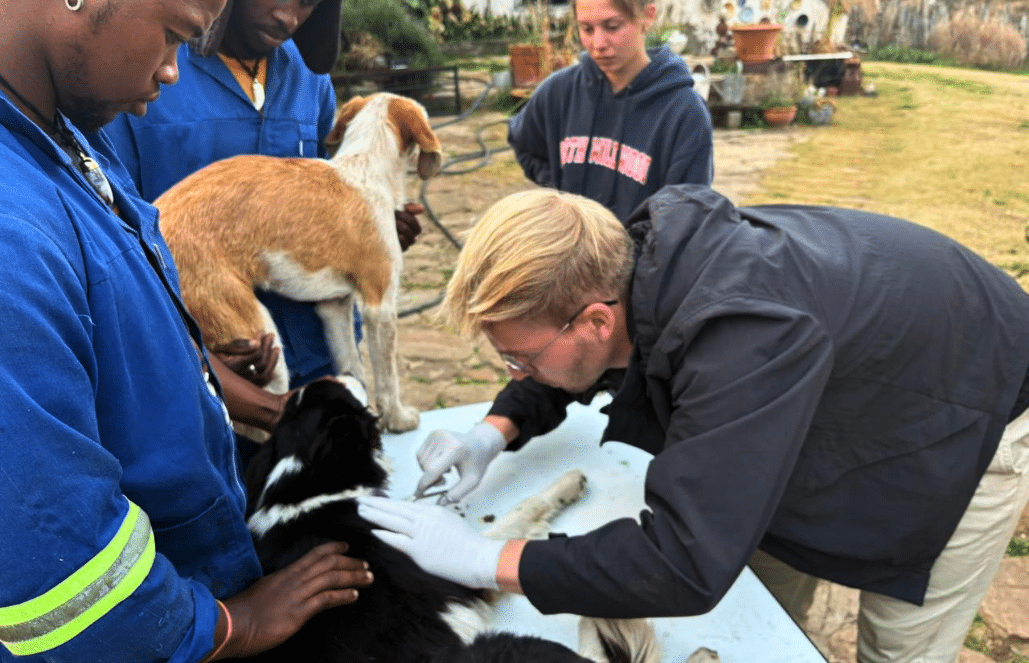
Interns are actively involved in the daily running of the farm and related activities. You will assist with the care of farm animals such as horses, sheep, and cattle, and may observe or support veterinary procedures under supervision.
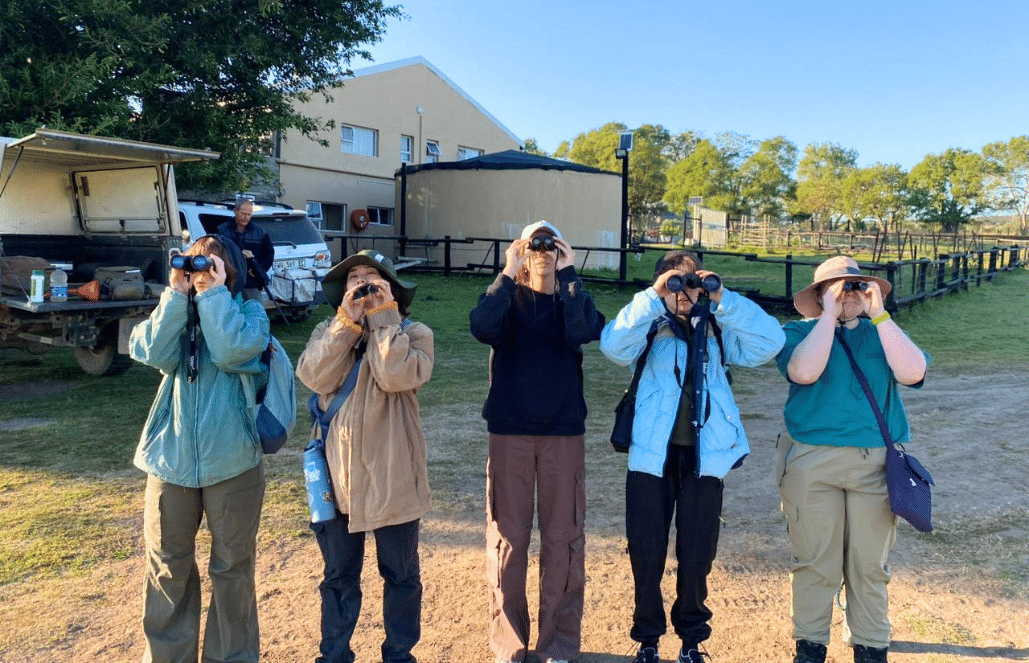
Depending on the schedule, you may also take part in field-based activities, including wildlife-related sessions, conservation work, and community projects. Activities vary throughout the program, providing experience across different environments and areas of animal care.
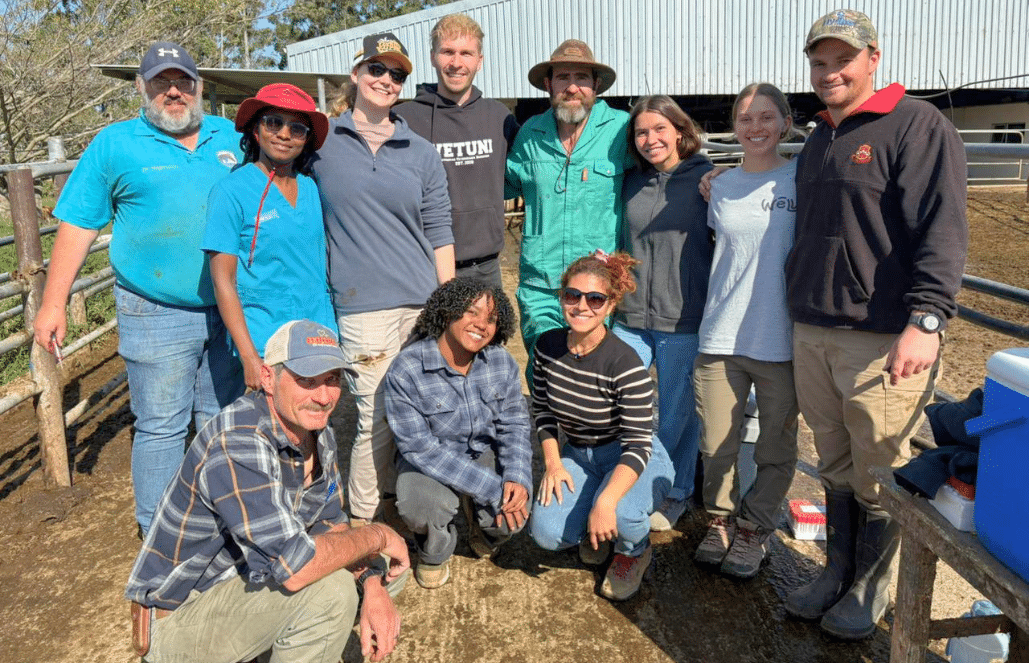
Although a veterinarian is not on site at all times, interns regularly shadow professionals and take part in supervised, hands-on tasks.
Volunteer Tasks
A Typical Day
A typical day begins with practical work on the farm, such as assisting with animal care or observing veterinary procedures. Midday may include lectures or discussions on animal health and related topics. In the afternoon, participants return to fieldwork or take part in conservation or wildlife-related sessions. Evenings are usually free to relax.
Example Weekly Schedule
| Day | Week 1 | Week 2 |
|---|---|---|
| Monday | Arrival, introduction, and a nearby game-viewing activity | Introduction to wildlife immobilisation theory |
| Tuesday | Practical fieldwork and observation of veterinary practices | Practical sessions on wildlife immobilisation techniques |
| Wednesday | Lectures on animal nutrition, diseases, and livestock breeds | Continued practical sessions on wildlife immobilisation |
| Thursday | Continued fieldwork and veterinary observation | Community-based activities and additional fieldwork |
| Friday | Research session and/or veterinary shadowing | Additional safari experience |
| Saturday | Excursion to a mountain or forest village with conservation exposure | Excursion to a coastal or seaside location |
| Sunday | Safari experience in a nearby game reserve | Rest day with optional social or cultural activities |
Please note that this is an example weekly schedule. The exact program may vary depending on the group, timing, available opportunities, and weather conditions.


This program is designed for pre-veterinary, veterinary nursing, veterinary technician, animal science, and agricultural students, as well as those seriously considering a career in veterinary medicine. It is particularly suitable for participants aged 18 and above, whether they are exploring the field for the first time or are already studying and looking to gain more practical experience.
Safari Experience
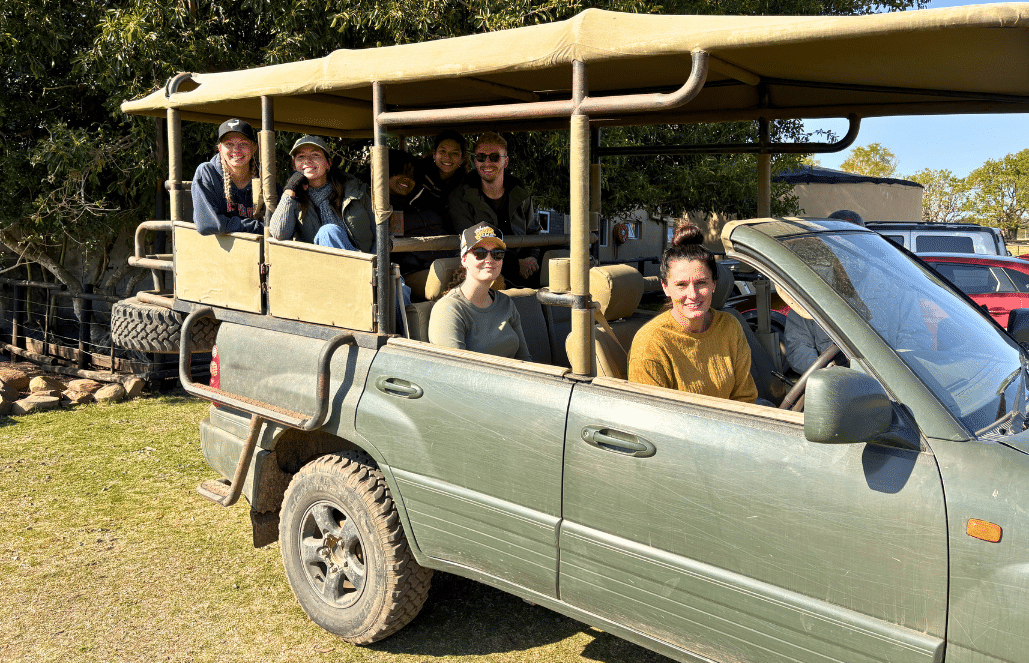
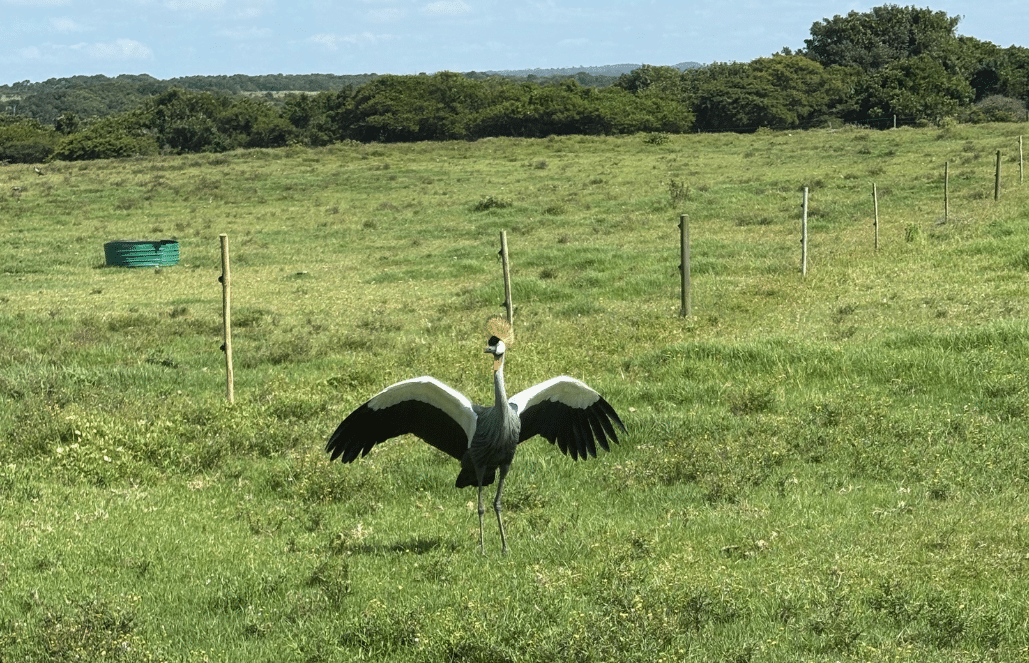
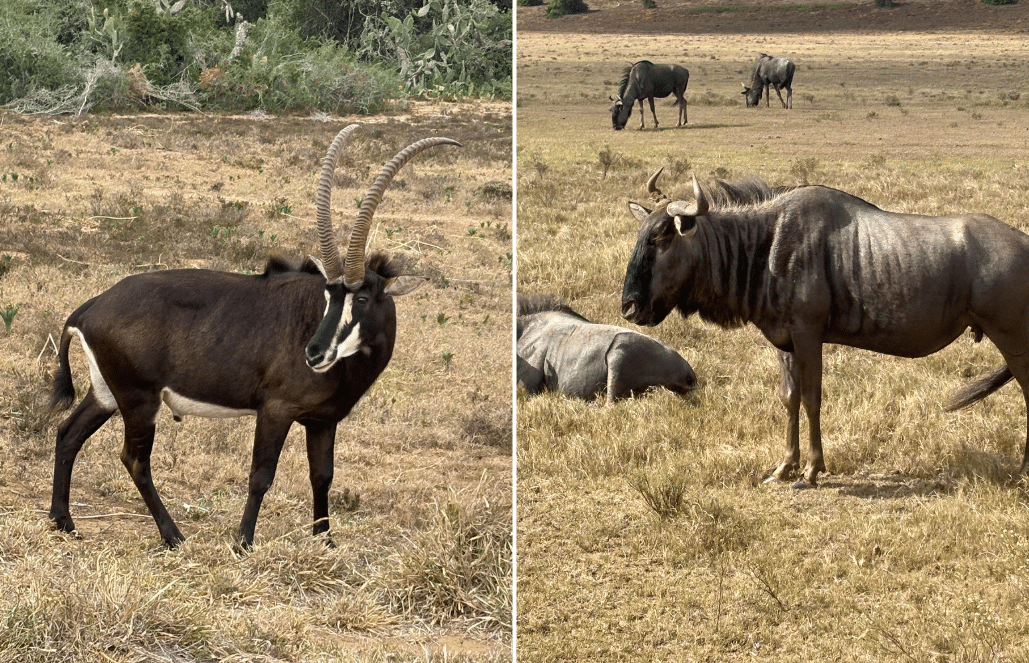
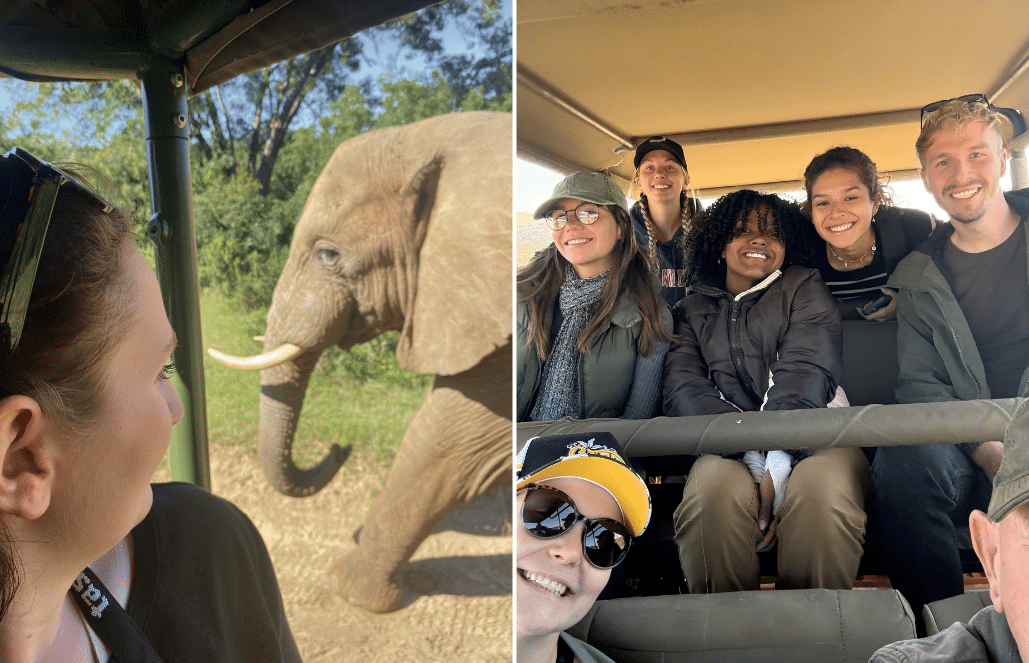
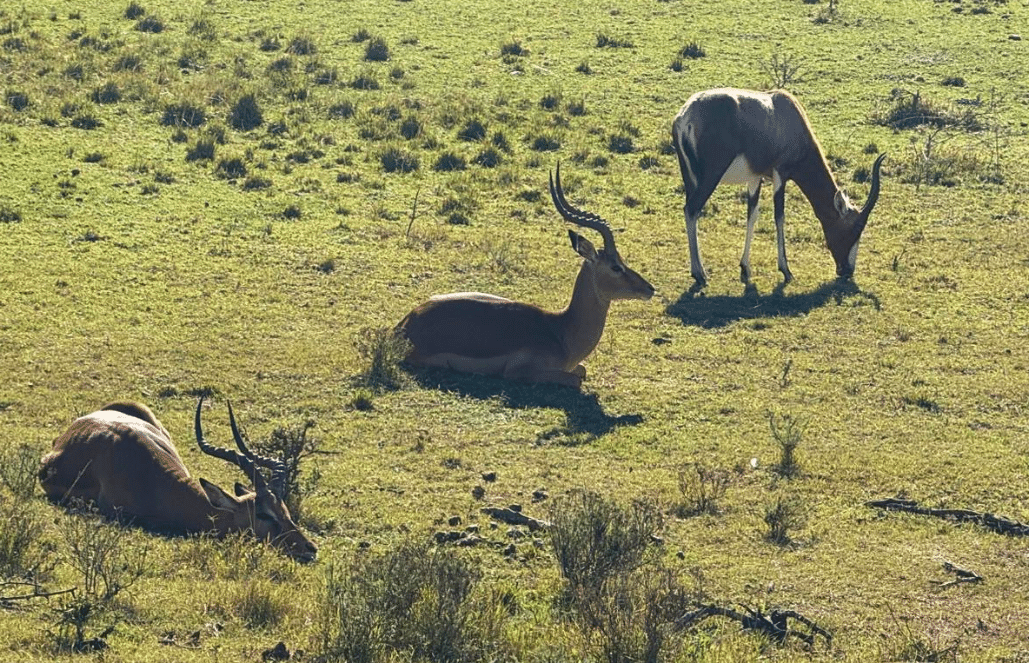
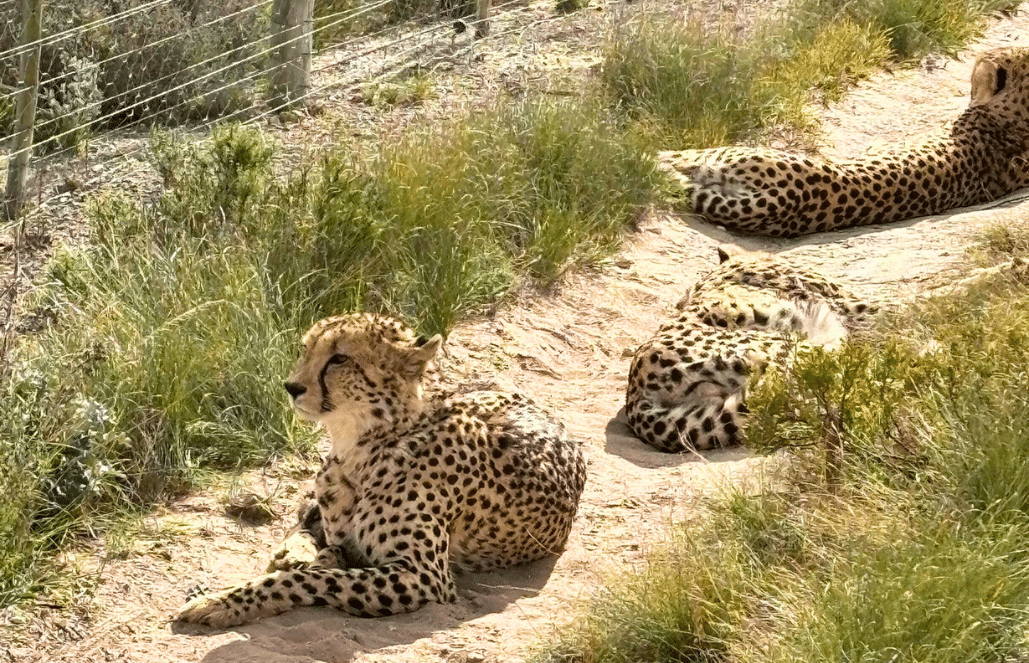
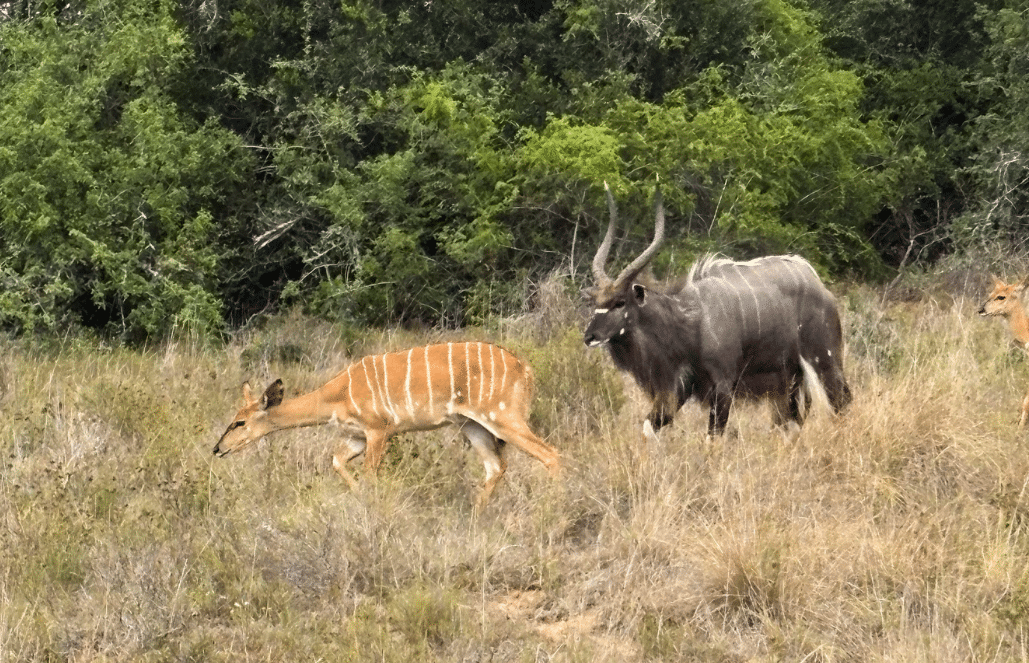
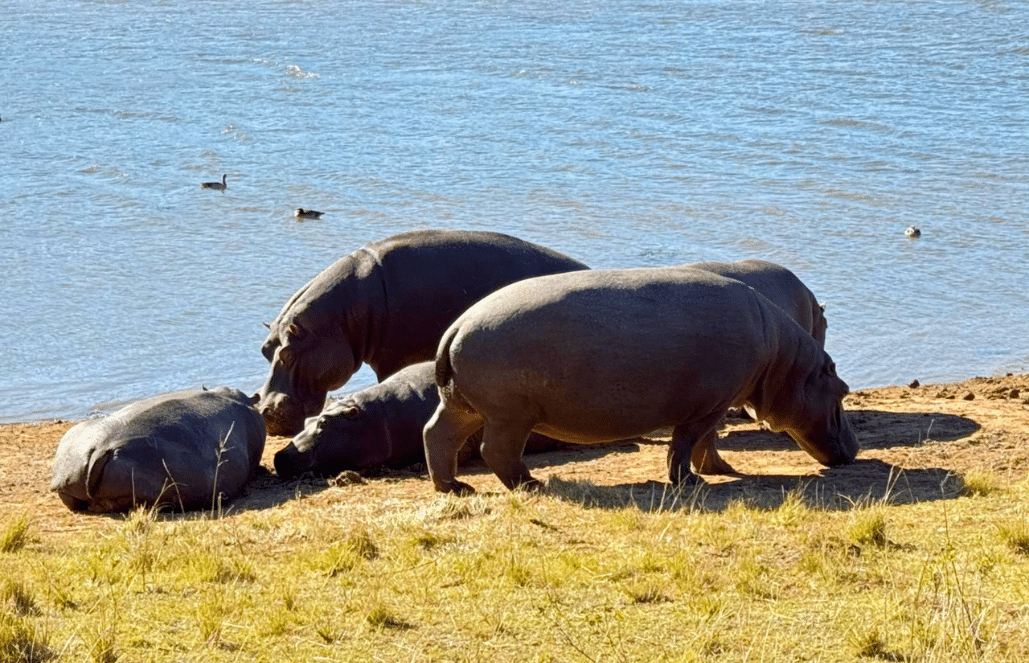
As part of the program, participants take part in a two-day safari experience in a private game reserve in the Eastern Cape. The experience includes multiple guided game drives at different times of day, offering the chance to observe wildlife in their natural environment.
The first day includes an afternoon game drive followed by an evening experience and a night drive, where participants may observe nocturnal animals. Accommodation is provided inside the reserve, allowing for extended time in a wildlife setting.
On the second day, participants take part in an early morning game drive, often the best time to observe animal activity and behavior. The safari experience is designed to provide both wildlife viewing and educational insight into conservation and ecosystems.
This experience is complemented by the wider program, which includes additional wildlife exposure through visits to game farms and reserves as part of the veterinary training.
Besides wildlife experiences, the program includes excursions to mountain areas, forest villages, and local communities. A visit to a seaside location is also included, offering a change of scenery during the program.
In addition to the safari, the program includes excursions to mountain areas, forest villages, and local communities. Participants may also visit nearby farms and conservation areas, gaining a broader understanding of the region. A trip to a seaside location is included in the itinerary, offering a change of scenery during the program.

