

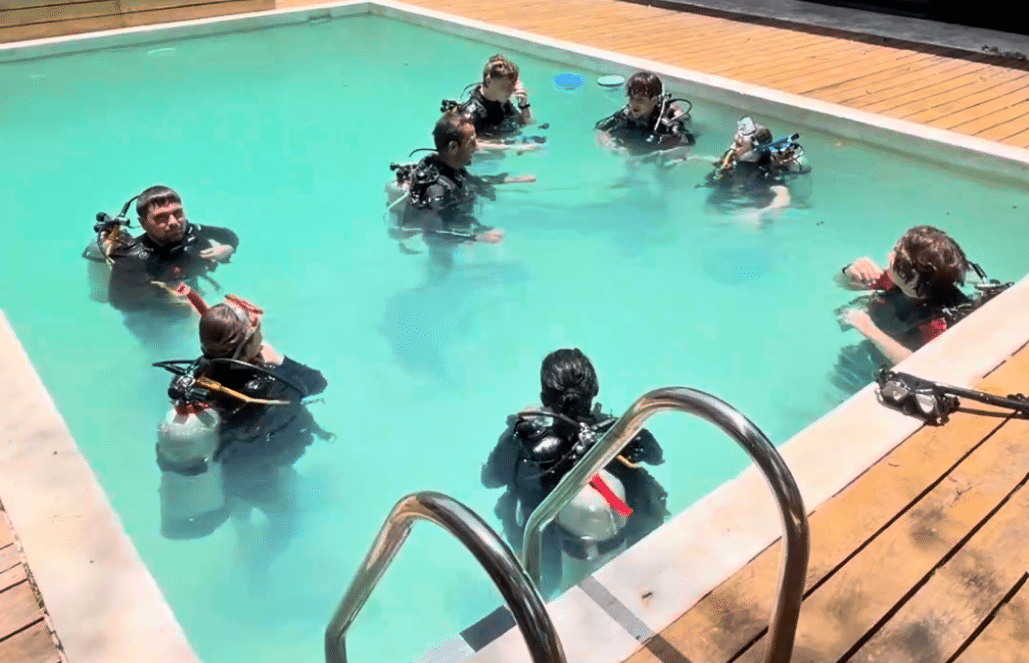
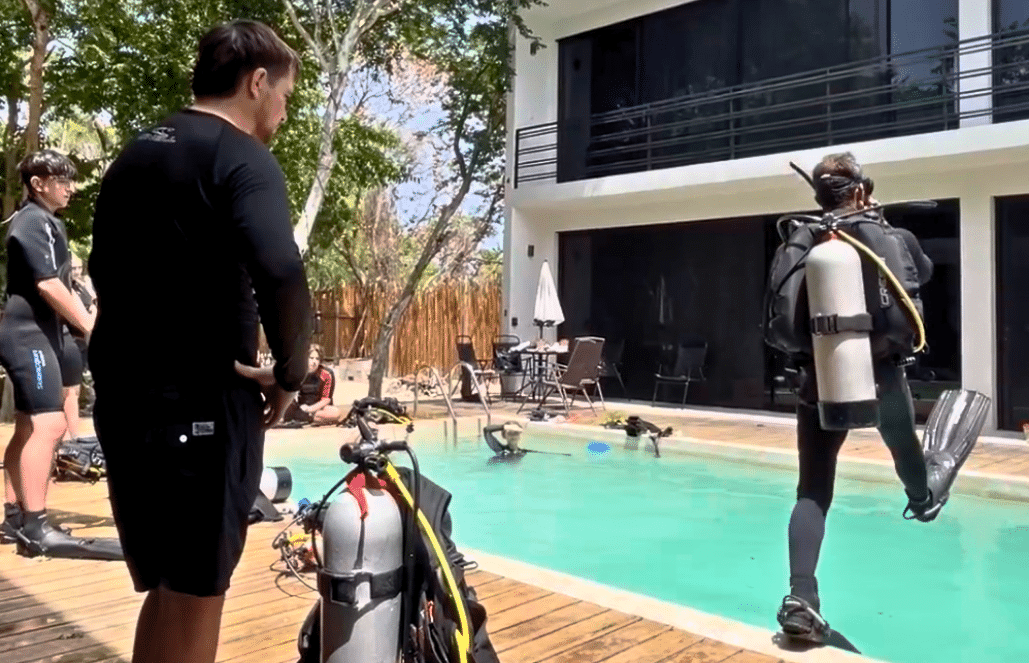

Join a hands-on marine conservation and diving program on Mexico’s Caribbean coast, combining professional PADI training with practical reef and coastal restoration. Based in Mahahual, volunteers develop their diving skills while learning how marine researchers monitor and restore coral reef ecosystems.
Program Highlights:
Your Schedule at a Glance (Minimum 9 days, 8 nights):


What’s Included


What’s not Included

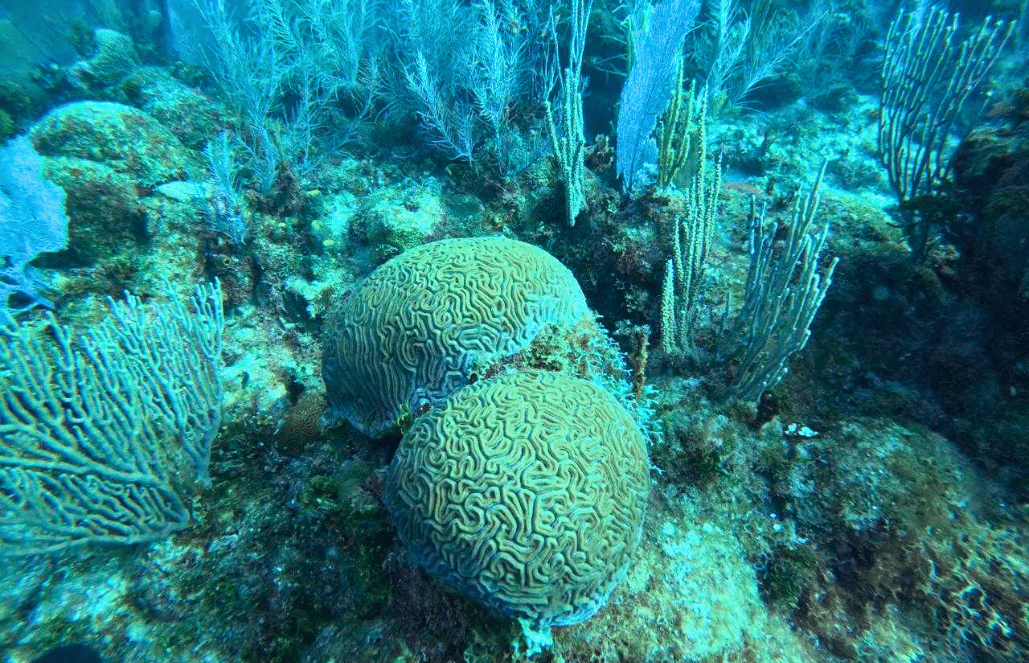
The program is based in Mahahual, a coastal town in Quintana Roo on Mexico’s Caribbean coast. Its marine and coastal ecosystems provide the setting for both scuba training and practical conservation work. The local reef is at the center of long-term research, monitoring, and restoration projects focused on understanding reef health and supporting its recovery. Conservation work extends beyond the reef to interconnected coastal ecosystems, including mangroves and coastal dunes. Volunteers therefore have opportunities to experience conservation both underwater and on land.
Mahahual is also home to an active local community involved in environmental awareness, coastal management, and conservation initiatives. Local projects have included reef monitoring, coral restoration, sea urchin reintroduction, coastal habitat research, and environmental education. Volunteers live approximately 3 kilometers from the project site, with transportation taking around 15 minutes by car. ATMs are located within a few minutes’ walk of the accommodation, and Mexican pesos are recommended for local purchases. The program operates year-round, with December through April being the busiest period.

About the Organization
The program combines the expertise of an established PADI 5-Star IDC dive facility with a marine research and conservation center that has worked to protect and restore Mahahual’s coastal ecosystems since 2016. The local team includes researchers, marine biologists, environmental specialists, educators, dive professionals, interns, and volunteers working across research, ecosystem conservation and restoration, environmental management, and community education. The conservation projects also involve collaboration with universities, researchers, government bodies, and national and international environmental organizations.
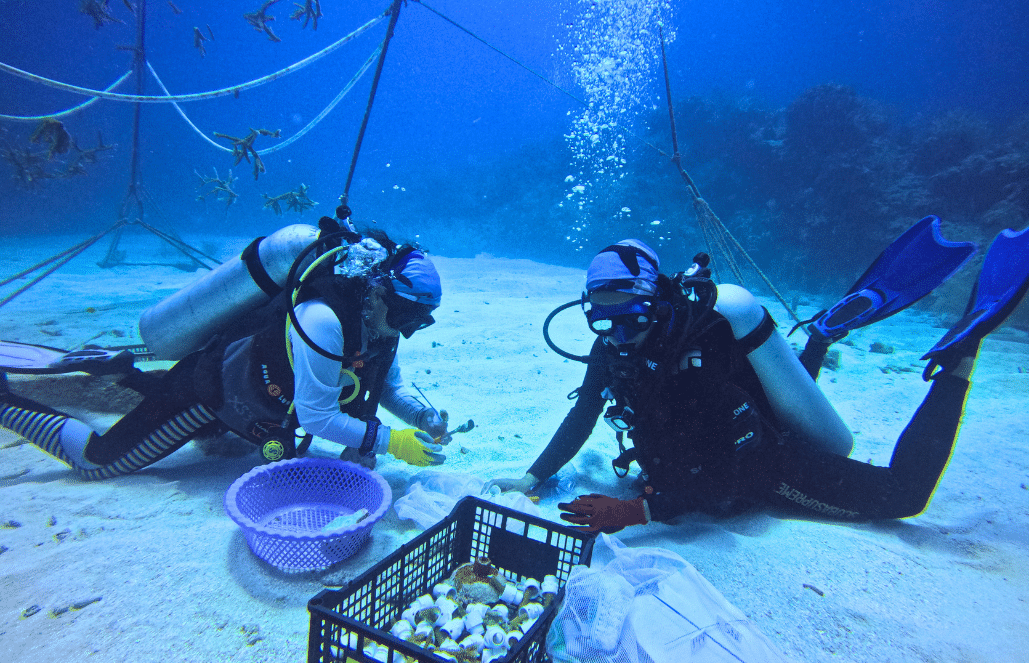
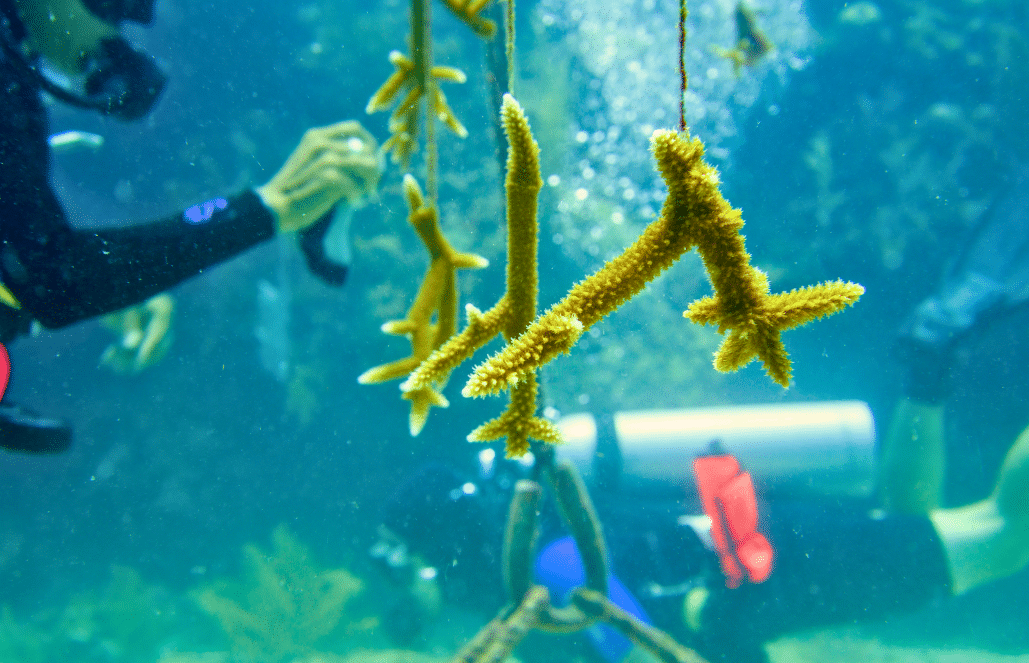
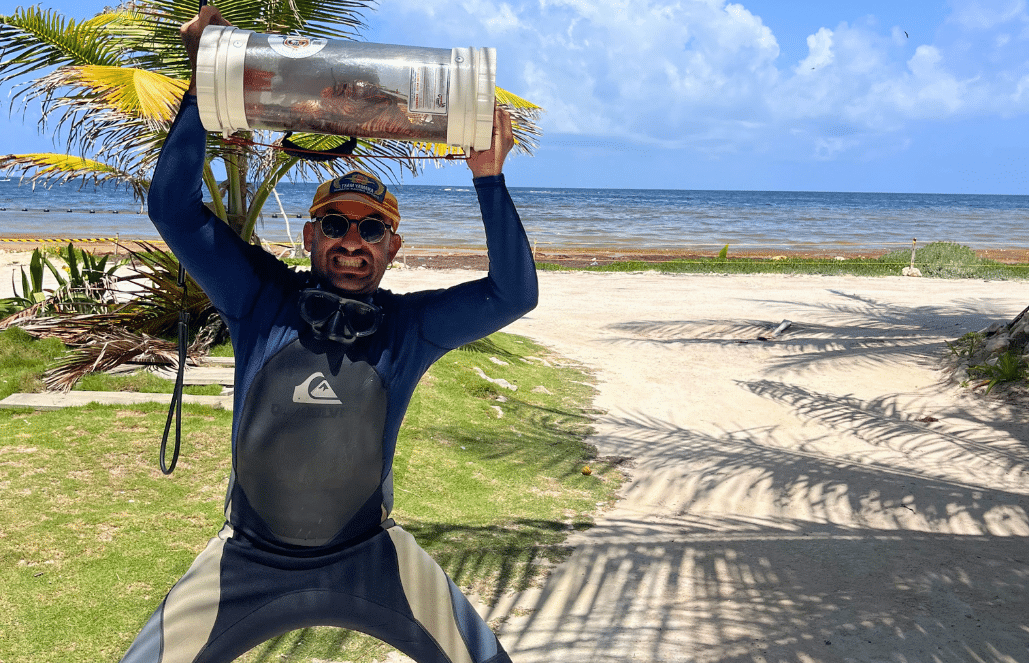
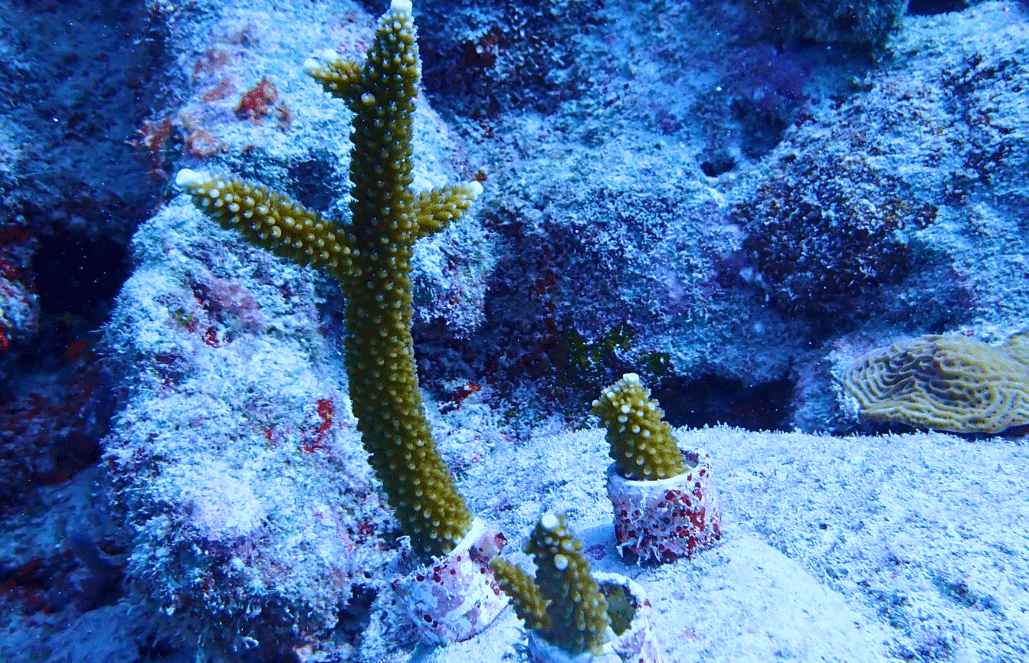
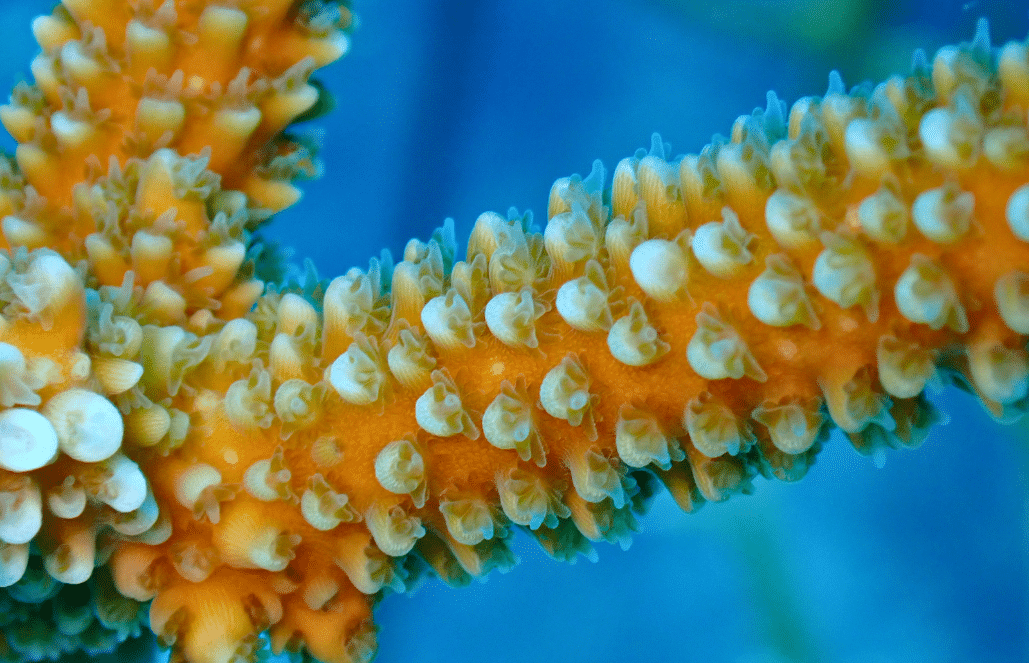
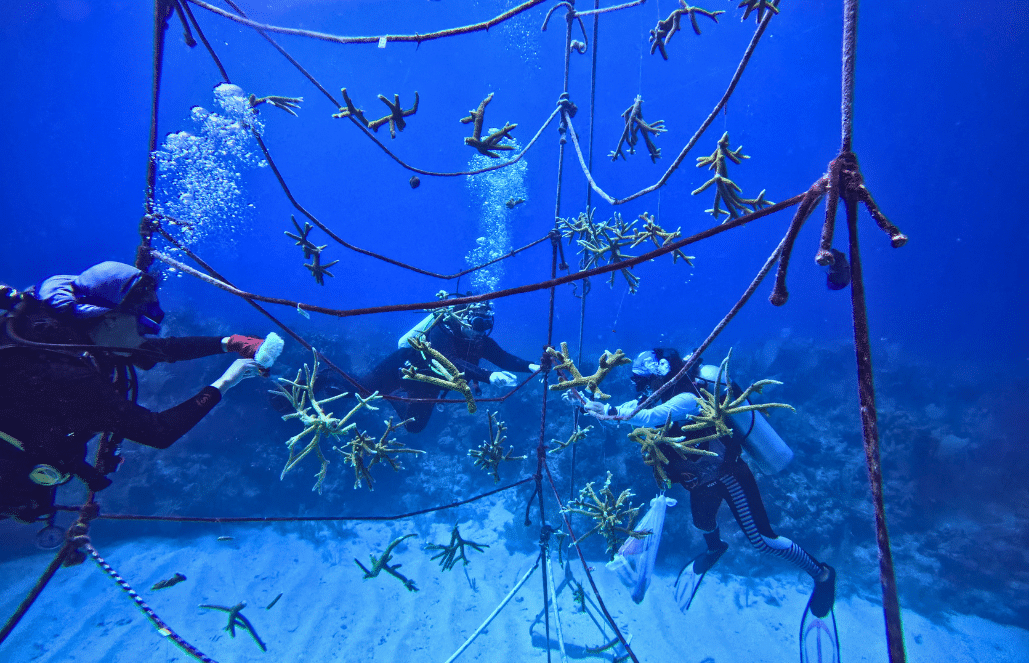
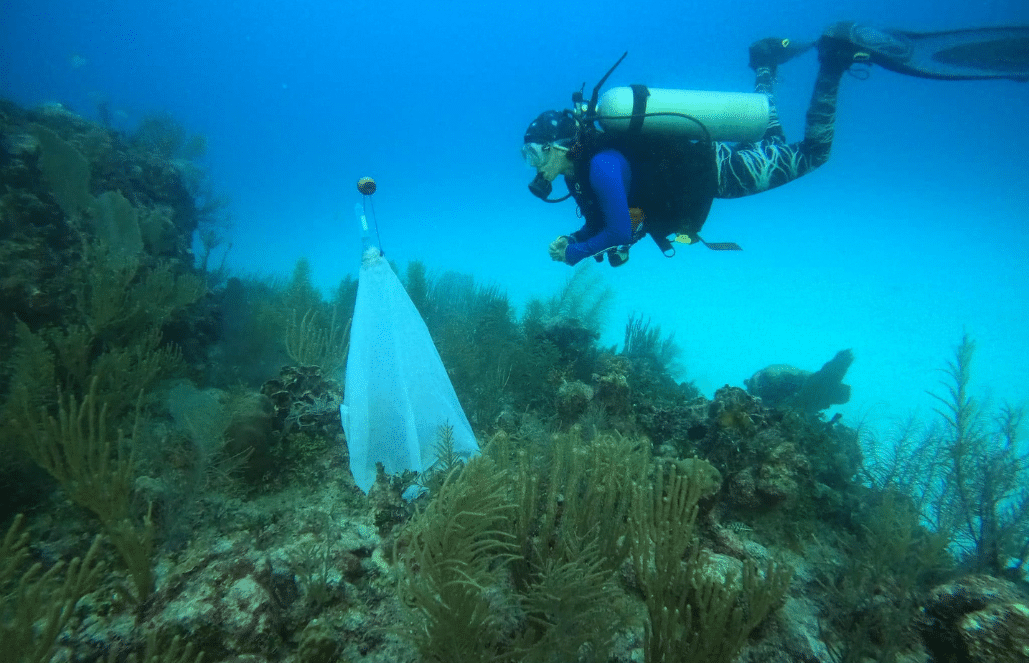
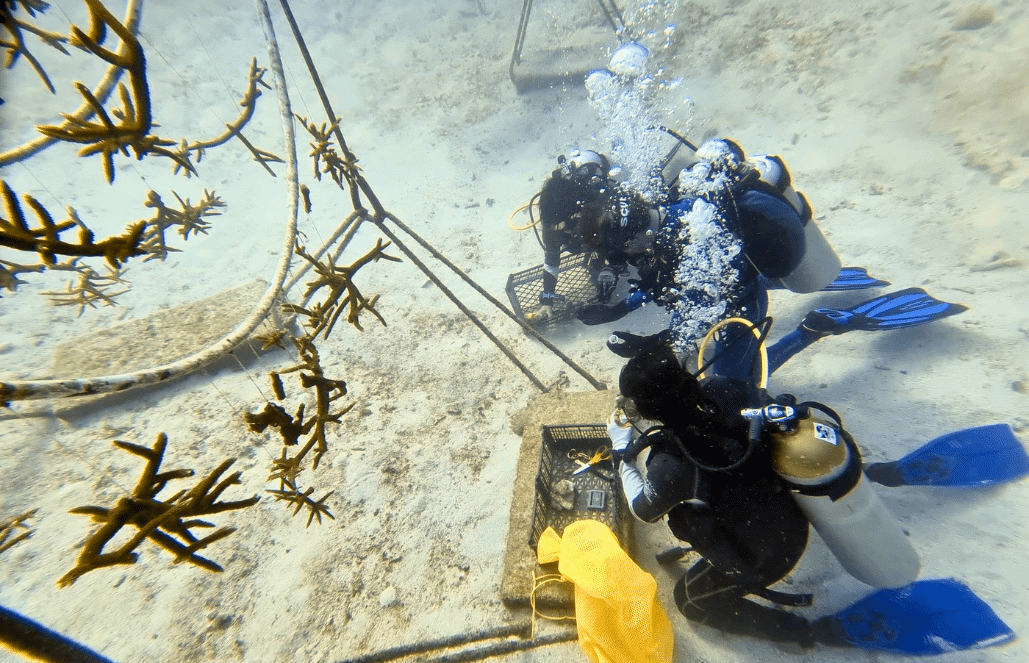
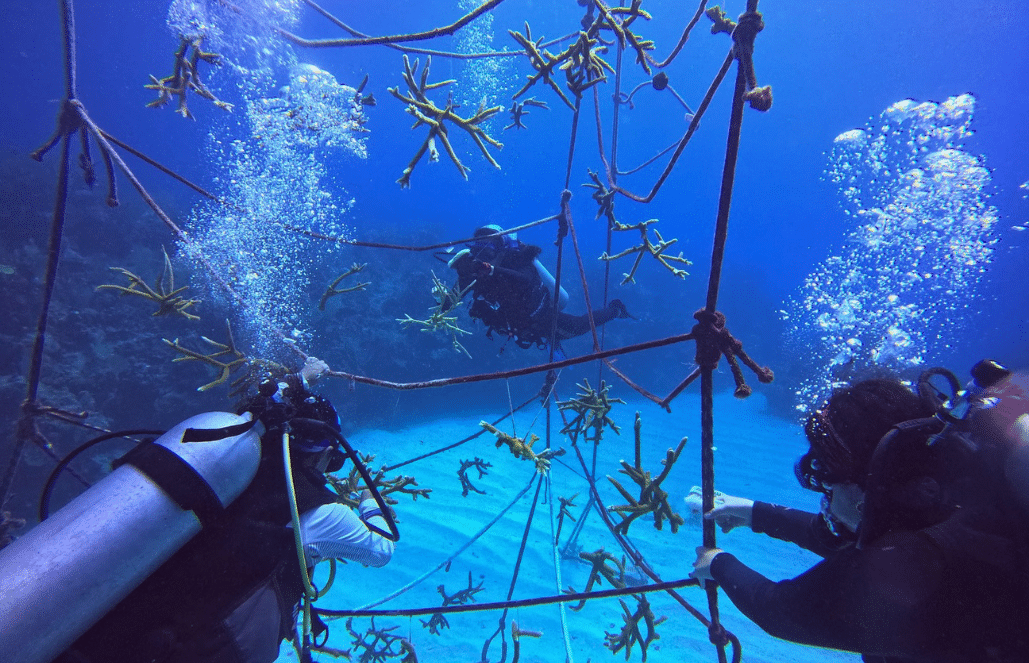
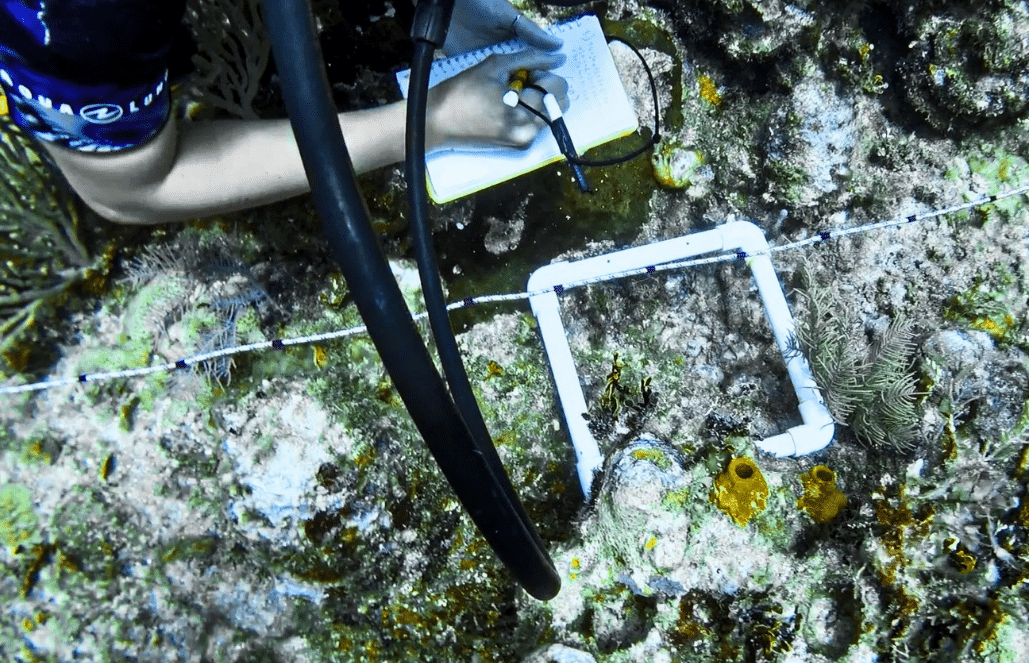
The coral restoration work began with reef monitoring to assess reef conditions and identify suitable nursery sites before expanding into wider conservation like coral transplantation, genetic diversity research, and the assisted reproduction of endangered coral species.
About the Volunteer Work
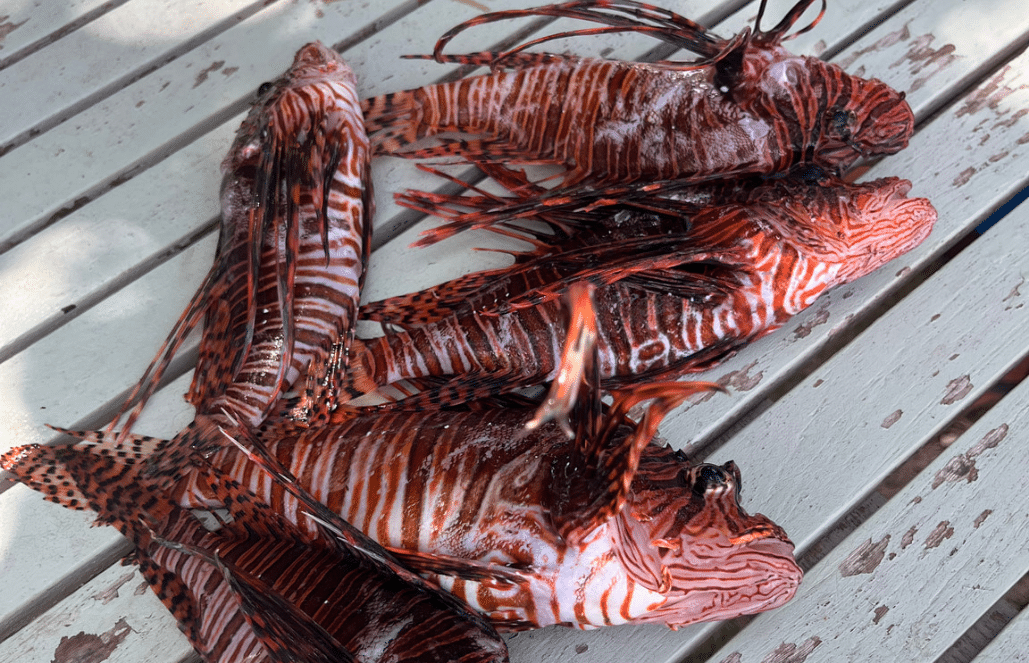
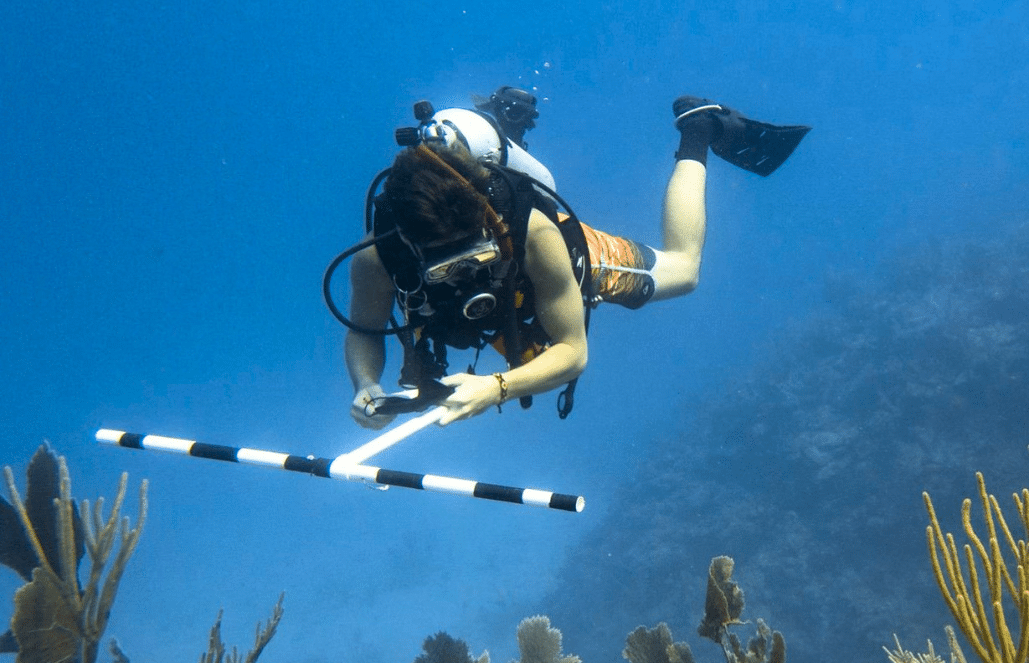
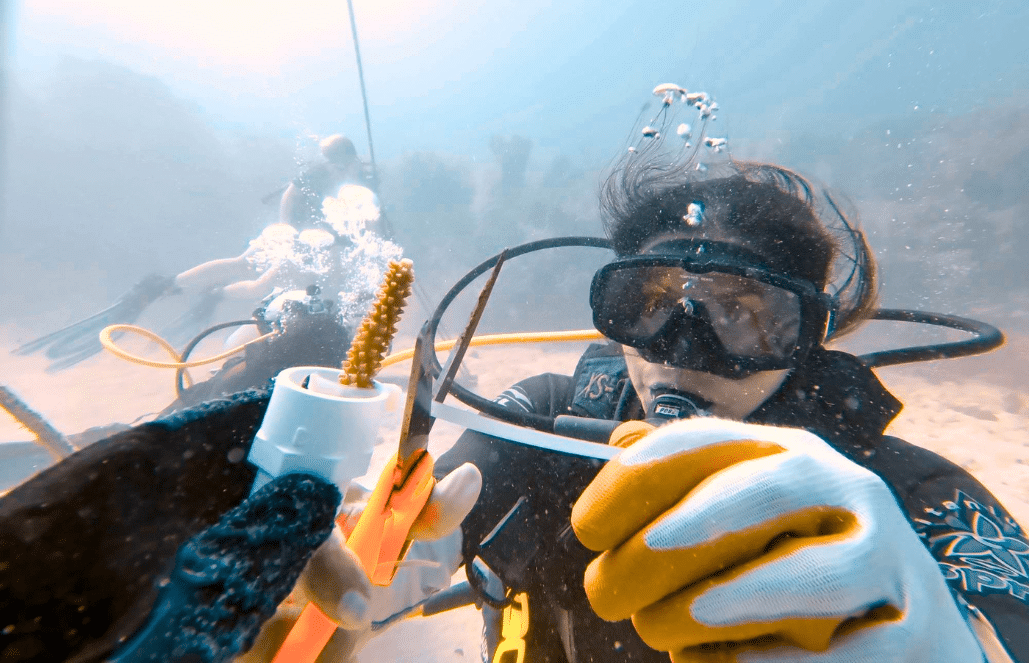
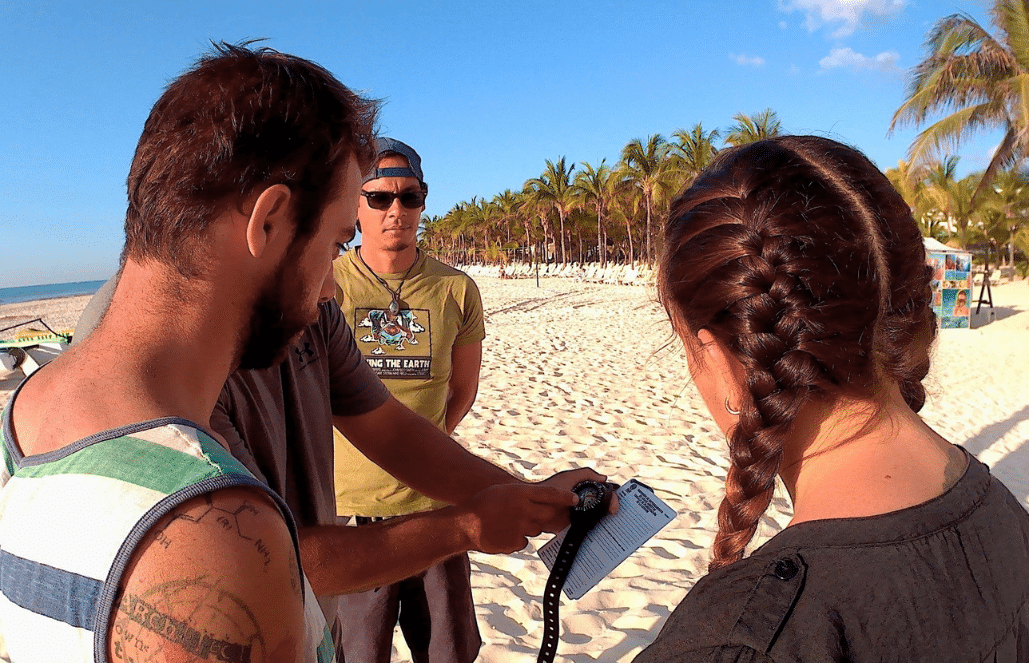
Volunteers combine scuba training with practical marine conservation activities designed to develop both underwater skills and an understanding of tropical reef ecology. Depending on your program length and current diving qualifications, you may learn scientific diving techniques, collect reef monitoring data, maintain coral nurseries, assist with coral outplanting, work in marine restoration facilities, and support sea urchin conservation.
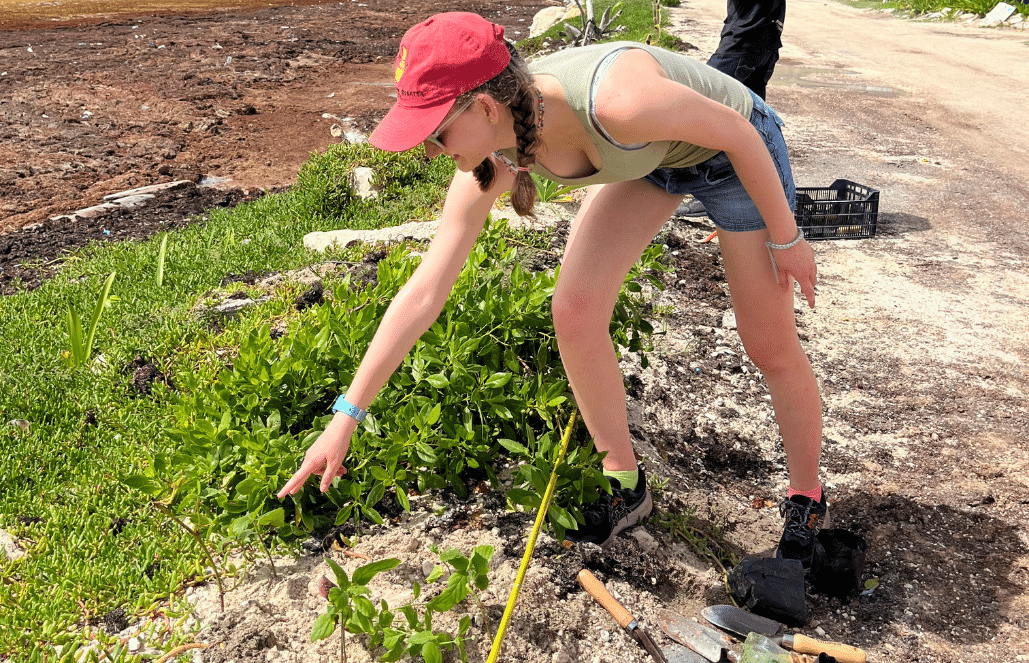
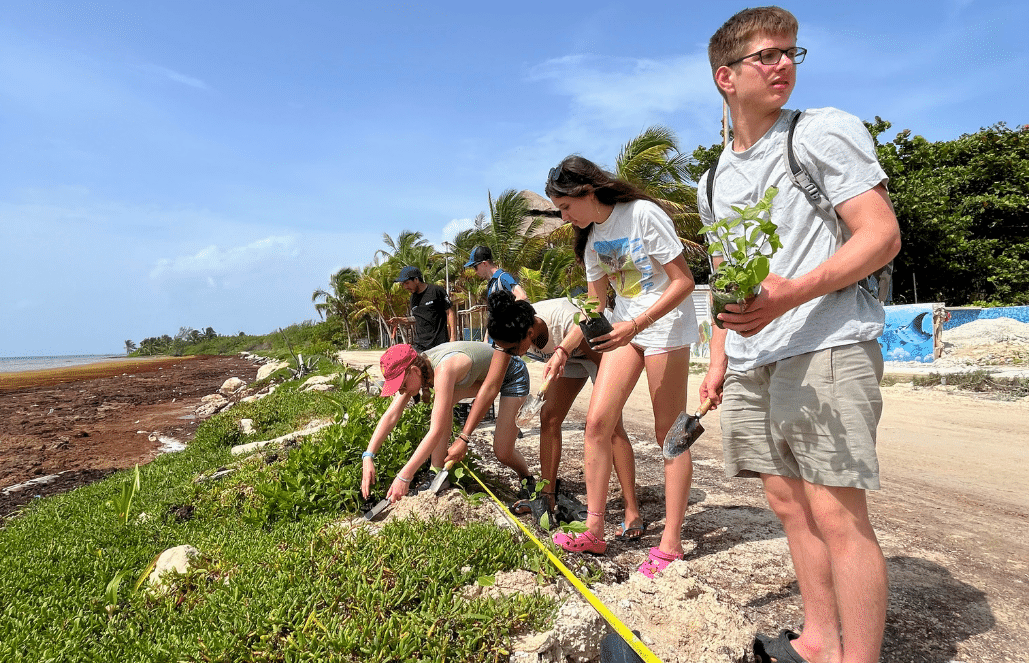
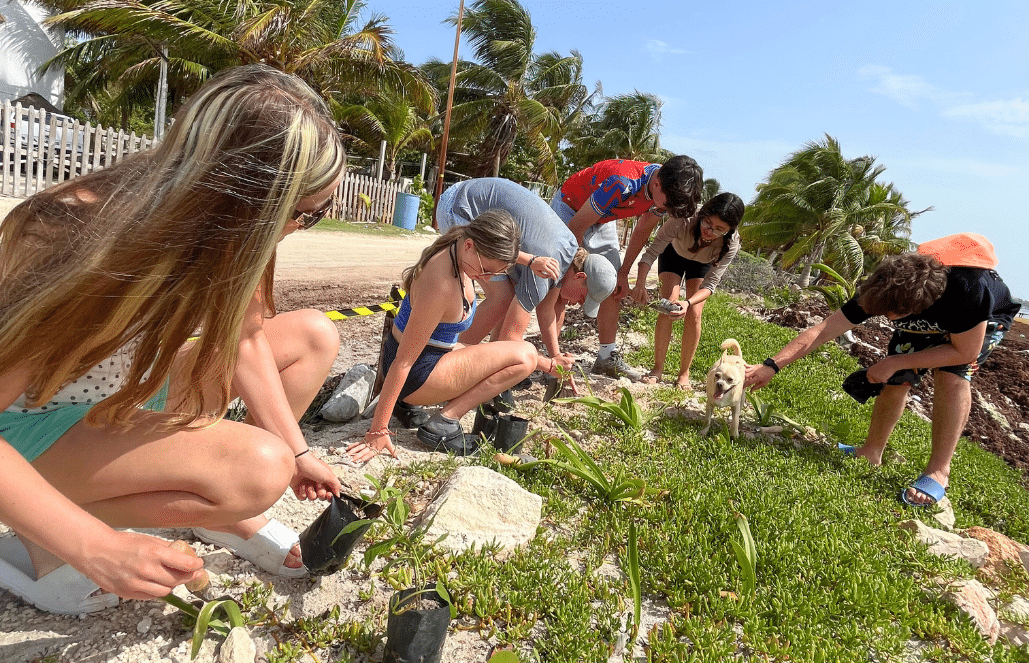
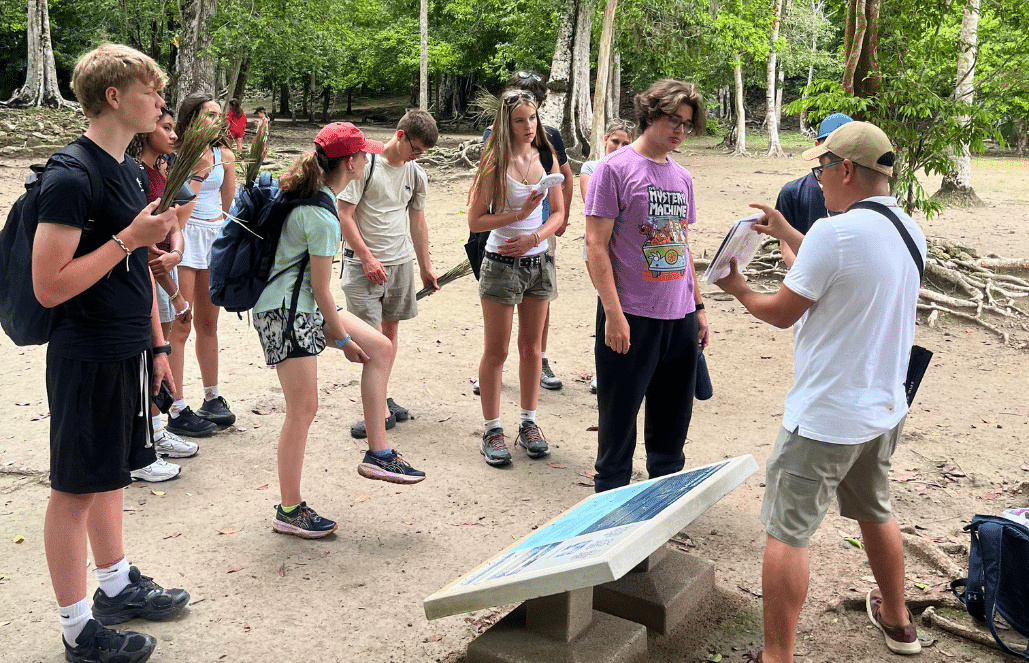
Conservation activities also extend onto land through coastal dune restoration, beach cleanups, marine debris monitoring, and environmental awareness initiatives. Volunteers receive training and supervision before participating in scientific and restoration activities, and no previous conservation experience is required.
Example of Volunteer Tasks and Conservation Activities:
A Typical Day
A typical volunteer day begins at approximately 9:00 AM and combines diving, training, or conservation work depending on the schedule. Some activity days finish at around 1:30 PM, while longer training and conservation days may continue until approximately 5:00 PM. The schedule is flexible and depends on the selected program, current conservation activities and sea conditions.
Professional Diving & Conservation – 1 to 3 Months
Participants staying for one month or longer can progress to professional-level dive training while developing more advanced marine conservation skills. Choose from the following pathways:


Mahahual offers a Caribbean setting where diving, conservation, and local coastal life are closely connected. Much of the program is spent in and around the water, from PADI training to reef ecology, monitoring, restoration, and recreational dives. Volunteers can develop their diving skills while learning how researchers assess and protect tropical reef ecosystems. The program also provides access to active coral and sea urchin restoration projects that go beyond a typical recreational diving experience.
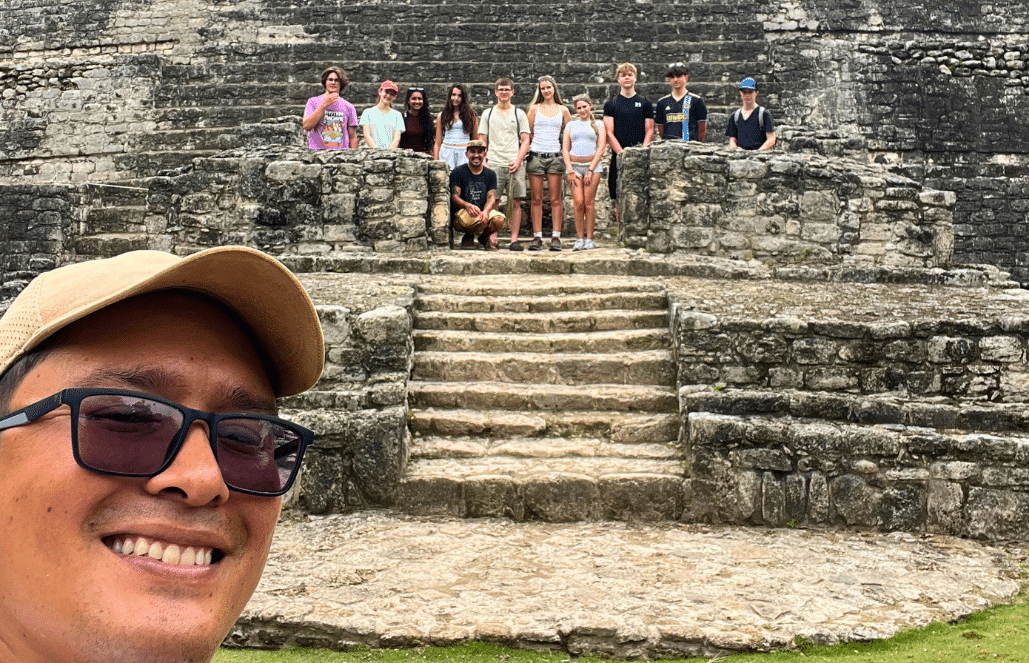
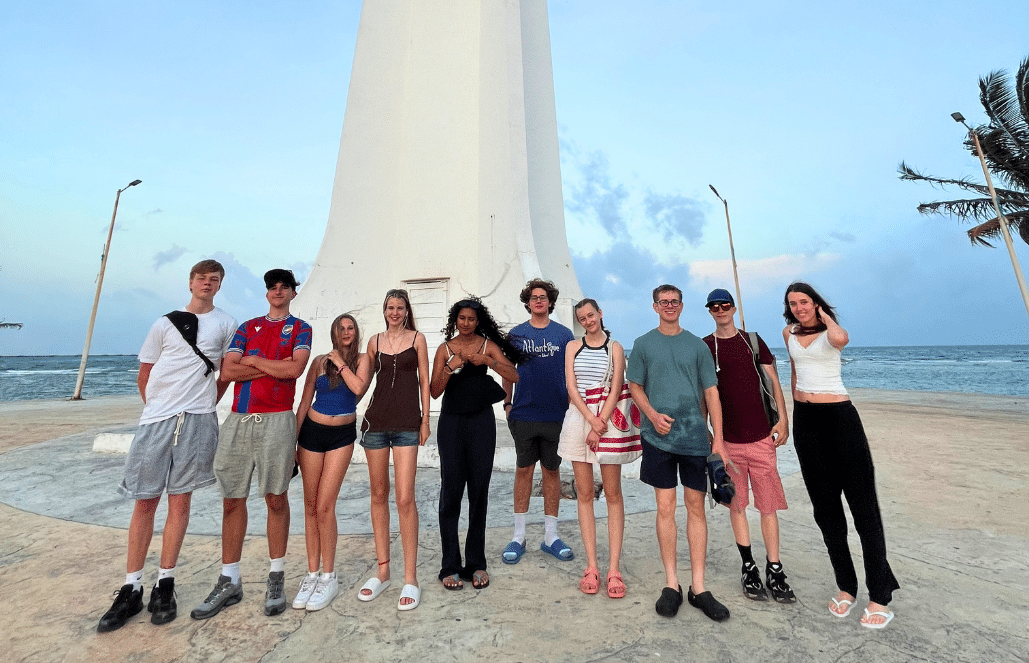
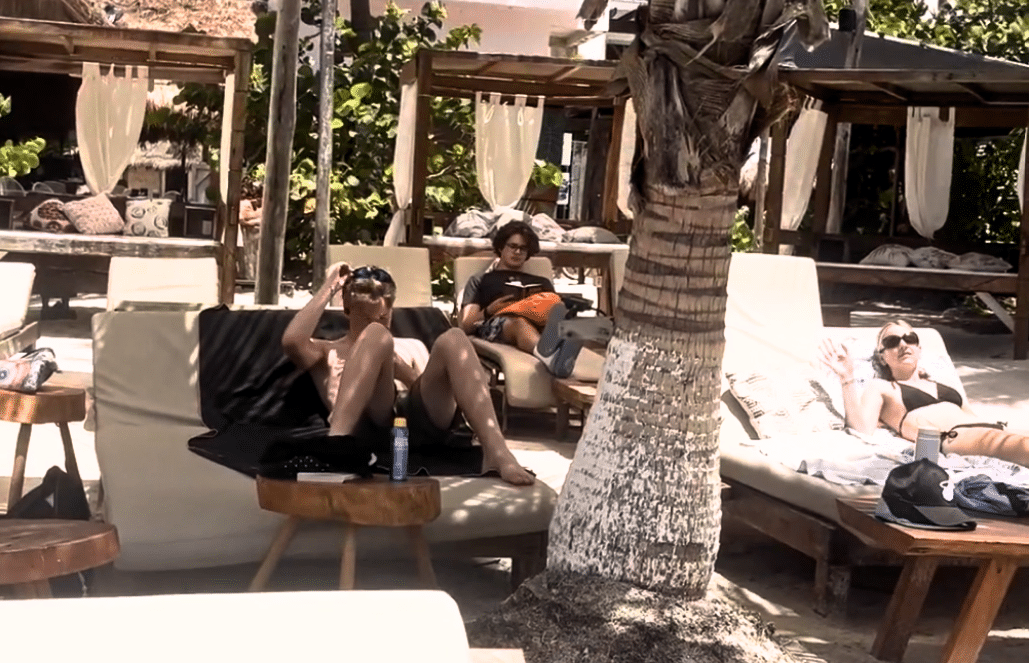
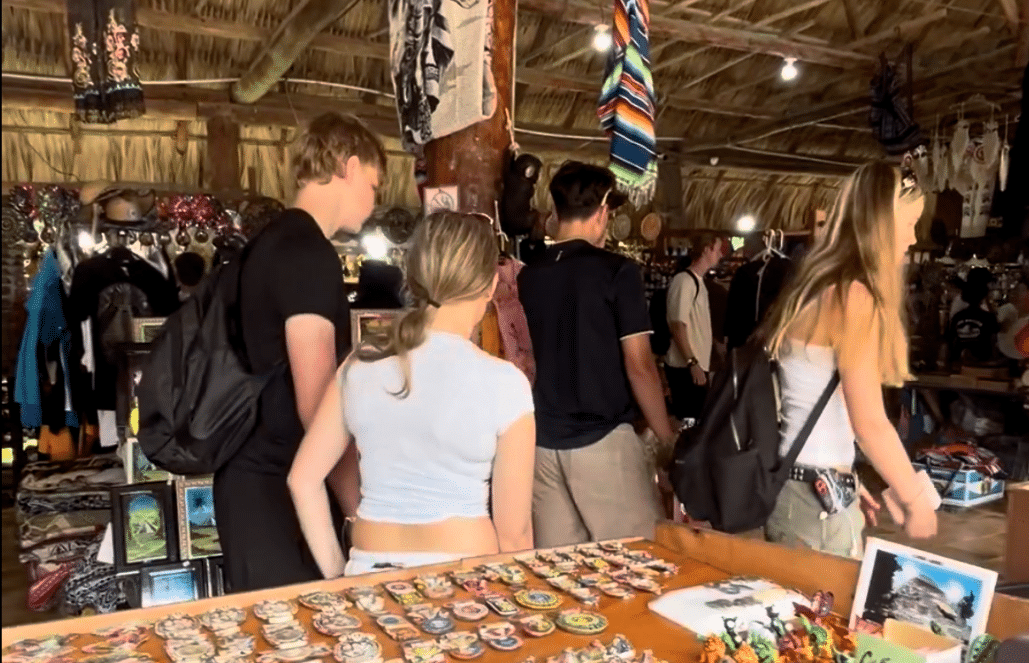
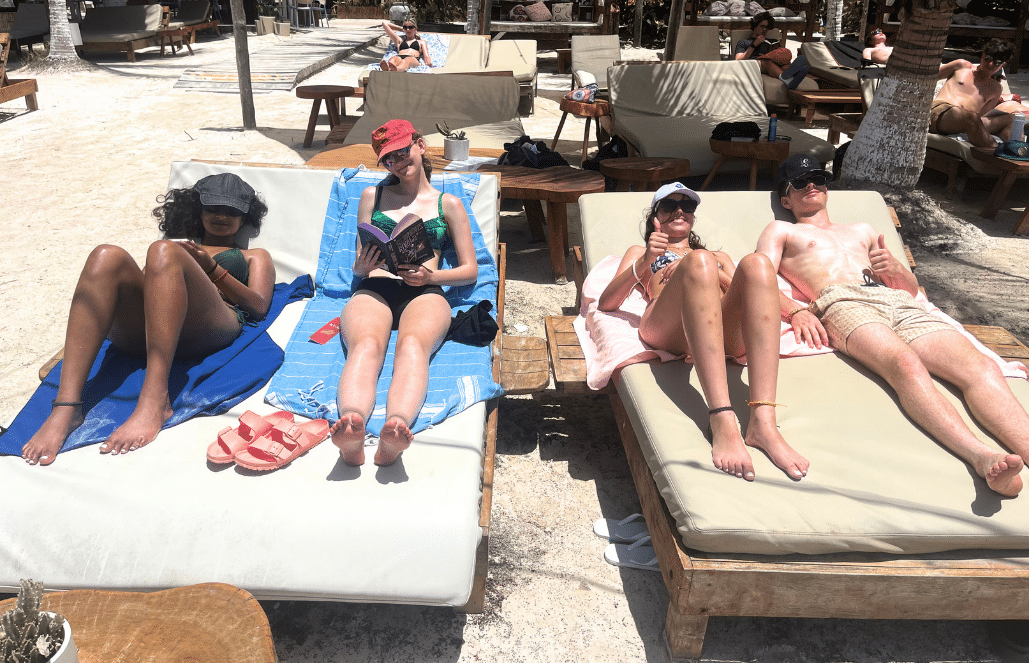
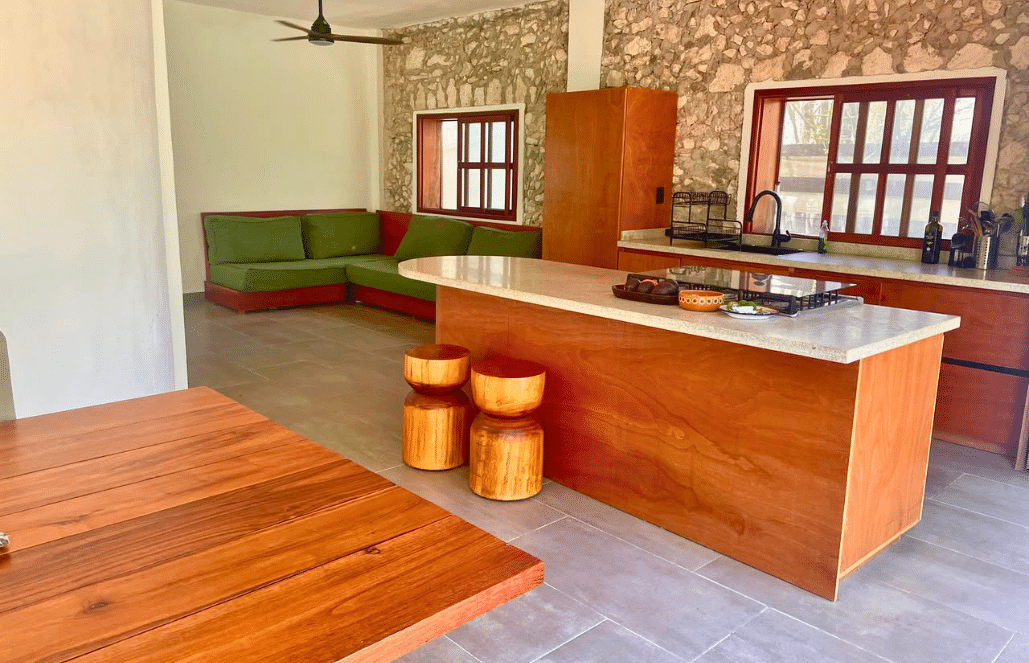
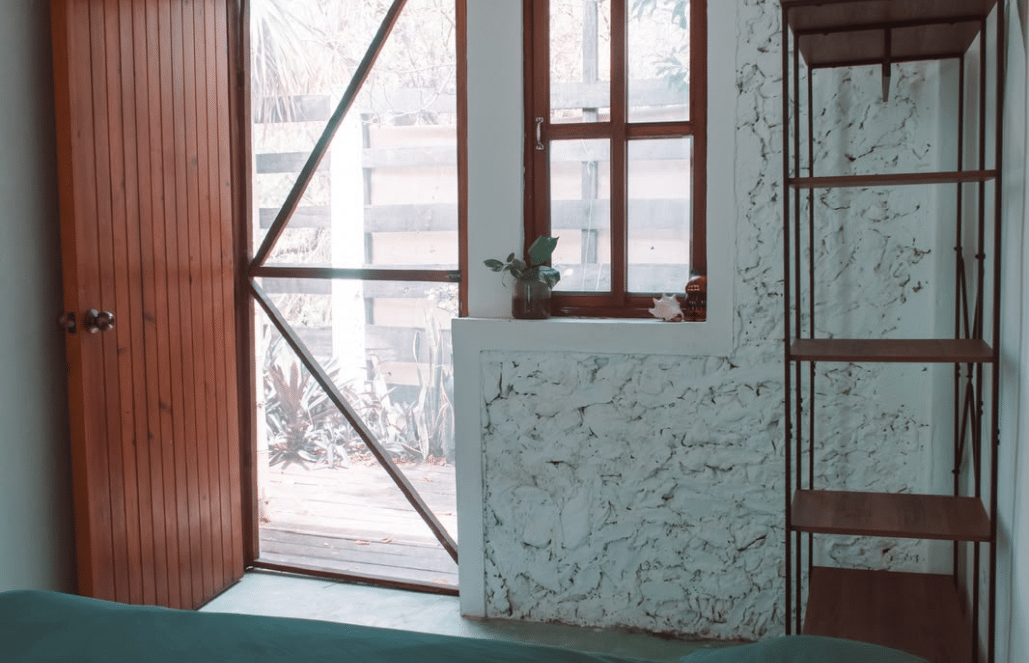
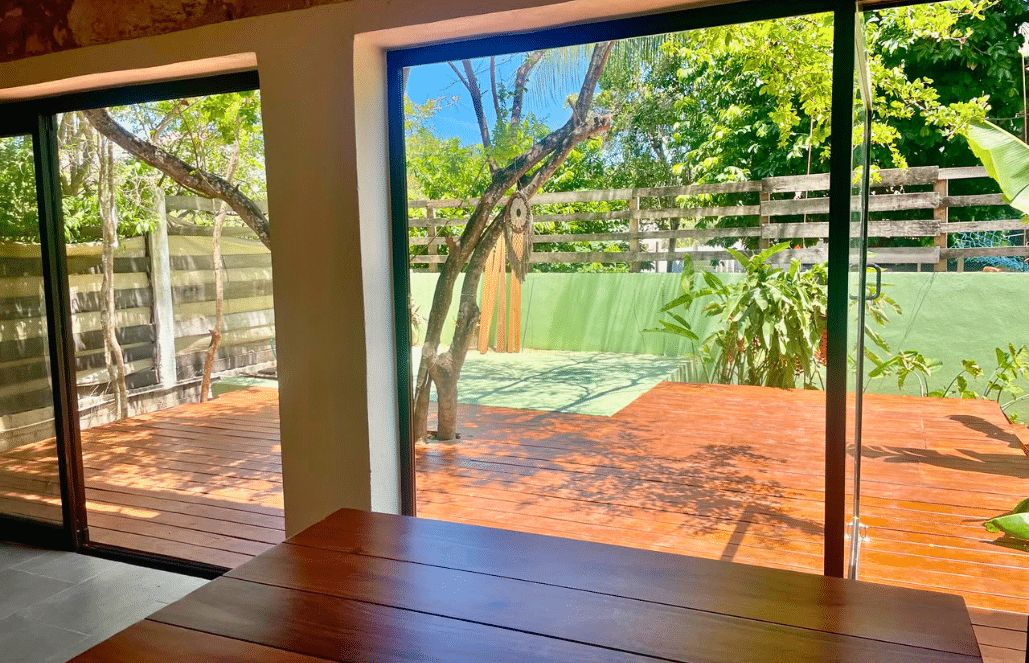
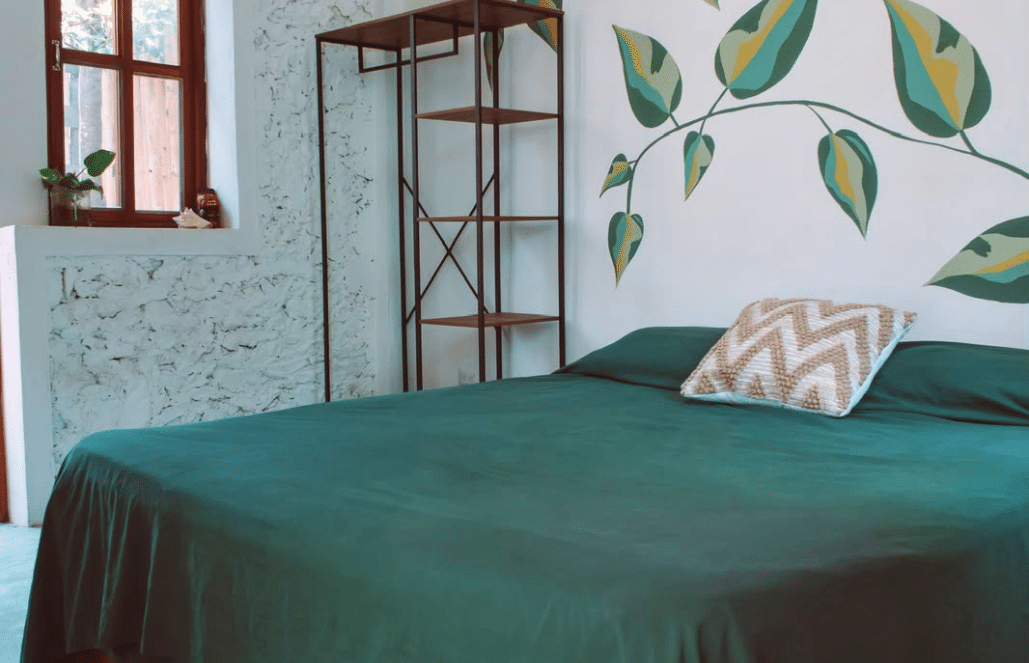
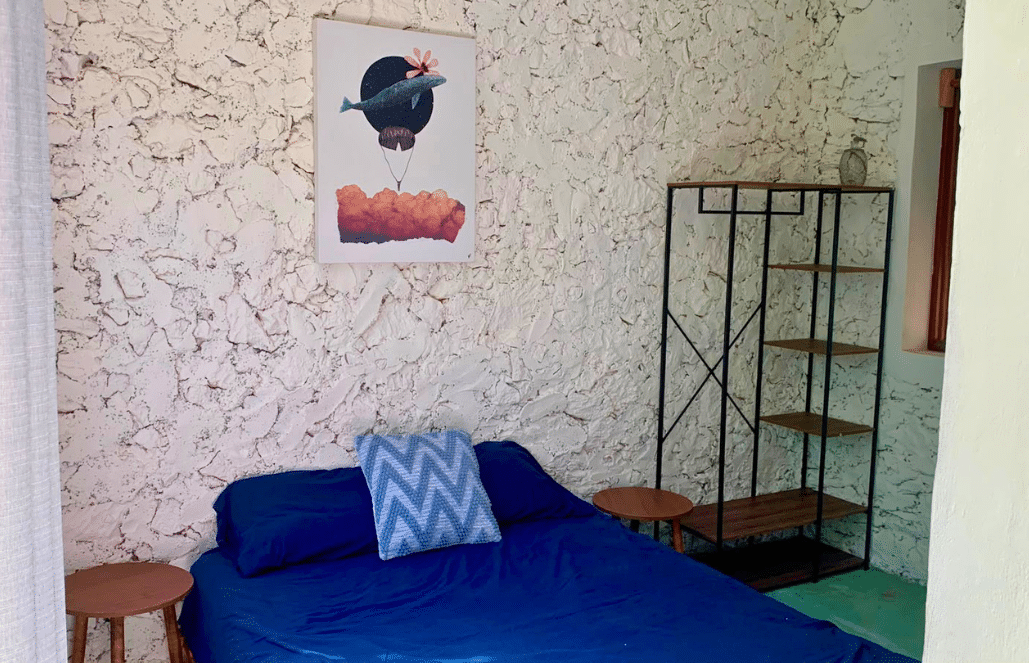
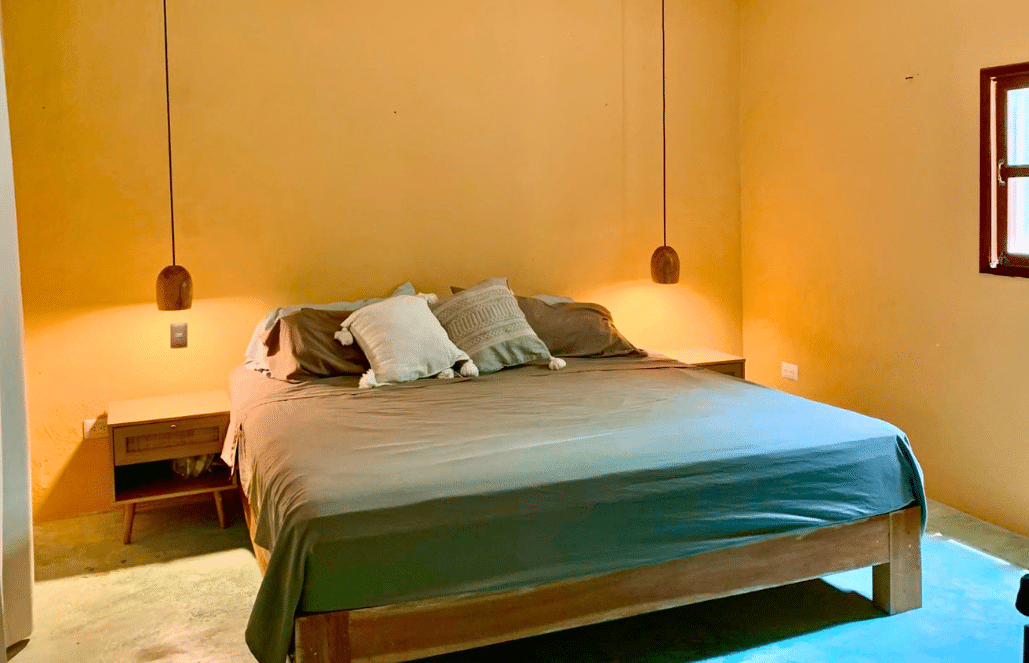
On land, volunteers can explore Mahahual and experience everyday life in a small coastal community. The accommodation includes a swimming pool, while shops, restaurants, and ATMs are accessible locally. Additional tours and activities can be arranged through the local team for volunteers who want to explore during their free time. Tours are best booked in advance, as availability can vary by season, although some last-minute arrangements may be possible. The Caribbean can be visited throughout the year, with December through April being the busiest period. Volunteers who would like time away from the program can arrange days off with the local team in advance.

