
Inside the animal hospital
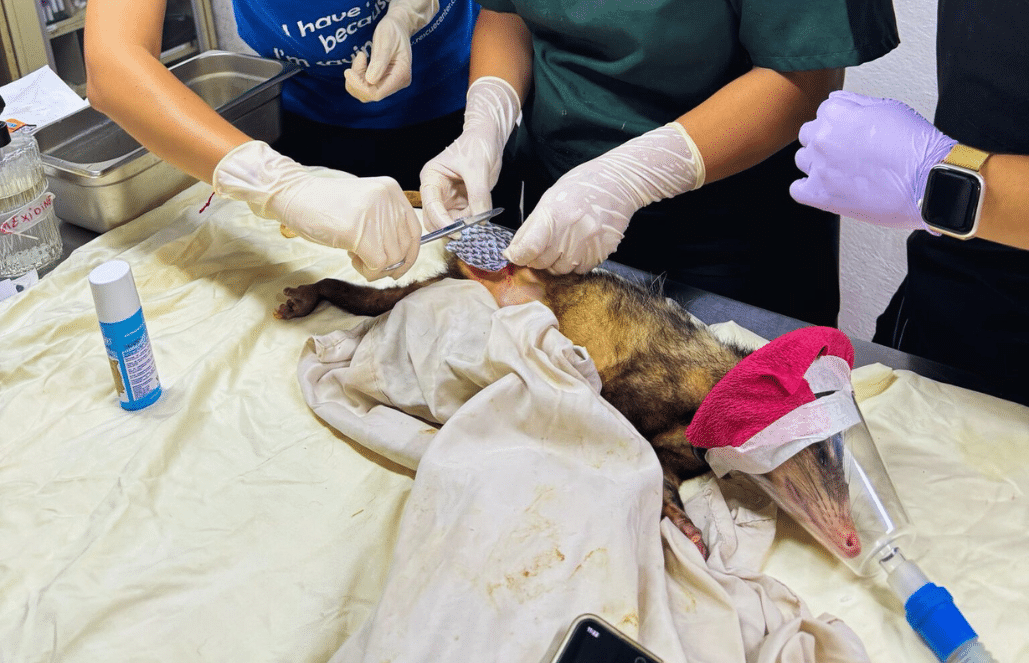
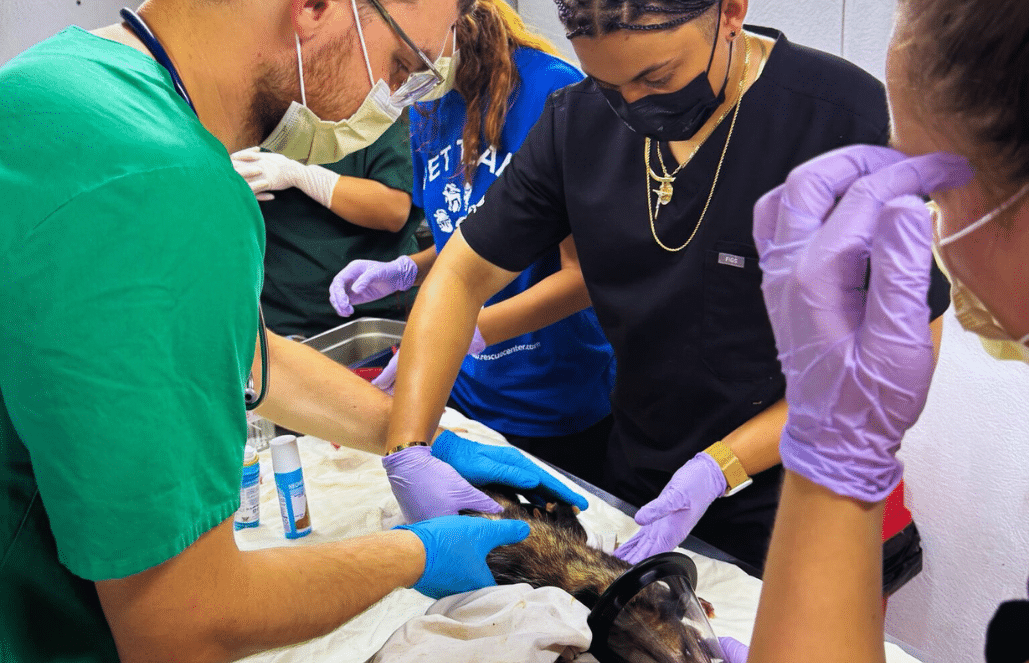
In the video, the center’s vets are checking on sloths in the animal hospital, where new arrivals and recovering animals are monitored.
Pre-vet volunteers shadow and support the vets through treatments, cleanings and checkups, close enough to ask questions and see how wildlife medicine really works. That’s hard experience to get back home.

Chopping, slicing and a lot of fruit
Feeding 100+ animals takes a lot of prep. Different species need different diets, so you learn quickly what goes where and why.
It’s also a crash course in how much nutrition matters to recovery.
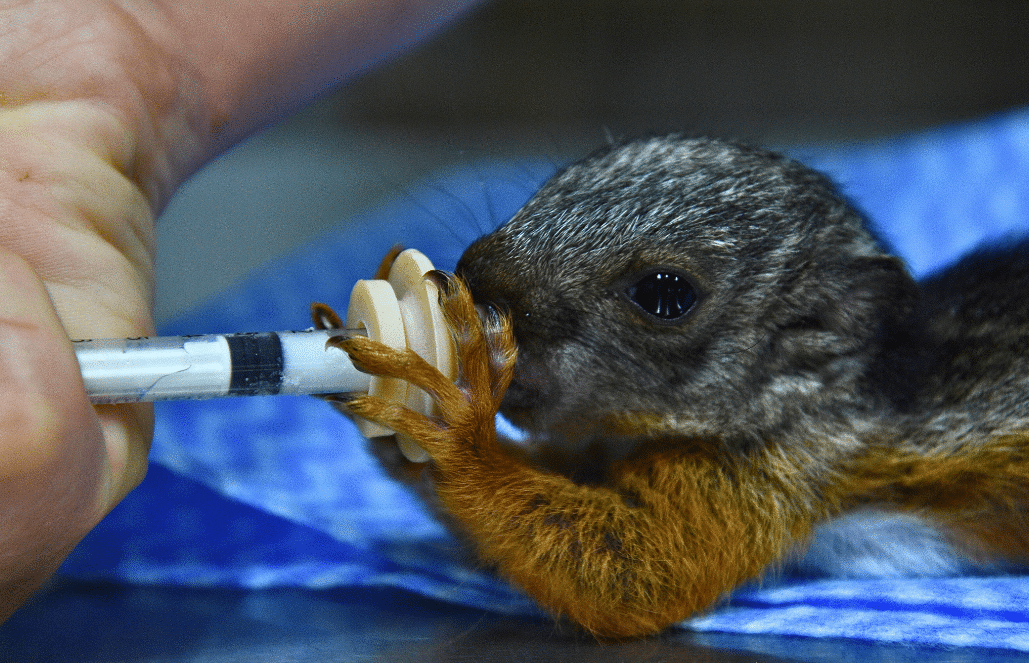
Feeding the babies
This is what most people picture when they sign up. Orphaned babies and sick animals need extra attention at feeding time, and volunteers help under the vets’ guidance.
Contact only happens when it’s needed for feeding or treatment, which keeps the babies on track for life back in the wild.

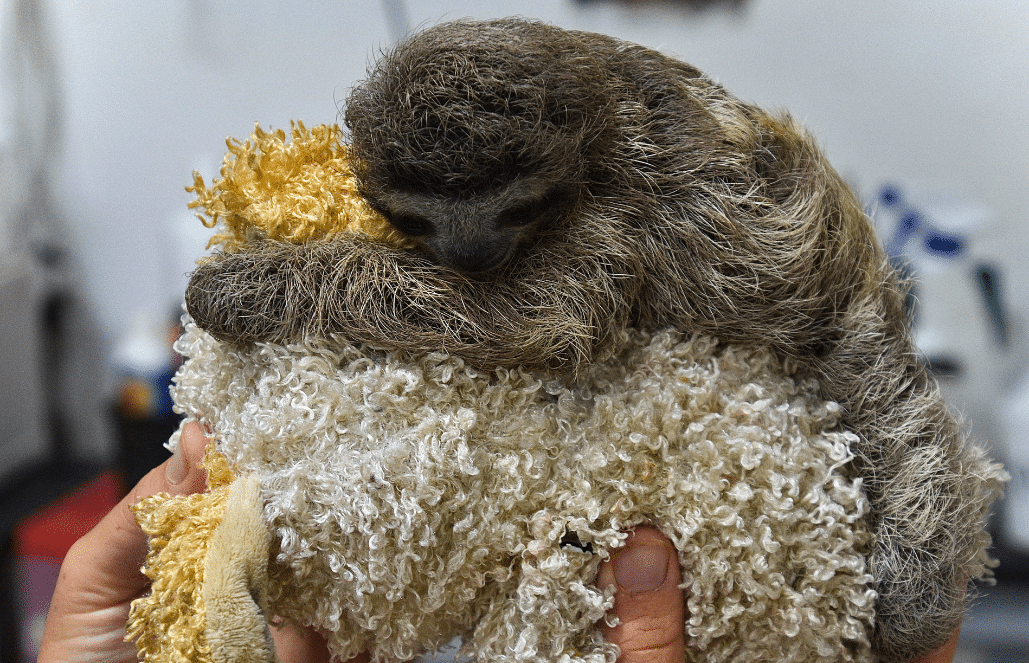
Watching baby sloths learn to climb
Honestly, the best part of the video. Baby sloths practising their climbing is as wholesome as it gets, and it’s a big step towards release, since a sloth that can’t climb can’t survive in the wild.
And no, you can’t hold them. The center has a strict hands-off policy in line with Costa Rican law, plus a no-selfie rule to help fight the illegal pet trade.
Keeping the enclosures in shape
Clean enclosures mean healthier animals, so volunteers keep the aviary, sloth gardens and monkey enclosures in shape.
While you’re in there, you’re also checking for signs of injury, the kind of observation skill vets use every day.

What else the vet team gets up to
Depending on the week, pre-vet volunteers may also:
- Join educational lessons run by the vets throughout the placement
- Learn how to calculate medicine doses for sick and injured wildlife
- Shadow surgeries, if any take place during your stay
- Help with checkups and monitor animals for injuries or changes in condition
- Take part in educational community projects
No two weeks look the same, which makes it great prep for vet school.
When you’re off the clock
With volunteers from all over the world, evenings are rarely quiet: Zumba, trivia, bonfires, movie nights and night walks, plus yoga and Spanish lessons.
You also get a day off each week, usually a Thursday, and weekly tours run at reduced transport costs to spots like:
- Jaco Beach for ATVs and zip lining
- Manuel Antonio National Park for rainforest and beach
- Monteverde Cloud Forest and its hanging bridges
- Arenal Volcano and the hot springs
Meals are cooked by private chefs and cater to all diets. Rooms are shared and rustic, built for adventure over comfort.

Is this program for you?
The program is built for students on the pre-vet track, no vet school needed yet. You’ll need to be 18 or over, physically fit and up for whatever the day needs. It suits ages 18 to 30 best.
Placements run from 2 to 12 weeks, with arrivals and departures on a Sunday. Your private airport pickup, accommodation, meals, orientation and 24/7 support are all included.
Want to see if it’s the right fit? Check out the full program here or get in touch with the GoEco team and we’ll help you work out the details.
Costa Rica – Pre-Vet Sloth and Wildlife Rescue Center – Click Here To Apply Now