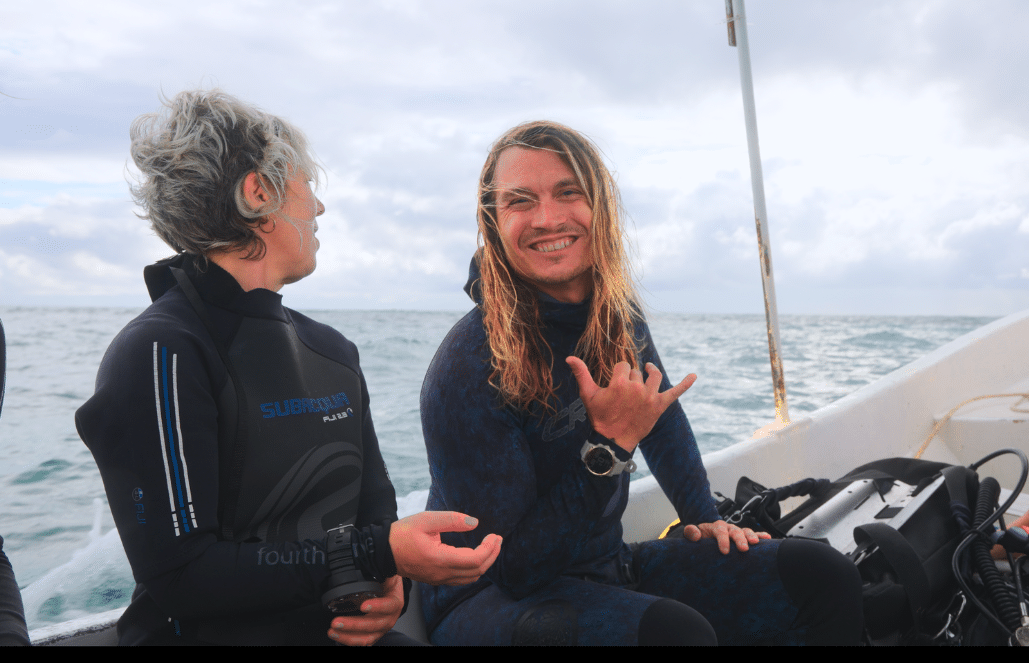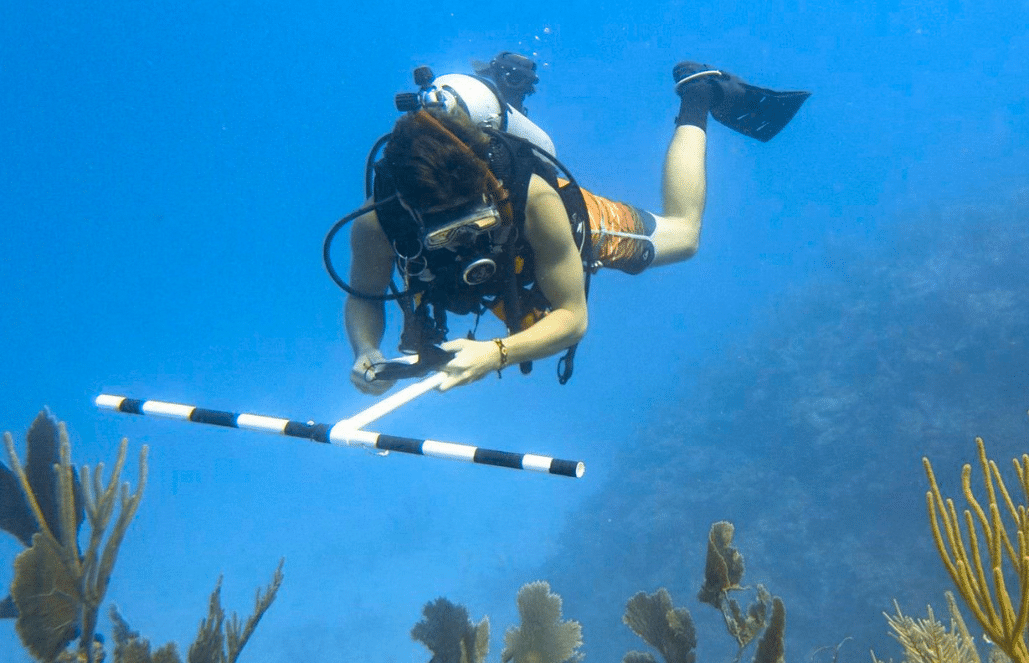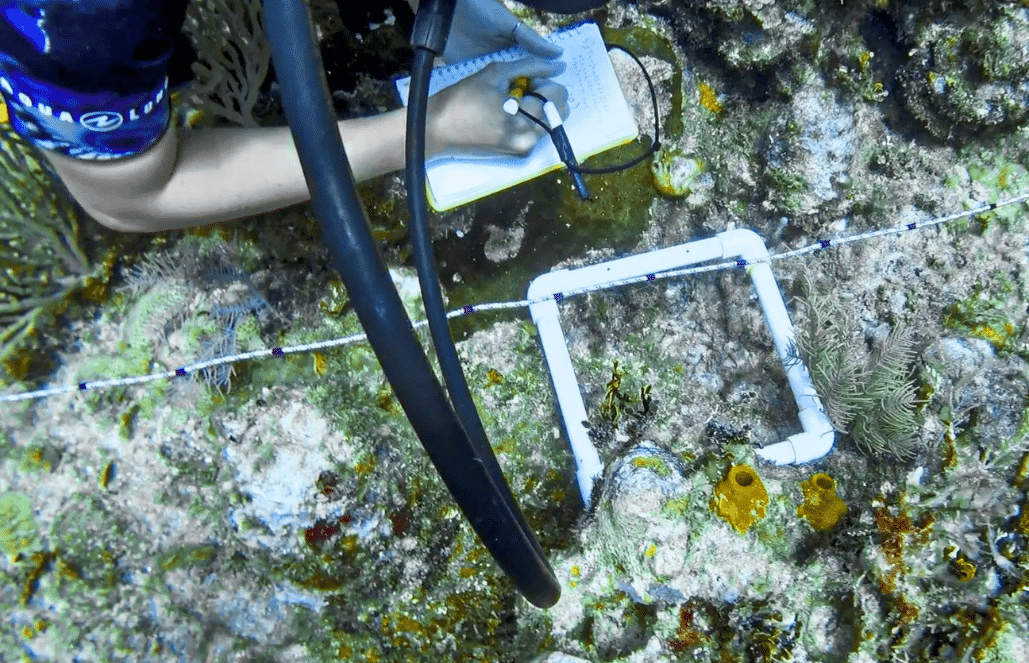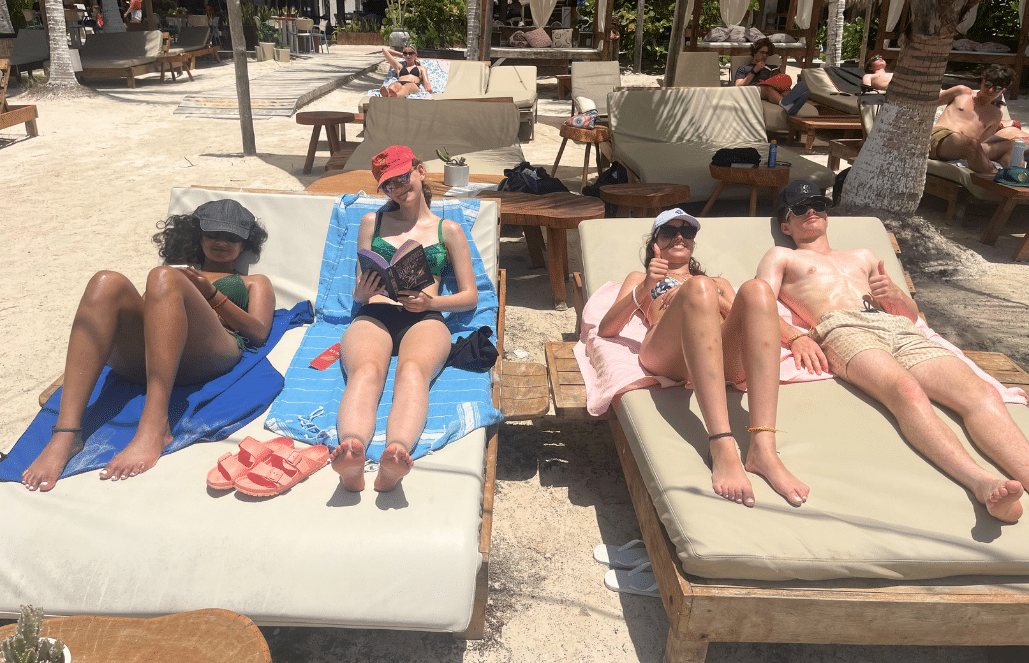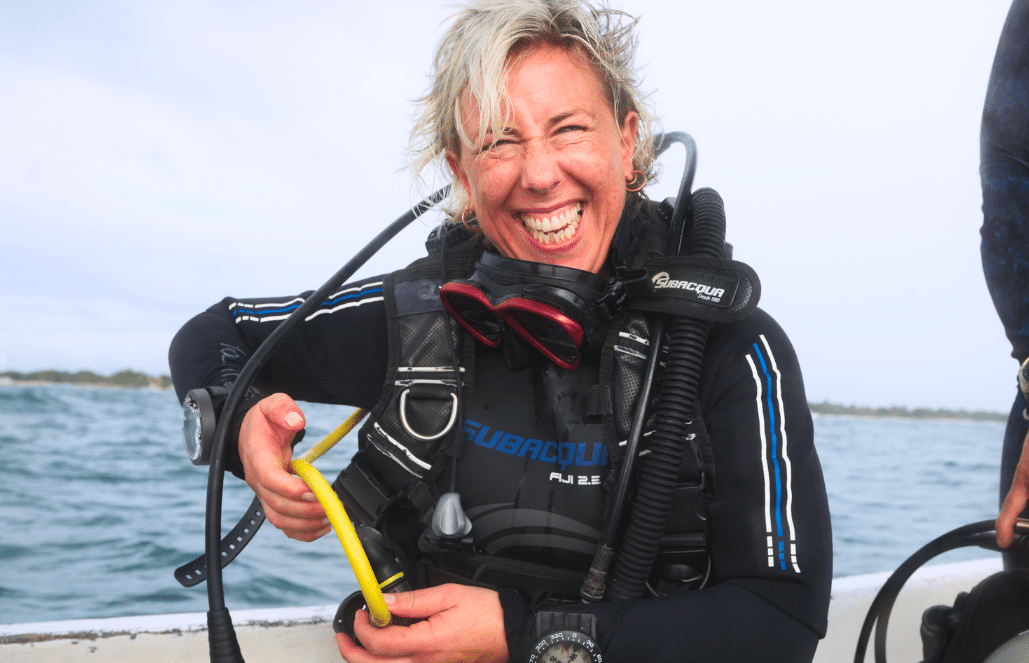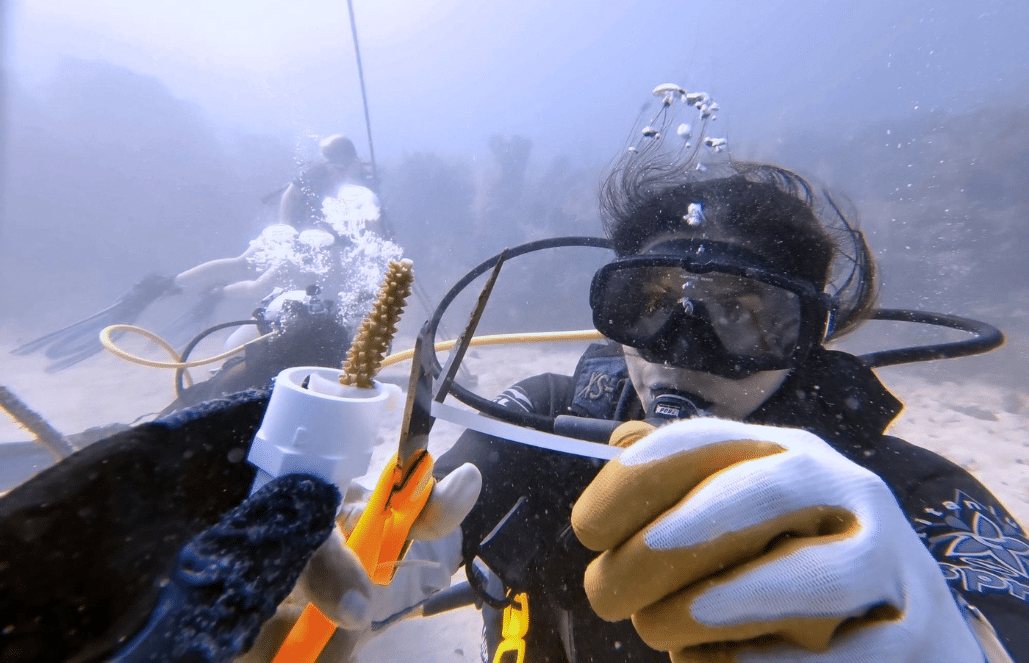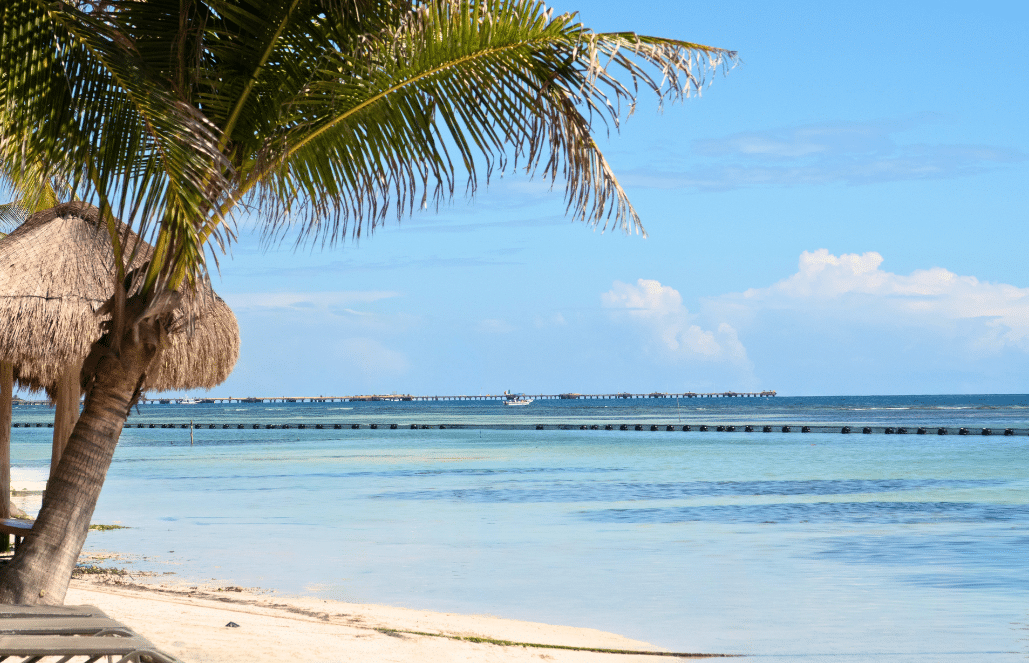

Say “Mexican Caribbean” and most people picture a sun lounger and something cold with a tiny umbrella in it. Fair enough, the coast is very good at that. But a few hours south of the Cancún crowds there’s a small town called Mahahual where volunteers spend their mornings underwater instead, counting fish, checking coral for signs of bleaching, and planting new coral fragments onto reef that could use the help.
That’s the heart of Marine & Coral Reef Conservation in the Caribbean, one of GoEco’s volunteer programs in Mexico. And no, you don’t need to know how to dive before you get there. You can turn up never having breathed through a regulator in your life.

Learning to dive
You’ll train with the program’s PADI dive center, doing one course per week and starting with Open Water if you’ve never dived before. Instruction, materials, certification and scuba gear are all included. After that come the scientific diving skills the conservation work relies on, which mostly means good buoyancy so you’re not kicking the coral you came to help.
Staying a month or longer? There are Divemaster pathways and internship options too, worth asking about if you’re studying marine biology.
Where you’ll be
Mahahual sits in Quintana Roo on Mexico’s Caribbean coast. It’s a laid-back little place, with shops, restaurants and ATMs a short walk from the volunteer house, and the reef right on its doorstep. The arrival airport is Cancún International, and from there it’s public transport down the coast.
The program brings together two operations: an established PADI 5-Star IDC dive center, and a marine research and conservation center that has been protecting and restoring Mahahual’s coastal ecosystems since 2016. You’ll be working alongside marine biologists, researchers, environmental specialists, educators and dive professionals, plus interns and other volunteers from around the world. Their projects also involve universities, government bodies and environmental organizations, so the data you help collect actually goes somewhere.

What the conservation work looks like
Days usually start around 9 AM and finish around 1:30 or 5 PM, depending on the activity and what the sea is doing that day. The ocean sets the schedule here, so flexibility helps. Depending on conditions, your week might include:
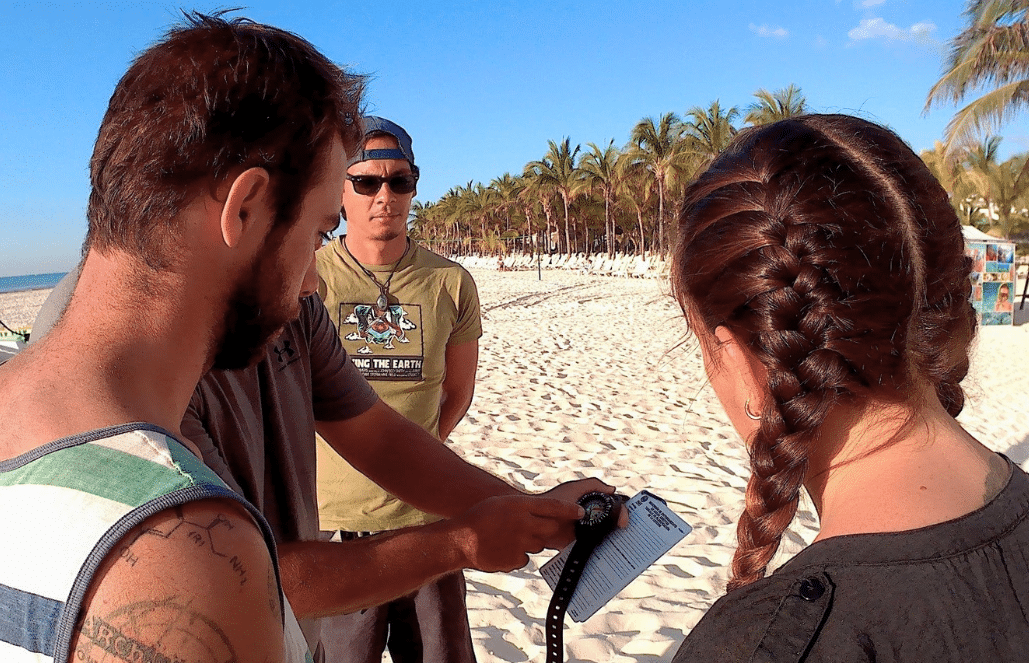
Reef health surveys. Identifying fish, invertebrates and corals, recording what covers the reef floor, and keeping an eye out for bleaching and disease. This monitoring is how the team tracks reef conditions over time and picks out good spots for coral nurseries.
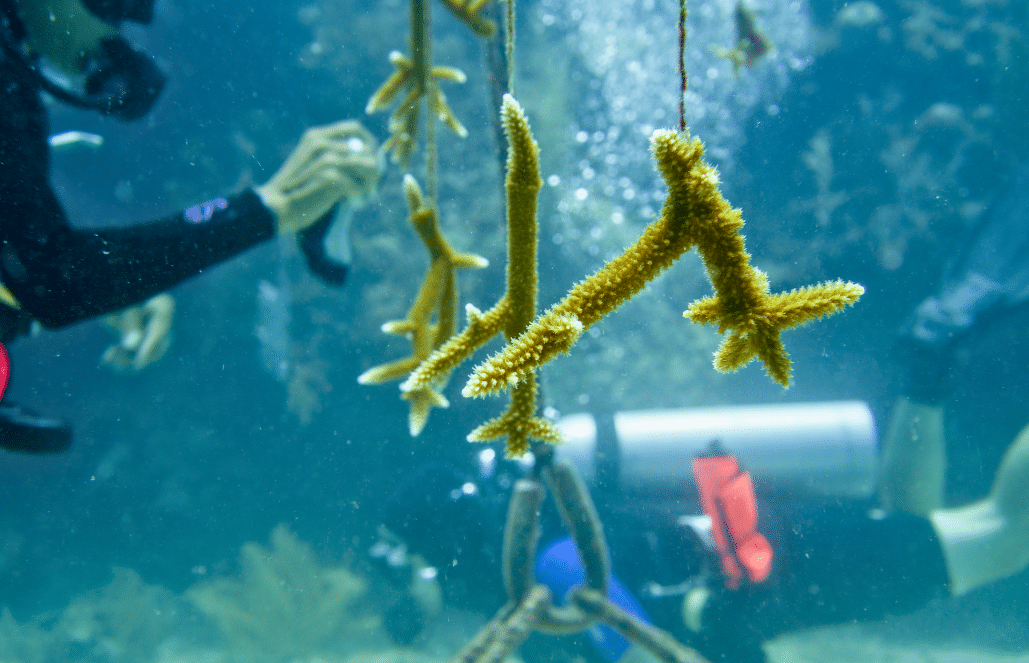
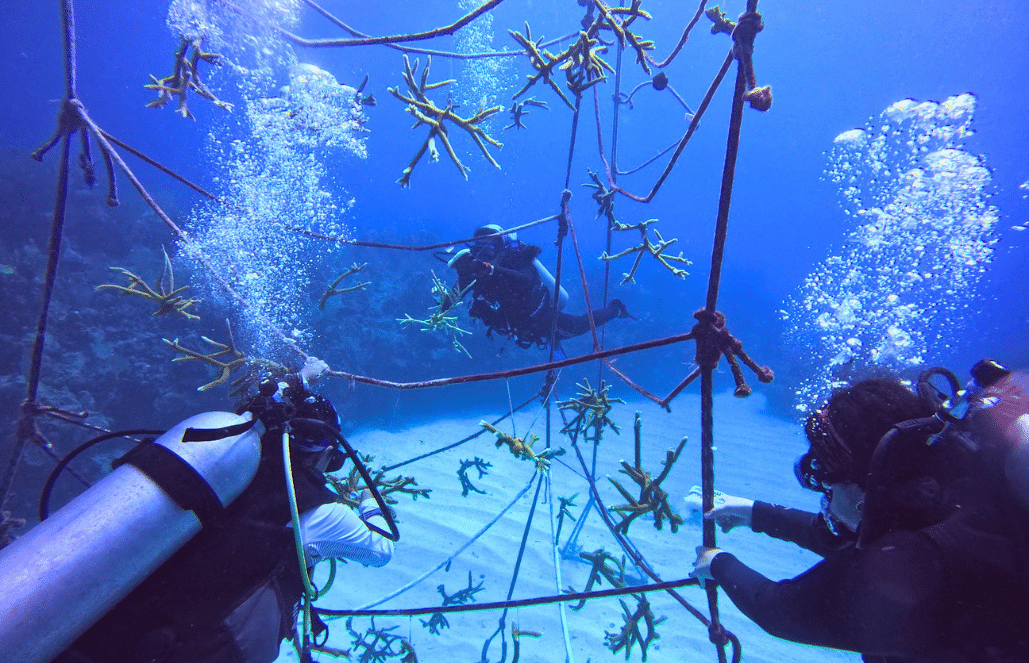
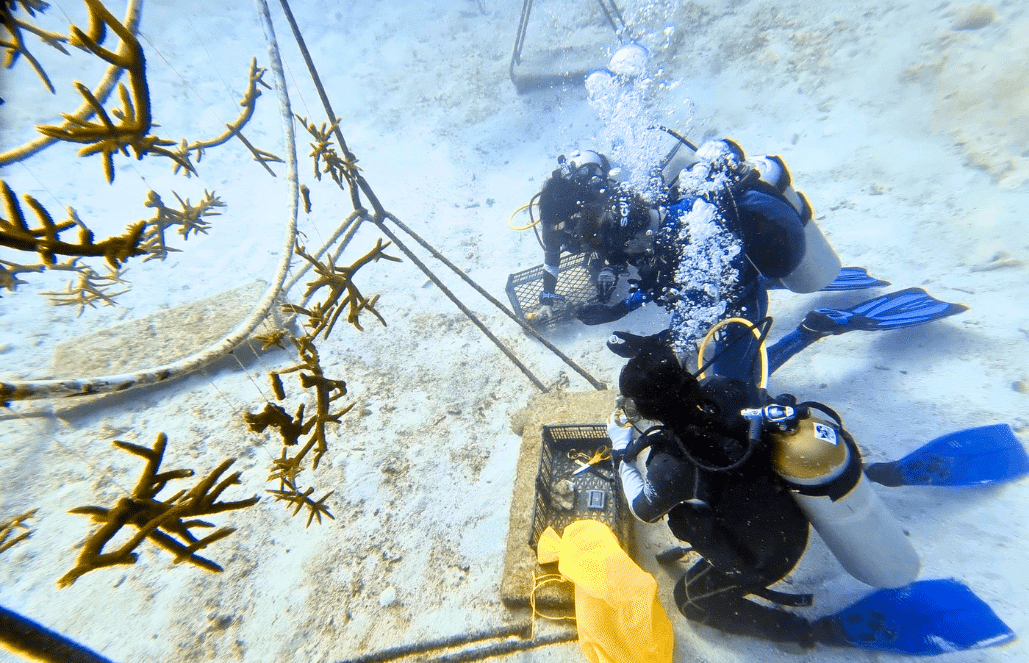
Coral restoration. Maintaining the coral nursery, preparing coral fragments, and helping outplant them onto damaged sections of reef. The center’s work also includes genetic diversity research and assisted reproduction for endangered coral species.
Sea urchin work. This one surprises people. Volunteers help with feeding, cleaning tanks, measuring juvenile urchins and assisting when they’re released back onto the reef. Urchins graze down the algae that can otherwise crowd out coral, so getting their numbers back up is a real part of keeping the reef healthy.
Water quality and lab work. Testing samples and helping out in the lab.
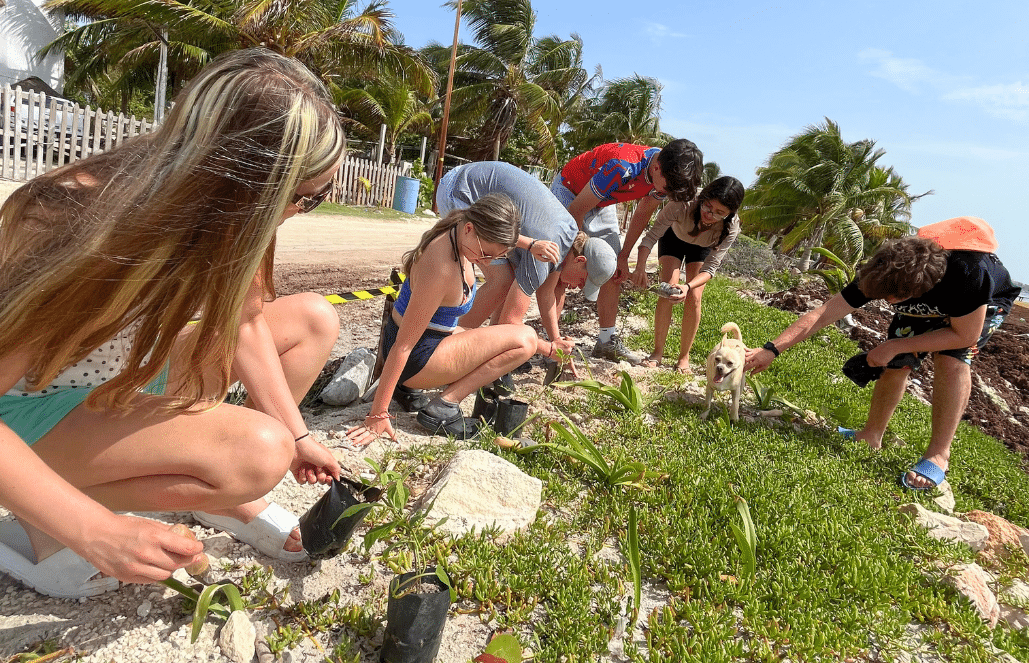
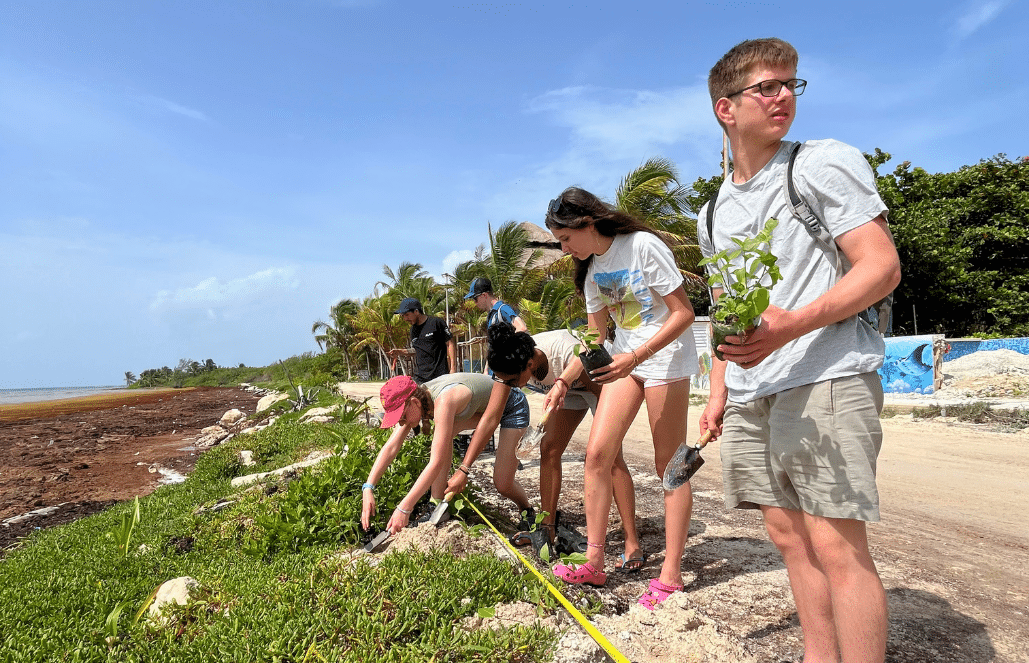
Above the waterline. Not everything happens underwater. You’ll plant seeds and native species in the coastal dune nursery, support mangrove and coastal habitat conservation, and join beach cleanups where marine debris gets sorted and recorded as data on plastic pollution.
Environmental education. When it’s on the schedule, volunteers can get involved in community education work too.
If you’re there in July or August, there may be a chance to support coral spawning and assisted fertilization work, depending on timing and conditions. Spawning runs on nature’s timetable, so treat it as a possible bonus rather than something to plan around.

A sample first week
To give you a feel for the pace, a typical first week looks something like this:
- Day 1 (Monday): Arrive in Mahahual and settle in
- Days 2–4: PADI dive training
- Days 5–6: Scientific diving
- Day 7: Reef ecology
- Day 8: Marine restoration
- Day 9: Departure (or keep going, if you’ve booked longer)
The minimum stay is one week (8 nights) and you can stay up to 12 weeks.

Who it’s for
Volunteers need to be 18 or older. You’ll need a police record check, and you’ll complete the dive and safety training for your program. Beyond that, it suits anyone who’s happy sharing a room, cooking for themselves and rolling with a schedule that sometimes changes because the sea said so.
It works for solo travelers, gap year students, career changers and groups. The program takes groups of 1 to 16 international volunteers, and custom group dates are available. It runs year-round, with December to April being the busiest stretch, so if you’re eyeing those months it’s worth getting in early.
What’s included
- Shared accommodation and a weekly food allowance
- Transport between the accommodation and activities
- Orientation, pre-departure travel guidance, a 24/7 emergency hotline and local field support
- PADI training, materials, certification and dive equipment
- Conservation activities as per the schedule
Not included: flights, local transport to Mahahual, airport transfers (available for an extra fee), visas if needed, travel medical and diving insurance, extra food and drinks, laundry, private room upgrades, optional tours and personal spending money.
Got a teen who wants in?
If you’ve got an ocean-obsessed 15 to 17-year-old at home, there’s a version built just for them. The Marine Conservation & Diving Expedition for Teenagers is also based in Mahahual and runs as a 13-day group expedition with a higher level of supervision. A local field team looks after the itinerary and keeps in touch with parents, dives are led by certified instructors, and families get updates along the way.
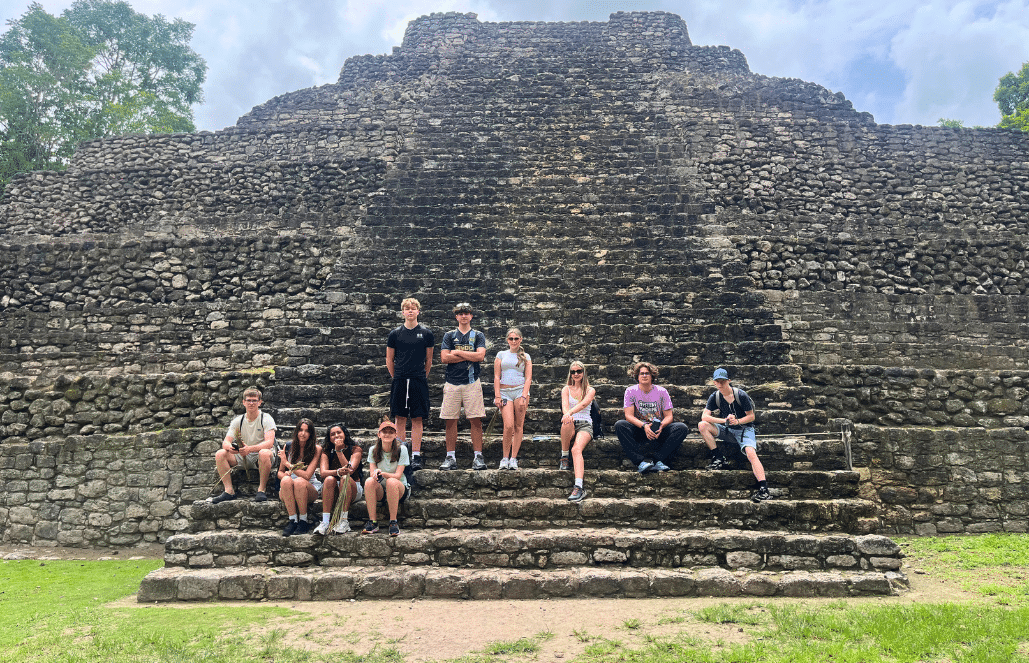
Teens earn a PADI certification, then join a lionfish removal conservation dive, a coral reef monitoring workshop and a coral restoration workshop where they learn fragmenting and transplanting. There’s dune restoration on land, a visit to a marine restoration lab and the Chacchoben Mayan ruins, plus a free day and a beach club day so it isn’t all slates and survey sheets.

Somewhere along the line you’ll find yourself floating over a patch of reef you helped plant, slate in hand, trying to count fish that refuse to hold still. Not a bad way to spend a Tuesday.