
You can read every anatomy textbook going and still have no real idea what a hospital ward feels like at 8 in the morning. The rounds, the handovers, the way a nurse checks five things at once without seeming to look at any of them. That stuff only clicks when you see it.
That’s what the Sri Lanka Medical and Nursing Program is for. It’s built for pre-med and pre-nursing students who haven’t started clinical rotations yet and want a proper look at hospital life before they commit years of study to it. And it happens in Galle, on Sri Lanka’s southern coast, with your afternoons free and Unawatuna Beach across the road from the volunteer house. There are worse places to figure out your future.
Where you’ll be
The program is based near Galle, a coastal city in Sri Lanka’s south. Volunteers live in a beachside house across from Unawatuna Beach, and the placements are a 30 to 40-minute trip away. You’ll fly into Colombo’s Bandaranaike International Airport, and shared transfers run at set times on arrival and departure days.

The hospitals
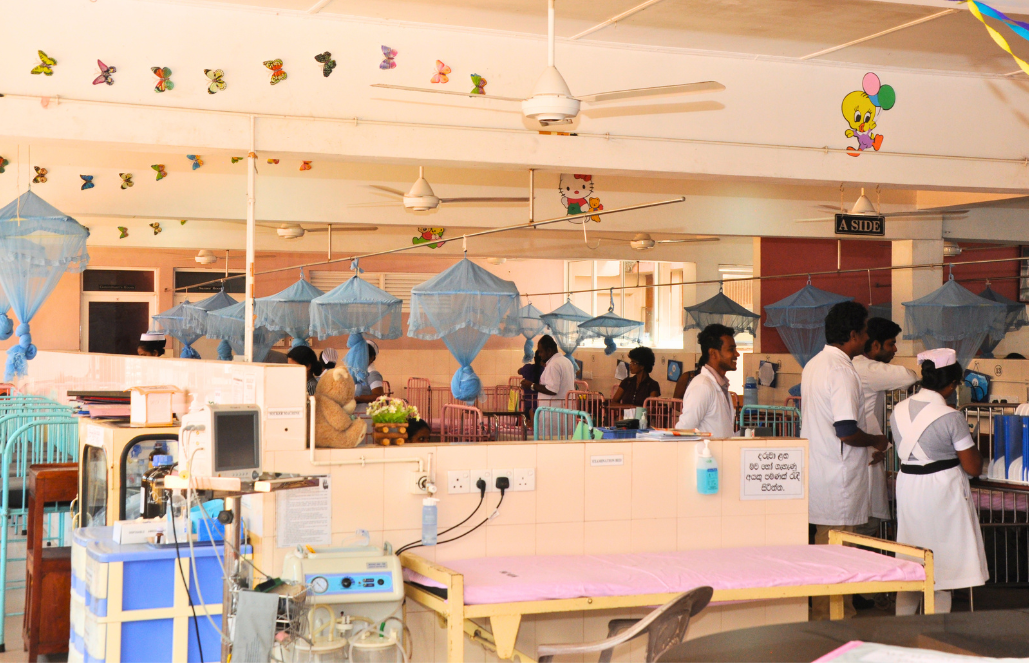
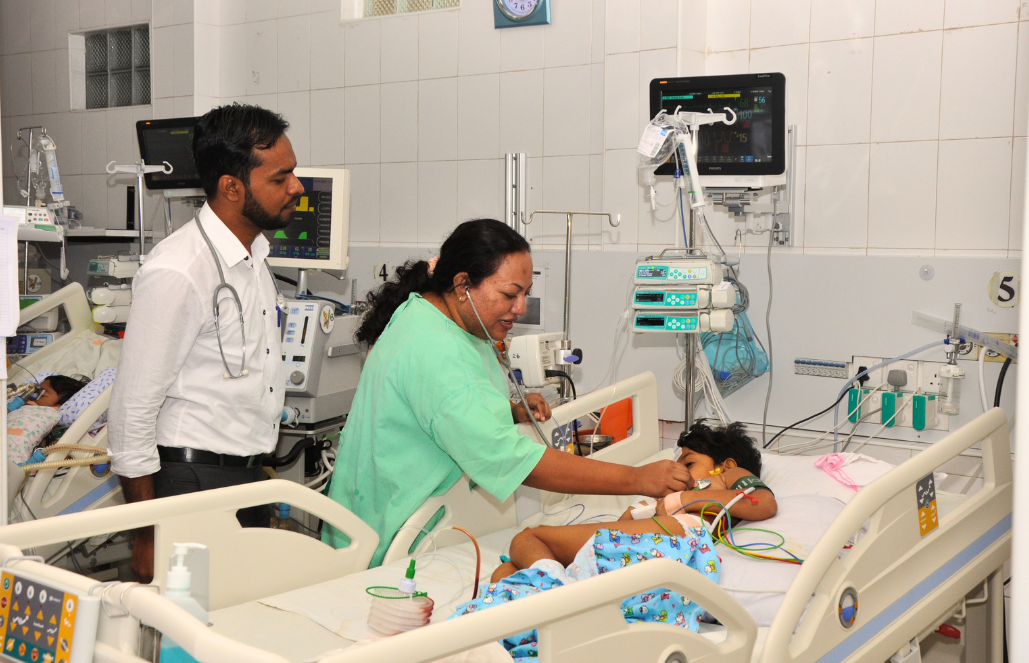
The biggest of the placements is National Hospital Galle (formerly Teaching Hospital Karapitiya), the largest public hospital in Southern Province with around 2,000 beds and 54 wards. It’s a busy place, which is exactly why it’s such a good one to learn in.
Depending on your interests, you could spend time in general surgical wards, pediatrics, emergency trauma, the oncology surgical ward, or physiotherapy and rehabilitation. Psychiatry, orthopedics, rheumatology and ICU can be requested too.
There’s also the Sri Lanka Friendship Hospital for Women, a maternity hospital where you may get to observe antenatal and postnatal wards, and the labor room and obstetric theatre when permitted. Maternity placements are open to female participants only.
And for something you probably won’t find on a placement back home, there’s an introductory workshop at the Government Ayurveda Institute, a hospital focused on Ayurvedic medicine, Sri Lanka’s traditional system of health.
What you’ll actually be doing
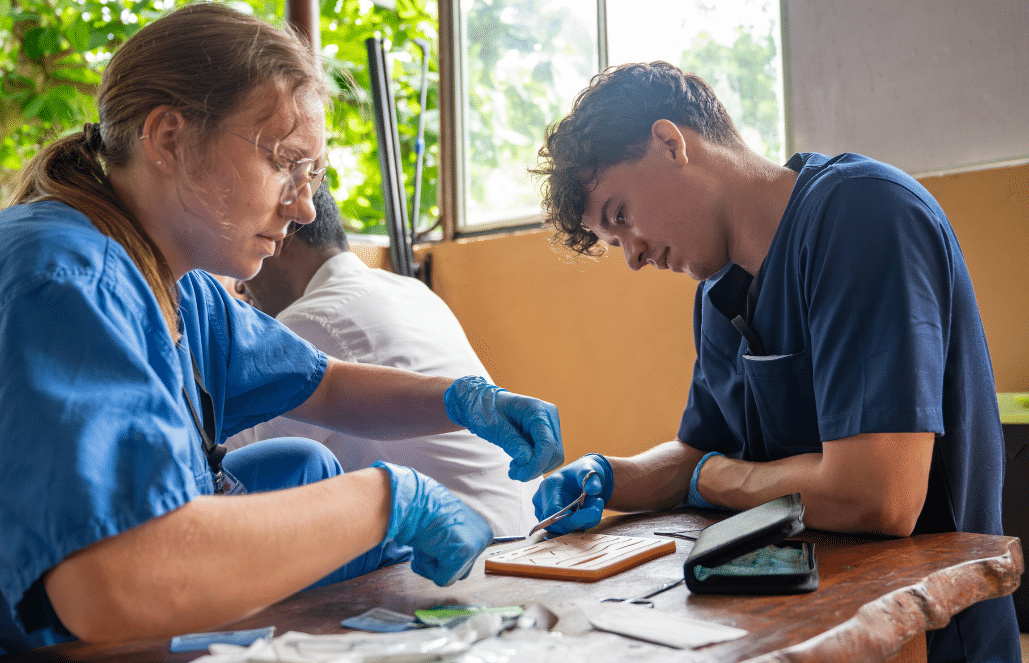
This is an observation program, and it’s worth being clear about that upfront: there are no hands-on procedures. Your job is to watch, listen, ask good questions and soak it all up. During the week, that looks like:
- Observing ward rounds, bedside teaching and case discussions when they’re happening
- Shadowing doctors and nurses to see how the clinical day actually runs
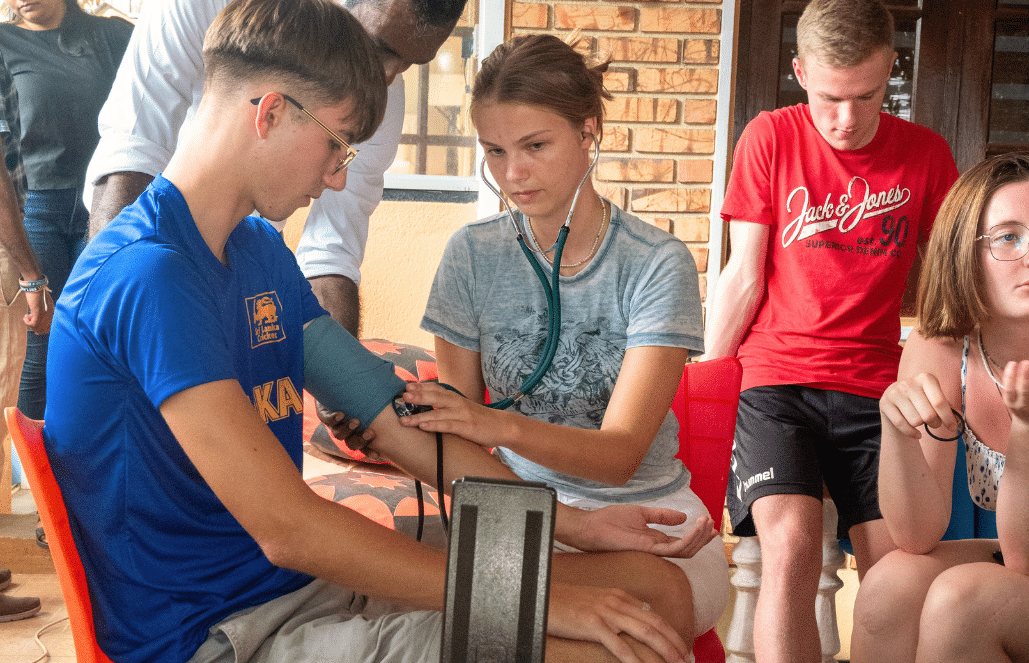
- Observing vital sign checks, wound dressing, patient monitoring, and the routines before and after surgery
- Going through patient histories with guidance from staff
What you see each day depends on the ward and on the teaching opportunities that come up, so no two days are quite the same. Placements run Monday to Friday, starting around 8 AM for a few hours each morning. Afternoons are yours, apart from the odd day with an evening surgery observation.
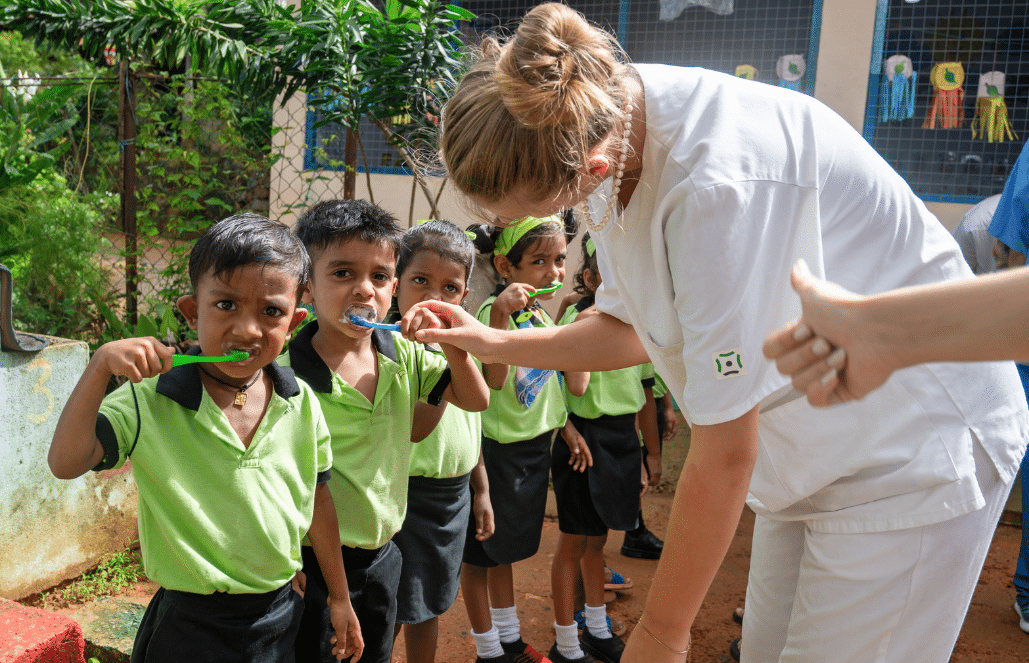
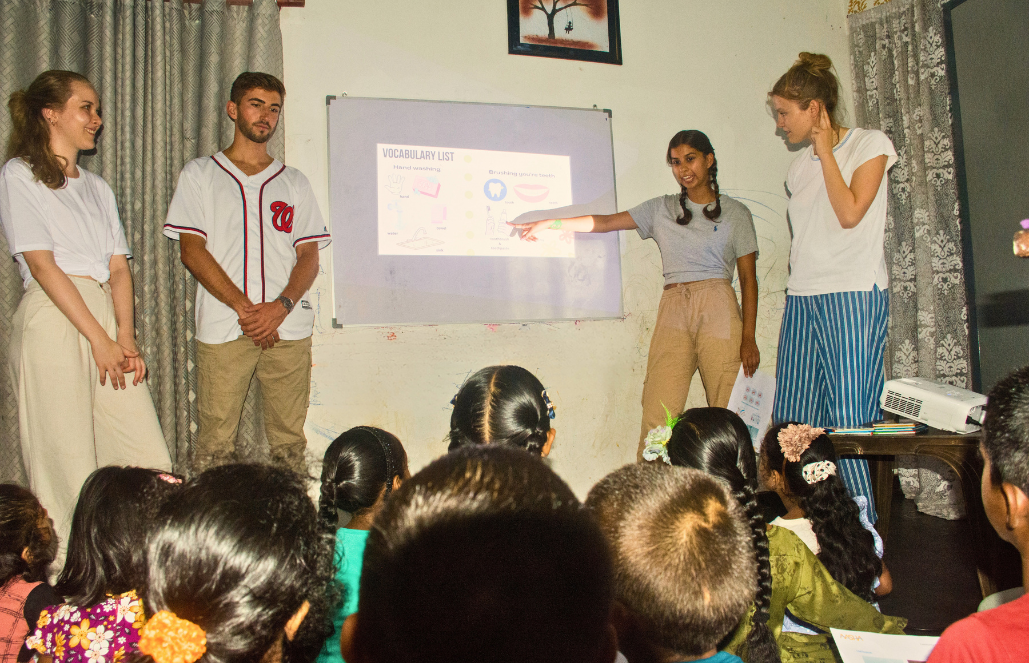
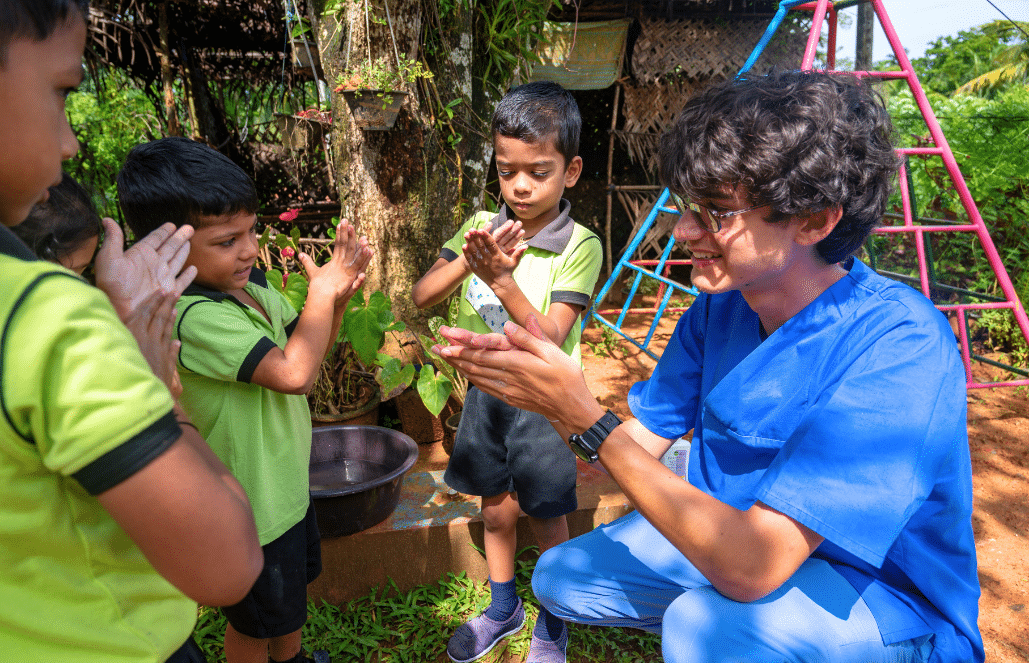
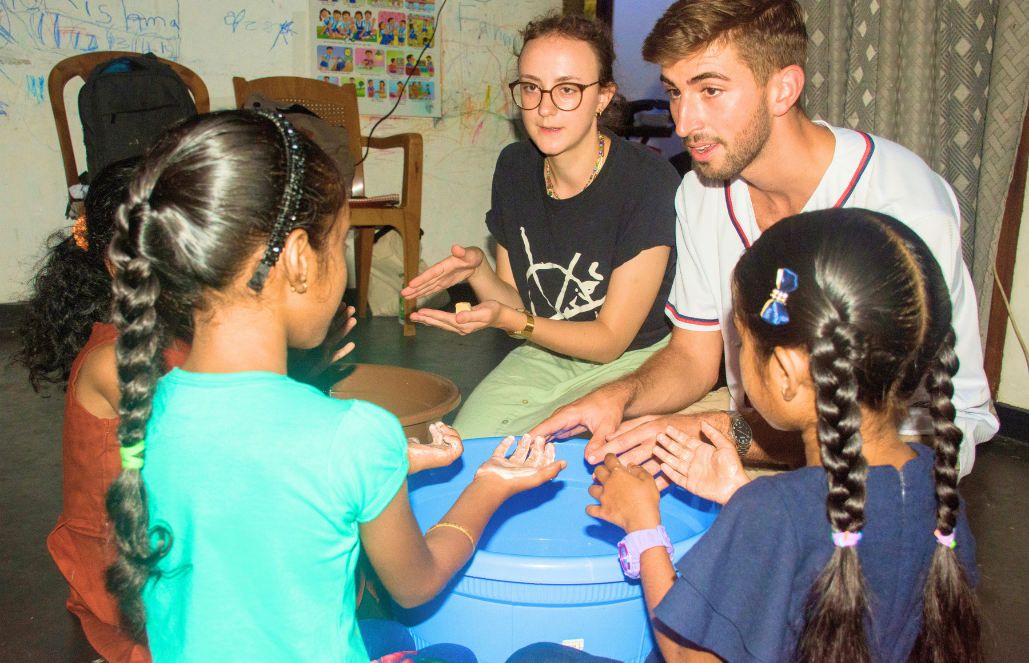
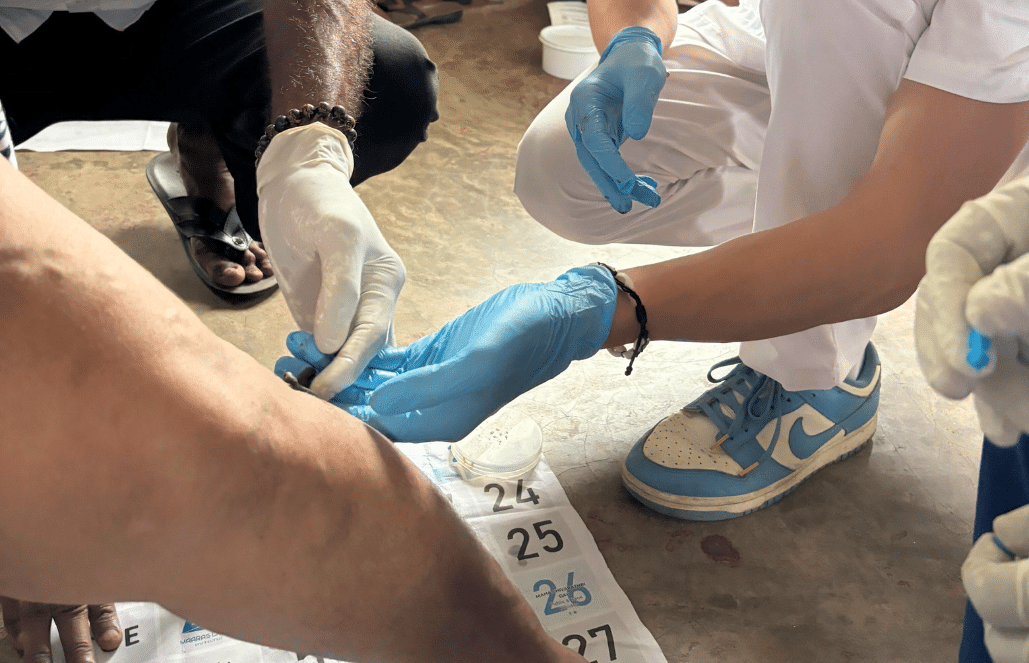
There’s a community side too. Optional health sessions with local schools and organizations cover things like first aid and hygiene education, and you can help out with structured activities at centers for children with special needs and for older adults.
Honestly, observation is a pretty great place to start. You’re not worrying about getting a procedure right, so all your attention goes on noticing how the place works, and which wards you keep wanting to go back to.

Who it’s for
You need to be 18 or older and comfortable working in English. You don’t have to be enrolled in a medical or nursing degree, but you do need some healthcare knowledge or experience behind you, backed up by a reference letter or certificate. Things like working as a healthcare assistant, elderly care, a nursing apprenticeship, first aid or ambulance experience, or a previous hospital internship all count.
If you’re already in medical or nursing school and need elective or clinical hours, GoEco has separate medical and nursing internship programs that are a better fit.
A few practical things to know:
- Paperwork: you’ll need a CV, a copy of your passport, a motivation letter, a police clearance, and an assessment form from the hospital (sent after you apply). The hospital reviews every application and has the final say.
- Timing: apply at least 8 weeks before your start date, with documents in at least 6 weeks before.
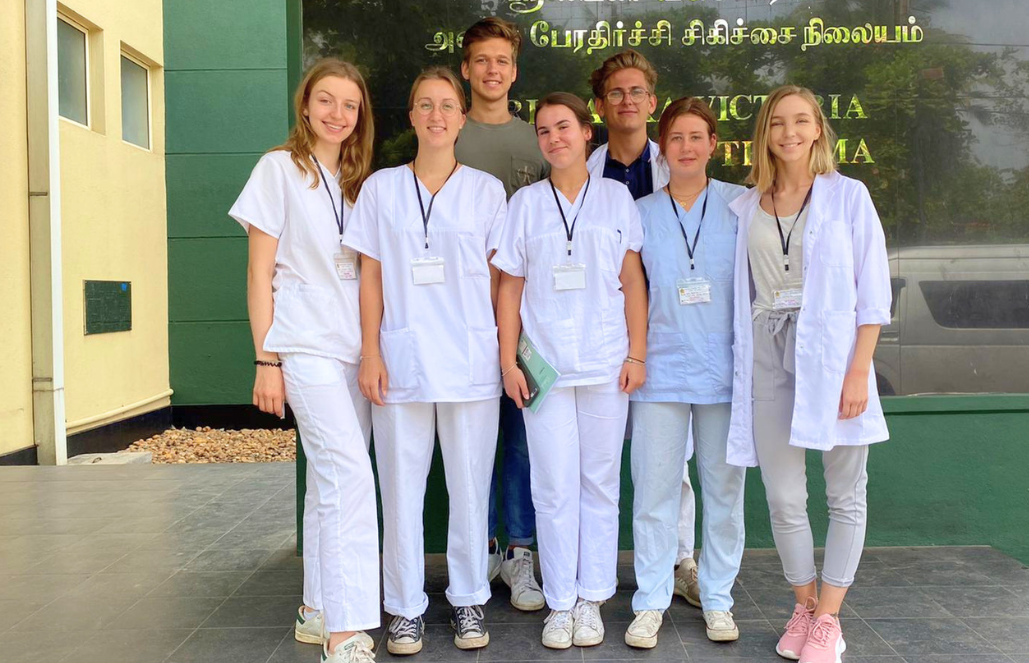
- Dress code: smart, professional clothes with medical scrubs and long trousers. Tattoos covered, piercings out during volunteer hours.
Life at the volunteer house
Home is a shared house right across from Unawatuna Beach, with rooms for 3 to 6 people, en-suite bathrooms, a garden, lounge, terrace and dining area. There’s a pool nearby you can use. Air-conditioned rooms and private rooms (in separate houses just down the road) are available for an extra fee.
Three meals a day are cooked by the house chefs using local ingredients, with tropical fruit at every meal, which is the kind of detail you don’t appreciate until you’ve had fresh mango for breakfast five days running. Vegan, nut-free and lactose-free diets can be catered for if you let them know in advance.
Evenings and weekends have their own rhythm: weekly rooftop yoga, movie nights, a monthly BBQ and bike tours.
Weekends on the south coast
There’s no program on weekends, which leaves plenty of time to explore. Galle Fort, a UNESCO World Heritage Site, is close by. Mirissa and Hikkaduwa are easy trips, and you can book surf lessons, cooking classes, rainforest hikes and wildlife safaris through the local team. Whale watching is on the list too, if you’re there in season. The area is safe and easy to get around, which helps if this is your first big trip on your own.
The practical bits
You can join for anywhere from 1 to 12 weeks, arriving on a Saturday for your airport transfer and a meet-and-greet, with orientation and project training done before placements start on Monday. Groups of up to 20 can choose their own dates.
Included: accommodation, three meals a day, shared airport transfers at set times, orientation, pre-departure guidance, a 24/7 emergency hotline, local field team support, and Wi-Fi (up to 20 GB).
Not included: flights, your ETA visa (most nationalities can apply online), travel health insurance, medical scrubs, private transfers, room upgrades, laundry, optional tours and weekend activities, the occasional hospital cafeteria meal, and personal spending money.
You might come home more sure of the path you’ve picked, or with a completely different specialty in mind than the one you left with. Either way, you’ll have spent a few weeks walking hospital wards in the morning and swimming at Unawatuna in the afternoon.
Sri Lanka Medical and Nursing Program – Click Here To Apply Now