
More eyes on the back of the vehicle
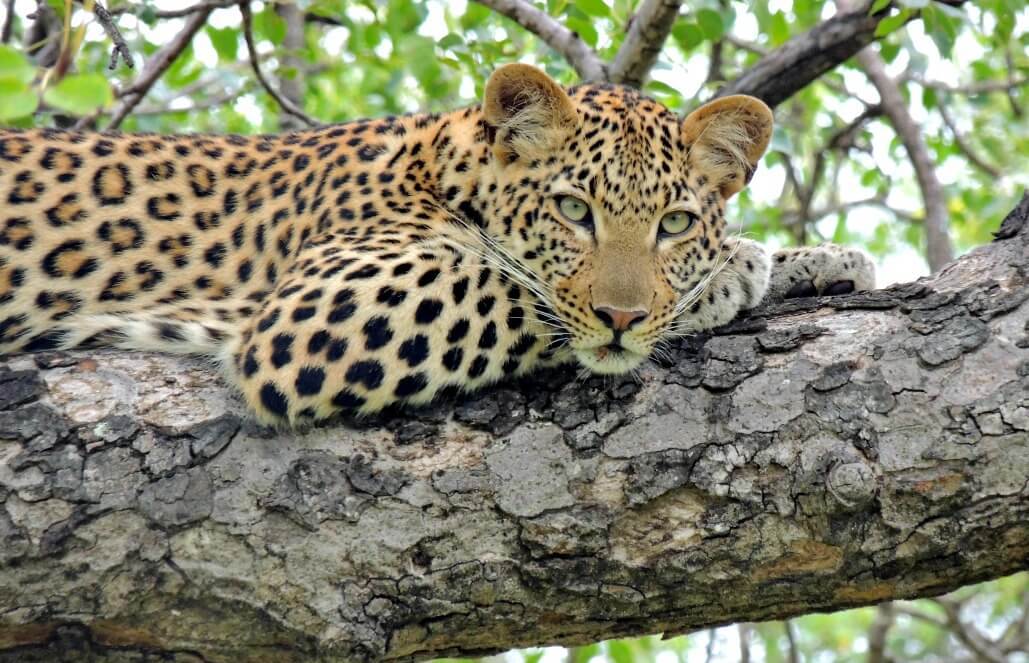
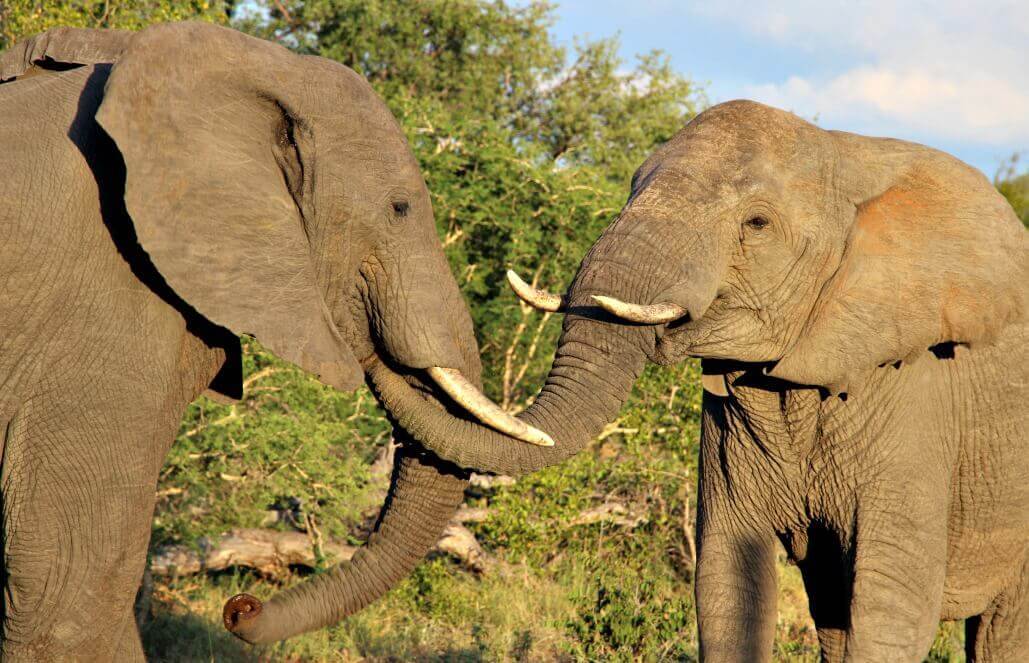
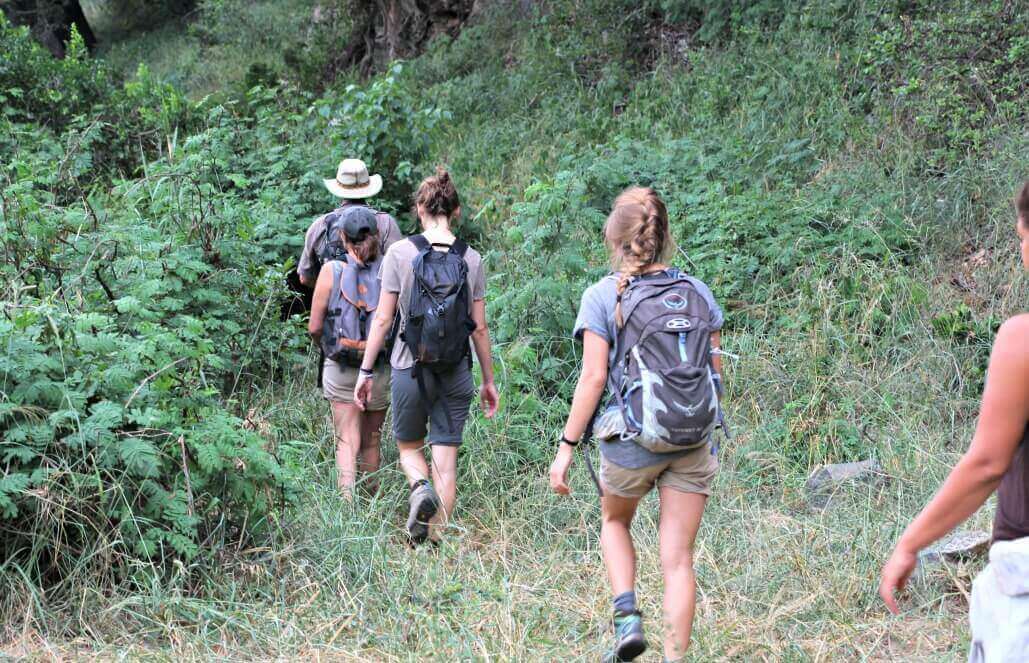
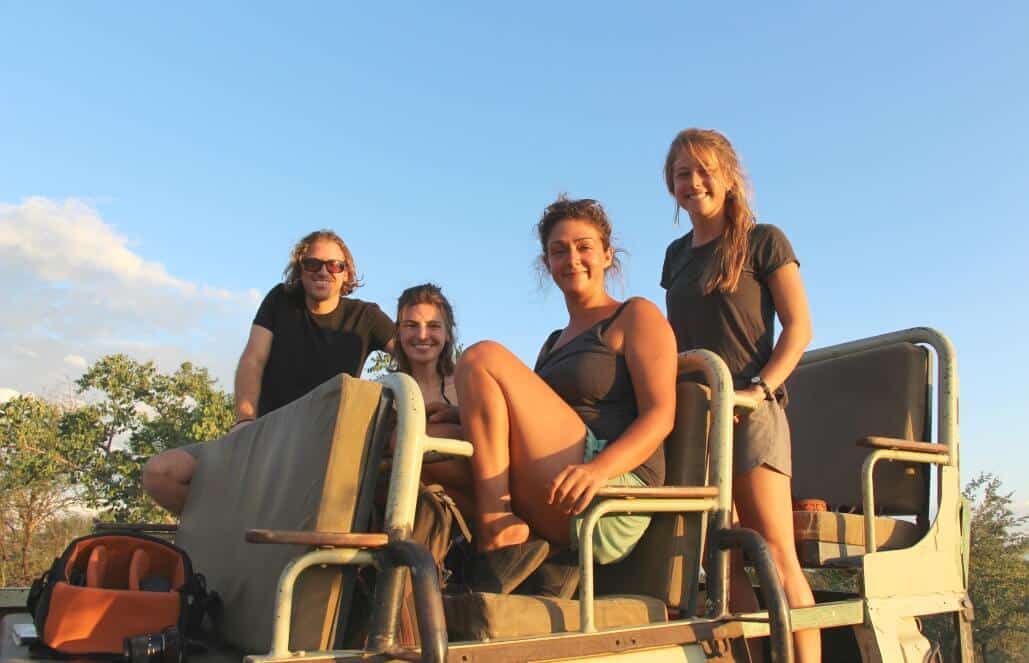
The reserve team will tell you volunteers are a genuine asset on drives, and the logic is simple: the more people looking, the more gets seen. Spotting is only half the job though. Volunteers write everything down. Where the vehicle is, how long you stayed with the animals, which animals they were, what they were up to. Over a few weeks all those notes feed into the reserve’s research on elephants, lions, leopards, hyenas and buffalo.
You’ll pick up camera trapping too (setting the cameras and checking them), learn to tell individual animals apart, run game counts and waterhole monitoring along set routes, and help with the data entry and weekly reports that turn a notebook full of scribbles into something researchers can use.

Then there’s the rest of the day
The reserve doesn’t run on drives alone. Volunteers help in the kitchen, keep camp clean, wash the vehicles and pitch in on maintenance around the property: erosion control, bush clearing, getting the roads passable again after the elephants have rearranged them. Depending on the season and what the reserve needs that week, it can also mean pulling out invasive plants, building rock gabions, brush-packing and re-seeding.
It’s a lot of different jobs, and it’s the quickest way to learn what keeping a reserve running actually takes. Meals are cooked together, there are presentations along the way, and camp life means a pool and braai area at the main camp or raised safari tents out at the bush camp.

When a release or capture happens
These can’t be scheduled, and nobody can promise you’ll be there for one. If it does happen while you’re on the reserve, volunteers are extra hands for the physical work, under the direction of the team running it.

You don’t need a particular background
Volunteers on this program come from all kinds of jobs and all kinds of places, and the reserve finds a use for what they bring. A lot of people turn up with marketing skills, for example, and those get used to raise funds for conservation in South Africa. Whatever you do for a living, there’s a decent chance part of it will come in handy.

What you take home
You come back from this having done conservation work, with the notes and the sore arms to prove it. You can explain how things work on the ground in South Africa, and you’re in a good position to talk about issues like rhino poaching with the people around you, which is a form of conservation in itself. Raising awareness at home counts.
Before you go
- Stays run from 2 to 12 weeks, and you need to be 18 or over
- Basic English and moderate fitness, plus a willingness to deal with early starts, shared living and outdoor work
- Pack for the season, because winter mornings and evenings get properly cold
- You’ll fly into Johannesburg, spend the first night at a guesthouse, then take a shuttle to Hoedspruit (around 6 to 7 hours) before heading to the reserve
- Optional excursions like the Panorama Route and Blyde River Canyon are available for an extra fee
Not sure whether this is the right fit for you? That’s what we’re here for. Get in touch and we’ll help you work out which program suits you.
South Africa – Big 5 and Endangered Species Reserve – Click Here To Apply Now