
3rd week free until December 2027 | Volunteer at a famous puma sanctuary and wildlife reserve for a one-of-a-kind conservation experience. You can enjoy the breathtaking landscape near Cordoba and help protect pumas and other native species.

 TT
TT
 WA
WA
 IG
IG
 FB
FB
GoEco > South America
Take part in one of GoEco’s unique volunteer opportunities in South America. GoEco offers diverse options for volunteers interested in exploring this incredible continent. Taste traditional Peruvian cuisine, make friends with travelers from around the world in a Puma Sanctuary in Argentina, or learn about conservation on the Galápagos Islands – with GoEco you can do it all!
South America is your stage for adventure. From the dense Amazonian rainforest to the mysterious ruins of Machu Picchu, the continent is packed with natural and historical wonders. Volunteering in South America is an awesome way of honing your Spanish skills and getting to know the region’s wealth of cultures, while contributing to initiatives that tackle education, healthcare, and environmental challenges. You can combine a meaningful volunteer project with an adventurous trip around some of the world’s most exciting countries.
GoEco has volunteer projects available in countries throughout South America. Whether you’re seeking mountainous adventures, cultural festivals, or coastal life, you’re sure to find what you’re looking for in South America.
Peru offers the best of the coast, mountains, and rainforest. You could sand board down Ica’s impressive sand dunes, before hiking the Inca trail to Macchu Picchu, and then floating down the Amazon river on your way to Iquitos, the largest city in the world not accessible by road.
Ecuador is a compact nation that nonetheless spans the dizzying heights of the Andes, the lush Amazonian rainforest, and laid back coastal towns. The country’s greatest treasure is the Galapagos Islands, an archipelago with otherworldly landscapes that are home to giant tortoises, sleepy sea lions, and blue-footed boobies.
Argentina Argentina is famous for its passionate tango dancers whirling through cobblestoned streets, decadent asados, and traditional gaucho culture that still thrives in rural areas. But Argentina is also an incredible outdoors destination, home to Patagonia, the Andes, and Iguazu Falls in the north.
Chile Narrow, long Chile contains a phenomenal range of landscapes, stretching from glaciers at one end to deserts at the other. Here you can gaze at the glowing tip of an active volcano, hike through ancient forests, or travel to the driest place on Earth. With thousands of kilometres of coastline, there’s no shortage of beaches, either.
Brazil is the biggest country in South America, taking up half of the whole continent. Within its sprawling borders are coastal metropolises and quiet colonial towns, thundering waterfalls and serene palm-fringed beaches, tropical jungles and barren deserts. Brazil has an incredible amount of biodiversity, with the greatest number of endemic animal and plant species found anywhere on the planet. If you’re passionate about discovering the natural world, make sure Brazil is on your bucket list.
Volunteering in South America is an opportunity for you to combine your personal interests with practical experience in a professional field. Whether you want to get a feel for what a career in teaching might be like, develop your knowledge of wildlife conservation, or apply theoretical medical skills in real-life scenarios, GoEco’s volunteer programs in South America offer outstanding training and support. Most projects require at least a basic level of Spanish, so make sure you take some lessons or brush up on common phrases before you go.
South America’s abundance of wildlife means there are plenty of opportunities for animal lovers to help protect vulnerable species. Areas of biodiversity, like the Galápagos Islands or the Amazon rainforest, face threats such as deforestation and pollution. Lend a hand in projects that focus on ecological conservation and you’ll learn how to carry out tasks such as biodiversity research and wildlife monitoring. Sanctuaries for rescued or endangered animals also offer placements for volunteers, giving you the chance to get involved in hands-on wildlife care.
Volunteers can help to support education in vulnerable communities in South America, facilitating cultural exchange and teaching useful skills such as English. Volunteers can be a valuable resource for education centers in lower-income areas, which often struggle with a lack of resources and classes with high numbers of students. As a volunteer you could assist at a kindergarten in Peru, helping children to learn through fun and interactive games. Or, teach art to children in Rio and undertake projects to beautify communities. Or perhaps help to provide childcare in the favelas of Rio.
Develop your teaching skills and gain practical experience by volunteering with local children in Argentina or Peru. You’ll assist with lesson planning and leading conversation classes, to give children the opportunity to practice their English skills in real-life.
Health science, nursing, or pre-med students can gain practical experience on medical and healthcare placements in Peru. This is a great way to get exposure in the field, while learning additional skills such as Spanish, and enjoying life abroad.
Get in touch with us today to find out more about volunteering in South America.
Read more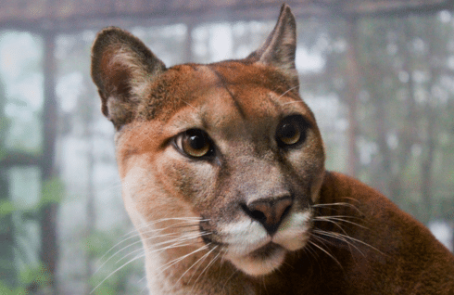
3rd week free until December 2027 | Volunteer at a famous puma sanctuary and wildlife reserve for a one-of-a-kind conservation experience. You can enjoy the breathtaking landscape near Cordoba and help protect pumas and other native species.
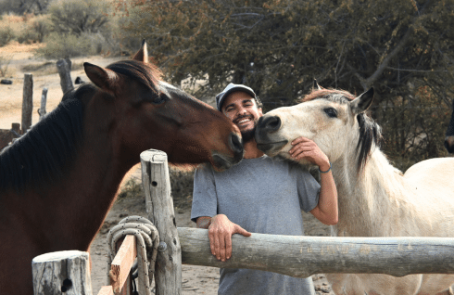
Help care for rescued animals at a horse sanctuary in Córdoba, Argentina, through hands-on activities like feeding, grooming, and habitat maintenance. Enjoy the natural beauty and a supportive community while making a meaningful impact.

Volunteer in Córdoba, Argentina, where you’ll empower local youth through sports while immersing yourself in vibrant culture. Combine meaningful volunteer work with a Spanish Introduction week for a truly enriching experience.
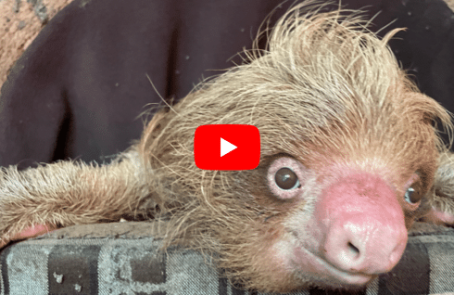
Volunteer in Peru for endangered species, ranging from sloths to monkeys! The Amazon Wildlife Sanctuary heals animals affected by the illegal wildlife trade and habitat loss. As a volunteer, you will help feed and care for the animals, as well as maintain the center.
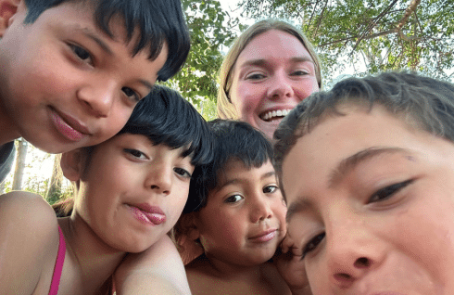
Join a meaningful two-week adventure designed for teenagers who want to explore new places, connect with local communities, and take part in hands-on eco volunteer work. This program blends cultural discovery, community service, and environmental activities, giving teens a rewarding and well-supported way to contribute while experiencing a new part of the world.
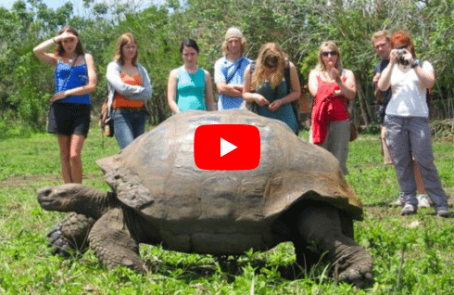
Join the Giant Tortoise Center staff in the stunning Galápagos and help care for ancient, giant tortoises or sea turtle nest conservation! Explore the beauty and unique wildlife of the Galápagos Islands through activities like snorkeling with marine iguanas.
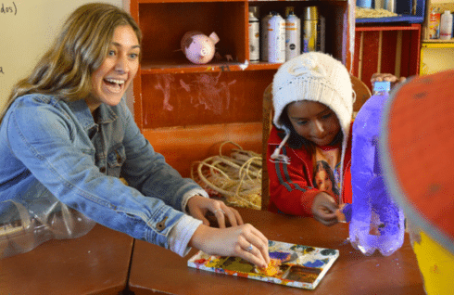
Join a rewarding teaching program in Cusco, Peru, where you can support English education while exploring one of the world’s most fascinating cultural destinations. This program combines meaningful volunteer work with the opportunity to immerse yourself in the rich traditions and breathtaking landscapes of the Andes.
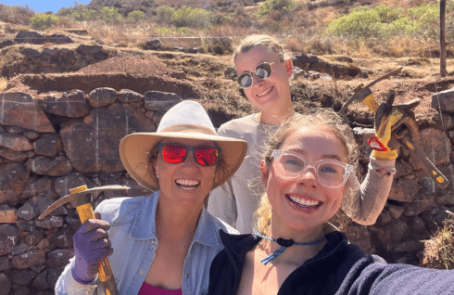
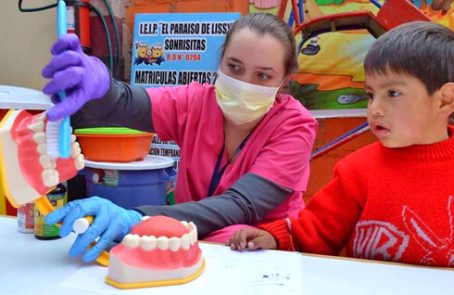
Join the Cuzco Health and Medical Care program in Peru, offering unique volunteer placements for medical, dental and healthcare students. Gain experience, impact patient lives, and immerse yourself in the vibrant culture of Cuzco.
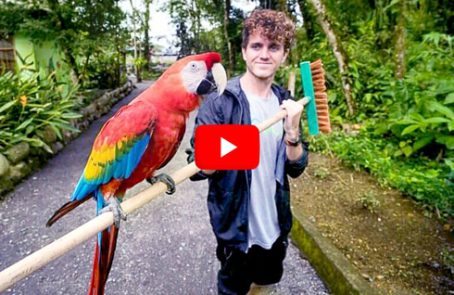
Volunteer at a leading Amazon wildlife center in Ecuador, working hands-on with diverse animals under expert care. Kickstart your adventure with a Spanish and Adventure Week in Baños.