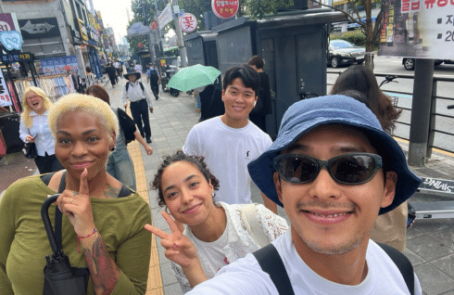
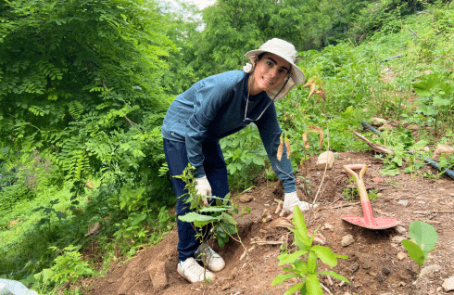
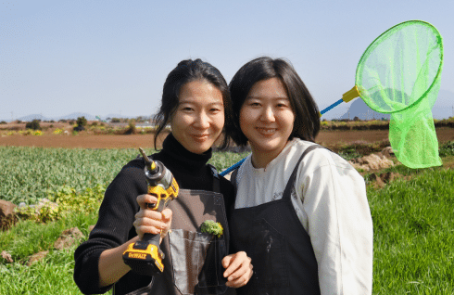
Volunteering in South Korea offers a unique opportunity to experience a highly modern society alongside deeply rooted traditions. From fast-paced cities to quieter neighborhoods, daily life blends advanced technology with long-standing cultural values. Volunteer programs in South Korea typically focus on education, cultural exchange, and community support. Participants gain firsthand insight into Korean culture while contributing in a structured and meaningful way.
What to Expect When Volunteering in South Korea
South Korea is known for its efficiency, safety, and well-organized public services. Volunteer placements are usually structured, with clear schedules and expectations, which suits participants who value reliability and routine. Cultural awareness is important, as communication styles, social etiquette, and workplace norms may differ from those in Western countries.
Most programs are based in urban or suburban areas, offering easy access to public transportation, local services, and cultural sites. Outside of volunteer hours, participants can explore a wide range of historical, cultural, and natural attractions throughout the country.
Places to Visit in South Korea
Volunteering in South Korea also allows time to explore the country beyond the placement location. The destinations below are popular stops for travelers and offer insight into different aspects of Korean history, culture, and daily life.
Seoul
Seoul is a dynamic capital where traditional palaces stand alongside modern architecture. Visitors can explore historic sites such as Gyeongbokgung Palace, walk through traditional neighborhoods like Bukchon Hanok Village, and experience contemporary culture in areas like Hongdae and Gangnam.
Busan
Located on the southern coast, Busan is known for its beaches, seafood markets, and relaxed coastal atmosphere. Popular spots include Haeundae Beach, Gamcheon Culture Village, and the Jagalchi Fish Market. It is also a major transportation hub for traveling within South Korea.
Jeju Island
Jeju Island is a popular destination for nature lovers. The island features volcanic landscapes, coastal trails, waterfalls, and Hallasan National Park. It offers a slower pace and a different side of South Korea compared to mainland cities.
Gyeongju
Often referred to as an open-air museum, Gyeongju was the ancient capital of the Silla Kingdom. Travelers can visit royal tombs, Buddhist temples, and UNESCO World Heritage Sites that provide insight into Korea’s early history.
DMZ (Demilitarized Zone)
The DMZ offers a rare look into modern Korean history and the division of the peninsula. Guided tours provide educational context and access to observation points, tunnels, and memorial sites near the border with North Korea.
Pro Tips for Visiting South Korea
- Learn a few basic Korean phrases – English is spoken in major cities, but simple phrases are appreciated and can make daily interactions easier.
- Use public transportation – Subways and buses are reliable, affordable, and well connected, even between cities.
- Carry cash alongside cards – Cards are widely accepted, but small restaurants and markets may still prefer cash.
- Be mindful of etiquette – Small gestures like using two hands when giving or receiving items and removing shoes indoors are part of everyday culture.
- Plan travel around seasons – Spring and autumn are generally the most comfortable times to explore, while summers can be hot and humid.
Is Volunteering in South Korea Right for You?
Volunteering in South Korea is well suited for individuals who are curious, adaptable, and interested in experiencing daily life in a highly organized society. It offers a balance of cultural immersion, meaningful contribution, and opportunities to explore one of Asia’s most distinctive destinations.

 TT
TT
 WA
WA
 IG
IG
 FB
FB