

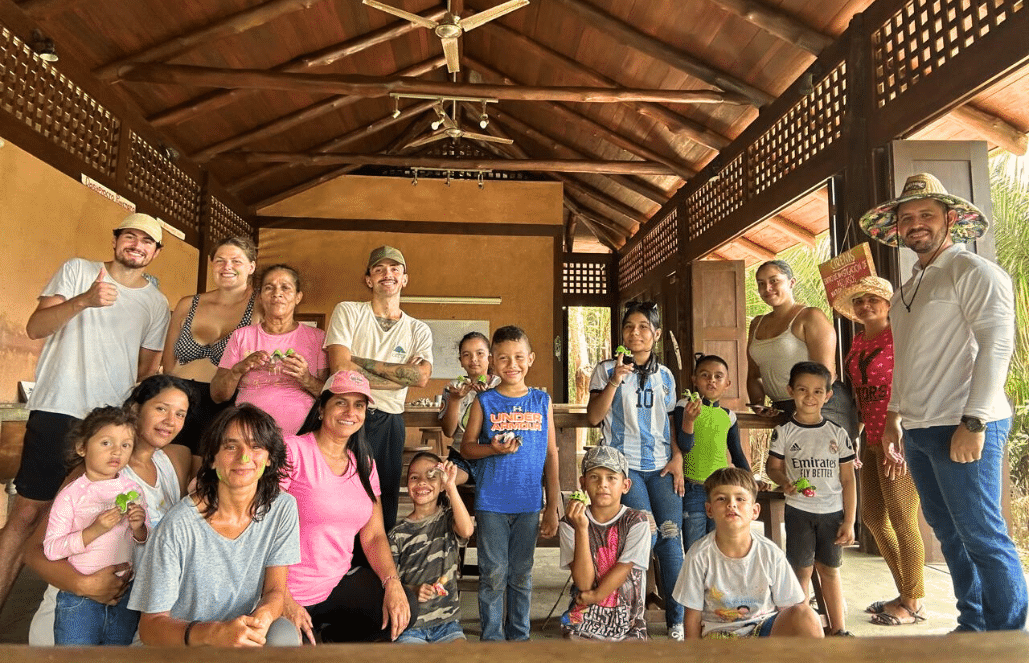
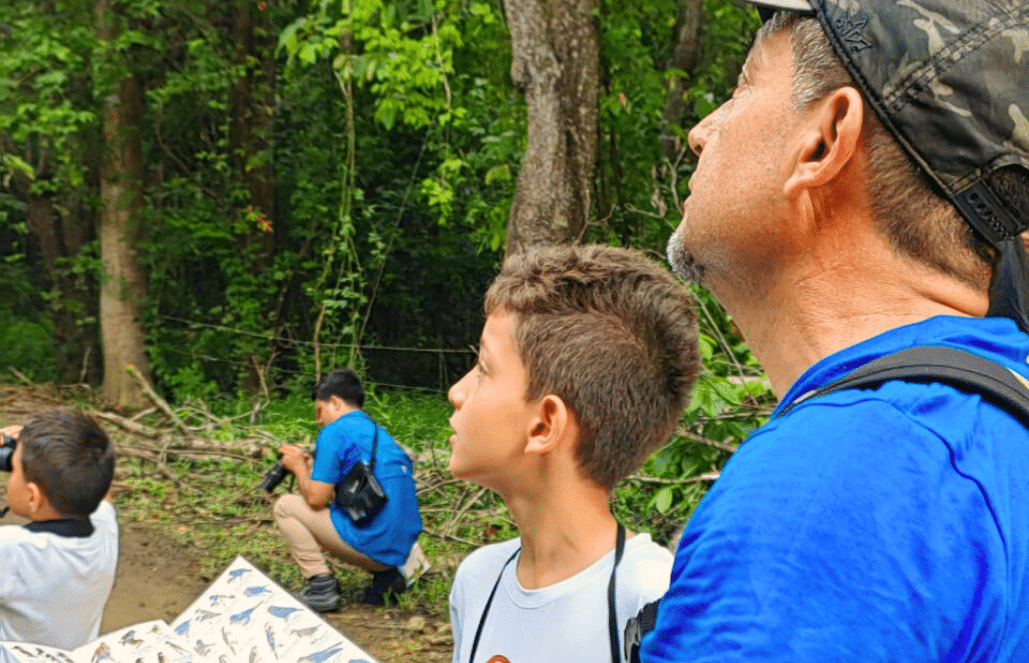
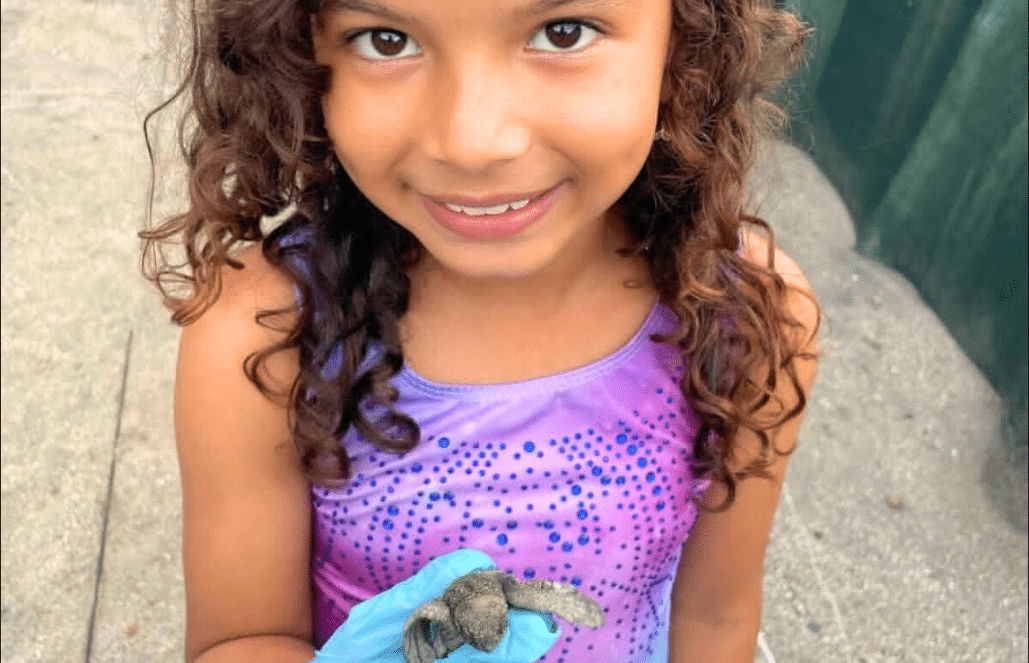
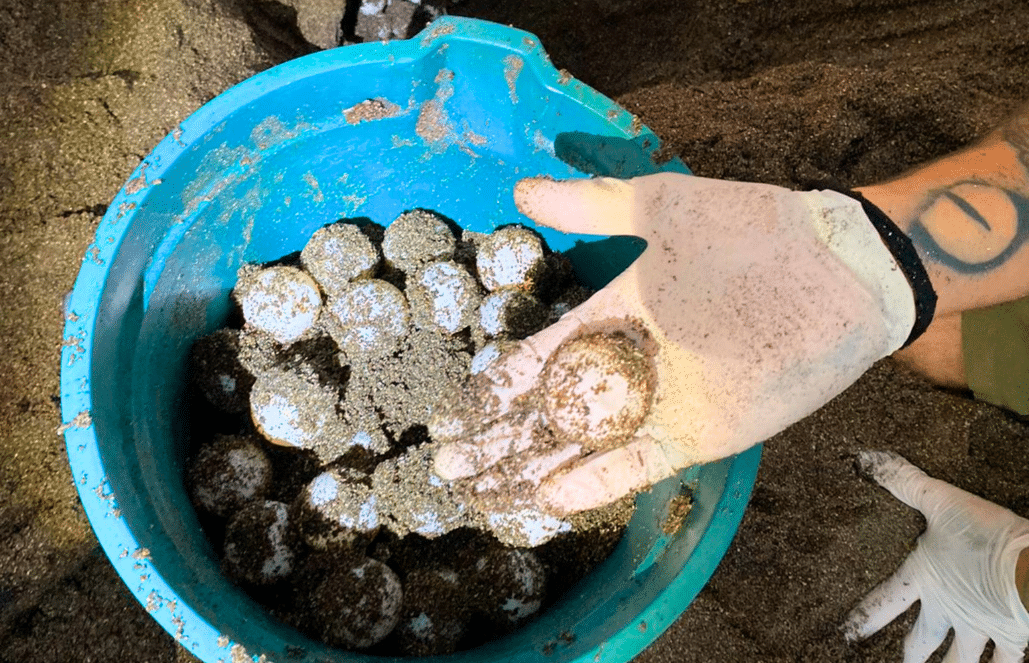
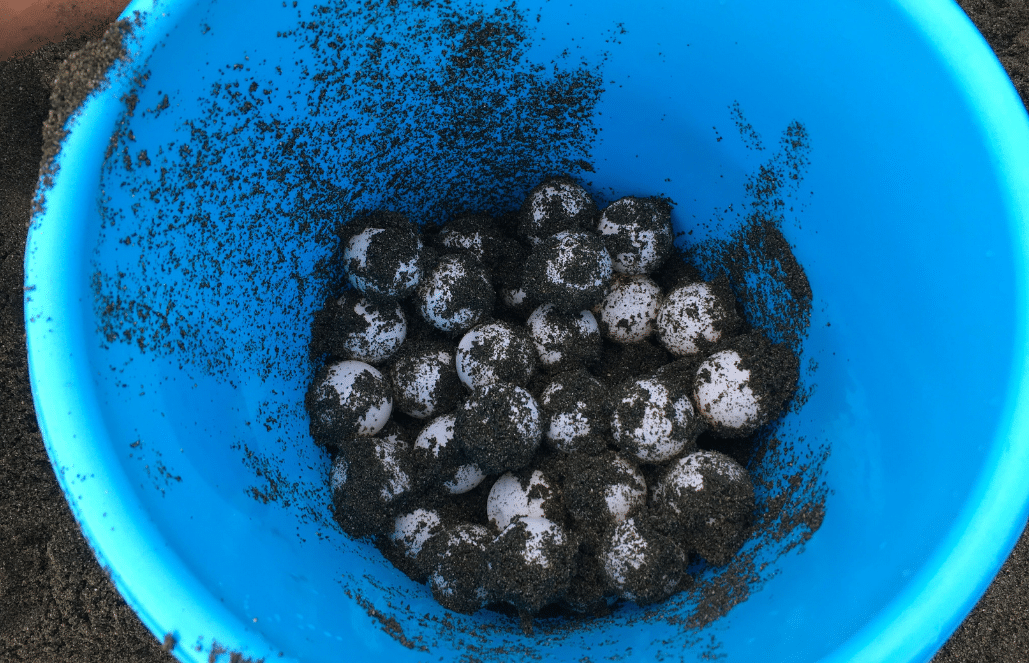
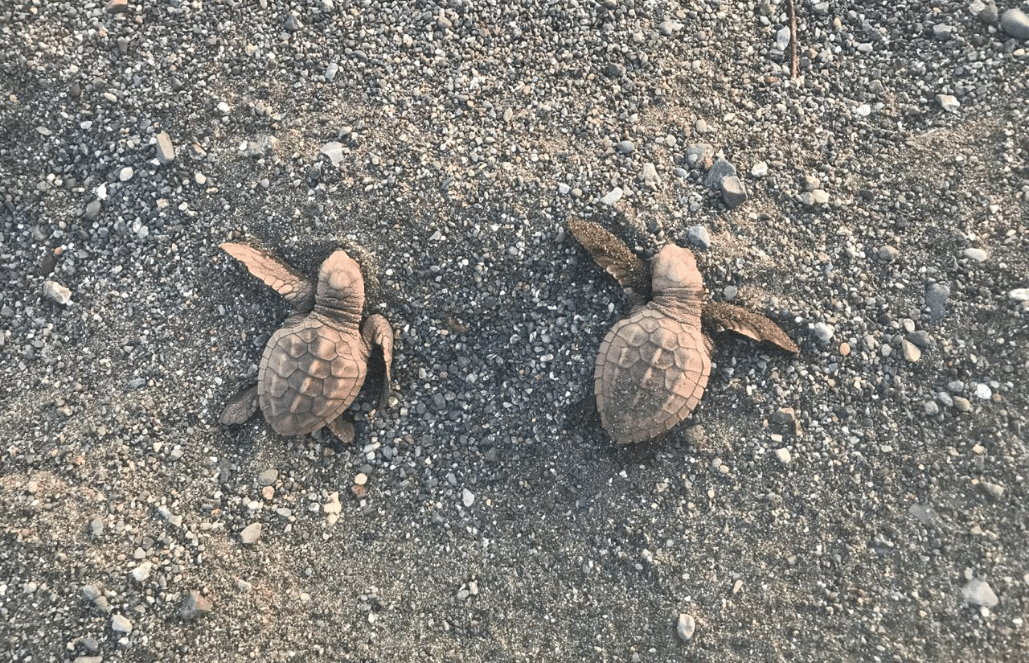
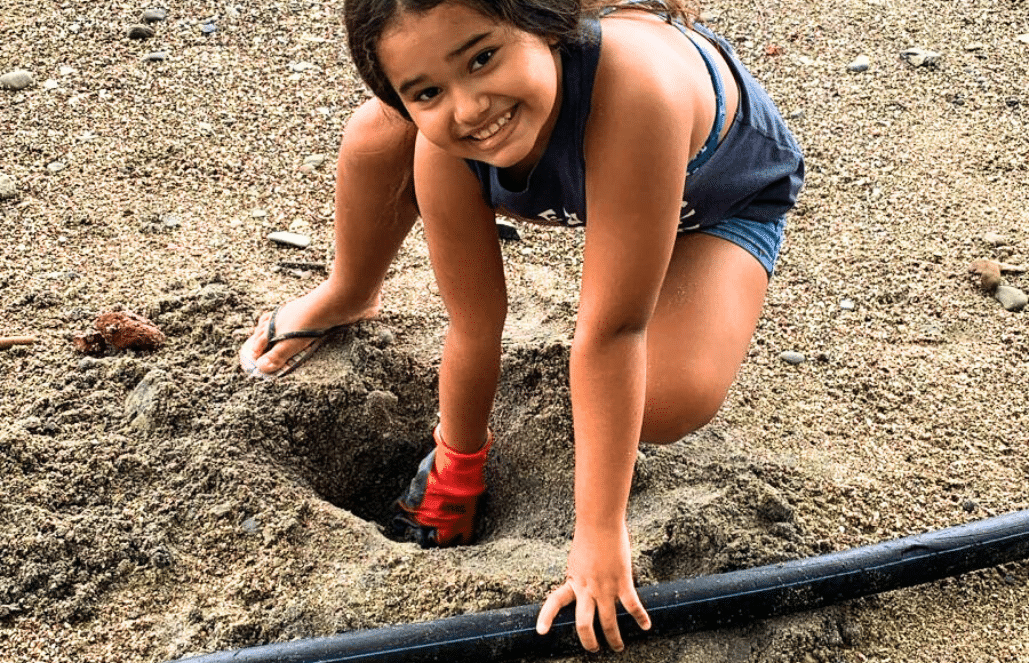
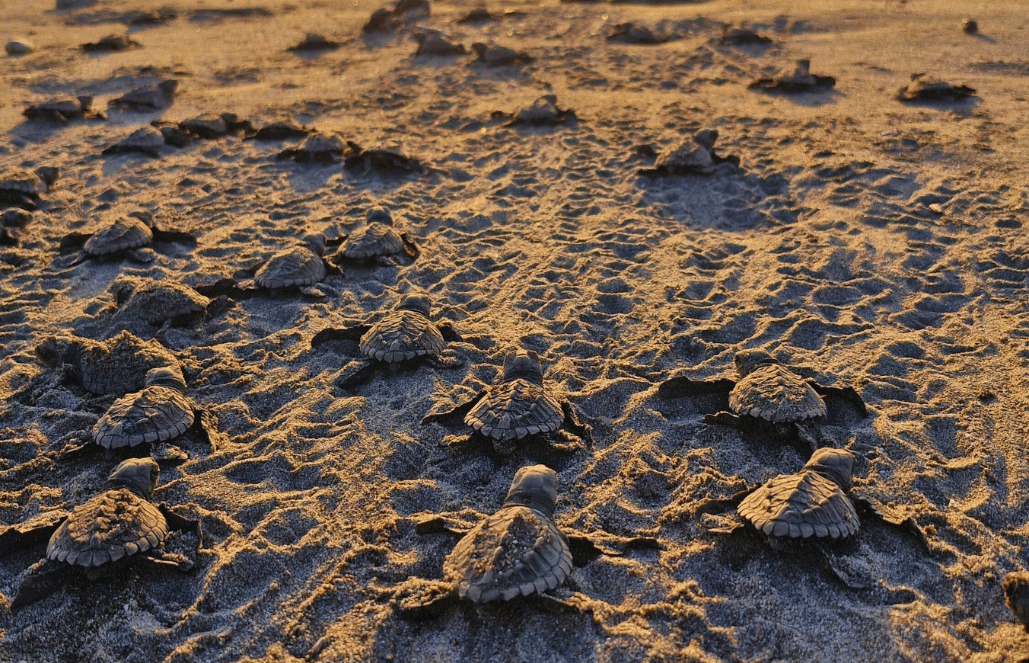
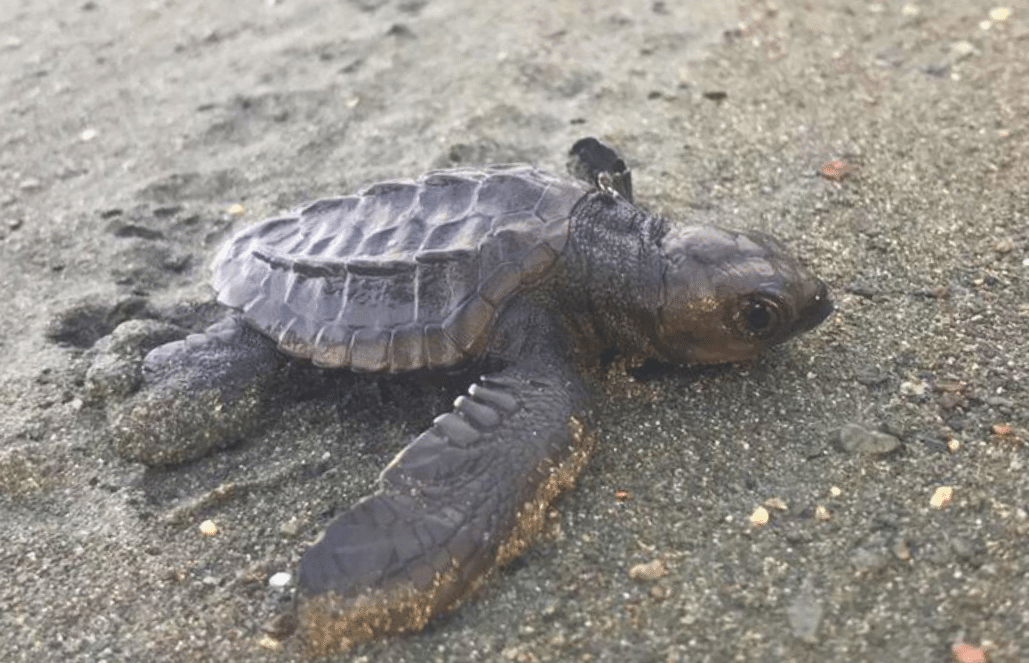
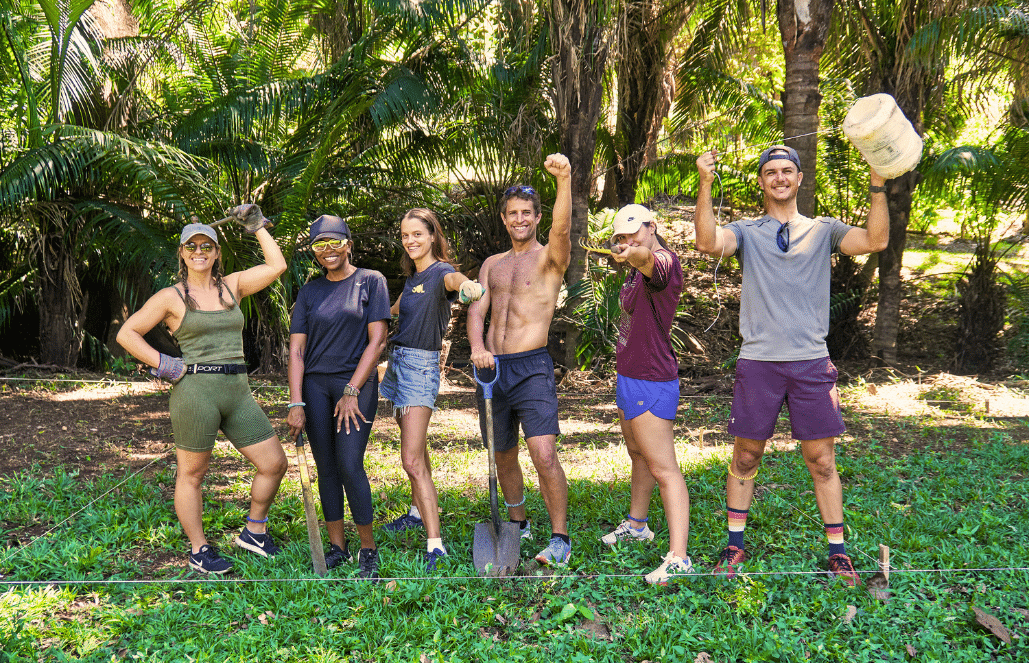


This 9-day family adventure combines hands-on sea turtle conservation with meaningful nature experiences on Costa Rica’s Nicoya Peninsula. Families join a renowned and ethical conservation initiative that welcomes volunteers of all ages from around the world, creating an engaging and supportive atmosphere. During the June–February nesting season, you’ll help monitor beaches, record data, and support hatchling releases when conditions allow. While sea turtle sightings cannot always be guaranteed, families participate in impactful conservation work year-round, including sustainability and wildlife restoration projects.
Program Highlights:
Your Schedule at a Glance:
Day 1 – Arrival in San José:
Arrive at the international airport and meet your representative for a private transfer to your hotel. Enjoy free time or join an optional short city tour depending on your arrival.
Day 2 – Poás Volcano, Coffee Tour & Waterfalls:
Explore a traditional coffee estate, visit Poás Volcano’s impressive crater, and walk through La Paz Waterfall Gardens. Return to your hotel in San José in the evening.
Day 3 – Travel to the Nicoya Peninsula:
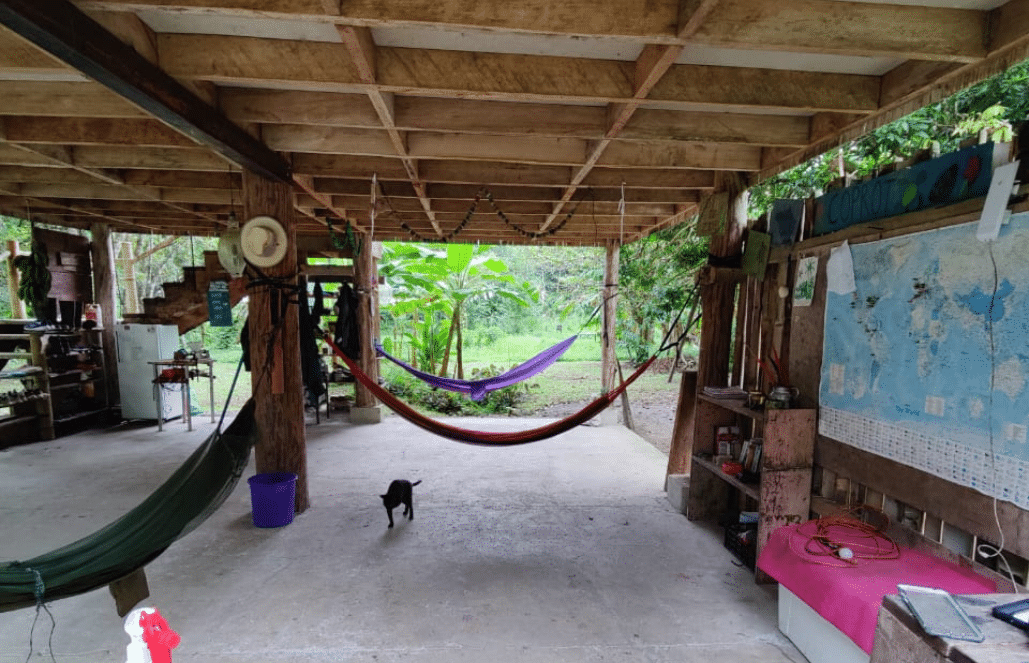
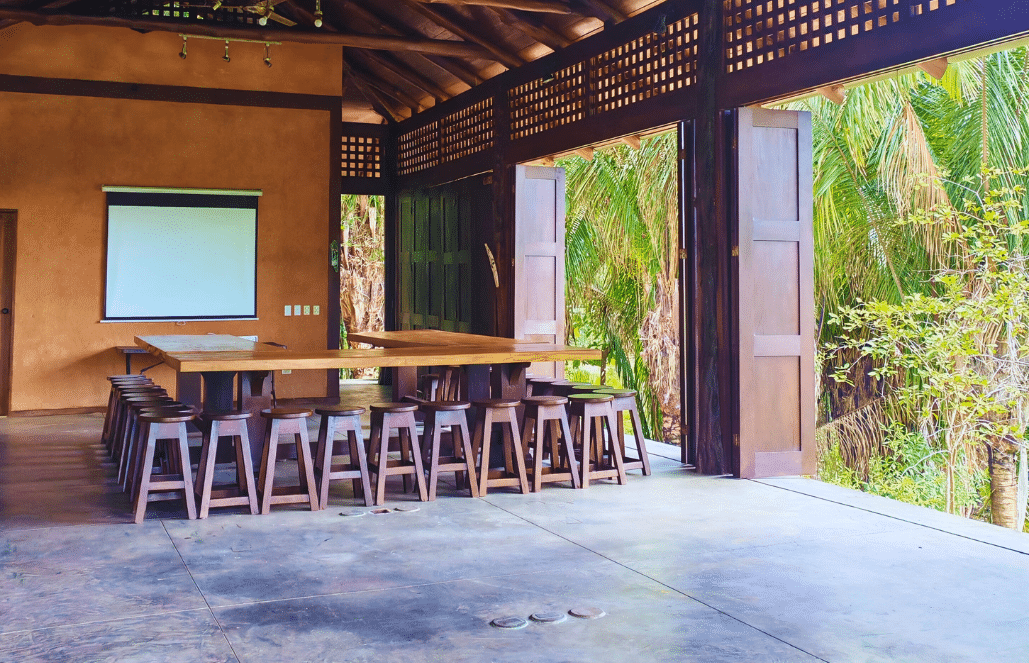
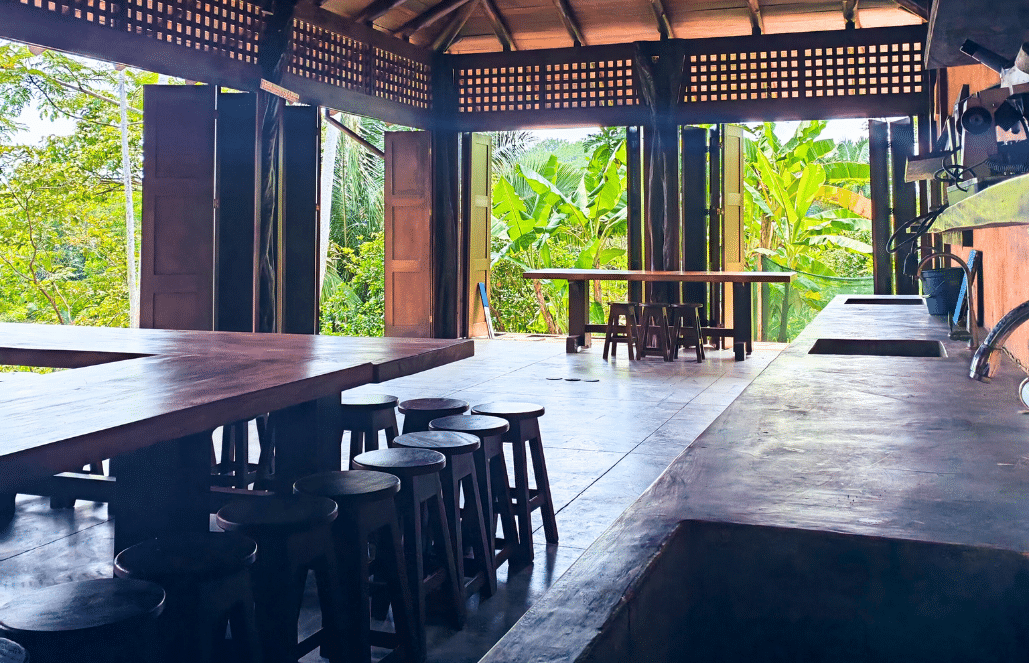
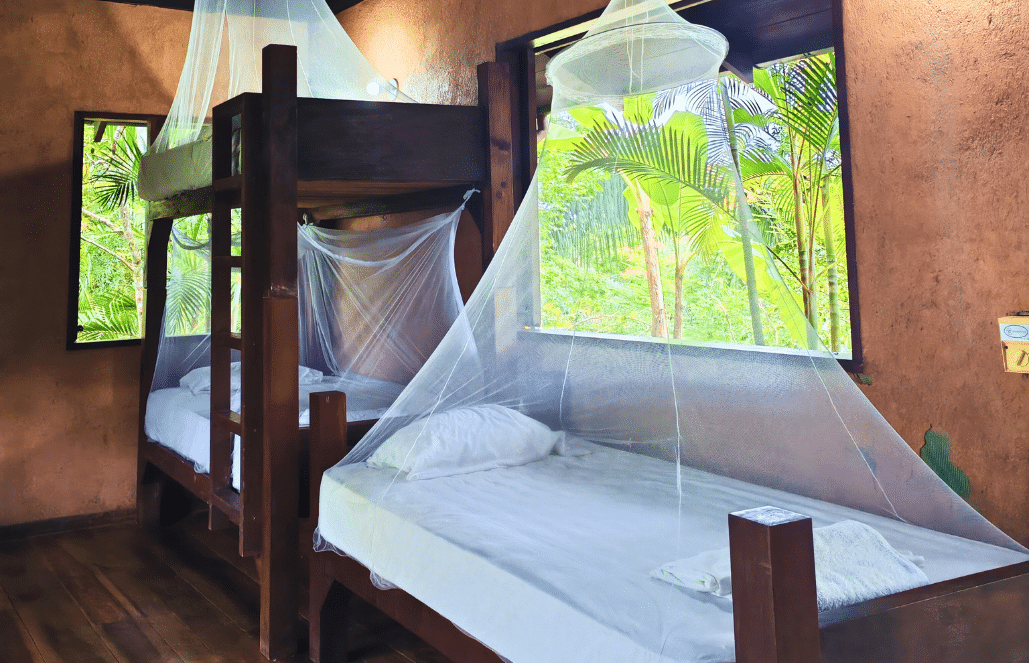
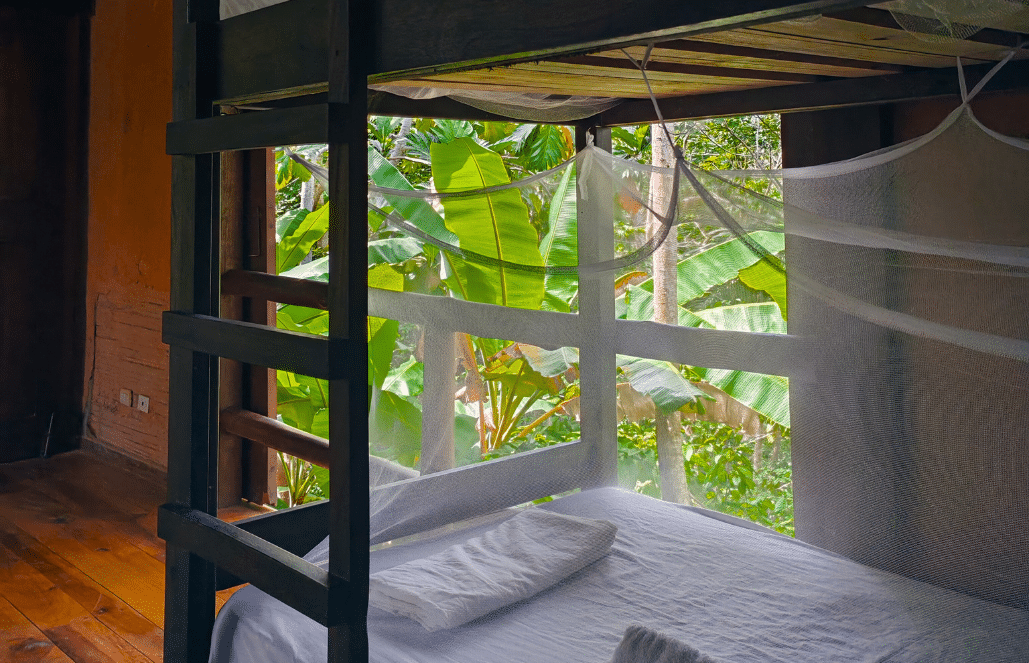
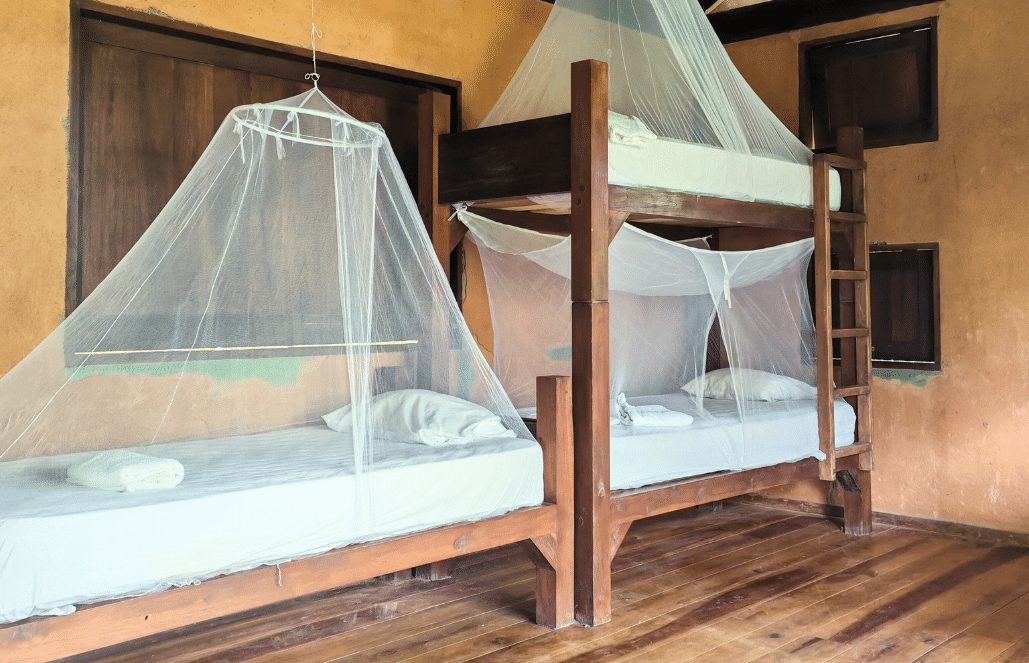
Take a scenic shuttle toward the coast, followed by a 4×4 transfer to the conservation site. Settle into your private cabin and enjoy your first dinner in nature.
Days 4–7 – Family Volunteer Program:
Mornings focus on turtle conservation (in season) or sustainability projects. Afternoons include lighter activities, workshops, beach time, or rest. Evenings are peaceful, with dinner and optional patrols depending on conditions.
Day 8 – Return to San José:
After breakfast, travel back by 4×4 and shuttle for your final night in the capital.
Day 9 – Departure:
Private transfer to the airport for your flight home.


What’s Included


What’s not Included

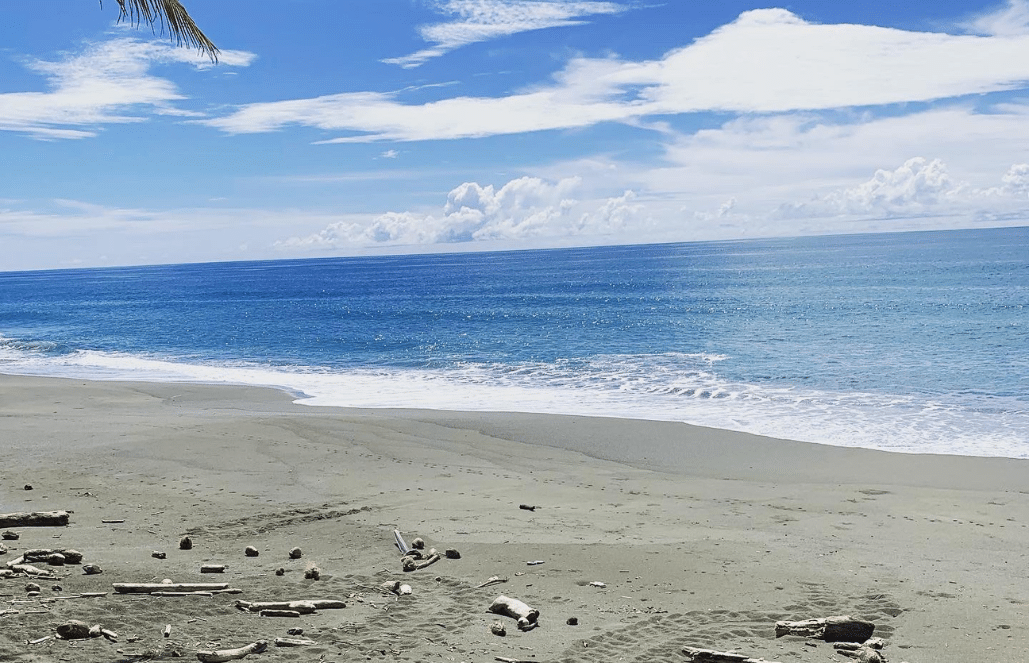
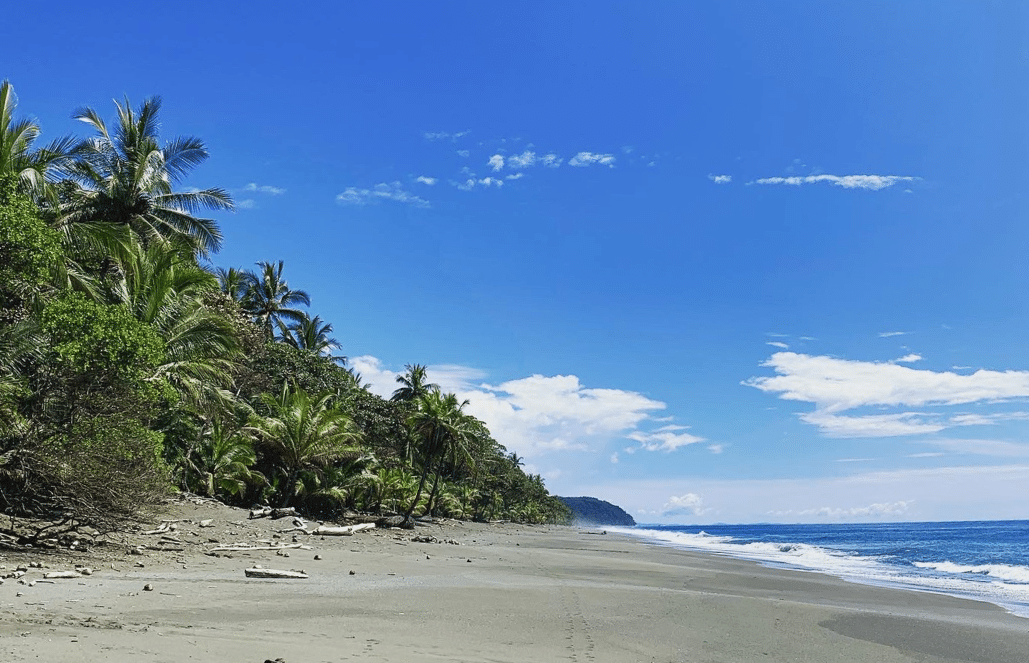
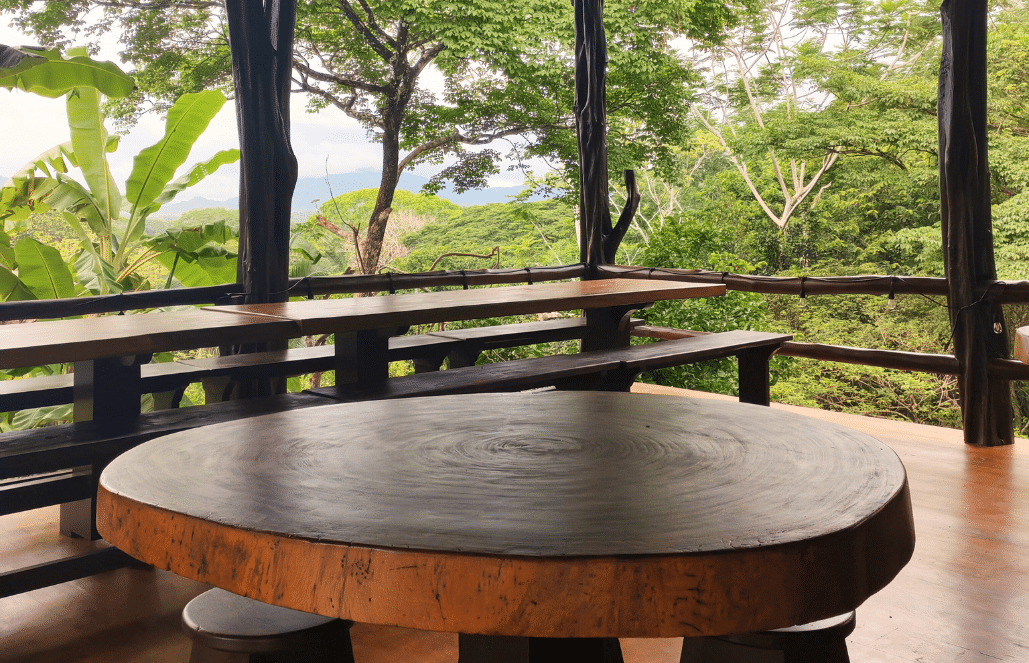
The project takes place on the southwestern tip of the Nicoya Peninsula, a region known for pristine beaches, tropical dry forests, and diverse wildlife. The coastline forms part of a protected area where several turtle species—Olive Ridley, Green, and Hawksbill—nest throughout the June–February season. Families stay in a peaceful natural environment surrounded by forest trails that lead directly to quiet, undeveloped beaches.Nearby Santa Teresa offers cafés, surf schools, and a relaxed coastal atmosphere.
The region is also recognized as one of the world’s five “Blue Zones,” known for the strong connection between nature, community, and wellbeing. Because of its secluded location, access requires a combination of shuttle and 4×4 transport, adding to the sense of peaceful retreat. Wildlife sightings may include monkeys, iguanas, and colorful birds, making it an ideal setting for family nature experiences.

About the Program
As a family, you will work alongside a respected conservation team dedicated to protecting coastal ecosystems and sea turtle populations. The project welcomes volunteers from around the world, creating a multicultural environment where families feel supported and engaged. Nesting activity can reach up to 100 nests per month during peak periods; however, sea turtle behavior varies naturally, so sightings and hatchling events are never guaranteed.
Nesting Season & Sea Turtle Species
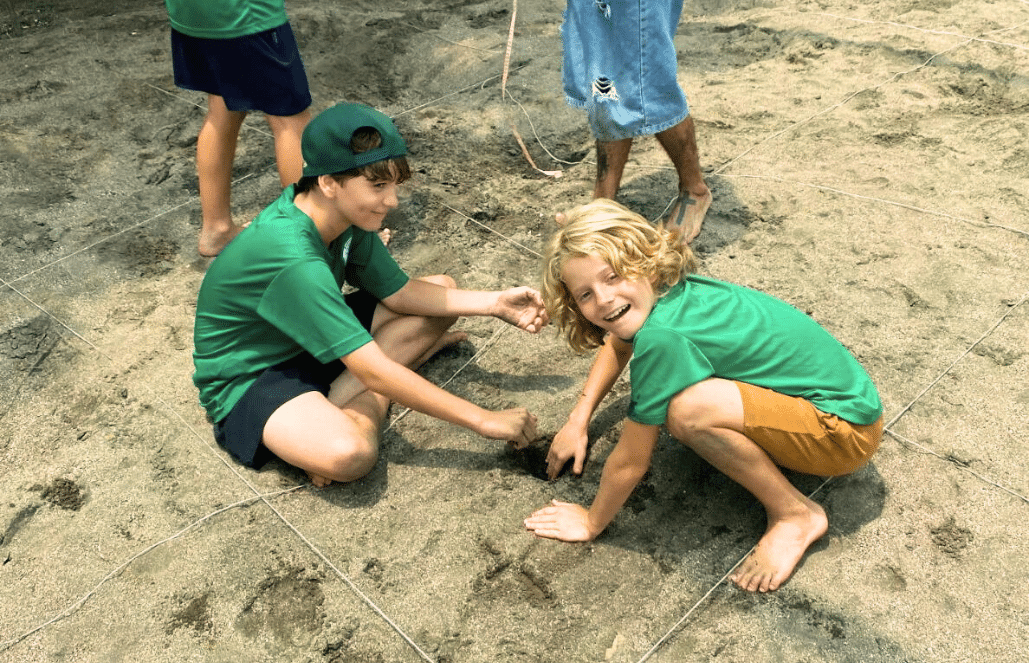
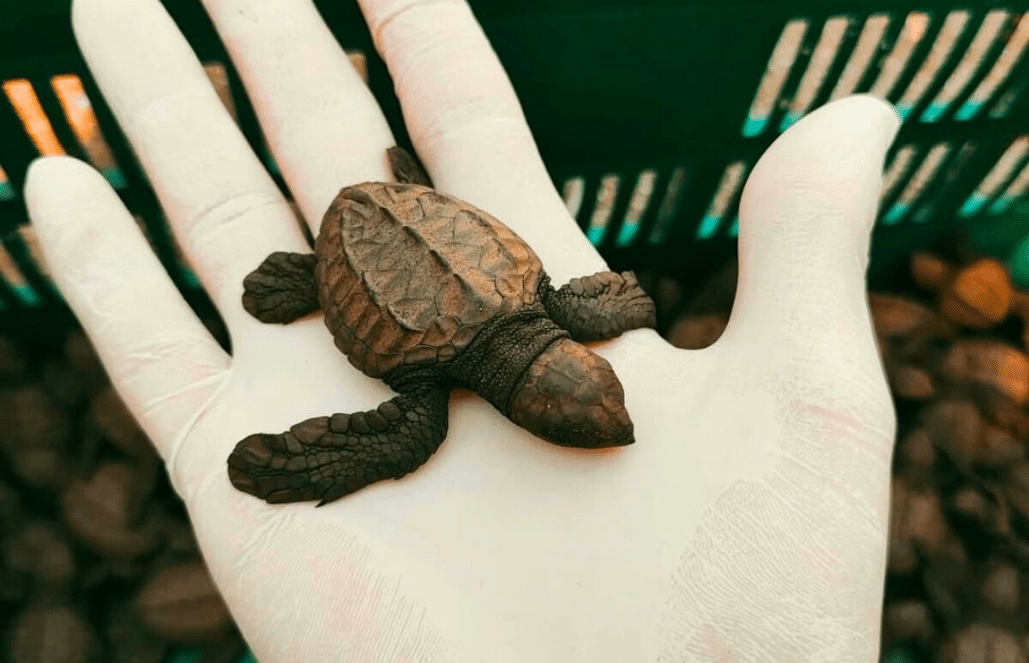
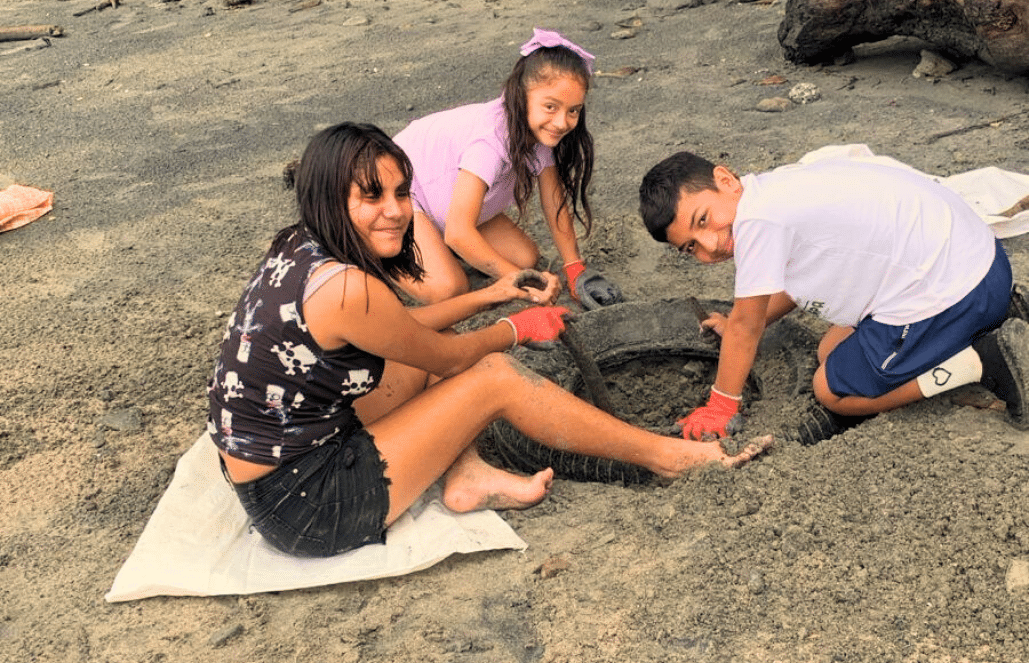
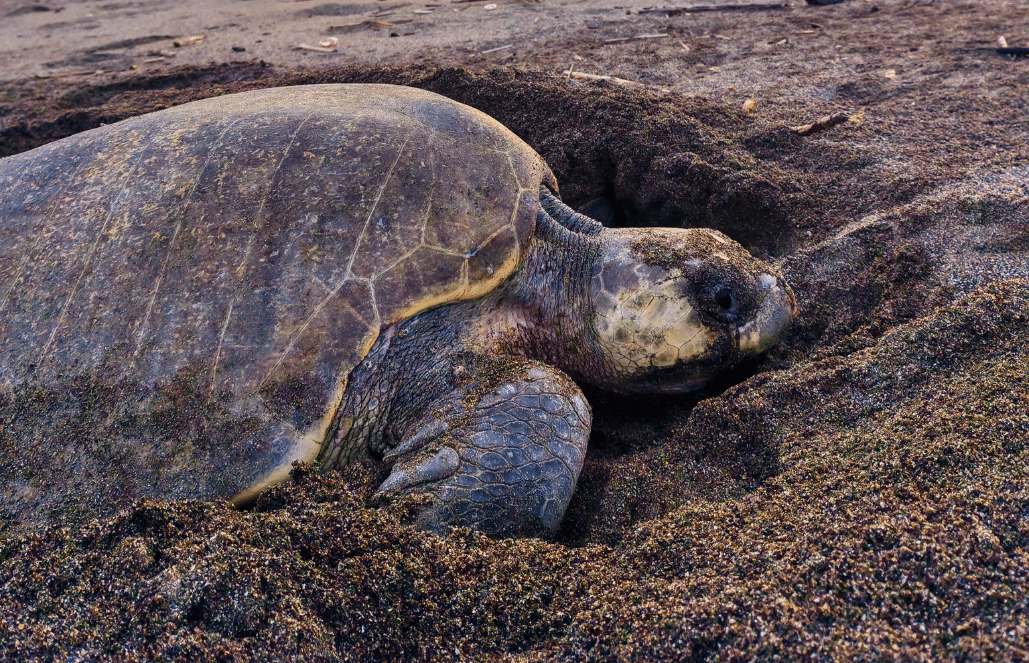
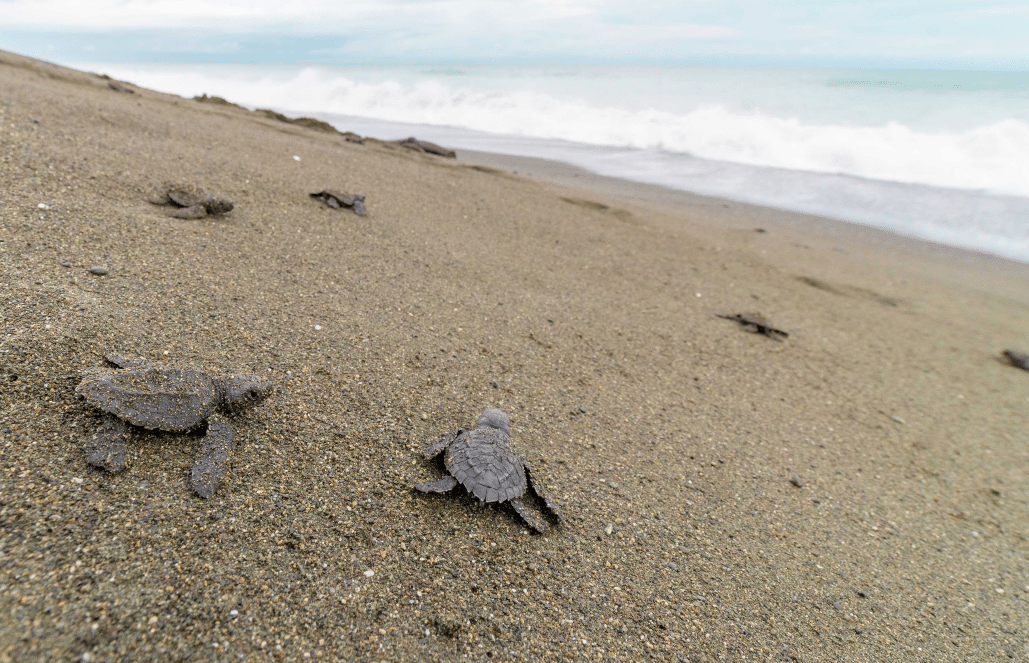
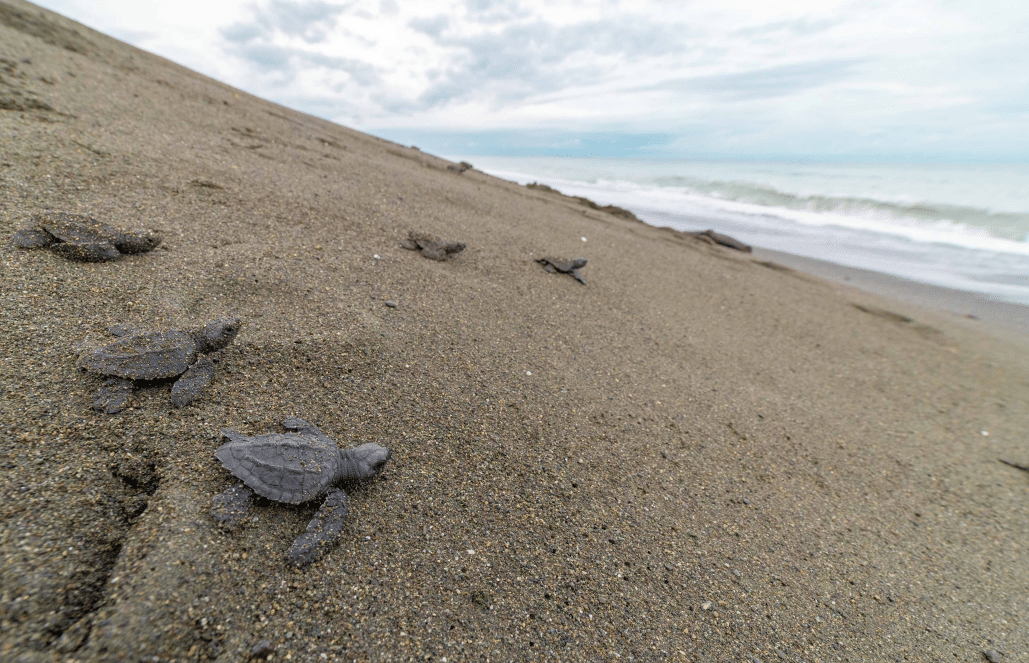
The project’s beach is an important nesting site for all four of Costa Rica’s sea turtle species: Olive Ridley, Green, Hawksbill, and Leatherback turtles. Nesting runs from June to February, with the busiest months usually falling in September and October. Predators such as crabs, dogs, birds, and wild cats — together with human egg poaching — pose ongoing challenges for hatchlings. Volunteers help by joining night or early-morning patrols, identifying tracks, locating nests, and supporting protection measures. Hatchling releases take place only when conditions align, making each one a special moment when it happens.
About the Volunteer Work
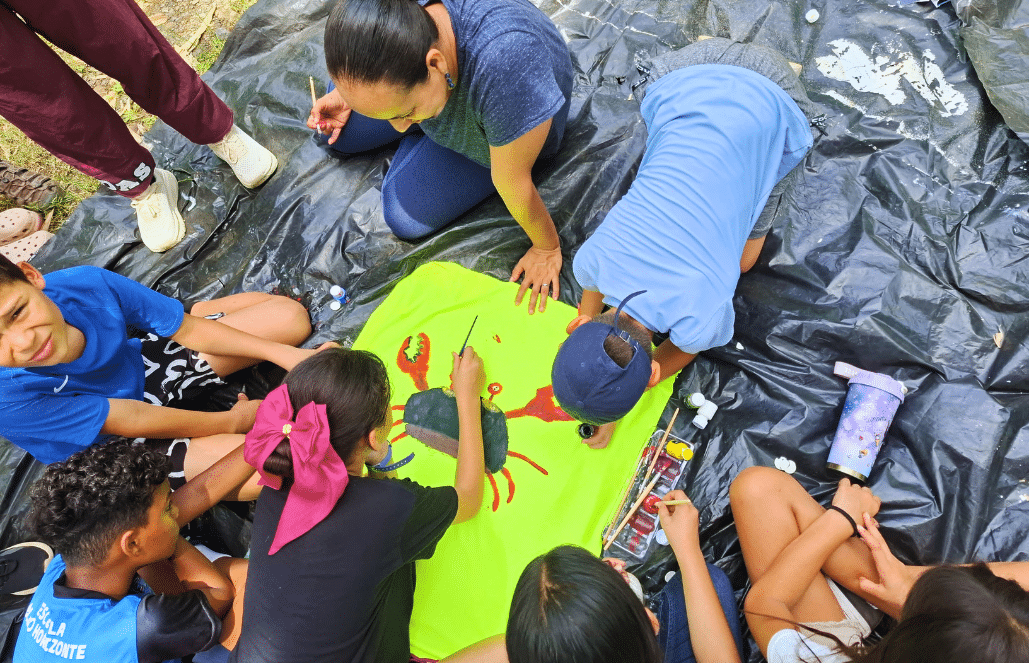
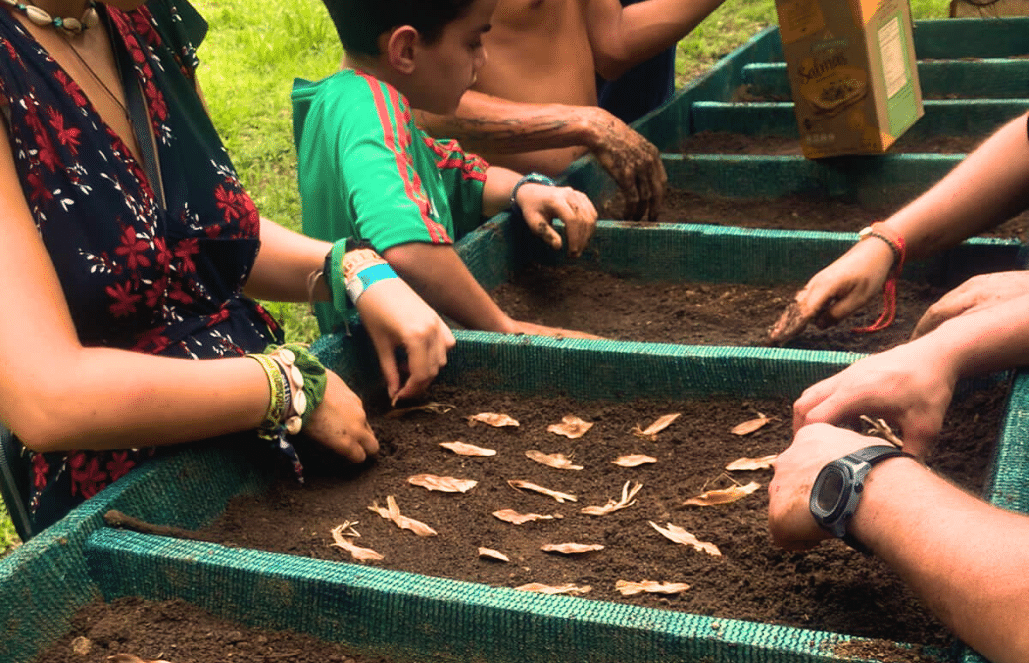
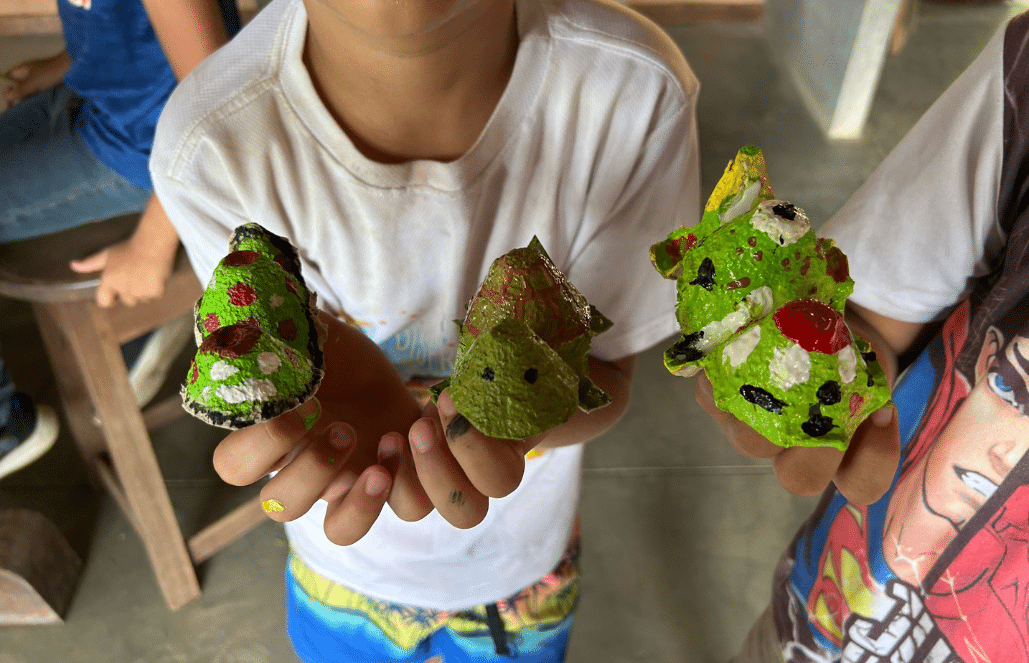
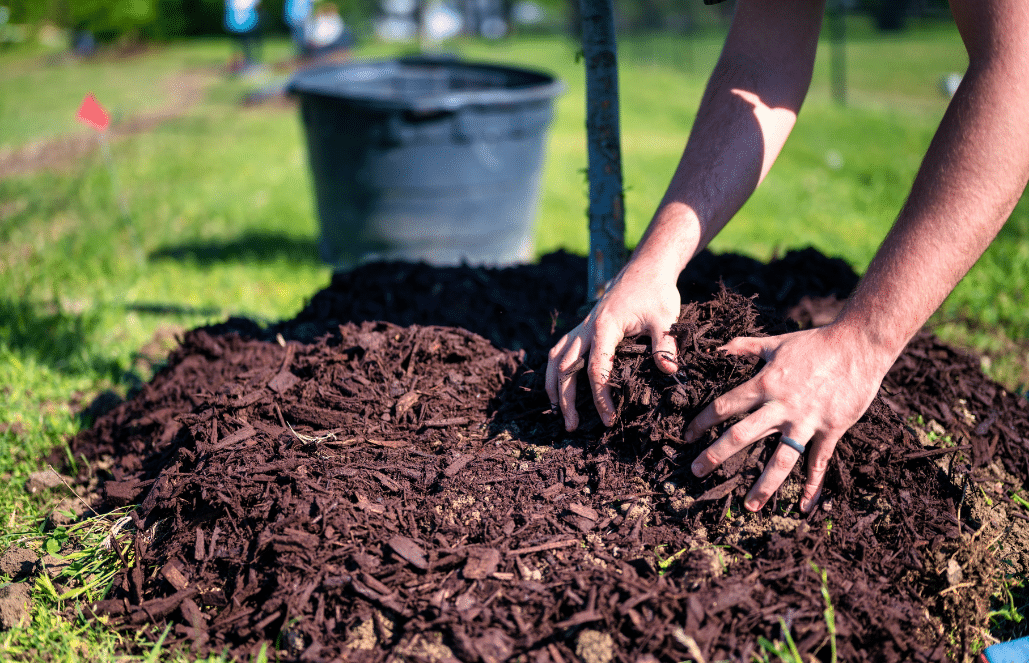
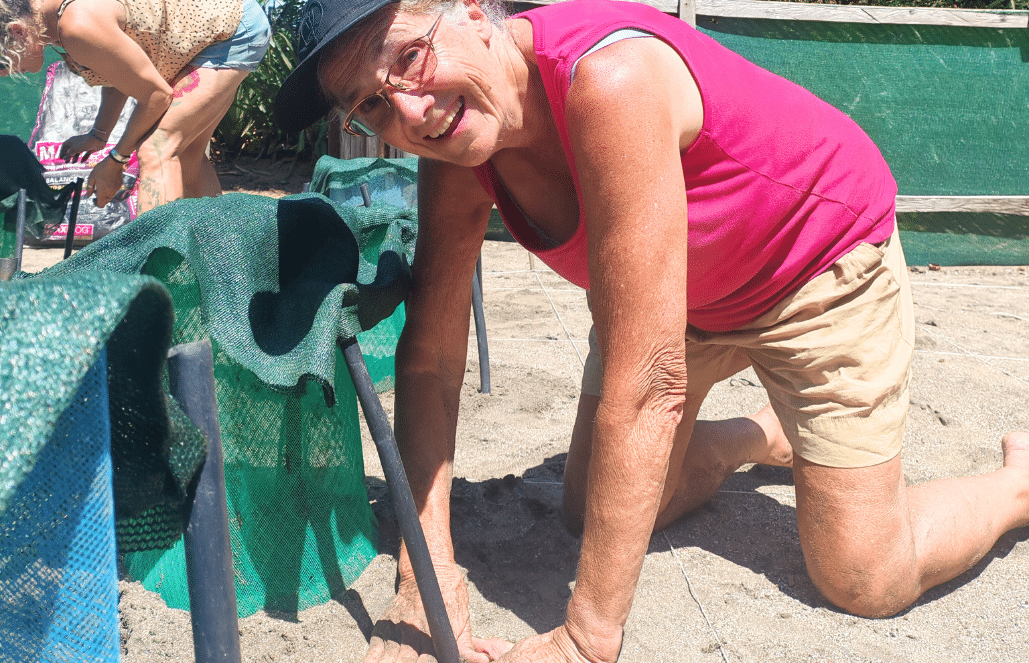
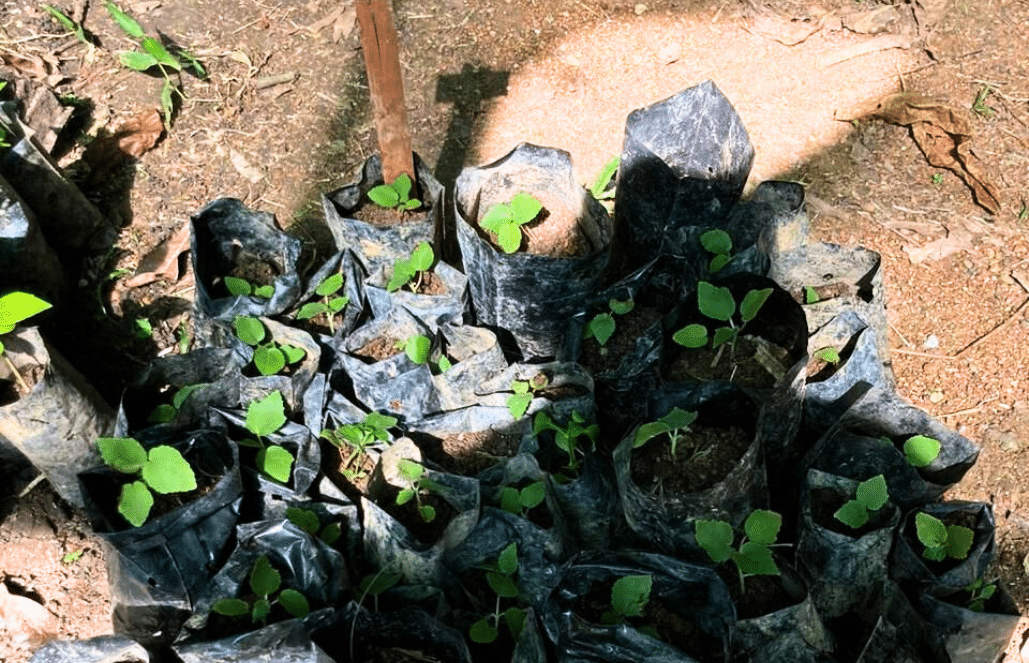
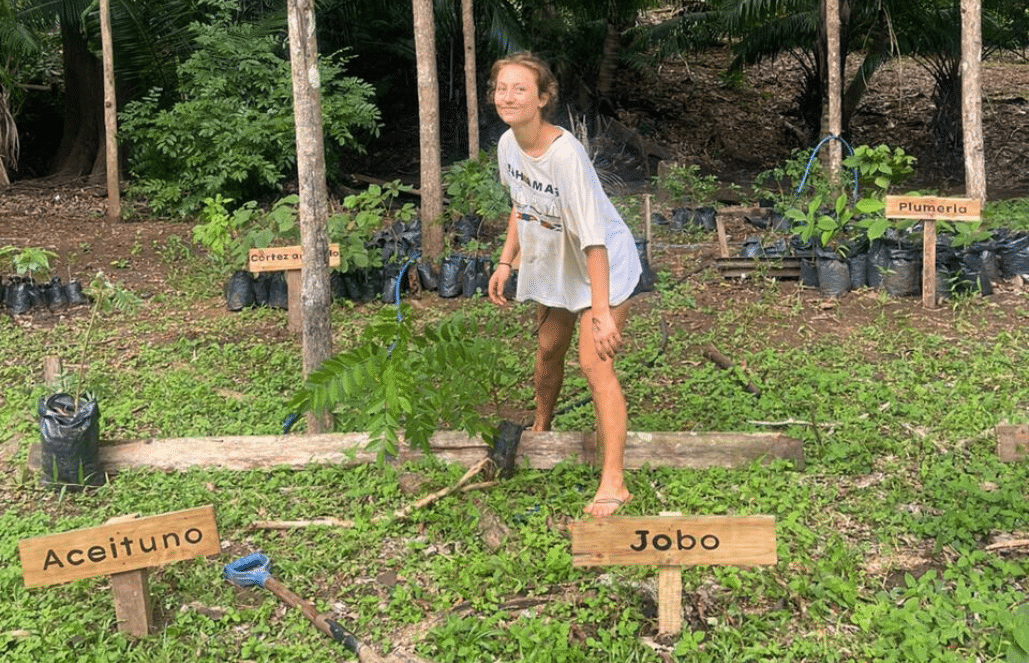
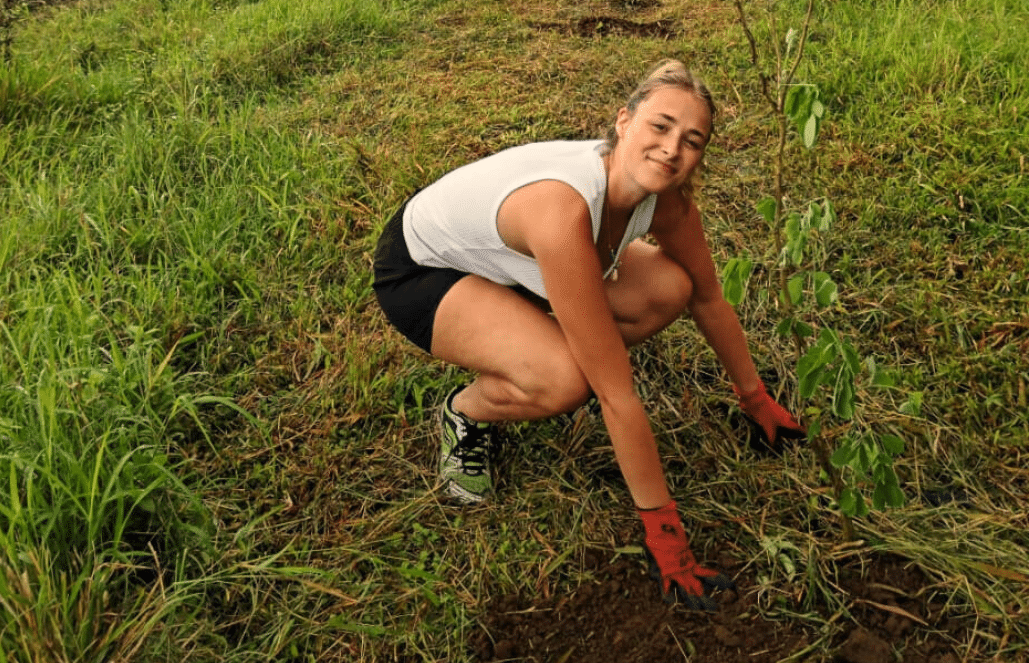
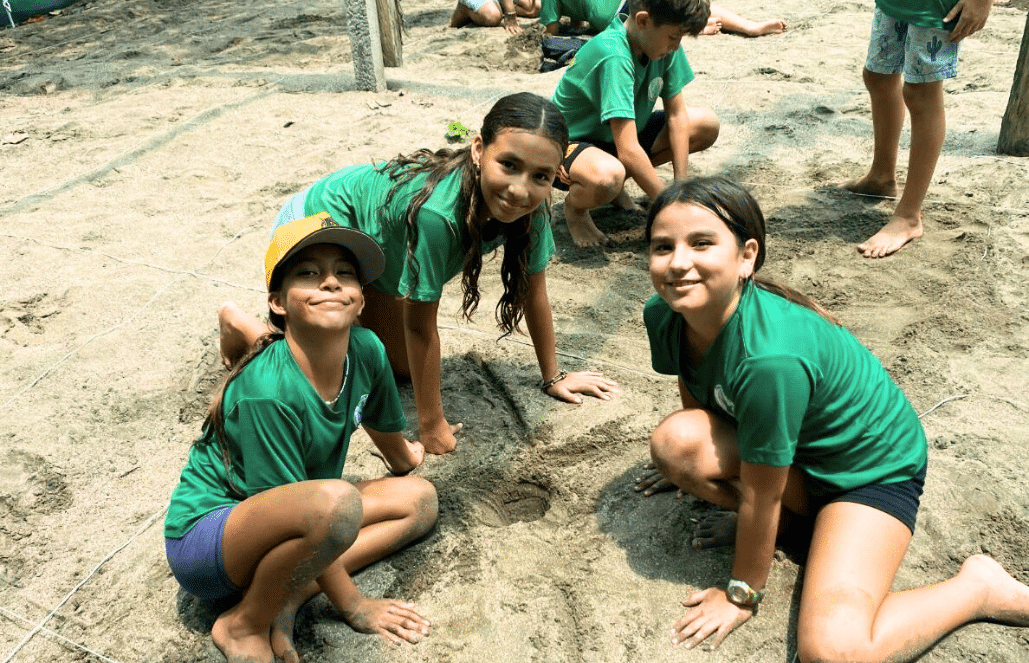
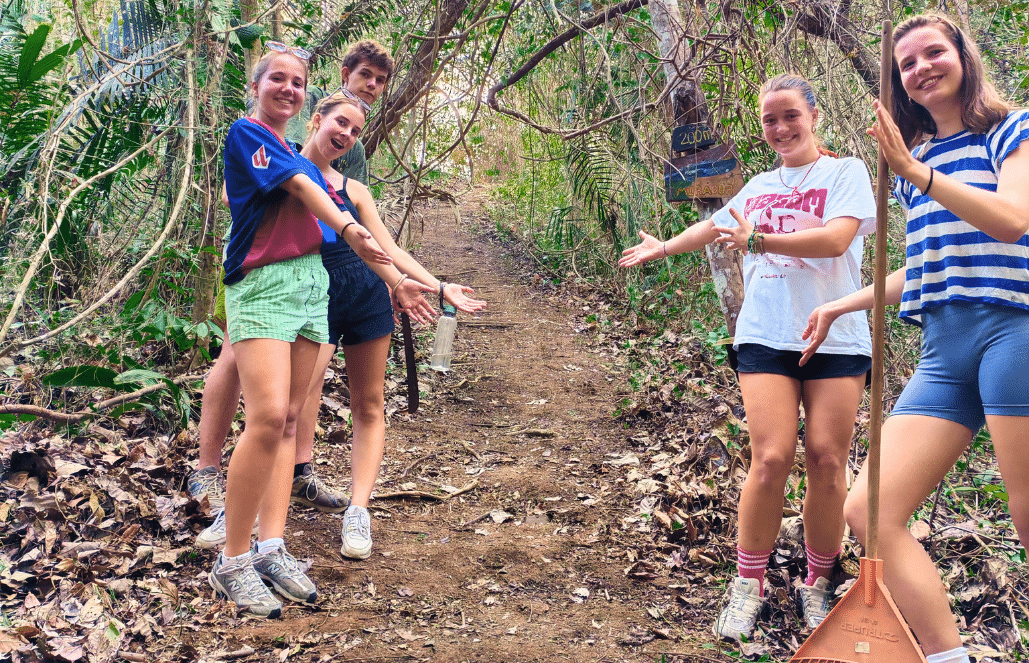
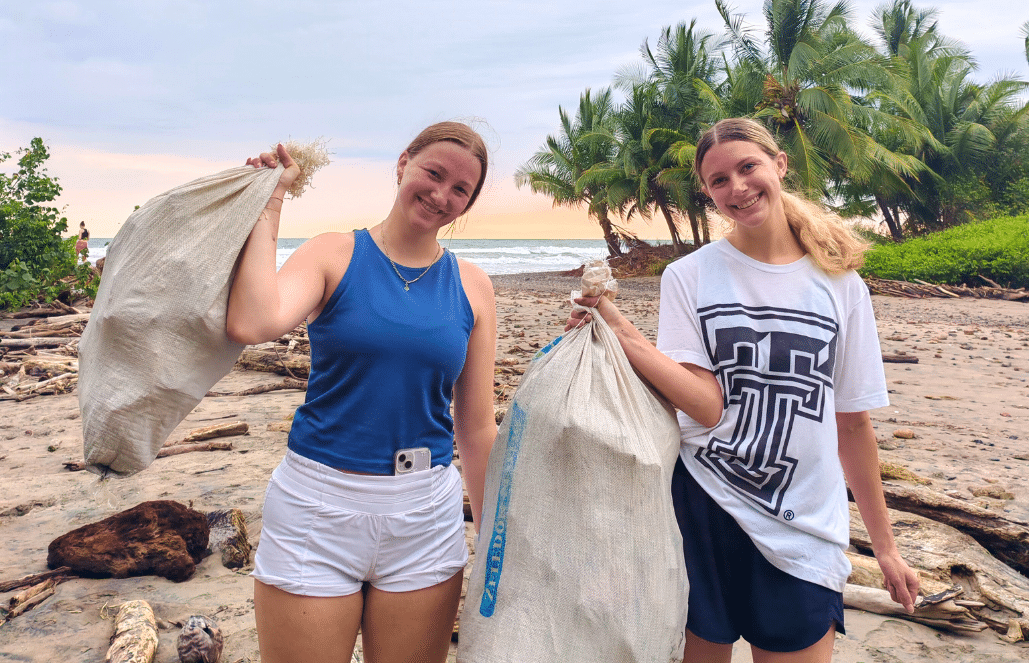
During the nesting season, families may take part in patrols adapted to be suitable for children, assisting with track identification, basic data collection, and nest protection. Outside the season, conservation work continues through reforestation, organic gardening, trail maintenance, and environmental education activities designed for all ages. The volunteer schedule can be adjusted to suit your family’s needs. Please let us know during your interview if you have any specific requirements or preferences.
Volunteer tasks may include:
A Typical Day for Volunteers
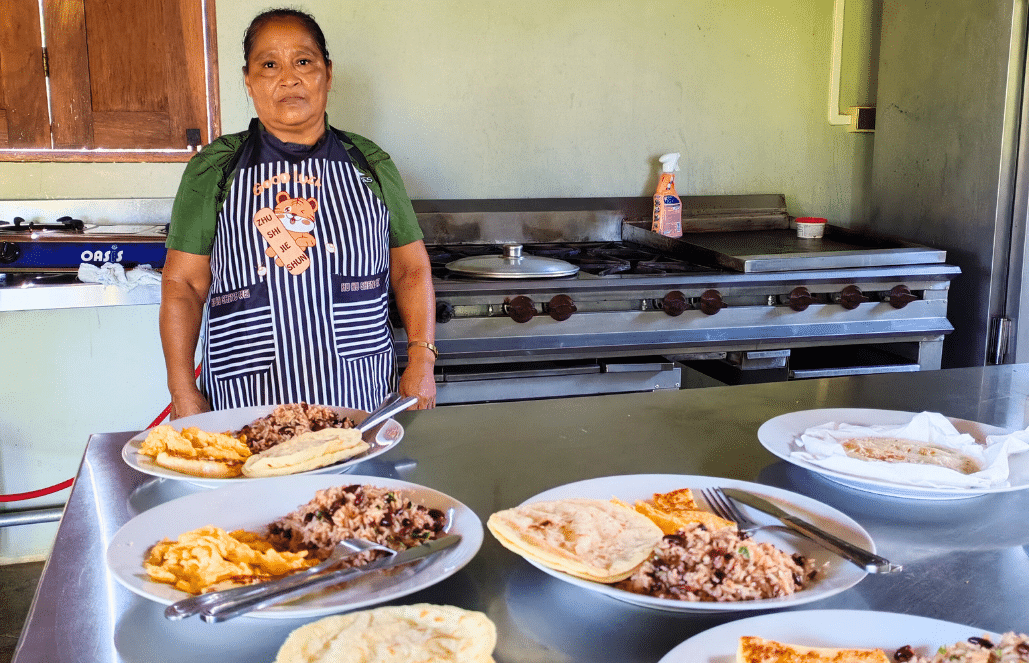
A day often begins with a morning conservation activity such as a patrol, beach cleanup, or sustainability project. After lunch, families enjoy quieter hours for rest, beach time, reading, or optional tours. Scheduled evening patrols occur only when conditions are suitable, and while sightings are not guaranteed, the experience of contributing to conservation is rewarding for volunteers of all ages. The volunteer schedule can be adjusted to suit your family’s needs. Please let us know during your interview if you have any specific requirements or preferences.


Families enjoy a guided full-day excursion to Poás Volcano, La Paz Waterfall Gardens, and a traditional coffee estate at the start of their trip. During the volunteer week, the coastline offers peaceful beaches, sunset views, and wildlife sightings. Optional activities include horseback riding through coastal trails, canopy zip-lining, surfing lessons, boat trips to Tortuga Island, and hikes near Montezuma.
In San José, families can explore local markets and historic neighborhoods. Combined with hands-on conservation work, this trip offers a balanced blend of culture, nature, and adventure.

