
Volunteer at a lion and tiger rescue sanctuary on a private nature reserve in South Africa. Support ethical wildlife care through meaningful, behind-the-scenes work in a conservation-focused setting.

 TT
TT
 WA
WA
 IG
IG
 FB
FB
South Africa is every bit as colorful as its flag promises. This country combines natural beauty and diverse culture with volunteering opportunities in areas such as education, health, and wildlife conservation. Travelling and volunteering abroad in South Africa will almost definitely allow you to check items off your bucket list. Adventure excursions might include bungee jumping, standing on top of Table Mountain in Cape Town, or even hearing a lion roar. While ratcheting up your adrenaline, you’ll be able to gain practical experience and cultural insights as you make a valuable contribution to game-changing projects.
Why Volunteer in South Africa?
South Africa is a country with ample opportunity for you learn about international development, whether you are looking to volunteer abroad with children or wildlife. South Africa has made enormous progress since the end of the apartheid, but persisting social and environmental challenges mean the country has a wealth of volunteer opportunities for curious people looking to make a difference. A volunteering journey to South Africa means being immersed in the culture and traditions of an ancient land, and marveling at magnificent landscapes and an abundance of wildlife, while being embraced by warm and welcoming people. South Africa is a truly inspiring and exciting country to explore.
What to Know About Volunteering in South Africa
GoEco’s volunteer programs are designed to let you get a real taste of living in South Africa, while still providing you with all the support you need before, during, and after your trip. Most of your trip details will be taken care of through your program, but it’s still handy to know a few important things before you go.
Requirements
Because South Africa offers such a diverse range of volunteering opportunities, the requirements of your program will depend on the kind of work you will be doing. For example, some wildlife programs have specific height requirements. Most programs ask that you have a basic level of English, decent physical fitness, and a willingness to get your hands dirty.
Safety
Crime rates are high in cities in South Africa, so you should always check in with your program supervisors to ask which areas to avoid, and for any safety tips specific to the area you’re working in. While you do need to be more cautious than at home, there is no need to be overly paranoid. As long as you follow the advice given to you during your project orientation, you shouldn’t run into trouble.
Language
There are 11 official languages in South Africa, but almost everyone speaks English. You don’t have to worry about attempting interesting “click words” unless you want to!
Accommodations
South Africa typically has a comfortable level of accomodation. The most common arrangement is in a shared room at a volunteer house or lodge. Volunteers can enjoy most creature comforts, including Wifi and laundry services.
Costs
South Africa might not be the cheapest African country to volunteer in, but the wide range of experiences available mean you will really get bang for your buck with programs. If you are coming from North America or Europe, you will still find most small daily expenses very cheap compared to back home. Apart from program fees, your major expenses will most likely be flights, your visa, and extra meals or activities.
Packing
You don’t need to dress all in khaki for your volunteering trip in South Africa, but pale-colored, lightweight fabrics are a good idea. Long sleeves and a broad-brimmed hat will help to protect you against the sun, and if you are taking part in a project in the bushveld make sure you have several pairs of long pants to protect your leg when doing walking surveys.
Health
As long as you make sure you are up to date with your vaccinations before leaving home, you are unlikely to come down with anything serious while in South Africa. You may need malaria prophylaxis if visiting some areas of northeastern South Africa, so the best thing to do is consult a travel doctor for professional advice.
Where to Volunteer in South Africa?
Located at the southernmost tip of the epic African continent, South Africa has a veritable plethora of volunteering locations. Cape Town is a colorful coastal city with some of the most impressive views of any African city. The history, cuisine, and hiking opportunities in Cape Town make this a fabulous place to volunteer in South Africa. Both the Eastern and Western Capes of South Africa offer stunning program locations. Port Elizabeth in the east sits along the famed Garden Route, while in the west are the majestic Swartberg Mountains. The Kruger National Park area is an enticing spot, with some of the best wildlife viewing opportunities in the world. Volunteering programs in this area typically deal with the Big Five and other exciting animal projects.
Volunteer Programs in South Africa
Volunteering abroad opportunities in South Africa range from projects in medical care to education, wildlife research, and environmental and conservation efforts. There is huge scope for volunteers to find a project that fits with their career aspirations, prior experience, or personal interests.
Healthcare
South Africa is currently facing significant healthcare issues, including one of the highest rates of HIV/AIDS in the world. Many volunteers join projects in South Africa to assist nurses and doctors in clinics. Volunteers can also be instrumental in raising awareness amongst vulnerable communities about proper nutrition, hygiene, and healthcare practices.
Education and Community Support
As Nelson Mandela, the great South African leader and advocate for tolerance and peace, once stated “Education is the most powerful tool which we can use to change the world”. Giving support and better educational opportunities to children in schools and community centers is one of the most rewarding volunteer opportunities in South Africa. Volunteers can act as mentors, teachers, and coaches for young South Africans.
Wildlife and Conservation
South Africa is ideal for hands-on environmental- and wildlife-related work. Volunteer conservation projects can involve assisting in the maintenance and upkeep of sanctuaries that play an integral role in the rehabilitation and protection of endangered species. You may also spend time feeding, nursing and caring for all types of different wildlife as well as collecting and recording data for primary conservation efforts. For those who are looking for career experience in the field of animal care or conservation, South Africa is the perfect place to get up close and personal with unique wildlife. South Africa is one of the most popular volunteering destinations in the world. Find out why for yourself and dive right into an exciting, challenging, and ultimately rewarding volunteer program.
Read more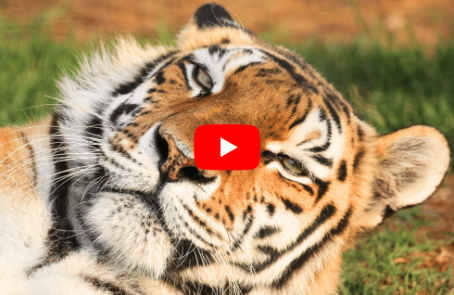
Volunteer at a lion and tiger rescue sanctuary on a private nature reserve in South Africa. Support ethical wildlife care through meaningful, behind-the-scenes work in a conservation-focused setting.
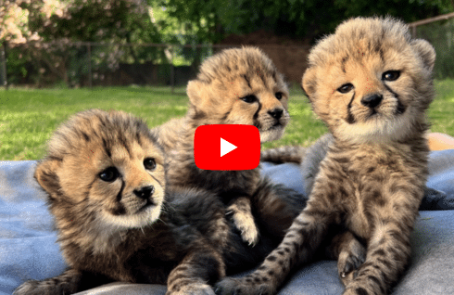
Join a leading wildlife ranch in South Africa and help care for over 90 species, including endangered big cats and reptiles. Volunteers assist with daily husbandry, enrichment, and conservation tasks, gaining hands-on experience while learning from professional staff.
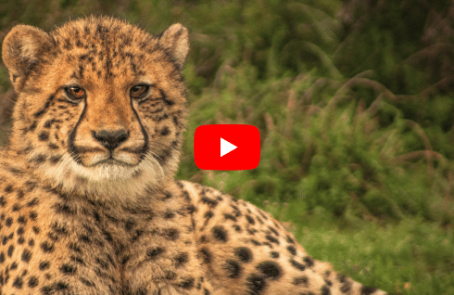
Volunteer in wildlife projects involving cheetahs, lions, elephants, and wild meerkat families on a conservation-focused private reserve in South Africa’s Klein Karoo, near the renowned Garden Route. Support species protection, ecosystem restoration, and research initiatives while living in a comfortable tented bush camp surrounded by wildlife.
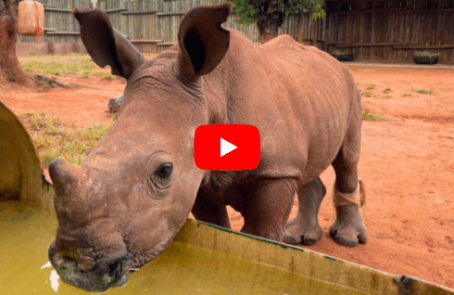
Volunteer at the worlds largest orphan rhino sanctuary in South Africa. Join the efforts of a local professional team that rescues, rehabilitates, re-wilds, releases and protects rhinos.
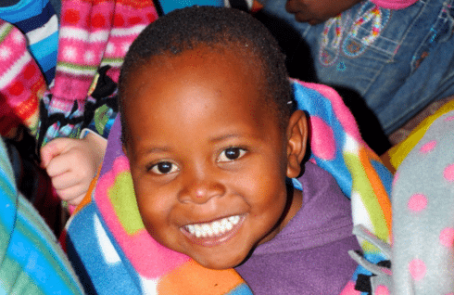
Support early childhood education and infant care while living in a Big Five Game Reserve near Johannesburg. Work with daycare centers and a Baby Safe House to provide essential support to children in need.
Go on an adventure of a lifetime in South Africa and volunteer for the conservation of the Marine Big Five species! Gain hands-on work experience in marine conservation with a highly reputable organization.
Join research efforts on Africa’s “Big 5” wildlife: lions, elephants, rhinos, leopards, and cape buffalo. Contribute to crucial conservation activities for these animals. Experience life in the Greater Kruger Area on a private reserve alongside an international team.
Volunteer at a South African Wild Cat Sanctuary to aid in the care and rehabilitation of rescued big cats. Contribute to conservation efforts, enjoy educational activities, and finish with a thrilling 3-day safari in Kruger National Park.
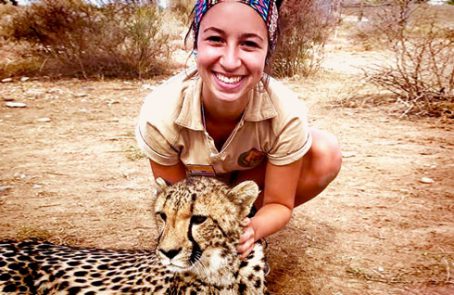
Take part in an internship at one of South Africa’s leading wildlife ranches. Assist in the care of over 90 species, support breeding and research programs, and gain valuable hands-on experience in conservation.
Make a positive impact on communities living in Cape Town settlements through education, skills development and community improvement projects. Immerse yourself in the beauty of South Africa while living and working with international volunteers.