Volunteer in Australia and discover the world’s unique island continent. GoEco’s programs in Australia cover wildlife and marine protection. Volunteers can get a taste of what it’s like to live life in sunshine, while helping to protect unique ecosystems and animals. GoEco’s programs are conservation-driven, so participants will be contributing to some of the best environmental protection initiatives in the world.
Why GoEco?
- Dynamic, sustainable volunteer programs with measurable impacts
- Ethical values underpinning all activities
- Excellent volunteer reviews and award-winning programs
- Program fees cover safe volunteer accommodation, meals, airport pickup, orientation, and 24/7 support
- Explore Australia with a team of international volunteers
Australia’s wild beauty is made up of bright splashes of coral reefs, red deserts, and emerald mountains. Between hip coastal cities and Indigenous cultures that go back thousands of years, Australia is a potent blend of old and new. Volunteering in Australia is an opportunity to get involved in conservation volunteer programs on the largest reef system in the world, or help protect unique animals that look like they came straight out of a fairytale.
Why volunteer in Australia?
Australia might not be the first place that comes to mind when you think of volunteering abroad. Yet despite being a developed nation, Australia does face a unique set of conservation challenges. Climate change and pollution are threatening the magnificent Great Barrier Reef. Large sections of the reef are already dead or suffering from coral bleaching. Human activities have also put pressure on Australia’s wildlife by reducing their habitat. Animals like koalas and kangaroos are found nowhere else in the world, so protecting them is paramount. There is huge scope for volunteers interested in wildlife or environmental conservation to find a placement in Australia. At the same time, the travel opportunities mean volunteers can balance their work with exploration in a sunny, friendly, and completely unforgettable place.
Program locations
Australia is both one of the largest countries in the world and one of the most sparsely populated. Nearly 90 percent of people live along the coastlines, so for both surfer towns where everyone walks around barefoot, and thriving cities with fine dining look to the east coast. Sydney is the largest city and one of the most iconic, with a skyline that encompasses the graceful arc of the Harbour Bridge and the unmistakable shape of the Opera House. Just one and a half hours outside Sydney is Calga, a small town home to GoEco’s wildlife sanctuary project. This location gives you the best of both worlds. You’ll experience Australia;s wilder side and the laid back pace of life in smaller towns, with the excitement of cosmopolitan city life just a short train ride away. Cairns is a tropical paradise drenched in heat and technicolor beauty. The town is a jumping off point for exploring the Great Barrier Reef, so for coral conservation projects this is most likely where you’ll be based. All of the delights of Northern Queensland are just a stone’s throw away. Within a few hours drive you’ll find waterfalls galore, excellent hiking opportunities, and of course serene beaches that are almost completely deserted.
What you need to know about volunteering in Australia
Australia is a safe and welcoming country. Excellent tourist infrastructure means you’re unlikely to run into any problems there. If you do, it’s easy to ask any of the locals for help. Here’s a few handy things to know before you go. Weather The weather can vary widely between tropical north Queensland and Melbourne. Although Australia is famous for being sunny, locations in the south of the country can get cold over winter (between June and August) although it almost never snows. In places such as Cairns the weather is hot and humid year-round.
Costs and affordability
Australia can be an expensive place to travel. Your basic living expenses will be included in your program fees. However, domestic flights, tourist activities, and meals in restaurants can all add up quickly. Before you head off on your volunteering adventure, you can fundraise for your cause – you might be surprised by how many people want to support you. Wildlife Australia is home to more than just cuddly koalas. Keep an eye out for snakes and spiders, and consult locals before swimming in creeks and rivers – you never know where crocodiles might be lurking.
Volunteer programs in Australia
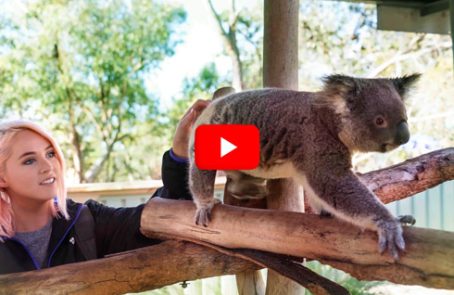
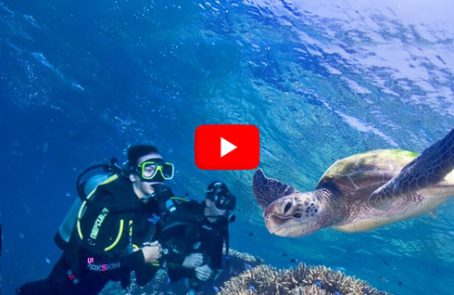
Most volunteer programs in Australia center around conservation. You’ll most likely be working with native animals or coral ecosystems. If you’re considering a career in marine research and discovery, or are simply passionate about the natural world, Australia will be a great fit for you. GoEco’s Great Barrier Reef Conservation Volunteer project teaches volunteers how to scuba dive. The program will equip you with either Open Water or Advanced certification, depending on your experience before you start. You’ll then put those diving skills into use as you survey plants and animals in the reef system to collect data. The Great Barrier Reef is one of the greatest wonders of the natural world and is dying rapidly. Your efforts could contribute to a larger body of work that could help to ensure this mighty reef system survives for many more years. You could work at one of Australia’s best wildlife sanctuaries, where you could care for cute critters. Helping to feed the animals, maintain their enclosures, and support wider environmental education initiatives is a fantastic introduction into wildlife protection. The Conservation Volunteers Australia Experience is a project that you can easily customize to suit you. Choose your preferred location, such as Sydney, Brisbane, or Melbourne, and then get involved in conservation projects such as tree planting, rainforest reforestation, land restoration, or boardwalk construction. Browse our volunteer programs in Australia to find out more about the work you could do in this beautiful country. For more information or to enrol in a program, get in touch today.

 TT
TT
 WA
WA
 IG
IG
 FB
FB