
Volunteer at one of the longest running wildlife sanctuaries and rescue centers in Africa! Become a part of a 50 year history of wildlife conservation and volunteer with a range of animals, from monkeys to lions.

 TT
TT
 WA
WA
 IG
IG
 FB
FB
GoEco > Africa
(Visit our South Africa page for the best wildlife volunteering programs Africa has to offer.) Africa is a continent undergoing huge change. Countries across Africa are making strides in development. It’s an exciting time to volunteer in humanitarian and environmental causes, in some of the most exciting travel destinations in the world. As a volunteer, you could participate in programs that bring about lasting change, plus learn more about life in Africa and act as a cultural ambassador when you return home.
Although Africa is often thought of as one massive country, each individual country is perfectly distinct. Culture, landscapes, traditions, languages – with each border you cross, you’ll find your surroundings totally different. There is more to Africa than most people know. There might be challenges, but there is a lot of light as well. You’re likely to come across some of the most inspiring people you’ll ever meet in Africa. When you return home, you’ll remember the smiles rather than the hardships people face. Getting to know Africans through a volunteer program will give you a better understanding of international development and help you see beyond familiar stereotypes.
Volunteers can play an important role in contributing to. Volunteer in Africa to discover a continent of diverse cultures, spectacular wildlife, and unforgettable people.
Based on years of practice and in-depth field reports from hundreds of volunteers in Africa, GoEco has put together a carefully vetted selection of excellent humanitarian, development, education and wildlife volunteer projects.
Rehabilitate lions in Zimbabwe or teach in South Africa – no matter the project you choose, this is your chance to make a difference. Here are some of the causes you can get involved with.
Why go on a safari when you can work directly with Africa’s animals? Volunteering in wildlife conservation in Africa will give you the chance to learn more about some of the most magnificent beasts on the planet. You’ll gain a deeper understanding of the issues facing them as you see the challenges presented in a real-world context.
Oceans are extremely vulnerable to the changing climate, pollution, and human activities. Volunteering in marine conservation projects in Africa is a chance to make a real and much needed impact. At the same time, you’ll learn skills such as diving or data collection. As well as presenting exciting marine volunteer opportunities, Africa’s Indian Ocean coastline is home to some of the most beautiful beaches in the world.
Aspiring healthcare professionals will benefit from volunteering in medical centers and clinics in Africa. There are ample opportunities for hands-on experience. In many parts of Africa, access to healthcare services is limited. If you have skills in this field, this is a chance to make a tangible difference in places where vital resources are scarce.
Volunteering in community development in Africa is a rewarding option. Teaching children or facilitating sports programs is a unique opportunity to become immersed in local life. Working with either children is excellent for developing soft skills and learning responsibility. Plus, getting involved in community-based projects is one of the best ways to see international development at a human level.
Locations
One of the best things about volunteer programs in Africa is the many locations you can choose from. You could be based by a beach, in the jungle, high on a mountain or on an open plain. Although African countries are often lumped together, each one has a distinct personality.
South Africa
Volunteer projects in South Africa often include working with animals you won’t find in other African countries, such as great white sharks or penguins. The vibrant Cape Town coastline is also a great place to combine volunteering with learning to surf.
Zimbabwe
Work on lion conservation near Victoria Falls, or help with medical care and education in Antelope Park – Zimbabwe has a diverse range of volunteering options available.
Tanzania
Home to Kilimanjaro, the Serengeti, and Zanzibar, Tanzania is a study in sweeping vast landscapes. Some of the best safari parks in Africa are found here. You’ll also find exciting volunteer programs, such as empowering girls in Moshi or conserving dolphins in Zanzibar.
Zambia
Some of the most rewarding volunteer projects in Zambia include community teaching, medical care and sports programs. These opportunities let you get to the heart of the community, gaining a deeper understanding of local culture as well as lifelong friends.
Kenya
With a diverse tapestry of tribal cultures and landscapes ranging from pristine beaches to the lush jungles in Hell’s Gate, Kenya is one of the most colorful countries in Africa. Helping to protect lions in the Masai Mara is an unforgettable experience.
Mozambique
The Indian Ocean coastline is the biggest drawcard in Mozambique. Study majestic whale sharks as you learn to dive off the palm-fringed beaches.
Malawi
The ‘warm heart of Africa’ might be one of the poorest countries in Africa but it is abundant in charm and warmth. Volunteer projects in Malawi are spectacular for both the natural setting and the kindness of the people you work with.
Madagascar
An Indian Ocean island miles off the coast of Africa, Madagascar is its own entity. The culture here is unlike anywhere else. Make your childhood dreams come true as you get to know and protect cheerful lemurs.
Seychelles
These islands might be a honeymoon destination, but they’re not all perfection. The marine ecosystems surrounding Seychelles are vulnerable and there is a demand for research and conservation assistance.
Whether as part of a gap year, a spring break, or as part of your studies, taking part in one of these programs is a meaningful experience that will help to shape individuals both personally and professionally. Take a look at the African volunteer programs we offer or get in touch with us to find out more.
Choosing the right volunteer program in Africa is crucial for a fulfilling and impactful experience. It requires careful consideration of your abilities, interests, and the needs of the communities you wish to serve.
Before selecting a program, take time to reflect on what you can offer and what you hope to achieve through volunteering. Consider your professional skills, hobbies, and passions. For instance, if you have a background in education, you might contribute significantly to teaching programs. If you’re passionate about wildlife, conservation projects could be a perfect fit.
Questions to ask yourself:
By aligning your skills and interests with the needs of a volunteer program, you’re more likely to make a meaningful contribution and have a rewarding experience.
Not all volunteer programs are created equal. It’s essential to research organizations thoroughly to ensure they are reputable and have a positive impact on local communities.
Steps to identify trustworthy volunteer programs:
Volunteering abroad involves various commitments that extend beyond the duration of your stay.
Consider the following factors:
By fully understanding these aspects, you can prepare adequately and set realistic expectations for your volunteer experience.
It’s important to choose programs that prioritize sustainable, positive impacts on the communities they serve.
Ways to assess community impact:
You can refer to resources like the United Nations Volunteers programme for standards on ethical volunteering.
Africa’s rich biodiversity offers unique opportunities for volunteers interested in wildlife conservation. Contributing to these efforts can help protect endangered species and preserve vital ecosystems.
Animal rehabilitation centers care for injured, orphaned, or rescued wildlife with the goal of releasing them back into the wild.
Volunteer roles often involve:
These centers rely on volunteers to support their operations and enhance the well-being of the animals in their care.
Many African species face threats from poaching, habitat loss, and climate change.
How you can help:
Organizations like the World Wildlife Fund offer programs focused on endangered species conservation.
Restoring natural habitats is crucial for the survival of wildlife.
Activities may include:
By engaging in these efforts, volunteers help create sustainable environments for wildlife to thrive.
Responsible wildlife volunteering prioritizes the welfare of animals and ecosystems.
Key ethical considerations:
Refer to the guidelines provided by the International Union for Conservation of Nature for ethical practices in wildlife conservation.
Volunteering in Africa offers a unique opportunity to immerse yourself in diverse cultures, enriching your experience and fostering mutual understanding.
Africa is home to thousands of ethnic groups, each with its own customs.
Ways to deepen your cultural understanding:
Understanding these customs enhances your ability to connect with community members meaningfully.
Communicating in the local language can greatly enhance your integration.
Benefits of learning the language:
Resources like Duolingo or local language schools can aid in your learning process.
Active participation helps you experience daily life from a local perspective.
Engagement opportunities:
These interactions can lead to meaningful relationships and a deeper appreciation of the community’s way of life.
Approach all interactions with openness and respect.
Guidelines for cultural sensitivity:
The Peace Corps offers valuable resources on cultural sensitivity and effective cross-cultural communication.
For your volunteer work to have lasting significance, focus on sustainability and empowerment within the communities you serve.
Choose programs that aim for enduring impact rather than short-term fixes.
Characteristics of sustainable projects:
Engaging in such projects ensures that your efforts contribute to ongoing positive change.
Working alongside community leaders enhances the effectiveness of development efforts.
Ways to empower leadership:
Empowerment leads to sustainable progress that continues after volunteers have departed.
Incorporate eco-friendly practices into your volunteering to protect the environment.
Environmental considerations:
Your commitment to environmental sustainability can inspire others and reduce the ecological footprint of volunteer activities.
Ensure your actions uphold the highest ethical standards.
Principles to follow:
Refer to the International Volunteer Programs Association for guidelines on ethical volunteering.
Volunteering in Africa is not only about giving back but also about personal growth and transformation.
Exposure to different ways of life broadens your horizons.
Impacts on your worldview:
This broadened perspective can influence your future decisions and interactions.
Overcoming challenges enhances personal strength.
Growth opportunities:
These qualities are valuable in both personal and professional contexts.
Your volunteer experience can be a significant asset in your career.
Professional benefits:
Many employers value the unique experiences and competencies gained through international volunteering.
The relationships you build can have enduring significance.
Connection outcomes:
These connections enrich your life and can lead to ongoing collaboration and mutual support.
Read more
Volunteer at one of the longest running wildlife sanctuaries and rescue centers in Africa! Become a part of a 50 year history of wildlife conservation and volunteer with a range of animals, from monkeys to lions.
Volunteer at a lion and tiger rescue sanctuary on a private nature reserve in South Africa. Support ethical wildlife care through meaningful, behind-the-scenes work in a conservation-focused setting.
Join a leading wildlife ranch in South Africa and help care for over 90 species, including endangered big cats and reptiles. Volunteers assist with daily husbandry, enrichment, and conservation tasks, gaining hands-on experience while learning from professional staff.
Volunteer in wildlife projects involving cheetahs, lions, elephants, and wild meerkat families on a conservation-focused private reserve in South Africa’s Klein Karoo, near the renowned Garden Route. Support species protection, ecosystem restoration, and research initiatives while living in a comfortable tented bush camp surrounded by wildlife.
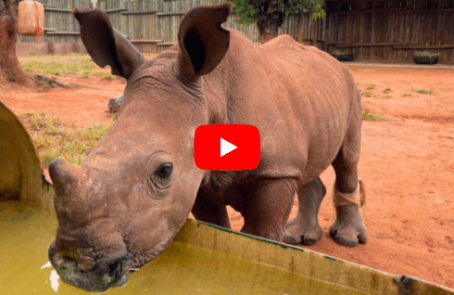
Volunteer at the worlds largest orphan rhino sanctuary in South Africa. Join the efforts of a local professional team that rescues, rehabilitates, re-wilds, releases and protects rhinos.
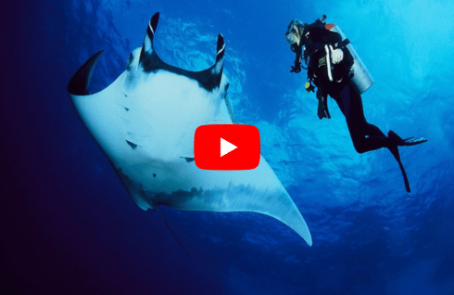
Help conduct essential marine research on scuba dives, ocean safaris and beach walks off the coastline of the stunning beach town of Praia do Tofo. During this project, you will closely monitor a variety of unique marine species, including the majestic whale shark.
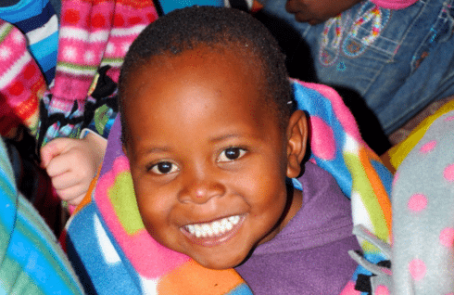
Support early childhood education and infant care while living in a Big Five Game Reserve near Johannesburg. Work with daycare centers and a Baby Safe House to provide essential support to children in need.
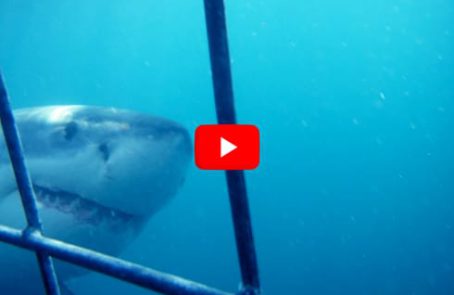
Go on an adventure of a lifetime in South Africa and volunteer for the conservation of the Marine Big Five species! Gain hands-on work experience in marine conservation with a highly reputable organization.
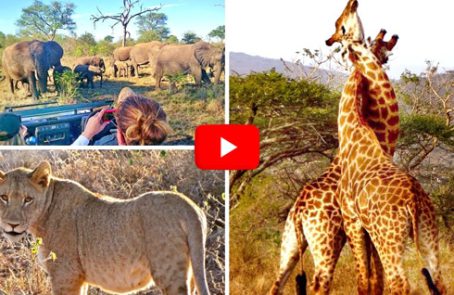
Join research efforts on Africa’s “Big 5” wildlife: lions, elephants, rhinos, leopards, and cape buffalo. Contribute to crucial conservation activities for these animals. Experience life in the Greater Kruger Area on a private reserve alongside an international team.
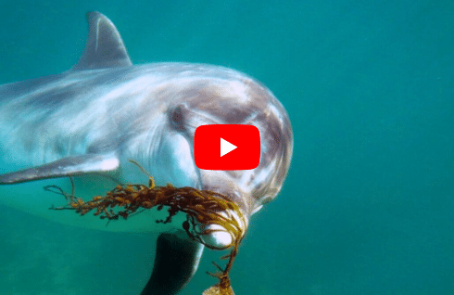
Join this tropical island project and get involved with marine conservation, community work, and education. Zanzibar is a fascinating archipelago with a deeply embedded history, an intriguing blend of cultures, and stunningly beautiful beaches and sea life.